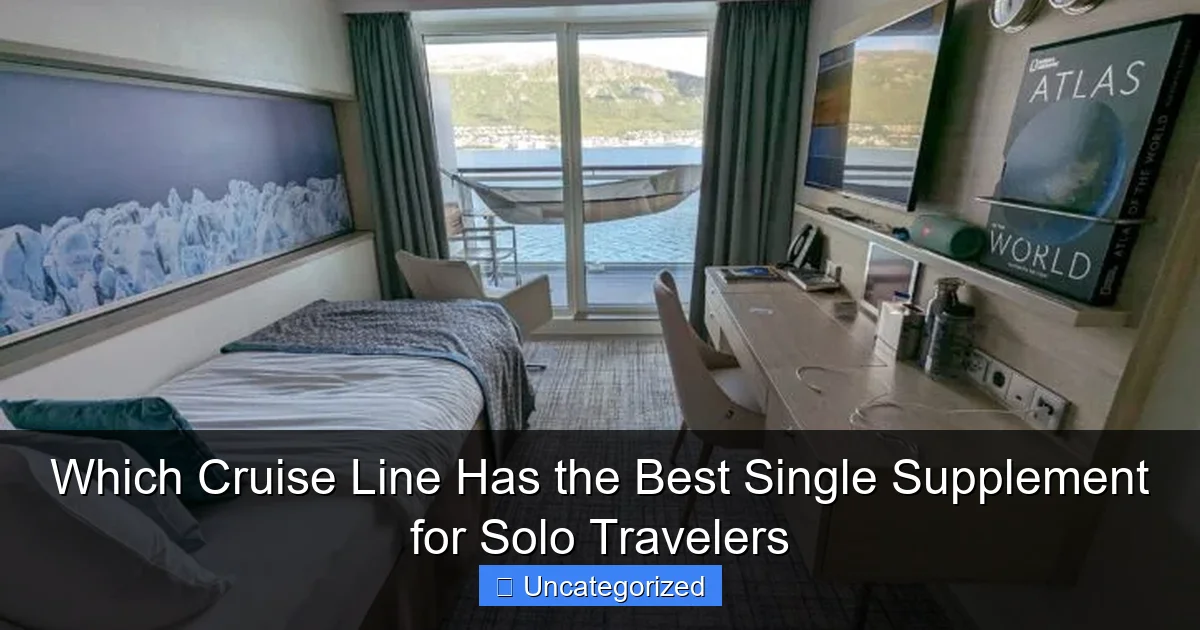
Featured image for which cruise line has the best single supplement
Image source: travelcodex.com
Norwegian Cruise Line (NCL) stands out as the best cruise line for solo travelers, offering dedicated solo staterooms with no single supplement fees on most sailings. With its “Studio” cabins and vibrant solo traveler lounges, NCL eliminates the financial penalty typically faced by solo cruisers, making it the top choice for affordability and social connection.
Key Takeaways
- Norwegian Cruise Line offers no single supplement on select sailings—ideal for budget solo travelers.
- Royal Caribbean provides studio cabins designed exclusively for solo travelers with no extra fees.
- Celebrity Cruises features solo staterooms and reduced supplements on many itineraries.
- Holland America waives supplements during promotions—book early to secure the best deals.
- Virgin Voyages eliminates single supplements entirely, 100% solo traveler-friendly on all sailings.
📑 Table of Contents
- Introduction: Cruising Solo – The Rise of the Single Traveler
- Understanding the Single Supplement: What It Is and Why It Exists
- Top Cruise Lines with the Best Single Supplement Options
- How to Maximize Value: Tips for Booking a Cruise with a Low or Waived Single Supplement
- Comparative Data: Single Supplement Costs Across Major Cruise Lines (2024)
- Conclusion: Finding the Best Fit for Your Solo Cruise Adventure
Introduction: Cruising Solo – The Rise of the Single Traveler
The world of cruising is no longer just for couples, families, or retirees. In recent years, a powerful shift has taken place: solo travel is booming. According to the Global Solo Travel Report, over 72% of travelers have taken a solo trip in the past two years, and a growing number are choosing cruise vacations as their preferred mode of exploration. Cruising offers safety, convenience, all-inclusive amenities, and built-in social opportunities—making it an ideal choice for those venturing out on their own. But for solo travelers, one major hurdle remains: the dreaded single supplement.
The single supplement is a fee cruise lines charge solo travelers to occupy a double-occupancy cabin alone. Traditionally, this fee ranges from 10% to 150% of the per-person fare, effectively forcing solo cruisers to pay the price of two people. For years, this has been a significant deterrent, but the tide is turning. As demand for solo-friendly cruising grows, cruise lines are responding with innovative solutions: dedicated single cabins, reduced or waived single supplements, and special promotions tailored to solo travelers. In this comprehensive guide, we’ll explore which cruise line has the best single supplement for solo travelers in 2024, analyzing pricing, cabin options, onboard experiences, and value to help you make the most informed decision.
Understanding the Single Supplement: What It Is and Why It Exists
The Business Logic Behind the Single Supplement
At its core, the single supplement exists because cruise ships are designed for double occupancy. Cabins, dining tables, and even entertainment venues are structured around couples or groups. When a solo traveler books a cabin meant for two, the cruise line loses potential revenue from a second guest. To compensate, they charge a supplement—often 100% of the per-person fare—to cover that lost income. This practice, while financially logical for the cruise line, can make solo cruising prohibitively expensive.
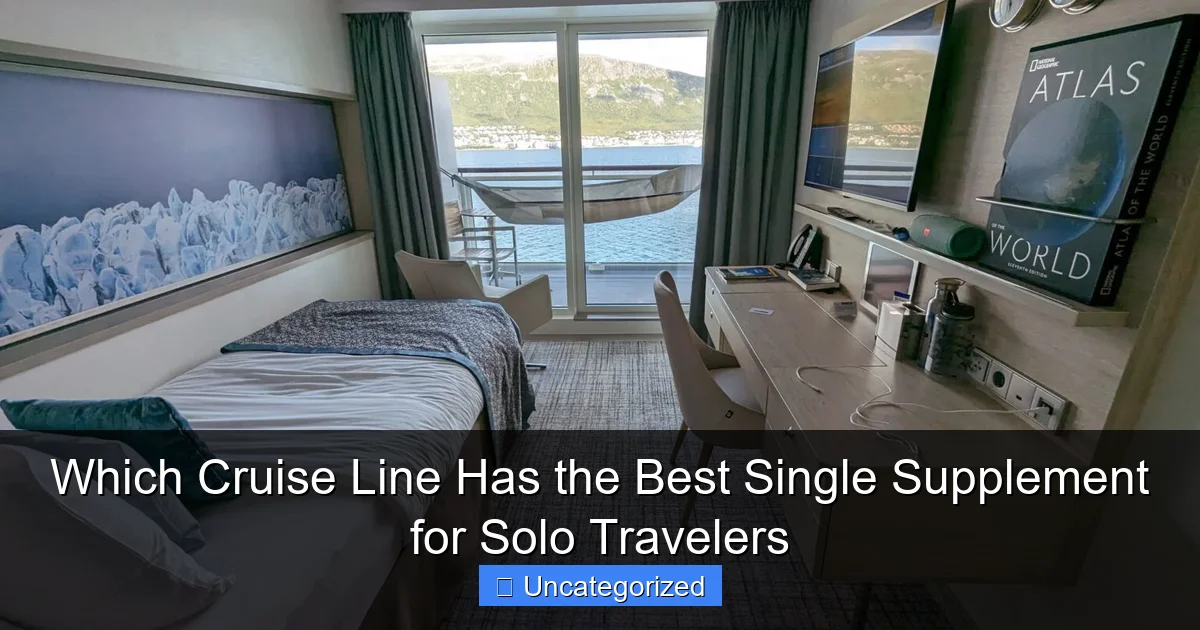
Visual guide about which cruise line has the best single supplement
Image source: travelcodex.com
However, the industry is evolving. As solo travelers become a more significant demographic, cruise lines are reevaluating their pricing models. Some have introduced waived single supplements during certain sailings, while others have built entire ships with solo cabins designed from the ground up. Understanding how the supplement works—and when it can be avoided—is crucial for maximizing value.
How the Single Supplement Is Calculated
The single supplement is typically calculated as a percentage of the per-person, double-occupancy fare. For example:
- If a cruise costs $1,000 per person based on double occupancy, the total cabin price is $2,000.
- With a 100% single supplement, the solo traveler pays $2,000 (the full cabin price).
- With a 50% supplement, they pay $1,500.
- With a 25% supplement, they pay $1,250.
- With a waived supplement, they pay only $1,000.
Some cruise lines use a “single occupancy rate” instead of a percentage, which may be lower than the double-occupancy total. For instance, a cabin might be priced at $1,600 for a single guest instead of $2,000. This is still a supplement, but a reduced one. The key is to compare total out-of-pocket cost across lines, not just the percentage.
When Supplements Are Most Likely (and Least Likely) to Be Waived
Cruise lines are more likely to waive or reduce single supplements during:
- Off-peak seasons (e.g., shoulder months, hurricane season in the Caribbean)
- Last-minute deals (to fill unsold cabins)
- Special promotions (e.g., “Solo Sailor Week” or “No Single Supplement” events)
- Less popular itineraries (e.g., repositioning cruises, transatlantic voyages)
Conversely, supplements are rarely waived during:
- Peak travel seasons (summer, holidays)
- High-demand destinations (Mediterranean, Alaska, South Pacific)
- New ship launches or luxury voyages
Top Cruise Lines with the Best Single Supplement Options
1. Norwegian Cruise Line (NCL): The Pioneer of Solo Cabins
Norwegian Cruise Line is widely regarded as the leader in solo-friendly cruising. Their Studio cabins, introduced on the Norwegian Breakaway in 2013, were the first dedicated solo accommodations on a major cruise ship. Since then, NCL has expanded the concept across its Breakaway, Breakaway Plus, and Prima-class ships.
The Studio cabins are compact but thoughtfully designed, with space-saving features like fold-down beds, wall-mounted TVs, and efficient storage. More importantly, they come with no single supplement—a major selling point. Solo travelers pay a flat rate, typically 10–20% less than the double-occupancy fare per person, making it one of the most affordable options.
NCL also offers the Studio Lounge, an exclusive area for Studio guests with complimentary drinks, snacks, and social events. This fosters a strong sense of community and helps solo travelers connect with like-minded cruisers.
Example: A 7-night Caribbean cruise on the Norwegian Encore might cost $1,200 for a Studio cabin (no supplement) vs. $2,400 for a standard inside cabin with a 100% supplement.
2. Virgin Voyages: All-Inclusive, Solo-Friendly, and Supplement-Free
Virgin Voyages has redefined the solo cruising experience with its “Sailor” model—no kids, no buffet, no single supplements. From day one, Virgin has eliminated the single supplement across its entire fleet (Scarlet Lady, Valiant Lady, Brilliant Lady, and Resilient Lady).
Instead of traditional cabins, Virgin offers “Solo Insider” and “Solo Sea View” rooms, priced at a flat rate with no upcharge. These cabins are slightly smaller than standard ones but include all the perks of Virgin’s adults-only, all-inclusive experience: unlimited dining, fitness classes, Wi-Fi, and tips.
What sets Virgin apart is its social ecosystem. The app-based booking system allows solo travelers to connect before the cruise, and onboard events like “Solo Sailor Mixers” and “Group Excursions” make it easy to meet others. The vibe is modern, vibrant, and intentionally inclusive.
Example: A 4-night Bahamas cruise on the Valiant Lady costs $1,100 for a Solo Sea View cabin—no supplement, no hidden fees.
3. Royal Caribbean: Reduced Supplements and Solo Socials
Royal Caribbean doesn’t offer dedicated solo cabins, but it has made significant strides in reducing single supplements and creating solo-friendly experiences. On select sailings—especially on newer ships like Symphony of the Seas, Wonder of the Seas, and the Icon-class—Royal Caribbean offers waived or reduced single supplements (25–50% off the double-occupancy fare).
The line also features Solo Traveler Meetups at the start of each cruise, where solo guests can connect over drinks and activities. Additionally, the “Loyalty Lounge” for Crown & Anchor Society members (available after one cruise) includes solo-friendly events and early access to shore excursions.
While not as solo-centric as NCL or Virgin, Royal Caribbean’s combination of reduced supplements, large fleet, and diverse itineraries makes it a solid choice for solo cruisers who want flexibility and value.
Example: A 7-night Eastern Caribbean cruise on Symphony of the Seas might offer a 50% single supplement on an oceanview cabin, bringing the total to $1,700 instead of $3,400.
4. Holland America Line: Solo Supplements on Select Sailings
Holland America Line caters to a more mature, refined crowd, and its solo offerings reflect that. While it doesn’t have dedicated solo cabins, the line frequently runs “No Single Supplement” promotions on repositioning cruises, transatlantic voyages, and select Alaska sailings.
Holland America also offers a Solo Traveler Program with a dedicated host, welcome reception, and optional group dining. The line’s smaller ships (e.g., Koningsdam, Nieuw Statendam) create a more intimate atmosphere, which many solo travelers appreciate.
One unique perk: Holland America partners with SoloCruiser.com, a third-party service that matches solo travelers with cabinmates to avoid the supplement entirely. This can be a great option for those open to sharing.
Example: A 14-night transatlantic cruise on Rotterdam may offer a waived single supplement on inside cabins, saving a solo traveler over $3,000.
5. Azamara: Premium Experience with Occasional Waivers
Azamara is a premium cruise line known for longer itineraries, overnight stays in port, and cultural immersion. While it doesn’t have dedicated solo cabins, Azamara occasionally waives single supplements on select sailings—especially during shoulder seasons or on less popular routes.
The line’s “Solo Traveler Program” includes a welcome reception, group excursions, and a dedicated host. Azamara’s smaller ships (carrying ~700 guests) foster a close-knit community, and the emphasis on destination-rich experiences appeals to solo travelers seeking depth over party vibes.
Though not the cheapest option, Azamara offers excellent value for those who prioritize quality of experience over cabin size. When a waiver is available, it can be a steal.
Example: A 10-night Mediterranean cruise on Azamara Onward with a waived single supplement might cost $3,500 for an oceanview cabin—competitive for a premium line.
How to Maximize Value: Tips for Booking a Cruise with a Low or Waived Single Supplement
1. Book During Promotional Periods
Cruise lines often run “No Single Supplement” or “Reduced Supplement” promotions during:
- Wave Season (January–March)
- Last-minute deals (60–90 days before departure)
- Repositioning cruises (when ships move between regions, e.g., from Europe to the Caribbean)
- Shoulder seasons (April–May, September–October)
Subscribe to cruise line newsletters and follow solo travel bloggers to stay updated on these offers.
2. Consider Repositioning or Longer Cruises
Repositioning cruises (e.g., transatlantic, Panama Canal) are less popular with couples and families, so cruise lines are more likely to waive supplements to fill cabins. Similarly, longer voyages (10+ nights) often have better solo deals.
Tip: A 14-night repositioning cruise from Miami to Rome might offer a waived supplement, while a 7-night Caribbean cruise does not.
3. Use Third-Party Matching Services
Websites like SoloCruiser.com and CruiseMatch connect solo travelers with potential cabinmates. This allows you to book a double-occupancy cabin at the per-person rate, avoiding the supplement entirely. While it requires sharing, many travelers find the experience enjoyable and cost-effective.
4. Join Loyalty Programs
Frequent cruisers can leverage loyalty programs to access exclusive solo deals. For example:
- Norwegian’s Latitudes Rewards offers early access to promotions.
- Royal Caribbean’s Crown & Anchor Society includes solo events and discounts.
- Holland America’s Mariner Society provides priority booking for solo-friendly sailings.
5. Book Through a Solo-Focused Travel Agent
Specialized travel agents (e.g., Solo Traveler Expeditions, Cruise Planners – Solo Division) have access to group rates, private charters, and unadvertised deals. They can also help you navigate complex booking rules and negotiate on your behalf.
Comparative Data: Single Supplement Costs Across Major Cruise Lines (2024)
The table below compares average single supplement rates, cabin availability, and solo-friendly features for top cruise lines. Data is based on 7-night Caribbean or Mediterranean cruises during peak and off-peak seasons.
| Cruise Line | Avg. Single Supplement | Dedicated Solo Cabins? | Waived Supplement Promotions? | Solo Social Events? | Best For |
|---|---|---|---|---|---|
| Norwegian Cruise Line | 0% (Studio cabins) | Yes (Studio) | Yes (frequent) | Yes (Studio Lounge) | Affordable, social, modern |
| Virgin Voyages | 0% (all cabins) | Yes (Solo Insider/Sea View) | Always waived | Yes (mixers, excursions) | Adults-only, all-inclusive, trendy |
| Royal Caribbean | 25–50% (select sailings) | No | Yes (seasonal) | Yes (meetups, loyalty events) | Large ships, diverse itineraries |
| Holland America | 0–50% (promotions) | No | Yes (repositioning, off-peak) | Yes (welcome reception, host) | Mature travelers, cultural focus |
| Azamara | 0–25% (occasional) | No | Yes (shoulder seasons) | Yes (host, group excursions) | Premium, destination-rich |
| Carnival Cruise Line | 75–100% | No | Rare | Limited | Not ideal for solo travelers |
| Celebrity Cruises | 50–100% | No | Occasional (repositioning) | Yes (solo events) | Mid-range, luxury focus |
Note: Supplement rates vary by itinerary, season, and cabin category. Always confirm with the cruise line or agent before booking.
Conclusion: Finding the Best Fit for Your Solo Cruise Adventure
So, which cruise line has the best single supplement for solo travelers in 2024? The answer depends on your priorities. If you want guaranteed no supplement and a vibrant social scene, Virgin Voyages and Norwegian Cruise Line are clear frontrunners. Virgin offers an all-inclusive, adults-only experience with flat-rate solo cabins, while NCL’s Studio cabins provide affordability and community through the Studio Lounge.
For those who value flexibility and diverse itineraries, Royal Caribbean and Holland America offer strong solo programs with periodic waived supplements. Royal Caribbean’s massive fleet means more options, while Holland America’s refined vibe appeals to mature travelers. Azamara is ideal for solo cruisers seeking premium, destination-focused journeys—especially when a waiver is available.
Ultimately, the best cruise line for you balances cost, cabin comfort, social opportunities, and itinerary. Don’t just focus on the supplement percentage—consider the total value. A waived supplement on a 14-night repositioning cruise may offer better per-day value than a 7-night deal with a 50% supplement.
As solo travel continues to grow, cruise lines are investing in better experiences for single travelers. From dedicated cabins to inclusive pricing, the industry is finally catching up to demand. With the right research and timing, you can enjoy a luxurious, affordable, and socially enriching cruise—without paying for a second person. So pack your bags, download the app, and set sail on your next solo adventure. The open sea awaits.
Frequently Asked Questions
Which cruise line has the best single supplement for solo travelers?
Celebrity Cruises and Norwegian Cruise Line (NCL) are top contenders, offering dedicated solo cabins and reduced single supplements as low as 10-25% above standard fares. Both lines prioritize solo traveler amenities, making them ideal for those seeking value and comfort.
Are there any cruise lines that waive the single supplement entirely?
Yes! Virgin Voyages and select sailings with Holland America occasionally offer single supplement-free promotions, especially on repositioning or off-peak cruises. Always check for limited-time deals to save significantly.
What’s the average single supplement fee across major cruise lines?
Most cruise lines charge 50-150% of the double-occupancy fare, but luxury lines like Regent Seven Seas and Oceania cap theirs at 10-25%. Budget-friendly options like Carnival may offer smaller supplements during sales.
Do any cruise lines have solo cabins to avoid the supplement?
Absolutely. Norwegian Cruise Line, Royal Caribbean, and MSC Cruises feature studio staterooms designed for solo travelers, eliminating the need for a single supplement on many sailings. These often include exclusive lounges.
Is the single supplement worth it on luxury vs. mainstream cruise lines?
Luxury lines (e.g., Seabourn, Silversea) justify their lower supplements with all-inclusive perks like dining and gratuities. Mainstream lines offer cheaper base fares but fewer inclusions, so compare total costs.
How can I find the best single supplement deals?
Book through solo-traveler-focused agencies, monitor last-minute offers, or choose older ships with smaller supplements. Lines like Princess Cruises also reduce fees on longer itineraries to attract solo cruisers.