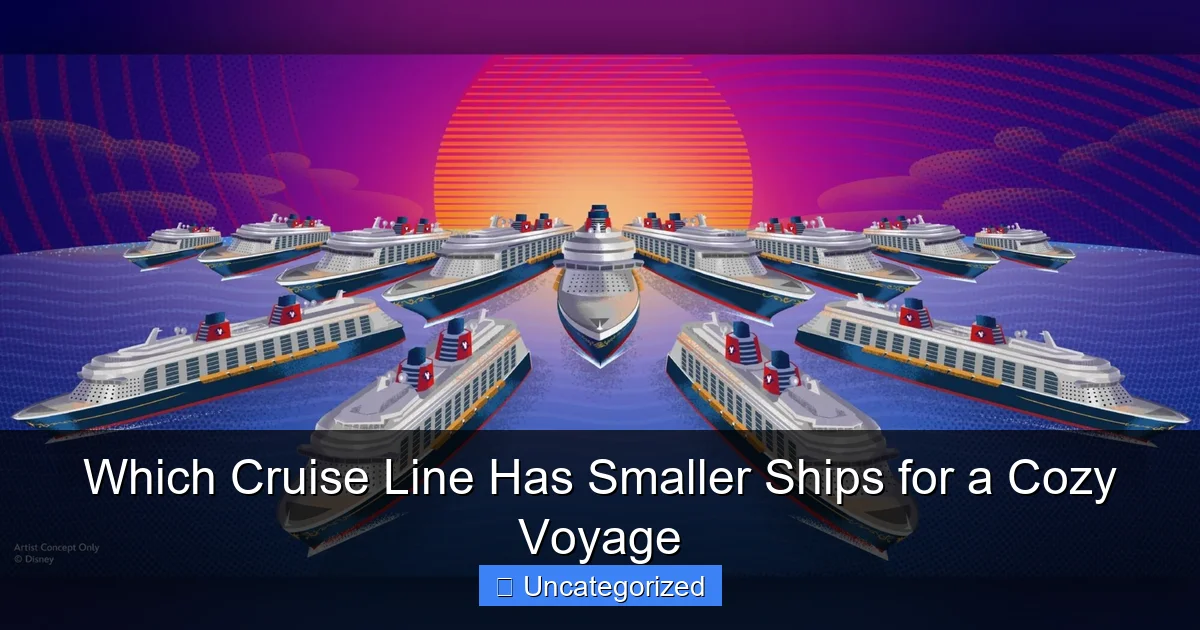
Featured image for which cruise line has smaller ships
Image source: media.wdwnt.com
For a cozy, intimate voyage, Lindblad Expeditions and UnCruise Adventures lead the pack with the smallest ships in the industry. These lines specialize in adventure-focused, low-capacity cruises (often under 100 passengers) that access remote destinations larger ships can’t reach. Their boutique vessels deliver personalized service, immersive experiences, and a true sense of exploration—perfect for travelers who value space, exclusivity, and authentic encounters over crowded megaships.
Key Takeaways
- Choose Lindblad Expeditions: Ideal for <500 guests and immersive nature-focused voyages.
- Pick Viking Cruises: Sleek 930-passenger ships with cultural enrichment programs onboard.
- Select Silversea: All-suite ships under 600 guests for ultra-luxurious intimacy.
- Opt for UnCruise Adventures: Adventure-focused vessels with <100 guests in remote regions.
- Consider Windstar Cruises: 148–310 guests with casual luxury and port flexibility.
- Book early for small ships: Limited capacity sells out quickly—reserve 9–12 months ahead.
📑 Table of Contents
- Which Cruise Line Has Smaller Ships for a Cozy Voyage
- Why Choose a Smaller Cruise Ship?
- Top Cruise Lines with the Smallest Ships
- Smaller Ships vs. Mega-Ships: A Side-by-Side Comparison
- How to Choose the Right Small-Ship Cruise Line for You
- Data Table: Small-Ship Cruise Line Comparison
- Final Thoughts: Embrace the Cozy Voyage
Which Cruise Line Has Smaller Ships for a Cozy Voyage
When it comes to cruising, most people immediately picture massive floating cities with thousands of passengers, endless entertainment options, and towering decks. But for many travelers, the idea of a more intimate, personalized, and serene experience is far more appealing. If you’re someone who values privacy, exclusivity, and the charm of smaller crowds, you’re likely asking: which cruise line has smaller ships? The answer isn’t as straightforward as it seems. While some cruise lines are known for their mega-ships—think Royal Caribbean’s Icon of the Seas with over 7,000 passengers—others specialize in vessels that carry just a few hundred guests, offering a boutique hotel-like ambiance on the high seas.
Smaller cruise ships provide a unique travel experience: fewer queues, more personalized service, access to remote and less-visited ports, and a stronger connection to the destinations you explore. Whether you’re a solo traveler, a couple seeking romance, or a family looking for a more tailored vacation, smaller vessels can transform your cruise into something truly special. In this comprehensive guide, we’ll explore the top cruise lines that specialize in smaller ships, what sets them apart, and how to choose the right one for your dream voyage. From luxury expedition cruises to riverboats and coastal explorers, we’ll dive into the details that matter most—capacity, itineraries, onboard amenities, and guest experience—so you can find the perfect cozy cruise for your next adventure.
Why Choose a Smaller Cruise Ship?
The Allure of Intimacy and Exclusivity
One of the most compelling reasons to choose a smaller cruise ship is the sense of intimacy and exclusivity it provides. Unlike large vessels where you might feel lost in a sea of people, smaller ships—often carrying between 100 and 500 passengers—foster a close-knit community. You’ll quickly recognize fellow travelers, interact with crew members by name, and enjoy a level of personal attention that’s rare on larger ships. This atmosphere is especially appealing for solo travelers, couples, or small groups who want to avoid the noise and congestion of big-ship cruising.
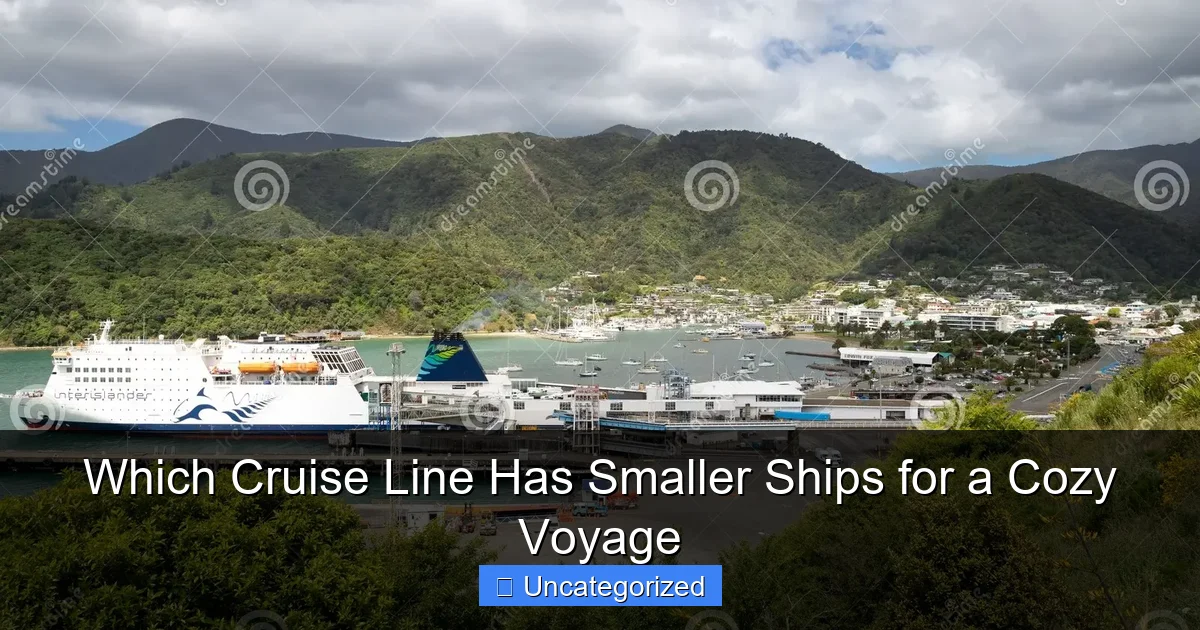
Visual guide about which cruise line has smaller ships
Image source: thumbs.dreamstime.com
For example, Silversea Cruises operates ships like the Silver Muse, which carries just 596 guests, and its expedition fleet (e.g., Silver Cloud) holds only 254 passengers. On these vessels, the crew-to-guest ratio is often 1:1 or better, meaning your every need is anticipated. This level of service creates a five-star hotel experience at sea, where privacy and comfort are prioritized.
Access to Unique and Remote Destinations
Another major advantage of smaller ships is their ability to visit ports that are off-limits to larger vessels. Many small ships can navigate narrow rivers, shallow bays, and remote island harbors where mega-ships simply cannot fit. This opens up a world of unique itineraries—think exploring the fjords of Norway, the Amazon River, or the hidden coves of the Greek Cyclades.
- Ponant’s Le Lapérouse (184 passengers) sails to Antarctica, the Arctic, and the South Pacific, often anchoring in secluded coves for zodiac landings.
- Lindblad Expeditions partners with National Geographic and operates ships like the National Geographic Sea Lion (62 guests) to access wildlife-rich areas such as Alaska’s Inside Passage and the Galápagos Islands.
- UnCruise Adventures focuses on small-group expeditions in Alaska, Hawaii, and the Sea of Cortez, with ships carrying 22 to 86 passengers—ideal for immersive, nature-focused experiences.
Enhanced Onboard Experience and Service
Smaller ships typically offer a more refined onboard experience. With fewer guests, dining becomes a relaxed affair—no crowded buffets or reservations required. Many small-ship cruise lines feature open seating, multiple gourmet dining venues, and complimentary fine wines and spirits. The entertainment is often more cultural and destination-focused, such as local music performances, cooking classes, or expert lectures by historians and naturalists.
Additionally, wellness amenities are more accessible. On a small ship, you’re never fighting for a pool chair or a spa appointment. For instance, SeaDream Yacht Club’s SeaDream I and II (each carrying 112 guests) offer a “yacht-like” experience with a marina platform, water sports, and a relaxed dress code—perfect for unwinding in style.
Top Cruise Lines with the Smallest Ships
Silversea Cruises: Luxury in Compact Form
Silversea is a leader in the small-ship luxury segment. With a fleet of nine vessels, most of which carry between 250 and 600 guests, Silversea offers an all-inclusive, ultra-premium experience. Their Silver Origin (100 guests) is designed specifically for the Galápagos, featuring floor-to-ceiling windows and a naturalist guide on every excursion.
Key features:
- All-suite accommodations with butler service
- Complimentary premium wines, spirits, and caviar
- Expert-led excursions and enrichment programs
- Intimate dining with multiple gourmet venues
Silversea’s smaller size allows it to dock in remote locations like the remote islands of French Polynesia or the iceberg-filled waters of Antarctica, offering guests a front-row seat to nature’s wonders.
Lindblad Expeditions: Adventure Meets Intimacy
Lindblad Expeditions is synonymous with small-ship adventure. In partnership with National Geographic, Lindblad operates a fleet of expedition vessels that carry between 48 and 148 guests. These ships are designed for exploration, with reinforced hulls for polar regions, hydrophones for whale watching, and a fleet of Zodiacs for shore landings.
Highlights:
- Expert naturalists and photographers on every voyage
- Interactive learning experiences (e.g., glacier studies, birdwatching)
- Flexible itineraries that adapt to wildlife sightings
- Carbon-neutral operations and sustainable practices
The National Geographic Endurance (126 guests) is a state-of-the-art polar ship with a “zero-speed” stabilizer system for smoother sailing in rough seas. It’s ideal for travelers seeking an immersive, educational cruise experience.
Ponant: French Elegance and Global Reach
French-owned Ponant blends European sophistication with small-ship flexibility. Their fleet of 13 ships includes the Le Boréal series (184 guests) and the new Ponant Explorers (135–180 guests), which feature retractable balconies and a “Blue Eye” underwater lounge with immersive hydrophone and video feeds.
Why Ponant stands out:
- All-inclusive pricing (drinks, excursions, gratuities)
- French-inspired cuisine and onboard ambiance
- Expedition-style voyages to the Arctic, Antarctic, and beyond
- Focus on sustainability and eco-friendly design
Ponant’s smaller size allows access to UNESCO World Heritage sites and remote villages, such as the Inuit communities of Greenland or the coral atolls of the South Pacific.
UnCruise Adventures: Boutique Expeditions for Nature Lovers
For travelers who want to get off the beaten path, UnCruise Adventures offers some of the smallest and most intimate cruise experiences available. Their fleet includes converted yachts and small vessels carrying 22 to 86 guests. These are not luxury liners—they’re adventure-focused, with a strong emphasis on outdoor activities and wildlife.
Sample itineraries:
- Alaska’s Glacier Bay: Kayaking among icebergs and spotting humpback whales
- Hawaiian Islands: Snorkeling with manta rays and hiking volcanic trails
- Costa Rica & Panama: Zodiac tours through mangrove forests and visits to indigenous villages
UnCruise is perfect for active travelers who want a hands-on, small-group experience with minimal crowds and maximum connection to nature.
SeaDream Yacht Club: The “Yachting” Experience
With only two ships—SeaDream I and II—SeaDream Yacht Club offers a true yachting experience. Each vessel carries just 112 guests and features a relaxed, informal atmosphere. Think open decks, casual dining, and a marina platform that lowers into the water for easy access to water sports.
Unique perks:
- Complimentary water sports (kayaking, paddleboarding, jet skiing)
- “Topside Dining” under the stars
- No formal nights or dress codes
- Intimate ports of call (e.g., St. Barts, Mykonos, Dubrovnik)
SeaDream is ideal for couples or small groups who want a laid-back, romantic cruise with a focus on relaxation and exploration.
Smaller Ships vs. Mega-Ships: A Side-by-Side Comparison
Capacity and Crowd Size
The most obvious difference between smaller and mega-ships is capacity. While mega-ships like Royal Caribbean’s Symphony of the Seas carry over 6,600 guests, small-ship cruise lines typically cap at 500 or fewer. This directly impacts the guest experience: smaller ships have shorter lines, more space per person, and a quieter atmosphere.
For example:
- A 100-guest ship like Silver Origin feels like a private yacht.
- A 2,000-guest ship like Norwegian Encore offers more entertainment but can feel crowded during peak hours.
Itinerary Flexibility and Port Access
Smaller ships can access ports that are too small, shallow, or remote for larger vessels. This means:
- More unique destinations (e.g., the Amazon River, the Kimberley in Australia)
- Longer stays in port (no need to rush back for a tight schedule)
- More spontaneous excursions (e.g., a surprise whale sighting leads to an extended Zodiac tour)
Mega-ships, by contrast, are limited to major ports like Barcelona, Miami, or Sydney, where they can dock easily. While they offer more onboard activities, their itineraries are often less adventurous.
Onboard Amenities and Dining
Mega-ships boast a dizzying array of amenities: water parks, Broadway shows, rock climbing walls, and multiple specialty restaurants. Smaller ships focus on quality over quantity. You won’t find a roller coaster, but you will find:
- Personalized service and attention to detail
- Gourmet dining with local ingredients
- Enrichment programs (e.g., wine tastings, cultural workshops)
- More space per guest for lounging and relaxation
For travelers who value peace, privacy, and authenticity over entertainment, smaller ships are the clear winner.
Price and Value
Smaller ships often come with a higher price tag due to their all-inclusive nature, premium service, and unique itineraries. However, the value is in the experience: fewer crowds, more personalized attention, and access to rare destinations. Mega-ships, while more affordable, often have hidden costs (e.g., drink packages, specialty dining fees).
For example, a 7-day Silversea cruise to the Mediterranean might cost $5,000–$7,000 per person (all-inclusive), while a similar Royal Caribbean cruise might start at $1,200 but add $1,000+ in extras.
How to Choose the Right Small-Ship Cruise Line for You
Define Your Travel Style
Before booking, ask yourself: What kind of experience do I want? Are you seeking:
- Luxury and relaxation? Go for Silversea or Ponant.
- Adventure and wildlife? Choose Lindblad or UnCruise.
- Romantic getaway? SeaDream or Windstar are ideal.
- Cultural immersion? Look at small-ship lines with expert-led tours, like Abercrombie & Kent or Viking Ocean (smaller vessels in their fleet).
Consider the Destination
Not all small-ship cruise lines sail to every region. For example:
- For the Galápagos: Silversea, Lindblad, or Quark Expeditions
- For the Arctic/Antarctic: Ponant, Lindblad, or Hurtigruten (some smaller vessels)
- For the Mediterranean: SeaDream, Windstar, or Silversea
- For Alaska: UnCruise, Lindblad, or American Safari
Research which lines offer the best itineraries for your desired destination.
Check Ship Size and Passenger Capacity
Not all “small” ships are created equal. A 200-passenger ship will feel more intimate than one with 500 guests. Use the passenger-to-space ratio (measured in gross tons per passenger) as a guide. The higher the ratio, the more space per guest. For example:
- Silversea: ~100 GT per passenger
- Ponant: ~90 GT per passenger
- UnCruise: ~60 GT per passenger (smaller but more active)
Read Reviews and Ask Questions
Before booking, read recent reviews on trusted sites like Cruise Critic or TripAdvisor. Pay attention to comments about:
- Service quality
- Food and dining
- Excursion experiences
- Onboard atmosphere
Don’t hesitate to contact the cruise line directly with questions about accessibility, dietary needs, or excursion options.
Data Table: Small-Ship Cruise Line Comparison
| Cruise Line | Avg. Ship Capacity | Best For | All-Inclusive? | Top Destinations | Passenger-to-Space Ratio (GT/passenger) |
|---|---|---|---|---|---|
| Silversea | 300–600 | Luxury, global exploration | Yes | Galápagos, Antarctica, Mediterranean | ~100 |
| Lindblad Expeditions | 48–148 | Adventure, wildlife | Yes (most) | Alaska, Galápagos, Arctic | ~85 |
| Ponant | 135–184 | French luxury, polar expeditions | Yes | Antarctica, South Pacific, Mediterranean | ~90 |
| UnCruise Adventures | 22–86 | Active, nature-focused | Yes | Alaska, Hawaii, Costa Rica | ~60 |
| SeaDream Yacht Club | 112 | Romance, relaxation | Yes | Caribbean, Mediterranean, Adriatic | ~75 |
| Windstar Cruises | 148–310 | Intimate, yacht-style | Yes | Greece, Tahiti, Panama Canal | ~80 |
Final Thoughts: Embrace the Cozy Voyage
Choosing a cruise line with smaller ships isn’t just about avoiding crowds—it’s about embracing a different kind of travel philosophy. It’s about valuing quality over quantity, depth over breadth, and connection over convenience. Whether you’re sipping champagne on a private balcony in the Galápagos, kayaking through an Alaskan fjord with a pod of orcas, or enjoying a candlelit dinner under the stars in the Mediterranean, the intimacy of a small-ship cruise transforms your journey into something truly memorable.
When answering the question “which cruise line has smaller ships?”, the answer depends on your personal preferences. If you crave luxury and global exploration, Silversea and Ponant are excellent choices. For adventure and wildlife, Lindblad and UnCruise deliver unforgettable experiences. If you want a relaxed, romantic getaway, SeaDream offers a yacht-like ambiance with all the comforts of home.
Ultimately, smaller ships offer a chance to slow down, connect with your surroundings, and rediscover the joy of travel. In a world of mega-resorts and overcrowded attractions, a cozy voyage on a small cruise ship is a refreshing reminder that sometimes, the best journeys are the quietest ones. So pack your bags, leave the noise behind, and set sail on a cruise where the sea, the sky, and the stars are yours to enjoy—intimately, peacefully, and completely.
Frequently Asked Questions
Which cruise line has smaller ships for a more intimate experience?
Cruise lines like **Lindblad Expeditions**, **UnCruise Adventures**, and **Ponant** specialize in small-ship voyages, carrying fewer than 200 passengers. These intimate vessels offer personalized service, unique itineraries, and access to remote destinations larger ships can’t reach.
What are the benefits of choosing a cruise line with smaller ships?
Smaller ships provide a cozier, more personalized experience with fewer crowds, flexible dining options, and closer access to nature and culture. They’re ideal for travelers seeking adventure, tranquility, or off-the-beaten-path destinations.
Which luxury cruise line has smaller ships with high-end amenities?
**Silversea** and **Seabourn** offer luxury small-ship cruising with all-suite accommodations, gourmet dining, and immersive excursions. Their ships typically carry 200–600 guests, blending intimacy with five-star service.
Are there budget-friendly cruise lines with smaller ships?
Yes, **UnCruise Adventures** and **Hurtigruten** provide affordable small-ship options focused on adventure and sustainability. While not luxury, they deliver unique experiences at competitive prices, often including excursions.
Which cruise line has smaller ships ideal for expedition cruising?
**Lindblad Expeditions** (partnered with National Geographic) and **Quark Expeditions** operate small, ice-class ships for polar and wildlife-focused journeys. Their vessels carry under 200 guests, ensuring minimal environmental impact and maximum exploration.
Do smaller ship cruise lines offer family-friendly options?
Some, like **American Cruise Lines**, cater to families with relaxed itineraries and onboard activities. However, most small-ship lines focus on adults or niche markets, so research age policies and amenities before booking.