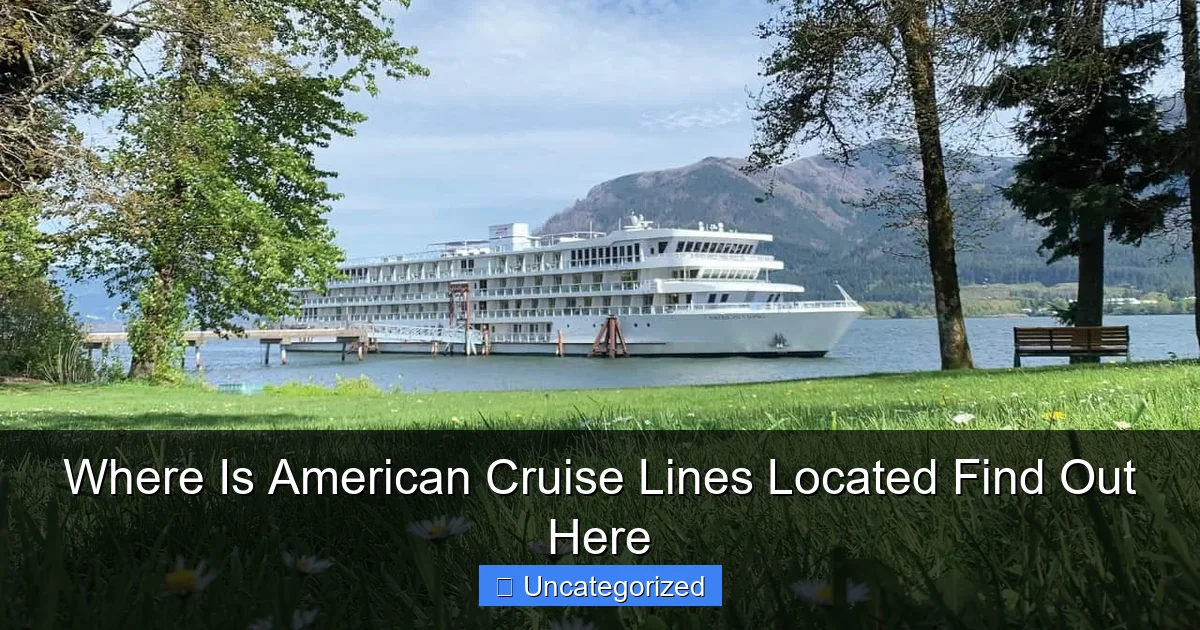
Featured image for where is american cruise lines located
Image source: cruiseradio.net
American Cruise Lines is headquartered in Guilford, Connecticut, serving as the central hub for its fleet operations and customer service. The company sails exclusively within the United States, offering scenic river, coastal, and small-ship cruises from key departure ports like New Orleans, Seattle, and Juneau. Discover where your next all-American adventure begins!
Key Takeaways
- Headquarters in Connecticut: American Cruise Lines is based in Guilford, CT.
- Pacific operations in Seattle: West Coast cruises managed from Seattle, WA.
- River cruises originate regionally: Departures vary by waterway and season.
- Check official website: Verify current office and departure locations online.
- Contact customer service: Get precise info for bookings and inquiries directly.
📑 Table of Contents
Where Is American Cruise Lines Located? Find Out Here
When planning a vacation, one of the most important factors to consider is the location and accessibility of the company you’re entrusting with your travel experience. For those interested in scenic river cruising, coastal exploration, or small-ship adventures along the United States’ most breathtaking waterways, American Cruise Lines (ACL) is a name that frequently comes up. But where is American Cruise Lines located? This is a common question among first-time cruisers, travel agents, and curious explorers alike. The answer isn’t as simple as a single city or port—because American Cruise Lines operates across a vast network of domestic waterways, with a corporate presence, homeports, and operational hubs scattered strategically across the country.
Founded in 1991, American Cruise Lines has grown into the largest U.S.-flagged cruise company, specializing in domestic itineraries that highlight the natural beauty, rich history, and cultural heritage of the American landscape. From the Mississippi River to the Alaskan fjords, from the Pacific Northwest to the East Coast, ACL’s vessels sail where many international cruise lines cannot—thanks to the Jones Act, which mandates that only U.S.-built, U.S.-owned, and U.S.-crewed vessels can carry passengers between American ports. This unique positioning makes ACL a cornerstone of American maritime tourism. In this comprehensive guide, we’ll explore the headquarters, regional offices, homeports, and key operational locations of American Cruise Lines, helping you understand not just where the company is based, but how it functions as a truly national cruise operator.
Corporate Headquarters and Main Office Locations
At the heart of American Cruise Lines’ operations lies its corporate headquarters, which serves as the nerve center for all business functions—from marketing and reservations to ship management and regulatory compliance. Understanding the location and function of these offices helps clarify how ACL manages its expansive fleet and itineraries across the U.S.
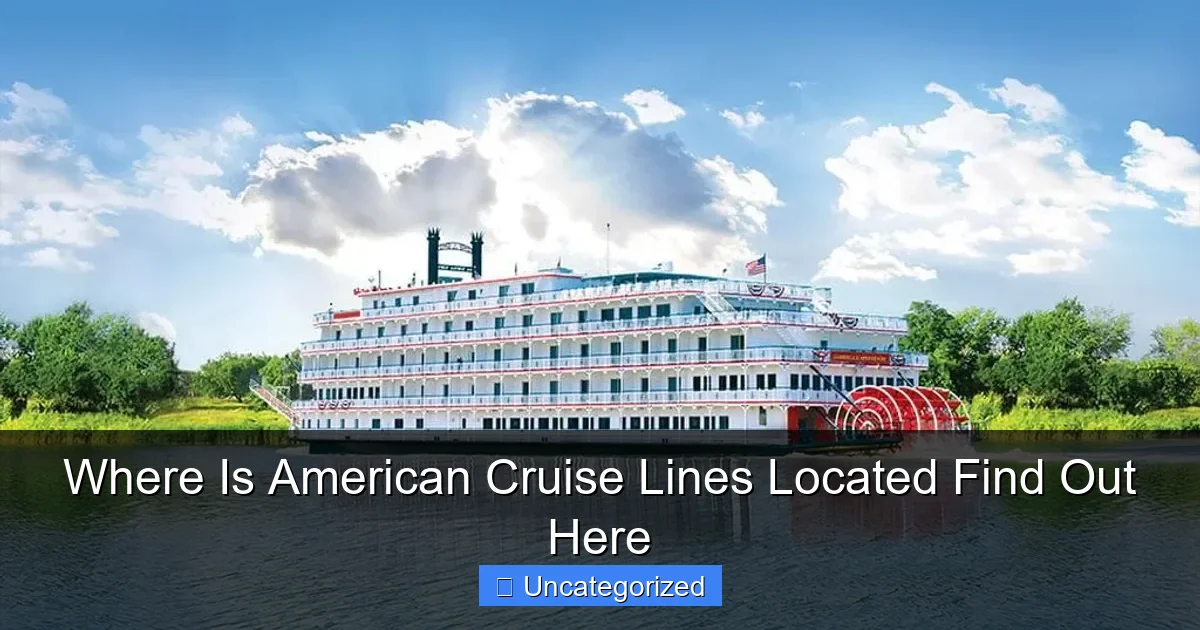
Visual guide about where is american cruise lines located
Image source: ik.imgkit.net
Guilford, Connecticut: The Primary Headquarters
The main headquarters of American Cruise Lines is located in Guilford, Connecticut, a charming coastal town in New Haven County, just a short drive from New Haven and approximately 90 minutes from New York City. The office, situated at 100 Waterfront Street, is housed in a modern, purpose-built facility that opened in the early 2000s. This location was chosen for its proximity to major transportation hubs (including Tweed-New Haven Airport and the Northeast Corridor rail line), its access to skilled maritime professionals, and its symbolic connection to the sea.
Inside the Guilford headquarters, teams manage:
- Corporate strategy and business development
- Marketing, advertising, and public relations
- Customer service and reservations
- Fleet operations and logistics
- Regulatory compliance with the U.S. Coast Guard and Department of Transportation
Guilford also hosts the company’s reservations and customer support center, which operates 24/7 during peak seasons to assist passengers with booking, itinerary changes, and onboard inquiries. The office is known for its high employee retention and strong company culture, with many staff members having worked for ACL for over a decade.
Regional and Satellite Offices Across the U.S.
While Guilford is the primary administrative hub, American Cruise Lines maintains regional offices and operational outposts in key locations to support its national fleet. These satellite offices are essential for coordinating local logistics, crew rotations, provisioning, and port operations. Notable locations include:
- Charleston, South Carolina – A strategic hub for East Coast and Southeast itineraries, including the Intracoastal Waterway and the Lowcountry region. The office here handles port coordination, local partnerships, and crew support for vessels operating in the Southeast.
- St. Louis, Missouri – Central to ACL’s Mississippi River operations, this office supports the company’s river fleet, including vessels like the American Eagle and American Heritage. It manages river-specific logistics, such as docking schedules, fuel supply, and local excursions.
- Juneau, Alaska – A seasonal office that opens during the summer cruise season (May–September) to manage ACL’s Alaskan itineraries. It coordinates with local vendors, excursion operators, and port authorities to ensure seamless operations in remote areas.
- Portland, Oregon – Supports Pacific Northwest cruises, including the Columbia and Snake Rivers. This office works closely with agricultural and tourism partners in the region.
These regional offices allow ACL to maintain a decentralized yet coordinated operational model, ensuring that each cruise region receives tailored support while remaining aligned with the company’s national standards.
Fleet Homeports and Primary Departure Cities
One of the most practical aspects of understanding “where is American Cruise Lines located” is knowing the homeports and primary departure cities for its fleet. Unlike large international cruise lines that use a handful of mega-ports (like Miami or Fort Lauderdale), ACL’s small-ship model allows it to use a wide array of regional ports—many of which are not traditional cruise destinations. This gives passengers a more authentic, localized experience and reduces congestion in major hubs.
East Coast and Southeast Homeports
The East Coast is one of ACL’s most active regions, with multiple vessels departing from ports along the Atlantic and Intracoastal Waterway. Key homeports include:
- Charleston, SC – A popular departure point for cruises along the South Carolina and Georgia coast, as well as the Intracoastal Waterway. Charleston’s historic charm and excellent port facilities make it ideal for ACL’s American Glory and American Liberty.
- Norfolk, VA – Serves as a gateway to Chesapeake Bay and the Mid-Atlantic region. The port here is used for both river and coastal itineraries.
- Port Everglades (Fort Lauderdale), FL – While ACL doesn’t operate large Caribbean itineraries, it uses Port Everglades for repositioning cruises and select coastal voyages along the Florida Keys and Gulf Coast.
- Port Canaveral, FL – Occasionally used for special itineraries and seasonal repositioning, especially for vessels transitioning between the Atlantic and Gulf of Mexico.
Tip for travelers: If you’re flying in for a cruise, Charleston and Norfolk are particularly convenient due to their proximity to major airports (CHS and ORF) and well-connected transportation options. ACL often partners with local hotels for pre-cruise stays.
Mississippi River and Inland Waterways Departures
The Mississippi River system is a cornerstone of ACL’s operations, with multiple vessels offering round-trip and one-way itineraries from cities along the river. Departure points include:
- New Orleans, LA – A cultural and logistical hub. Most Mississippi River cruises begin or end here, with ACL offering pre- and post-cruise hotel packages and city tours.
- Memphis, TN – A central point for both northbound and southbound cruises. The port is easily accessible and features modern docking facilities.
- St. Louis, MO – Departures here focus on Upper Mississippi and Ohio River itineraries, including stops in Missouri, Illinois, and Kentucky.
- Minneapolis, MN – A less common but growing departure point for Upper Mississippi cruises, especially during summer months.
ACL’s river fleet typically uses public docks and municipal riverfronts, which are less crowded than commercial cruise terminals. This allows for a more intimate boarding experience and closer access to city attractions.
Pacific Northwest and Alaska Departures
ACL’s presence in the Pacific Northwest and Alaska is seasonal but growing. Departure cities include:
- Seattle, WA – A major gateway for Columbia and Snake River cruises. Vessels like the American Constellation use Seattle as a homeport for spring and fall voyages.
- Juneau, AK – The primary departure point for Alaskan coastal cruises. ACL’s American Spirit and American Pride sail round-trip from Juneau, offering 7- to 14-day itineraries through the Inside Passage.
- Ketchikan, AK – Used occasionally for shorter, regional voyages or repositioning cruises.
Traveler tip: Alaskan cruises require careful planning. Juneau’s airport (JNU) is small, so ACL recommends booking flights with flexible change policies and allowing extra time for weather-related delays.
Ship Construction and Dry Dock Facilities
One of the unique aspects of American Cruise Lines is its commitment to building and maintaining its fleet entirely in the United States. This is a direct result of the Jones Act, which requires all domestic cruise vessels to be constructed, owned, and operated by U.S. entities. As a result, ACL has developed a robust network of shipyards and dry dock facilities across the country.
Eastern Shipbuilding Group – Panama City, Florida
The Eastern Shipbuilding Group (ESG) in Panama City, Florida, is ACL’s primary shipbuilder. ESG has constructed multiple vessels for the company, including:
- American Constellation (2017)
- American Constitution (2018)
- American Liberty (2020)
- American Legend (2023)
Located on the Gulf Coast, ESG specializes in mid-size passenger vessels and has invested heavily in modern shipbuilding techniques, including eco-friendly propulsion systems and advanced HVAC. The shipyard is approximately 100 miles from ACL’s Charleston office, allowing for close coordination during construction and sea trials.
Dry Docks and Maintenance Hubs
To keep its fleet in top condition, ACL uses a network of dry dock and maintenance facilities. Key locations include:
- Port of Mobile, AL – A major Gulf Coast dry dock facility used for routine maintenance, hull cleaning, and engine servicing. Mobile’s deep-water port and skilled workforce make it ideal for ACL’s river and coastal vessels.
- Port of Jacksonville, FL – Used for East Coast vessels requiring major overhauls or regulatory inspections. Jacksonville also offers excellent logistics for spare parts and crew transfers.
- Port of Portland, OR – Supports ACL’s Pacific Northwest fleet with dry dock services, especially for vessels operating on the Columbia River.
ACL follows a strict preventive maintenance schedule, with each vessel undergoing dry docking every 3–5 years. This ensures compliance with U.S. Coast Guard regulations and enhances passenger safety and comfort.
Innovation in Ship Design and Sustainability
ACL has invested heavily in eco-conscious ship design, including hybrid propulsion systems, solar-assisted power, and low-emission engines. The company’s newer vessels are designed for fuel efficiency and minimal environmental impact, aligning with growing consumer demand for sustainable tourism. The Panama City shipyard has been central to these innovations, with ACL working closely with naval architects and engineers to develop vessels that are both luxurious and responsible.
Key Operational Hubs and Logistics Network
Beyond offices and ports, American Cruise Lines relies on a sophisticated logistics and supply chain network to keep its vessels fully stocked, staffed, and ready to sail. This network includes provisioning centers, crew training facilities, and emergency response coordination.
Provisioning and Supply Chain Management
ACL maintains regional provisioning centers to ensure fresh, high-quality food and supplies are available at every homeport. These centers are located in:
- Louisville, KY – Central distribution hub for the Midwest and Mississippi River region. Supplies are shipped by truck or barge to river ports.
- Charleston, SC – Supports East Coast and Southeast cruises with fresh produce, seafood, and specialty items sourced from local farms and fisheries.
- Seattle, WA – Provides Pacific Northwest vessels with regionally sourced salmon, berries, and craft beverages.
The company emphasizes farm-to-ship dining, partnering with local suppliers to offer authentic regional cuisine onboard. For example, ACL’s New Orleans cruises feature gumbo and jambalaya made with Louisiana ingredients.
Crew Training and Onboarding Facilities
ACL operates a crew training and certification program based in Guilford, CT, with additional training modules conducted at regional ports. The program includes:
- U.S. Coast Guard licensing
- Customer service and hospitality training
- Safety drills and emergency procedures
- Local culture and history education for guides and staff
New crew members often complete a 2-week orientation in Guilford before being assigned to a vessel. This ensures consistency in service standards across the fleet.
Emergency Response and Medical Support
Given the remote nature of some itineraries (especially in Alaska), ACL has established a 24/7 emergency response team based in Guilford, supported by medical consultants in major cities like New Orleans and Seattle. The company maintains medical kits on all vessels and partners with local clinics and air ambulance services for evacuations if needed.
Geographic Coverage and Itinerary Regions
To fully answer “where is American Cruise Lines located,” it’s essential to understand the geographic scope of its itineraries. ACL operates in six major regions, each with unique departure points, ports of call, and seasonal schedules.
Regional Breakdown and Key Ports
The following table summarizes ACL’s main operating regions and primary homeports:
| Region | Primary Homeports | Season | Notable Vessels | Key Itineraries |
|---|---|---|---|---|
| Mississippi River | New Orleans, Memphis, St. Louis | Year-round (peak: spring/fall) | American Eagle, American Heritage | New Orleans to Memphis, Lower Mississippi, Civil War River |
| East Coast & Southeast | Charleston, Norfolk, Port Everglades | Year-round | American Glory, American Liberty | Intracoastal Waterway, Chesapeake Bay, Florida Keys |
| Pacific Northwest | Seattle, Portland | Spring & Fall | American Constellation | Columbia & Snake Rivers, Puget Sound |
| Alaska | Juneau, Ketchikan | Summer (May–Sept) | American Spirit, American Pride | Inside Passage, Glacier Bay, Kenai Fjords |
| Great Lakes | Chicago, Detroit, Milwaukee | Summer | American Star | Lake Michigan, Lake Huron, St. Lawrence Seaway |
| Gulf Coast | Mobile, Galveston | Winter & Spring | American Heritage | Texas Coast, Florida Panhandle, Mobile Bay |
This geographic diversity allows ACL to offer year-round cruising opportunities across the U.S., with each region showcasing unique landscapes, wildlife, and cultural experiences. Whether you’re exploring antebellum homes in the South or glaciers in Alaska, ACL’s network of homeports ensures you can start your journey from a convenient location.
Tips for Choosing a Departure City
- Consider flight availability – Smaller ports like Juneau or Mobile may have limited direct flights. Book early and allow buffer time.
- Check pre-cruise packages – ACL often offers hotel stays and transfers in major cities like New Orleans or Seattle.
- Think about weather – Alaska cruises are best in summer; Gulf Coast cruises in winter to avoid heat and storms.
- Use ACL’s online itinerary planner – The website allows you to filter by departure city, date, and region.
From its headquarters in Guilford, CT, to its network of homeports, shipyards, and regional offices, American Cruise Lines has built a truly national presence that reflects its mission: to bring Americans closer to their own country’s waterways. Whether you’re boarding in New Orleans, Charleston, or Juneau, you’re experiencing a company deeply rooted in U.S. maritime tradition, innovation, and hospitality. So the next time you ask, “Where is American Cruise Lines located?”—remember: it’s not just one place. It’s everywhere the rivers flow and the coastlines call.
Frequently Asked Questions
Where is American Cruise Lines located?
American Cruise Lines is headquartered in Guilford, Connecticut. The company operates a fleet of small ships and riverboats across the U.S., offering scenic domestic itineraries.
What is the main office address for American Cruise Lines?
The corporate headquarters is located at 1 Marine Park, Guilford, CT 06437. This central hub manages reservations, customer service, and cruise operations nationwide.
Where does American Cruise Lines sail from?
American Cruise Lines departs from various U.S. ports, including New York, New Orleans, Seattle, and Juneau. Their itineraries focus on domestic destinations like the Mississippi River, Alaska, and the East Coast.
Is American Cruise Lines based in the United States?
Yes, American Cruise Lines is a U.S.-based company with its headquarters in Connecticut. It specializes in all-American itineraries, with ships registered and crewed domestically.
Where can I contact American Cruise Lines customer service?
You can reach their customer service team at their Guilford, CT headquarters by phone (1-800-814-6880) or email. The office handles booking inquiries, itinerary changes, and general support.
Does American Cruise Lines have international locations?
No, American Cruise Lines focuses exclusively on U.S. waterways and maintains no international offices. All cruises are domestic, with routes spanning rivers, coasts, and intracoastal waterways.