Featured image for where do cruise lines dump their waste
Image source: cruisewithleo.com
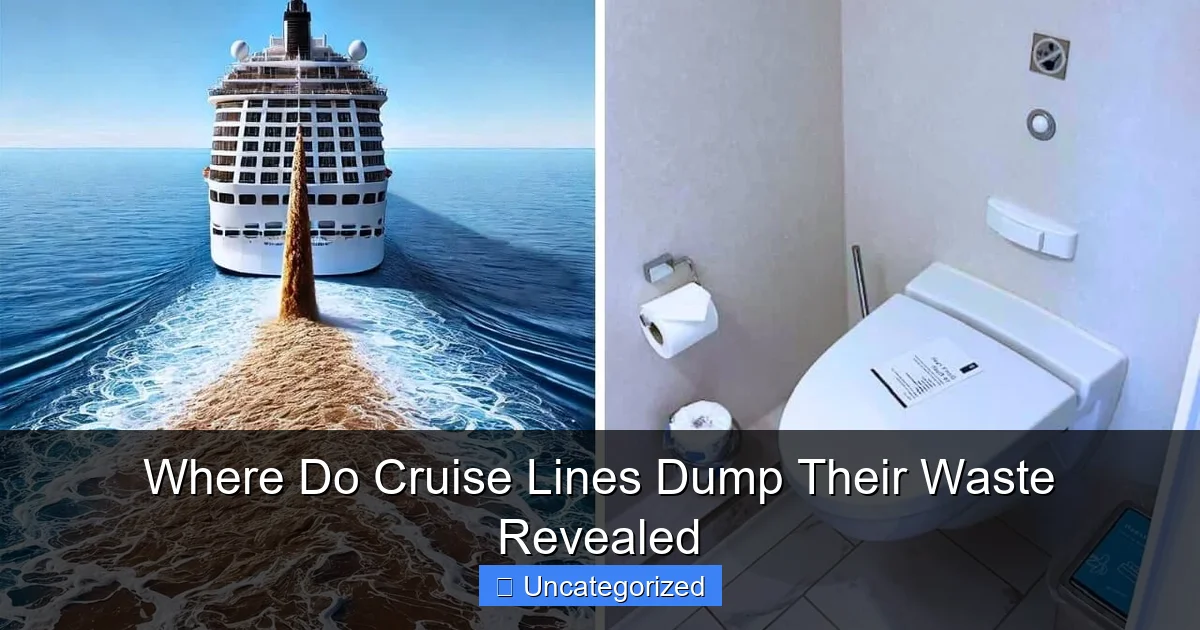
Cruise lines are legally allowed to dump treated sewage and food waste into the ocean, often just 3-12 miles from shore, under international maritime laws. Advanced wastewater treatment systems are used by major lines to minimize environmental impact, but graywater, oily bilge water, and solid waste still end up in marine ecosystems, raising concerns among environmentalists and coastal communities.
Key Takeaways
- Cruise lines must follow strict waste regulations: Legal dumping zones exist far from shorelines.
- Advanced wastewater treatment systems are mandatory: Ships process sewage before ocean discharge.
- Food waste is ground and dispersed: Only allowed in specific areas beyond 12 nautical miles.
- Plastic dumping is banned worldwide: Heavy fines enforce compliance under MARPOL laws.
- Recycling programs reduce onboard waste: Many lines partner with ports for proper disposal.
- Graywater is treated but less regulated: Can be released near coasts if deemed safe.
📑 Table of Contents
- Introduction: The Hidden Reality of Cruise Ship Waste
- How Cruise Ships Manage Waste: The Basics
- Where Cruise Lines Dump Waste: The Rules and Reality
- The Environmental Impact of Cruise Ship Waste
- Innovative Solutions and Industry Trends
- Data Table: Cruise Ship Waste Disposal Methods
- Conclusion: The Future of Cruise Ship Waste Management
Introduction: The Hidden Reality of Cruise Ship Waste
Imagine standing on the deck of a luxurious cruise ship, the ocean stretching endlessly in every direction. The sun is shining, the music is playing, and the buffet is overflowing. But beneath the glamour and excitement lies a less glamorous reality: the massive amount of waste produced by these floating cities. With thousands of passengers and crew members onboard, cruise ships generate tons of waste daily—ranging from food scraps to sewage and even hazardous materials. The question is, where do cruise lines dump their waste? The answer might surprise you.
The cruise industry is a multi-billion-dollar business, with over 30 million passengers expected to set sail in 2024 alone. These ships are like mini-metropolises, complete with restaurants, pools, and entertainment venues. But unlike cities on land, cruise ships have limited space and must deal with their waste in unique ways. While some waste is treated and recycled, a significant portion is dumped into the ocean or stored until the ship reaches a port. This practice has raised environmental concerns, leading to stricter regulations and innovative solutions. In this article, we’ll dive deep into the world of cruise ship waste management, exploring the methods, regulations, and environmental impacts.
How Cruise Ships Manage Waste: The Basics
The Types of Waste Generated
Cruise ships produce several types of waste, each requiring different handling methods. Here’s a breakdown:
Visual guide about where do cruise lines dump their waste
Image source: wl-brightside.cf.tsp.li
- Blackwater: Human sewage, typically treated before disposal.
- Greywater: Water from sinks, showers, and laundries. Often discharged directly but regulated in some areas.
- Food Waste: Organic waste from kitchens and buffets. Can be ground up and discharged or incinerated.
- Solid Waste: Plastic, paper, and other recyclables. Must be stored and offloaded at ports.
- Hazardous Waste: Batteries, paints, and medical waste. Strictly regulated and never dumped at sea.
Waste Treatment Technologies
Modern cruise ships use advanced systems to minimize environmental harm:
- Advanced Wastewater Treatment Systems (AWTS): These systems break down sewage to meet or exceed international standards before discharge. For example, Royal Caribbean’s Oasis-class ships use systems that treat wastewater to near-drinking quality.
- Incinerators: Many ships burn non-recyclable solid waste, reducing volume and eliminating pathogens. However, incineration releases CO2 and other pollutants, so it’s not a perfect solution.
- Shore-to-Ship Power: When docked, ships can plug into land-based power to reduce generator use, cutting emissions and waste.
Tip: If you’re concerned about waste, choose cruise lines that invest in cutting-edge treatment technologies. Companies like Disney Cruise Line and Norwegian Cruise Line have made significant strides in this area.
Where Cruise Lines Dump Waste: The Rules and Reality
International Regulations (MARPOL)
The International Convention for the Prevention of Pollution from Ships (MARPOL) sets the global standard for waste disposal. Key rules include:
- Blackwater: Must be treated and discharged at least 3 nautical miles from shore. Untreated sewage can’t be dumped within 12 miles.
- Greywater: No treatment required, but some regions (like Alaska) have stricter rules.
- Food Waste: Ground-up waste can’t be dumped within 3 miles of land; larger pieces are prohibited within 12 miles.
- Plastic: Never allowed to be dumped at sea, under any circumstances.
Regional and National Laws
Beyond MARPOL, some regions impose even stricter rules:
- Alaska: Requires ships to treat all wastewater to “zero discharge” standards in state waters.
- European Union: Bans greywater discharge in sensitive areas like the Baltic Sea.
- California: Prohibits blackwater discharge within 3 miles of shore and mandates advanced treatment systems.
The Reality: Enforcement and Loopholes
While regulations exist, enforcement varies. Some cruise lines have been caught violating rules, such as:
- In 2019, Carnival Cruise Line paid $20 million for illegally dumping greywater and falsifying records.
- In 2021, a Princess Cruises ship was fined for discharging food waste too close to shore.
Tip: Research a cruise line’s environmental record before booking. Look for companies with strong sustainability certifications, like Green Marine.
The Environmental Impact of Cruise Ship Waste
Marine Pollution
Even treated waste can harm marine ecosystems:
- Nutrient Pollution: Excess nutrients from greywater and sewage can cause algal blooms, depleting oxygen and killing marine life.
- Microplastics: Synthetic fibers from laundry and degraded plastics enter the food chain, harming fish and seabirds.
- Chemical Contaminants: Cleaning agents and heavy metals in greywater can accumulate in marine organisms.
Carbon Footprint
Waste management contributes to cruise ships’ carbon emissions:
- Incineration: Releases CO2, particulate matter, and toxic ash.
- Fuel Consumption: Transporting waste to ports or operating treatment systems increases fuel use.
Case Study: The Great Pacific Garbage Patch
While cruise ships aren’t the primary source of ocean plastic, their waste contributes to the problem. A 2022 study found that 0.1% of the Great Pacific Garbage Patch originated from ships, including cruise vessels. This might seem small, but it’s a reminder that even “legal” dumping has cumulative effects.
Tip: Support cruise lines that use biodegradable cleaning products and zero-waste initiatives. For example, Viking Cruises has eliminated single-use plastics fleetwide.
Innovative Solutions and Industry Trends
Zero-Discharge Ships
Some cruise lines are moving toward “zero discharge” policies:
- Hurtigruten: Their hybrid-electric ships store all waste for offloading.
- Silversea: Uses advanced treatment systems to recycle greywater for non-potable uses.
Waste-to-Energy Technologies
New technologies aim to turn waste into resources:
- Pyrolysis: Breaks down plastic waste into fuel without burning it.
- Anaerobic Digestion: Converts food waste into biogas, which can power ship systems.
Passenger Involvement
Many lines now educate passengers on waste reduction:
- Reusable Containers: Carnival’s “Clean the World” program recycles soap bars from cabins.
- Food Waste Tracking: Royal Caribbean uses AI to optimize food production and reduce leftovers.
Tip: Choose eco-conscious cruise lines and participate in onboard sustainability programs. Your choices can drive industry change.
Data Table: Cruise Ship Waste Disposal Methods
| Waste Type | Disposal Method | Regulatory Distance from Shore | Environmental Concerns |
|---|---|---|---|
| Blackwater (Sewage) | Advanced Treatment (AWTS) or Holding Tanks | 3+ nautical miles (treated); 12+ (untreated) | Nutrient pollution, pathogens |
| Greywater | Direct Discharge or Treatment | No minimum (varies by region) | Chemical contaminants, microplastics |
| Food Waste | Grinding or Incineration | 3+ miles (ground); 12+ (whole) | Attracts marine predators, nutrient imbalance |
| Solid Waste | Storage and Port Offloading | N/A (never dumped at sea) | Landfill overflow, recycling inefficiencies |
| Hazardous Waste | Port Offloading and Specialized Disposal | N/A (never dumped at sea) | Soil and water contamination |
Conclusion: The Future of Cruise Ship Waste Management
The question of where cruise lines dump their waste is complex, involving a mix of regulations, technologies, and corporate responsibility. While the industry has made progress, challenges remain. Stricter enforcement, innovative solutions, and passenger awareness are key to reducing environmental harm.
As travelers, we have the power to demand better practices. By choosing eco-friendly cruise lines, supporting zero-waste initiatives, and advocating for stronger regulations, we can help shape a cleaner, greener future for the high seas. The next time you step onboard a cruise ship, remember: the ocean’s health is in your hands.
Final Tip: Stay informed and ask questions. The more we demand transparency from cruise lines, the faster the industry will evolve.
Frequently Asked Questions
Where do cruise lines dump their waste legally?
Cruise lines primarily dispose of waste at approved onshore facilities in compliance with international regulations like MARPOL. Solid waste, treated sewage, and recyclables are offloaded at port reception facilities to prevent ocean pollution.
Do cruise ships dump waste in the ocean?
Modern cruise ships are prohibited from dumping untreated sewage or solid waste into the ocean under MARPOL Annex IV and V. Only treated wastewater (graywater) and food waste processed through macerators may be discharged under strict distance-from-shore guidelines.
How do cruise lines handle human waste?
Human waste undergoes advanced sewage treatment systems onboard, turning it into effluent that meets EPA and IMO standards. The treated waste is then either stored for onshore disposal or discharged beyond 3 nautical miles from shore, depending on local laws.
Where do cruise lines dump their waste in international waters?
In international waters, cruise lines may discharge treated graywater, food waste, and sewage effluent following MARPOL regulations. However, hazardous waste, plastics, and oily bilge water must be retained onboard for proper onshore disposal.
What happens to food waste on cruise ships?
Food waste is either pulped and discharged beyond 12 nautical miles from shore (as per MARPOL) or stored for onshore disposal. Some ships use advanced biodigesters to convert food waste into water and CO2.
Are cruise lines required to report waste disposal practices?
Yes, cruise lines must log all waste disposal activities in a Garbage Record Book, including where waste is dumped or offloaded. These records are audited by flag states and port authorities to ensure compliance with environmental laws.