
The best time for an Alaskan cruise is typically from late May to early September, when weather is mild, wildlife is active, and daylight lasts nearly all day. However, each month offers unique experiences—from spring blooms and fewer crowds in June to peak whale sightings in July and Northern Lights possibilities in late September.
Key Takeaways
- Peak Season (June–August): Ideal weather, full access to ports, abundant wildlife, and long daylight hours make this the most popular time for Alaskan cruises.
- Shoulder Seasons (May & September): Fewer crowds, lower prices, and unique seasonal highlights like spring wildflowers or fall colors and Northern Lights chances.
- Wildlife Viewing Varies by Month: Whales peak in July and August, while bears are most active in August and September near salmon runs.
- Glacier Views Are Best in Summer: Calving glaciers are most dramatic from June to August when warmer temperatures increase ice activity.
- Weather Fluctuates Year-Round: Even in summer, pack layers—Alaska’s coastal climate can shift quickly from sunny to rainy.
- Northern Lights Possible in Late Season: Cruises in late September may offer aurora sightings, especially on longer itineraries that venture farther north.
- Book Early for Best Deals and Cabins: Popular sail dates fill fast, so reserve 6–12 months ahead for prime cabins and itineraries.
📑 Table of Contents
Introduction: Why Timing Matters for Your Alaskan Cruise
Alaska isn’t just another cruise destination—it’s a wild, awe-inspiring frontier where glaciers calve into icy waters, bald eagles soar above misty fjords, and humpback whales breach just feet from your ship. But unlike tropical getaways with year-round sunshine, Alaska’s cruise season is short and highly seasonal. That’s why knowing when is the best time for an Alaskan cruise can make or break your experience.
The Alaskan cruise season typically runs from mid-May to late September, a narrow window when the weather is mild enough, the seas are calm enough, and the ports are open. Outside this period, most cruise lines don’t operate due to freezing temperatures, icy waters, and limited daylight. But even within this six-month window, each month offers a distinctly different Alaska. Whether you’re chasing the midnight sun, hoping to spot a grizzly bear fishing for salmon, or dreaming of seeing the Northern Lights dance above a glacier, your travel date plays a huge role in what you’ll see and do.
Understanding Alaska’s Cruise Season: A Month-by-Month Breakdown
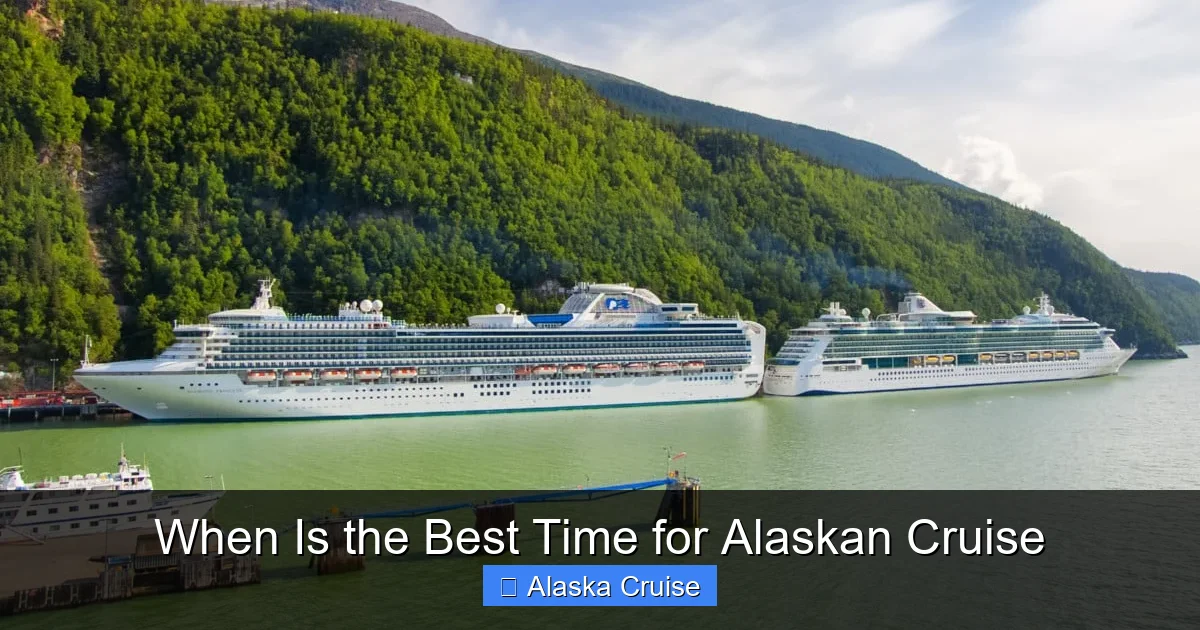
Visual guide about When Is the Best Time for Alaskan Cruise
Image source: cruisehive.com
To truly answer “when is the best time for an Alaskan cruise,” you need to understand how Alaska changes from May through September. Each month brings its own rhythm—of weather, wildlife, and natural phenomena. Let’s break it down month by month so you can match your travel style and interests to the right time.
May: The Quiet Beginning of Cruise Season
May marks the start of the Alaskan cruise season, and it’s a time of quiet beauty and emerging life. While the weather can still be chilly—especially in early May—the landscape is waking up. Snow is melting, rivers are swelling, and the first wildflowers are beginning to bloom. Daylight hours are rapidly increasing, with nearly 16–18 hours of sunlight by the end of the month.
One of the biggest draws of a May cruise is the lack of crowds. Most travelers wait for summer, so you’ll have more space on the ship, shorter lines at ports, and a more intimate experience overall. Ports like Juneau, Ketchikan, and Skagway are open, though some smaller attractions or tours may still be ramping up.
Wildlife is starting to become more active. You might see sea lions basking on rocks, early-migrating birds returning, and even the occasional whale passing through. However, bear sightings are still rare in May, as many are still emerging from hibernation and staying inland.
The downside? Weather can be unpredictable. Rain is common, and temperatures average between 40°F and 60°F (4°C to 15°C). Some inland excursions, like helicopter tours to glaciers or dog sledding, may be limited due to lingering snow. But if you don’t mind a little chill and want a more peaceful, budget-friendly trip, May is a hidden gem.
June: Spring Turns to Summer, Wildlife Wakes Up
June is when Alaska truly comes alive. The days are long—Juneau sees up to 18 hours of daylight around the summer solstice—and the weather begins to stabilize. Temperatures range from 50°F to 70°F (10°C to 21°C), making it comfortable for outdoor exploration.
This is one of the best months for seeing Alaska in full bloom. Wildflowers carpet the hillsides, waterfalls are at their peak flow from melting snow, and the forests are lush and green. It’s also a fantastic time for wildlife viewing. Humpback whales, orcas, and porpoises are frequently spotted in coastal waters, and sea otters and seals are common along the shorelines.
Birdwatchers will love June. Bald eagles, puffins, and a variety of seabirds are nesting and active. On land, black and brown bears begin to appear near coastal areas, especially in places like Admiralty Island near Juneau, known as “Fortress of the Bears.”
Cruise ships are more frequent in June, and the ports are bustling, but it’s still not as crowded as July or August. This makes June a sweet spot for travelers who want great weather, vibrant scenery, and fewer crowds. It’s also a popular time for families, as school is still in session for many, so kids’ programs on board are well-staffed and engaging.
July: Peak Season for Weather, Wildlife, and Crowds
July is the heart of the Alaskan cruise season—and for good reason. This is when the weather is at its most reliable, the wildlife is at its most active, and the scenery is absolutely stunning. If you’re looking for the classic Alaskan cruise experience, July is hard to beat.
Temperatures hover between 55°F and 75°F (13°C to 24°C), and rain is less frequent than in spring. The long daylight hours—up to 19 hours in some areas—mean you can pack a lot into each day. Many cruisers describe July as the “golden month” for Alaska.
Wildlife sightings are at their peak. Humpback whales are everywhere, often putting on spectacular shows with breaching and tail slapping. Orcas are frequently seen in the Inside Passage, and sea lions and seals are common. On land, bears are highly visible, especially in areas like Katmai National Park or along the Brooks River, where they gather to catch salmon.
Glaciers are also at their most dramatic in July. The warmer temperatures cause more calving—when massive chunks of ice break off into the water—creating thunderous splashes and icebergs that float past your ship. Glacier Bay National Park and Hubbard Glacier are particularly impressive this time of year.
The downside? July is the busiest month. Ships are full, ports are crowded, and popular excursions—like whale-watching tours or helicopter rides—book up fast. Prices are at their highest, and you’ll need to reserve well in advance. But if you don’t mind the crowds and want the full Alaska experience, July is the time to go.
August: Summer’s Final Hurrah and Bear Season
August is still peak season, but it brings a slightly different energy. The weather remains excellent, with temperatures similar to July, though there’s a slight increase in rain as summer winds down. The crowds begin to thin slightly toward the end of the month, making it a great option for those who want summer conditions without the peak July rush.
One of the biggest draws of August is bear season. As salmon begin their annual run upstream, bears—especially brown bears and grizzlies—gather along rivers and streams to feast. This is one of the best times of year to see bears in action, and many cruise itineraries include stops or excursions to prime bear-viewing areas like Kodiak Island or the Katmai Coast.
Whale activity remains strong in August, particularly for humpbacks and orcas. Sea otters, seals, and sea lions are also commonly seen. Birdlife is still abundant, though some species begin migrating south by late August.
Glaciers continue to calve dramatically, and the long daylight hours allow for extended exploration. However, by late August, the first hints of fall begin to appear—especially in the northern regions. You might see the earliest autumn colors in the tundra or mountains, adding a new layer of beauty to the landscape.
August is also a great time for outdoor adventures. Hiking, kayaking, and ziplining are all popular, and the trails are in prime condition. Just be sure to book excursions early, as August is still a busy month.
September: Fall Colors, Northern Lights, and Fewer Crowds
September marks the end of the cruise season, and it’s a time of transition. The weather begins to cool, with temperatures ranging from 40°F to 60°F (4°C to 15°C), and rain becomes more frequent. However, September offers some unique rewards that make it a favorite among seasoned Alaskan travelers.
One of the biggest draws is the fall foliage. While Alaska doesn’t have the dense forests of New England, the tundra and alpine areas burst into brilliant shades of gold, red, and orange. Places like Denali National Park and the Tongass National Forest offer stunning autumn views, especially in early September.
Wildlife is still active. Bears are busy fattening up for winter, and salmon runs are in full swing. Whale sightings are still possible, though they begin to taper off by mid-September. However, one of the most exciting possibilities in September is the chance to see the Northern Lights. As nights grow longer and darker, especially in late September, the aurora borealis becomes visible in northern regions like Fairbanks or on extended cruise itineraries that venture into the Arctic Circle.
Crowds are significantly lower in September, and prices drop considerably. You’ll have more space on the ship, shorter lines at ports, and a more relaxed atmosphere. Some smaller ports or attractions may begin to close for the season, so check your itinerary carefully. But for travelers seeking solitude, stunning scenery, and a chance at the aurora, September is a magical time to cruise Alaska.
Factors to Consider When Choosing Your Cruise Date
Now that you know what each month offers, how do you decide when is the best time for an Alaskan cruise for your specific trip? Here are the key factors to weigh.
Weather and Climate
Alaska’s weather is famously unpredictable, even in summer. Coastal areas like Ketchikan and Juneau are rainforest regions, so rain is always a possibility. However, July and August are generally the driest and warmest months. If you’re sensitive to cold or rain, aim for mid-summer.
That said, “warm” in Alaska is relative. Even in July, you’ll want layers—lightweight jackets, waterproof shells, and warm sweaters. Pack for versatility, and don’t forget gloves and a hat, especially for glacier viewing, where wind chill can drop temperatures quickly.
Wildlife Viewing Opportunities
Your wildlife goals should heavily influence your travel date. If whales are your top priority, July and August are best. For bears, August and September are ideal. Birdwatchers will love June, when migratory species are most active. And if you’re hoping to see the Northern Lights, late September is your best bet—though visibility depends on solar activity and clear skies.
Glacier and Scenic Views
Glaciers are visible throughout the cruise season, but calving is most dramatic in summer when warmer temperatures cause more ice to break off. Hubbard Glacier and Glacier Bay are particularly impressive from June to August. If glacier viewing is a must, avoid May and September, when ice activity is lower.
Crowds and Pricing
Peak season (June–August) means higher prices and more people. If you’re on a budget or prefer quieter experiences, consider May or September. Shoulder-season cruises often come with discounts, and you’ll have more space to enjoy the views and amenities.
Daylight Hours
One of Alaska’s unique features is the extreme daylight in summer. In June and July, the sun barely sets—creating the “midnight sun” phenomenon. This allows for extended sightseeing and photography. In September, nights grow longer, which is great for stargazing and aurora hunting but means less daylight for activities.
Itinerary and Port Availability
Not all ports are open all season. Smaller communities or seasonal attractions may close in May or September. Check your cruise line’s itinerary carefully. Some extended or expedition cruises venture farther north and may only operate in summer due to ice conditions.
Tips for Planning Your Perfect Alaskan Cruise
No matter when you go, a little planning goes a long way. Here are some practical tips to help you make the most of your trip.
Book Early for the Best Selection
Popular sail dates—especially in July—sell out fast. If you have your heart set on a specific ship, cabin type, or itinerary, book 6–12 months in advance. Early bookings often come with perks like onboard credit or free upgrades.
Choose the Right Cabin
For Alaska, a balcony cabin is worth the extra cost. You’ll want to be outside for glacier viewing, whale watching, and soaking in the scenery. If a balcony isn’t in your budget, aim for an ocean-view cabin with a large window.
Pack Smart
Layering is key. Bring a waterproof jacket, warm layers, comfortable walking shoes, and binoculars. Don’t forget sunscreen and sunglasses—the sun reflects strongly off snow and water. And if you’re traveling in September, pack a headlamp for aurora viewing.
Book Shore Excursions in Advance
Popular tours—like whale watching, bear viewing, or helicopter glacier landings—fill up quickly. Book them as soon as your cruise is confirmed to avoid disappointment.
Be Flexible with Your Expectations
Alaska is wild and unpredictable. Weather can change in minutes, and wildlife sightings are never guaranteed. Embrace the adventure, and remember that even a rainy day in Ketchikan can be magical with the right mindset.
Conclusion: Finding Your Perfect Alaska Moment
So, when is the best time for an Alaskan cruise? The answer depends on what you’re looking for. If you want ideal weather, peak wildlife, and the full Alaska experience, July is your best bet. If you prefer fewer crowds, lower prices, and the chance to see spring blooms or fall colors, May or September might be perfect. June offers a balance of great conditions and manageable crowds, while August is ideal for bear lovers.
Ultimately, there’s no single “best” time—only the best time for you. Alaska rewards flexibility, curiosity, and a sense of adventure. Whether you’re standing on the deck as a glacier calves into the sea, spotting a humpback whale breach at sunset, or watching the Northern Lights ripple across a dark September sky, the memories you make will last a lifetime.
Start planning your journey today—and get ready to fall in love with the Last Frontier.
Frequently Asked Questions
What is the best month for an Alaskan cruise?
July is widely considered the best month for an Alaskan cruise due to ideal weather, peak wildlife activity, and long daylight hours. However, June and August are also excellent, with slightly fewer crowds in August.
Can you see the Northern Lights on an Alaskan cruise?
Yes, but only in late September, when nights are longer and darker. Northern Lights sightings are more likely on extended itineraries that venture farther north, such as those including Fairbanks or the Arctic Circle.
Is it cold on an Alaskan cruise in summer?
Summer temperatures range from 50°F to 75°F (10°C to 24°C), but it can feel colder near glaciers or on windy days. Layering is essential—bring a waterproof jacket, sweater, and warm accessories.
Are Alaskan cruises crowded in June?
June is busy but less crowded than July. You’ll still find plenty of people at popular ports, but lines are shorter and the overall experience feels more relaxed compared to peak summer months.
What wildlife can you see on an Alaskan cruise?
Common sightings include humpback whales, orcas, sea otters, seals, bald eagles, and bears. Whale activity peaks in July and August, while bears are most visible in August and September during salmon runs.
Do Alaskan cruises operate year-round?
No, most Alaskan cruises run from mid-May to late September. Outside this window, ports are closed, weather is harsh, and daylight is limited, making cruising impractical.