
The best time to take an Alaskan cruise is from late May to early September, when weather is mild, wildlife is active, and daylight lasts up to 18 hours. While July and August offer peak conditions, shoulder months like June and September provide fewer crowds and lower prices with still-great experiences.
Planning an Alaskan cruise is like preparing for a grand adventure—one filled with towering glaciers, breaching whales, misty fjords, and towns steeped in gold rush history. But before you start dreaming of zodiac rides through icy waters or sipping hot cocoa while watching a glacier calve, there’s one crucial question to answer: *When is the best time to take an Alaskan cruise?*
The answer isn’t one-size-fits-all. It depends on what you value most—perfect weather, fewer crowds, lower prices, or peak wildlife sightings. Alaska’s cruise season is relatively short, running from May through September, but each month offers a unique flavor of the Last Frontier. Some travelers crave the long, sun-drenched days of July, while others prefer the crisp air and golden light of September.
In this guide, we’ll break down the pros and cons of each month, help you understand Alaska’s seasonal rhythms, and give you practical tips to choose the ideal time for your cruise. Whether you’re a first-time cruiser or a seasoned Alaskan explorer, this article will help you plan a trip that matches your travel style, budget, and bucket-list goals.
Key Takeaways
- Peak season (July–August): Warmest weather, longest days, and full access to ports and excursions—but also the busiest and most expensive time.
- Shoulder seasons (May–June and September): Fewer crowds, lower prices, and still excellent wildlife viewing and scenery, with slightly cooler temps.
- Wildlife viewing peaks in June and July: Humpback whales, orcas, bears, and puffins are most active during summer months.
- Northern Lights are not visible: Despite Alaska’s reputation, auroras are rarely seen on cruises due to constant daylight in summer.
- Glacier viewing is best in July and August: Calving glaciers are most dramatic when temperatures rise and ice breaks off.
- Book early for peak dates: Cruises fill up fast in summer—reserve 6–12 months in advance for best cabin selection and prices.
- Pack layers regardless of month: Weather can change quickly; waterproof gear and warm clothing are essential even in summer.
📑 Table of Contents
Understanding Alaska’s Cruise Season
Alaska’s cruise season is tightly bound to its extreme northern climate. Unlike tropical destinations that welcome visitors year-round, Alaska’s short summer window—roughly May through September—is the only time when ports are ice-free, wildlife is active, and daylight is abundant. Most major cruise lines, including Holland America, Princess, Norwegian, and Royal Caribbean, operate during this period, with itineraries typically ranging from 7 to 14 days.
The season is often divided into three phases: early season (May–early June), peak season (mid-June–August), and late season (September). Each phase has its own rhythm, influenced by temperature, daylight, wildlife behavior, and tourism demand.
Why the Season Is So Short
Alaska’s geography plays a big role. Located in the far northwest of North America, the state experiences long, harsh winters with heavy snowfall and frozen waterways. By late September, temperatures begin to drop, and daylight shrinks rapidly. Ports like Skagway and Ketchikan may close or reduce services, and cruise ships reposition to warmer regions like the Caribbean or Mexico.
Additionally, many of Alaska’s natural attractions—like glaciers and wildlife—are most accessible and visible during the summer melt. Glaciers calve more dramatically in warmer months, and animals like bears and whales are actively feeding before winter hibernation or migration.
How Cruise Lines Schedule Their Itineraries
Cruise lines carefully plan their Alaska schedules to maximize passenger experience. Most 7-night itineraries follow a classic route: departing from Seattle or Vancouver, then sailing north through the Inside Passage with stops in Juneau, Skagway, Ketchikan, and often Glacier Bay or Hubbard Glacier. Some longer cruises venture into the Gulf of Alaska, visiting Seward or Whittier and offering access to Kenai Fjords National Park.
Peak months see the highest frequency of departures, with multiple ships sailing weekly. In contrast, May and September have fewer sailings, and some smaller ships or luxury lines may only operate during these shoulder months.
Peak Season: July and August
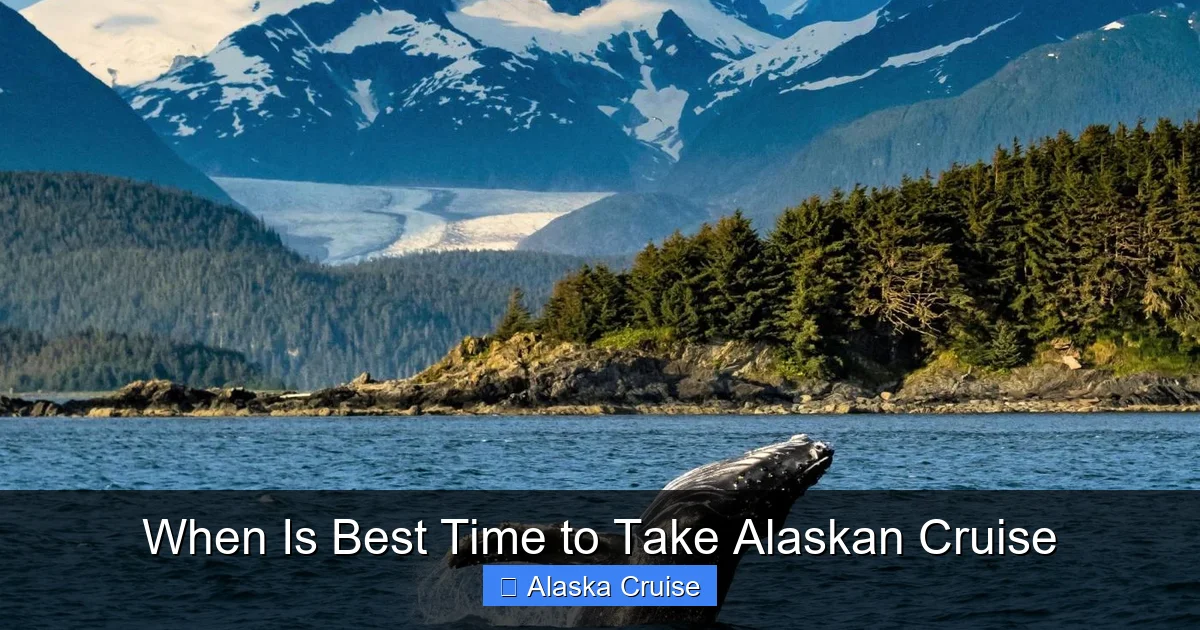
Visual guide about When Is Best Time to Take Alaskan Cruise
Image source: touristsecrets.com
If you’re looking for the quintessential Alaskan cruise experience—warm weather, long days, and full access to excursions—July and August are your best bets. These two months are considered the peak of the cruise season, and for good reason.
Weather and Daylight
During July and August, daytime temperatures in coastal Alaska typically range from 55°F to 70°F (13°C to 21°C), though it can feel cooler on the water or in shaded areas. Nights are mild, rarely dropping below 50°F (10°C). Rain is common—Alaska’s coastal regions are temperate rainforests—so packing a waterproof jacket is essential.
But the real star of summer is the daylight. In Juneau, the sun rises around 4:00 AM and sets after 10:00 PM in July. This extended daylight allows for longer shore excursions, more time on deck, and the chance to explore ports well into the evening.
Wildlife and Glacier Viewing
Summer is prime time for wildlife. Humpback whales migrate north to feed in Alaska’s nutrient-rich waters, and July is one of the best months to see them breaching or bubble-net feeding. Orcas, sea lions, and porpoises are also frequently spotted. On land, brown bears are active along salmon streams, especially in areas like Admiralty Island near Juneau.
Glaciers are at their most dynamic in July and August. As temperatures rise, glaciers like Margerie and Johns Hopkins in Glacier Bay National Park calve more frequently, sending massive ice chunks crashing into the sea. These events are not only awe-inspiring but also a key part of the Alaskan cruise experience.
Drawbacks of Peak Season
The main downside? Crowds. July and August are the busiest months, with cruise ships often sailing at full capacity. Popular excursions—like helicopter tours to glaciers or whale-watching boats—can book up months in advance. Ports like Skagway and Ketchikan can feel congested, especially on days when multiple ships are in town.
Prices are also at their highest. Cruise fares, airfare to Seattle or Vancouver, and shore excursions all come at a premium. If you’re on a budget, this may not be the ideal time.
Tips for Traveling in Peak Season
– Book your cruise and excursions at least 6–12 months in advance.
– Consider a smaller ship or luxury line for a more intimate experience.
– Arrive in port cities a day early to avoid travel delays and explore at your own pace.
– Pack layers and rain gear—weather can shift quickly, even in summer.
Shoulder Seasons: May–June and September
For travelers seeking a balance of good weather, fewer crowds, and lower prices, the shoulder seasons—early summer (May–June) and early fall (September)—are excellent alternatives. These months offer many of the same Alaskan wonders as peak season, often with a more relaxed pace.
Early Season: May and Early June
May marks the start of the cruise season, and while it’s still early, the weather is generally mild. Temperatures range from 45°F to 65°F (7°C to 18°C), and daylight increases rapidly—by late May, the sun is up for nearly 17 hours.
Wildlife is beginning to stir. Bears emerge from hibernation and can be seen foraging along coastlines. Whales start arriving in May, though sightings may be less frequent than in July. Glaciers are still impressive, though calving activity is slightly reduced compared to mid-summer.
One advantage of early season travel is the lower cost. Cruise fares are often 20–30% cheaper than in July or August, and airfare to gateway cities like Seattle is more affordable. You’ll also encounter fewer tourists, making for a more peaceful experience in ports like Haines or Wrangell.
However, some excursions may not yet be operating at full capacity. Helicopter tours or dog sledding on glaciers (which require snow) are more reliable in May than in September.
Late Season: September
September is a hidden gem for Alaskan cruising. The summer rush has faded, but the weather remains pleasant, with daytime temperatures ranging from 50°F to 65°F (10°C to 18°C). The crisp air and golden light create stunning photo opportunities, especially in forested areas like Tongass National Forest.
Wildlife is still active. Bears are busy feeding on late-season salmon, and whales may still be present, especially in early September. Migratory birds begin their journey south, adding to the natural spectacle.
One of the biggest draws of September is the fall foliage. While not as dramatic as in New England, Alaska’s coastal forests turn vibrant shades of yellow, orange, and red, particularly in areas like Ketchikan and Haines.
The main trade-off? Shorter days. By late September, daylight drops to about 12 hours, and the first frost may appear. Some ports reduce hours or close attractions, and a few cruise lines end their Alaska season by mid-September.
Tips for Shoulder Season Travel
– Pack warm layers and a good rain jacket—weather can be unpredictable.
– Check excursion availability in advance, as some may have limited schedules.
– Consider a cruise that includes a land tour (e.g., Denali National Park) for a fuller Alaskan experience.
– Book early for September sailings, as they often sell out due to their popularity.
Wildlife Viewing by Month
One of the biggest reasons people cruise Alaska is to see its incredible wildlife. From breaching whales to grizzly bears fishing for salmon, the state offers some of the best wildlife viewing in North America. But timing matters—different animals are active at different times of the year.
Whales: June to August
Humpback whales are the stars of the Alaskan cruise. They arrive in May and stay through September, but June, July, and August offer the highest chances of sightings. Look for them in areas like Icy Strait Point (near Hoonah) and Stephens Passage. Orcas are less common but can be spotted in July and August, especially near the outer coast.
Bears: May to September
Brown bears (including grizzlies) are most visible from May through September. In May and June, they’re often seen along coastlines foraging for clams or grazing on sedge grass. By July and August, they congregate near salmon streams, particularly in areas like Pack Creek on Admiralty Island. September is prime time for bear viewing as they prepare for hibernation.
Birds: May to August
Alaska is a birdwatcher’s paradise. Puffins nest on coastal cliffs from May to August, with peak activity in June and July. Bald eagles are common year-round, but summer offers the best chances to see them fishing or nesting. Migratory species like sandhill cranes and Arctic terns pass through in spring and fall.
Marine Life: Year-Round, But Best in Summer
Sea lions, harbor seals, and porpoises are frequently seen from the ship. Steller sea lions are often spotted on rocky outcrops near Ketchikan and Juneau. In July and August, you may even see sea otters floating on their backs, cracking shellfish with rocks.
Glacier Viewing and Calving Activity
No Alaskan cruise is complete without seeing a glacier. These ancient rivers of ice are among the most iconic sights in the state, and the experience of watching a glacier calve—when a chunk of ice breaks off and crashes into the water—is unforgettable.
Best Glaciers to See
– **Glacier Bay National Park:** A UNESCO World Heritage Site, this park is home to over a dozen tidewater glaciers, including the famous Margerie and Lamplugh Glaciers. Most cruise ships spend a full day here, often with a park ranger on board to provide commentary.
– **Hubbard Glacier:** One of the largest glaciers in North America, Hubbard Glacier is known for its dramatic calving events. Ships typically sail close to the face of the glacier, offering breathtaking views.
– **Tracy Arm and Endicott Arm:** These fjords near Juneau feature towering cliffs and active glaciers like Sawyer and Dawes. Smaller ships or expedition cruises often navigate these narrow waterways.
When Is Calving Most Active?
Glacier calving is most frequent in July and August, when warmer temperatures cause ice to melt and fracture. However, calving can happen any time of year—it’s a natural process driven by gravity and tidal forces. That said, summer offers the best combination of accessibility and activity.
Tips for Glacier Viewing
– Choose a cruise that includes Glacier Bay or Hubbard Glacier—these are the most reliable for glacier sightings.
– Bring binoculars to see details like ice caves and wildlife on the glacier’s face.
– Be prepared for cold, windy conditions near the glacier—dress warmly even in summer.
– Listen for the sound of calving—it’s often described as a thunderous crack or rumble.
Packing Tips for Any Month
No matter when you go, packing for an Alaskan cruise requires preparation. The weather can change quickly, and you’ll want to be ready for rain, wind, and cooler temperatures—even in summer.
Essential Items to Pack
– **Waterproof jacket and pants:** A must for rain and spray from glaciers or whale watching.
– **Layered clothing:** Pack thermal base layers, fleece or wool mid-layers, and a warm outer shell.
– **Comfortable walking shoes:** Non-slip soles are ideal for wet decks and uneven terrain in ports.
– **Binoculars:** Essential for wildlife and glacier viewing.
– **Sunscreen and sunglasses:** The sun can be strong, especially on water.
– **Camera with extra batteries:** Cold weather drains batteries quickly.
– **Motion sickness remedies:** The waters can be choppy, especially near glaciers.
What Not to Pack
– Heavy winter coats: Unless you’re doing a land tour in Denali, you won’t need extreme cold weather gear.
– Open-toed shoes: Not practical for deck walks or shore excursions.
– Excessive formal wear: Most cruise dinners are casual or smart casual.
Conclusion
So, when is the best time to take an Alaskan cruise? The answer depends on your priorities. If you want the warmest weather, longest days, and full access to excursions, **July and August** are ideal. But if you prefer fewer crowds, lower prices, and a more peaceful experience, consider **May–June or September**.
Each month offers a unique slice of Alaska—from the awakening of spring in May to the golden glow of fall in September. Wildlife, glaciers, and scenery are spectacular throughout the season, and with the right planning, any time can be the perfect time.
The key is to book early, pack smart, and stay flexible. Alaska is a land of surprises, and the best part of your cruise might be something you didn’t expect—a pod of orcas swimming alongside the ship, a bear cub playing near a stream, or the quiet beauty of a misty fjord at dawn.
No matter when you go, an Alaskan cruise is more than a vacation—it’s an adventure into one of the last great wildernesses on Earth.
Frequently Asked Questions
Can you see the Northern Lights on an Alaskan cruise?
No, the Northern Lights are rarely visible on summer Alaskan cruises due to nearly 24-hour daylight from May to August. Auroras are best seen in winter, but cruise ships don’t operate then.
Is it cold on an Alaskan cruise in July?
It’s generally mild, with daytime temperatures between 55°F and 70°F. However, it can feel cooler on the water or near glaciers, so layers are essential.
Are there mosquitoes on Alaskan cruises?
Mosquitoes are more common on land tours or in forested areas, but they’re rarely a problem on the ship or in coastal towns. Bring repellent for shore excursions.
Do I need a passport for an Alaskan cruise?
If your cruise departs and returns to the same U.S. port (e.g., Seattle), a passport is not required but highly recommended. For cruises starting in Canada, a passport is mandatory.
Can you go whale watching on an Alaskan cruise?
Yes! Many ships offer whale-watching excursions, especially in areas like Icy Strait Point and Stephens Passage. Sightings are most common from June to August.
Are Alaskan cruises family-friendly?
Absolutely. Most cruise lines offer kids’ programs, family-friendly excursions, and educational activities. Just be sure to choose age-appropriate shore tours.