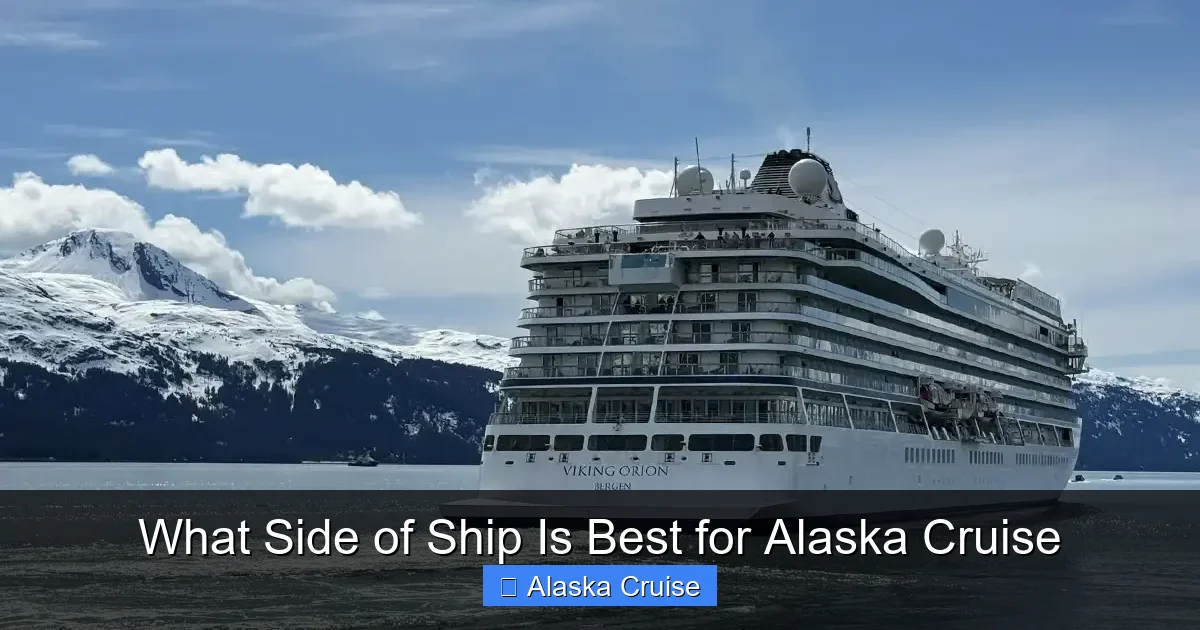
Choosing the best side of the ship for your Alaska cruise can dramatically enhance your experience. While there’s no one-size-fits-all answer, understanding route direction, scenic highlights, and wildlife patterns helps you pick the optimal side for views, comfort, and photo opportunities.
Key Takeaways
- Starboard (right) side often faces south and offers better views on southbound routes. This side typically provides sun exposure and scenic coastal views as the ship travels toward popular ports like Juneau and Ketchikan.
- Port (left) side is ideal for northbound cruises and glacier viewing. On northbound itineraries, the port side faces inland fjords and glaciers, offering front-row seats to towering ice formations.
- Glacier Bay National Park views depend on the ship’s turning pattern. Most ships rotate 360 degrees, so both sides get glacier views—but early positioning matters for unobstructed photos.
- Wildlife sightings vary by side based on current and wind direction. Marine mammals like whales and sea lions often appear on the sunlit or leeward side, which changes daily.
- Sunrise and sunset views differ significantly by cabin side. East-facing cabins catch morning light, while west-facing ones offer stunning Alaskan sunsets over the water.
- Cabin location matters more than side for overall comfort. Mid-ship, lower-deck cabins reduce motion sickness, which is especially helpful in rough Inside Passage waters.
- Flexibility and onboard announcements enhance your experience. Cruise staff often share real-time updates on which side offers the best views, so staying alert pays off.
📑 Table of Contents
- Why the Side of Your Ship Matters in Alaska
- Understanding Port vs. Starboard: The Basics
- Route Direction: Northbound vs. Southbound Cruises
- Glacier Viewing: The Ultimate Alaska Highlight
- Wildlife Spotting: Which Side Gets the Best Sightings?
- Cabin Selection: Balancing View, Comfort, and Cost
- Practical Tips for Maximizing Your Alaska Cruise Experience
- Conclusion: There’s No Wrong Side—Just the Right Preparation
Why the Side of Your Ship Matters in Alaska
When you’re cruising through the pristine waters of Alaska, every moment feels cinematic. Towering glaciers calve into icy waters, humpback whales breach in the distance, and snow-capped mountains rise sharply from the sea. But here’s a little-known secret: *where you are on the ship* can make a big difference in what you see and how you experience it.
Unlike tropical cruises where the ocean stretches endlessly in all directions, Alaska’s coastline is rugged, narrow, and full of dramatic turns. Ships navigate tight fjords, weave between islands, and pass close to shorelines teeming with wildlife. Because of this, one side of the ship often offers far better views than the other—especially during key scenic moments like glacier viewing or wildlife sightings.
Many first-time cruisers assume it doesn’t matter which side their cabin is on. After all, you can always walk to the other side of the deck, right? While that’s true, having a cabin or balcony on the “right” side means you can enjoy stunning views from the comfort of your room, without battling crowds on the outer decks. Plus, early mornings and late evenings—prime times for wildlife and lighting—are best enjoyed from a private space.
So, how do you choose? The answer depends on your cruise direction, itinerary, and personal preferences. Let’s break it down so you can make the most of your Alaskan adventure.
Understanding Port vs. Starboard: The Basics
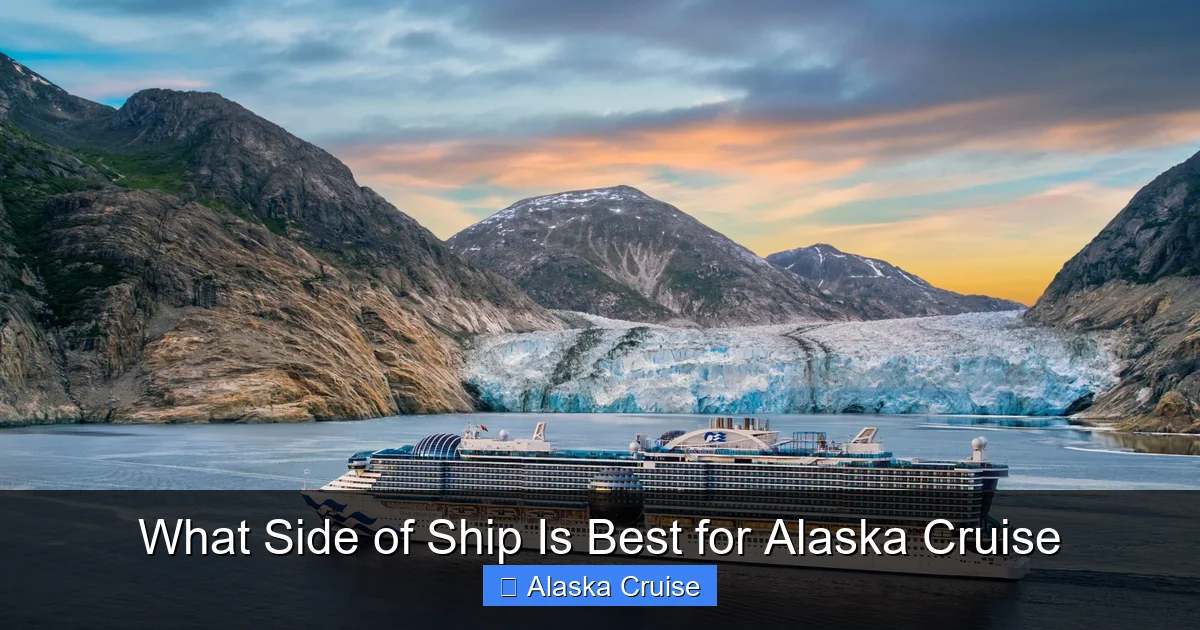
Visual guide about What Side of Ship Is Best for Alaska Cruise
Image source: thepointsguy.global.ssl.fastly.net
Before diving into which side is best, let’s clarify a few nautical terms. In sailing and cruising, “port” and “starboard” are the standard terms for left and right—but only when you’re facing the front (bow) of the ship.
– Port side: The left side of the ship when facing forward.
– Starboard side: The right side of the ship when facing forward.
These terms are used universally in maritime contexts because “left” and “right” can be confusing when directions change. Knowing these terms helps when reading deck plans, listening to crew announcements, or discussing cabin locations with travel agents.
Now, why does this matter in Alaska? Because most Alaska cruises follow a general north-south or south-north route along the Inside Passage. Whether your ship is heading north (from Seattle or Vancouver to Seward or Whittier) or south (the reverse), one side will consistently face the coastline, mountains, and wildlife habitats.
For example, on a southbound cruise from Seward to Vancouver, the starboard side typically faces the mainland and offers views of glaciers, forests, and towns. On a northbound journey, the port side becomes the scenic side. This pattern holds true for most major cruise lines, including Holland America, Princess, and Norwegian Cruise Line.
But it’s not just about direction. The time of day, weather, and even the ship’s speed can influence which side offers the best experience. Let’s explore how route direction plays a key role.
Route Direction: Northbound vs. Southbound Cruises
One of the biggest factors in determining the best side of the ship is your cruise’s direction. Alaska cruises typically fall into two categories: northbound and southbound. Each offers unique advantages depending on which side of the ship you’re on.
Southbound Cruises: Starboard Side Advantage
If your cruise starts in Seward or Whittier and ends in Vancouver or Seattle, you’re on a southbound itinerary. In this case, the starboard (right) side is generally considered the best for scenic views.
Why? Because as the ship travels south along the Inside Passage, the coastline—and all its natural wonders—tends to be on the right side. You’ll pass by lush rainforests, rugged cliffs, and small coastal communities like Ketchikan and Juneau. The starboard side also tends to receive more sunlight during the day, making it ideal for photography and outdoor relaxation.
For example, when cruising through Tracy Arm Fjord or Endicott Arm, the starboard side often faces the towering Sawyer Glaciers. Passengers on this side report unobstructed views of ice calving and cascading waterfalls. Plus, if you have a starboard-facing balcony, you can sip your morning coffee while watching bears forage along the shoreline—all from the privacy of your cabin.
Northbound Cruises: Port Side Perks
Conversely, if your cruise begins in Vancouver or Seattle and ends in Seward or Whittier, you’re on a northbound route. Here, the port (left) side becomes the prime real estate.
As the ship moves north, the port side faces inland toward glaciers, fjords, and mountain ranges. This is especially true in areas like Glacier Bay National Park, where the ship often travels close to the shoreline. Passengers on the port side frequently report better views of Margerie and Lamplugh Glaciers, as well as increased chances of spotting seals, sea lions, and even black bears along the coast.
One traveler shared that her port-side cabin on a Holland America cruise allowed her to see a humpback whale feeding just 50 yards from the ship—while she was still in her pajamas! That’s the kind of spontaneous magic Alaska cruises are known for.
Round-Trip Cruises: A Balanced Experience
If you’re on a round-trip cruise that starts and ends in the same city—like Seattle or Vancouver—you’ll experience both directions. In this case, neither side has a clear advantage. However, some cruisers prefer to book cabins on both sides for variety, or choose mid-ship cabins to minimize motion and enjoy views from either direction.
Keep in mind that even on round-trip cruises, certain legs of the journey may favor one side. For instance, the transit through Glacier Bay often occurs on the northbound leg, making the port side more desirable during that segment.
Glacier Viewing: The Ultimate Alaska Highlight
No Alaska cruise is complete without seeing a glacier up close. These ancient rivers of ice are among the most awe-inspiring sights on the planet. But where you are on the ship can determine whether you get a front-row seat or a side-angle view.
Glacier Bay National Park: A Turning Point
Glacier Bay is one of the most popular stops on Alaska itineraries. Ships typically spend several hours here, cruising slowly among massive ice formations. The good news? Most ships perform a 360-degree turn in the bay, allowing passengers on both sides to see the glaciers.
However, the *timing* of the turn matters. If you’re on the side that faces the glacier first, you’ll have unobstructed views during the most dramatic moments—like when a chunk of ice calves into the water with a thunderous splash. Cruise lines often announce the turning schedule, so listen for updates.
That said, some glaciers are more accessible from one side. For example, the Margerie Glacier is often best viewed from the port side on northbound cruises. If you’re hoping to photograph this iconic site, a port-facing cabin or deck space can be a huge advantage.
Tracy Arm and Endicott Arm: Narrow and Spectacular
These fjords are narrower than Glacier Bay, meaning the ship stays closer to one shoreline. In Tracy Arm, the Sawyer Glaciers are typically visible from the starboard side on southbound cruises. The towering blue ice walls rise hundreds of feet above the water, and the reflections create a surreal, mirror-like effect.
Because the fjord is so narrow, there’s little room for the ship to turn. This means one side gets the prime view for the entire transit. If you’re on the “wrong” side, you might only see the glacier from a distance or at an angle.
Tips for Glacier Viewing
- Arrive early: Popular viewing spots on the outer decks fill up quickly. Aim to be outside at least 30 minutes before the ship enters a glacier area.
- Bring layers: Glacier viewing can be chilly, even in summer. The cold air radiating from the ice can make it feel 10–15 degrees cooler.
- Use binoculars: Even from the best side, some details—like crevasses or wildlife—are easier to spot with magnification.
- Stay flexible: Weather and ice conditions can change quickly. If visibility is poor on one side, the crew may adjust the route to improve views.
Wildlife Spotting: Which Side Gets the Best Sightings?
Alaska is a wildlife paradise. From orcas and humpback whales to sea otters, puffins, and bald eagles, the chances of spotting animals are high. But did you know that wildlife often appears on a specific side of the ship?
Marine Mammals and Currents
Whales, seals, and sea lions are often influenced by ocean currents and feeding patterns. In many areas, the “sunny side” of the ship—the one facing the sun—tends to attract more wildlife. This is because sunlight warms the water, encouraging fish and plankton to rise, which in turn draws in larger predators.
For example, on a sunny morning during a southbound cruise, the starboard side may be bathed in light, making it the hotspot for whale sightings. Conversely, on an overcast day, the difference may be minimal.
Wind and Wave Direction
Wind also plays a role. Animals often congregate on the leeward side—the side sheltered from the wind. This side is calmer, making it easier for whales to surface and for birds to land on the water. If the wind is blowing from the west, the east-facing side (port on northbound, starboard on southbound) may see more activity.
Bear Viewing Along Shorelines
Black and brown bears are frequently spotted along the Alaskan coast, especially in areas like Admiralty Island near Juneau. These bears come to the shore to feed on salmon during spawning season.
Because bears are land animals, they’re almost always seen on the side facing the mainland. On a southbound cruise, that’s the starboard side; on a northbound cruise, it’s the port side. If you’re hoping to catch a glimpse of a bear fishing at dawn, positioning yourself on the correct side increases your odds.
Birdwatching Opportunities
Alaska is home to over 300 species of birds, including puffins, murres, and bald eagles. Many nest on coastal cliffs and islands. These birds are often seen flying along the shoreline, so again, the side facing the coast offers the best views.
Cabin Selection: Balancing View, Comfort, and Cost
Now that you know which side offers the best views, how do you choose the right cabin? It’s not just about port vs. starboard—there are other factors to consider.
Balcony vs. Interior Cabins
If you’re serious about maximizing your Alaska experience, a balcony cabin is worth the extra cost. Being able to step outside your room to see a glacier, whale, or sunset is priceless. But if budget is a concern, an ocean-view cabin with a large window can still offer great views—just without the fresh air.
Interior cabins, while economical, limit your ability to enjoy spontaneous wildlife sightings. That said, many cruisers spend most of their time on deck anyway, so an interior cabin may not be a dealbreaker.
Mid-Ship vs. Forward/Aft
Location on the ship also matters. Mid-ship cabins, especially on lower decks, experience less motion. This is important in Alaska, where rough seas in the Inside Passage can cause seasickness. If you’re prone to motion sickness, avoid forward or aft cabins, which pitch and roll more.
Higher Decks for Better Views
Cabins on higher decks (especially decks 8 and above) offer unobstructed views and are closer to the outer decks and observation areas. However, they may also be noisier due to proximity to public spaces.
Cost Considerations
Starboard and port cabins are usually priced similarly, but demand can vary. On southbound cruises, starboard cabins may book up faster due to their scenic advantage. Booking early increases your chances of getting your preferred side.
Practical Tips for Maximizing Your Alaska Cruise Experience
No matter which side of the ship you’re on, a few smart strategies can help you make the most of your journey.
Listen to the Crew
Cruise staff often make announcements about which side offers the best views at any given time. They’ll point out wildlife, explain glacier formations, and even suggest the best deck for photography. Pay attention—these insights are gold.
Use the Ship’s App or Daily Program
Most cruise lines offer a daily schedule or mobile app with updates on scenic cruising times, wildlife sightings, and port information. Check it each morning to plan your day.
Be Ready at Dawn and Dusk
Some of the best wildlife activity and lighting occurs early in the morning and late in the evening. Set your alarm for sunrise—you might be rewarded with a whale breach or a golden glow on the mountains.
Bring the Right Gear
- Binoculars: Essential for spotting distant wildlife.
- Camera with zoom lens: Glaciers and animals can be far away.
- Layers and waterproof jacket: Weather changes quickly in Alaska.
- Sunscreen and sunglasses: The sun reflects off snow and water, increasing UV exposure.
Stay Flexible
Alaska is wild and unpredictable. Weather, ice conditions, and wildlife behavior can change plans. Embrace the unexpected—it’s part of the adventure.
Conclusion: There’s No Wrong Side—Just the Right Preparation
So, what side of the ship is best for an Alaska cruise? The truth is, there’s no single answer. The “best” side depends on your cruise direction, itinerary, and what you hope to see. Starboard often wins on southbound routes, while port shines on northbound journeys. Glacier viewing may favor one side in certain fjords, and wildlife can appear anywhere—depending on the day.
But here’s the good news: Alaska is so stunning that even the “less scenic” side offers breathtaking views. The real key is being informed, prepared, and open to the magic of the moment. Whether you’re sipping coffee on your balcony as a glacier calves or spotting a bear from the promenade deck, the experience will stay with you forever.
Choose your cabin wisely, stay alert, and let Alaska surprise you. After all, the best view is the one that takes your breath away—no matter which side of the ship it’s on.
Frequently Asked Questions
Is the starboard side always better for Alaska cruises?
Not always. The starboard side is generally better for southbound cruises, where it faces the coastline and offers scenic views. On northbound cruises, the port side is typically more advantageous.
Can I switch sides during the cruise?
You can’t switch cabin sides, but you can move around the ship. Most outer decks allow access from both sides, so you can always go where the action is.
Do both sides see glaciers in Glacier Bay?
Yes, most ships turn 360 degrees in Glacier Bay, giving both sides a chance to see the glaciers. However, the side that faces the ice first gets the best initial views.
Which side gets more sun on an Alaska cruise?
The side facing the sun depends on the time of day and route. Generally, the starboard side gets morning sun on southbound cruises, while the port side gets afternoon sun on northbound routes.
Are balcony cabins worth it for Alaska cruises?
Absolutely. A balcony allows you to enjoy wildlife, glaciers, and sunrises in private. It’s especially valuable during scenic cruising when outer decks get crowded.
What if I get seasick? Does cabin side matter?
Cabin side has little effect on seasickness. Mid-ship, lower-deck cabins are best for reducing motion, regardless of whether they’re port or starboard.