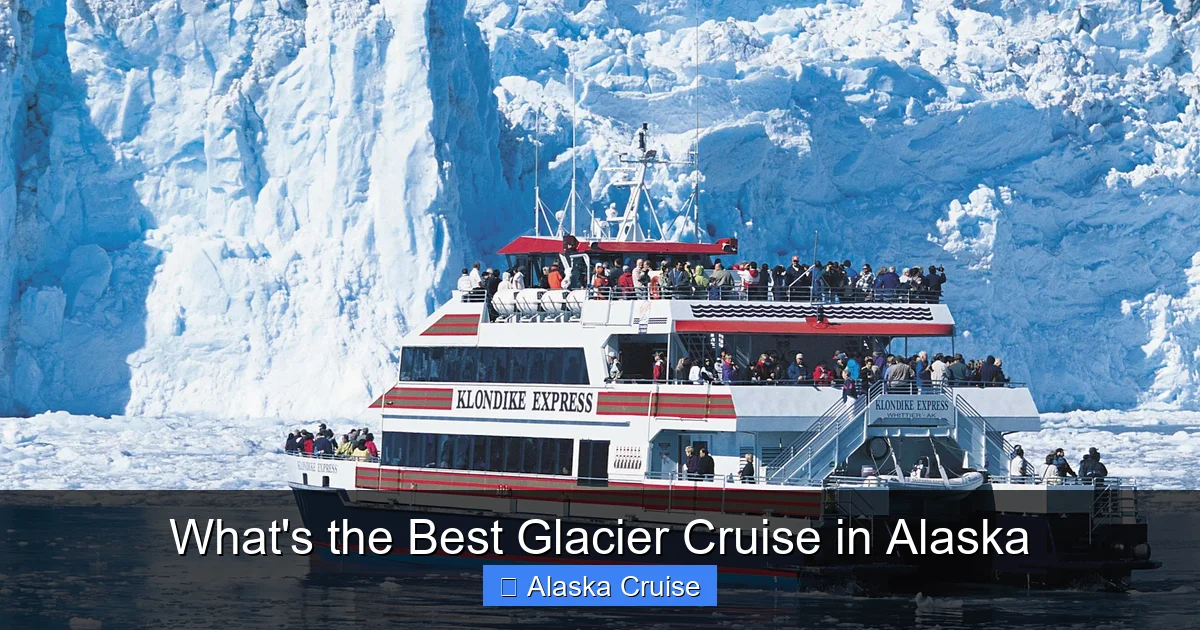
Choosing the best glacier cruise in Alaska depends on your priorities—whether it’s up-close glacier views, wildlife encounters, or comfort and amenities. From Juneau to Seward, we’ve explored the top options to help you pick the perfect icy voyage for your Alaskan adventure.
This is a comprehensive guide about what’s the best glacier cruise in alaska.
Key Takeaways
- Location matters: The best glacier cruises operate in Tracy Arm, Glacier Bay, and Kenai Fjords—each offering unique ice formations and wildlife.
- Smaller boats win for intimacy: Smaller vessels get closer to glaciers and offer a more personal experience than large cruise ships.
- Wildlife is a bonus: Expect to see humpback whales, sea otters, puffins, and even bears along the shoreline during your cruise.
- Timing is key: May through September offers the best weather and glacier activity, with peak calving in July and August.
- Book early: Popular tours, especially in Glacier Bay, fill up months in advance—plan ahead for the best availability.
- Layer up: Even in summer, it’s cold near glaciers—dress in waterproof layers and bring binoculars for the best views.
- Consider a combo tour: Many top glacier cruises include kayaking, hiking, or flightseeing for a fuller Alaskan experience.
[FEATURED_IMAGE_PLACEHOLDER]
What’s the Best Glacier Cruise in Alaska?
If you’re planning a trip to Alaska, one experience you absolutely can’t miss is a glacier cruise. Picture this: you’re gliding through icy blue waters, the air crisp and salty, as towering walls of ancient ice rise from the sea. The silence is broken only by the crack of calving glaciers—chunks of ice the size of buildings crashing into the water with a thunderous splash. It’s humbling, awe-inspiring, and unlike anything you’ve ever seen.
But with so many options—from luxury liners to rugged zodiacs—how do you choose the best glacier cruise in Alaska? The answer isn’t one-size-fits-all. It depends on what you’re looking for: intimate wildlife encounters, panoramic views from a stable deck, or an adrenaline-pumping kayak alongside a glacier. Some travelers want comfort and gourmet meals, while others crave adventure and raw natural beauty.
In this guide, we’ll break down the top glacier cruises in Alaska, compare routes, highlight what makes each unique, and help you pick the perfect icy journey. Whether you’re a first-time visitor or a seasoned Alaskan explorer, you’ll find everything you need to make an informed decision—and maybe even discover a new favorite way to experience the Last Frontier.
Why a Glacier Cruise Should Be on Your Alaska Bucket List
Alaska is home to over 100,000 glaciers, covering nearly 29,000 square miles—that’s more than the entire state of Maine. These frozen rivers of compressed snow have been carving the landscape for thousands of years, shaping fjords, valleys, and coastlines into dramatic masterpieces. A glacier cruise puts you right in the heart of this icy wonderland, offering views and experiences you simply can’t get from land.
But it’s not just about the glaciers. These cruises are a front-row seat to some of the most dynamic natural processes on Earth. You’ll witness calving—the dramatic moment when ice breaks off a glacier and crashes into the water. It’s loud, powerful, and deeply moving. And because glaciers are constantly changing, no two cruises are exactly the same. One day you might see a massive iceberg flip over; the next, a pod of orcas might surface nearby.
Beyond the ice, glacier cruises are prime wildlife viewing opportunities. The nutrient-rich waters around glaciers attract marine life, from tiny krill to massive humpback whales. Sea lions bask on rocky outcrops, puffins dart through the air, and if you’re lucky, you might spot a black bear foraging along the shoreline. It’s a living, breathing ecosystem, and you’re floating right through the middle of it.
The Emotional Impact of Seeing Glaciers Up Close
There’s something deeply moving about standing on the deck of a boat, surrounded by silence, as a glacier looms overhead. The scale is staggering—some glaciers rise over 300 feet above the water, with even more hidden beneath the surface. The deep blue and turquoise hues of the ice are mesmerizing, formed by centuries of compressed snow that absorbs red light and reflects blue.
For many travelers, this experience is transformative. It’s a reminder of nature’s power and fragility. Glaciers are retreating at an alarming rate due to climate change, and seeing them up close can be both beautiful and bittersweet. Some visitors leave with a renewed sense of environmental awareness, inspired to protect these fragile ecosystems.
What You’ll See Beyond the Ice
While glaciers are the star of the show, the surrounding landscape is equally stunning. Towering cliffs, cascading waterfalls, and lush temperate rainforests line the fjords. In the spring and summer, wildflowers bloom along the shore, and the air is filled with the calls of seabirds. The interplay of ice, water, and forest creates a landscape that feels almost otherworldly.
And then there’s the wildlife. In Kenai Fjords, for example, it’s common to see sea otters floating on their backs, cracking clams with rocks. Puffins—with their colorful beaks and comical waddle—nest in rocky crevices and take to the skies in flocks. Humpback whales breach in the distance, their spouts visible for miles. It’s not uncommon to see a whale lunge-feeding just a few hundred yards from the boat.
Top Glacier Cruise Destinations in Alaska
Not all glacier cruises are created equal, and the destination plays a huge role in your experience. Alaska’s coastline is dotted with incredible glacial regions, but a few stand out as the best for cruise tours. Here are the top three destinations for glacier cruises, each offering a unique perspective on Alaska’s icy wonders.
Glacier Bay National Park
Glacier Bay is arguably the most famous glacier destination in Alaska—and for good reason. This UNESCO World Heritage Site is home to over a dozen active tidewater glaciers, including the massive Margerie and Johns Hopkins Glaciers. The park spans over 3.3 million acres and is accessible only by boat or plane, making it a pristine and protected wilderness.
Cruises here typically depart from Gustavus, a small town near Juneau. Most tours last a full day and include narration from National Park Service rangers, who share insights about the glaciers, wildlife, and the area’s rich Tlingit heritage. The ranger-led experience adds depth and context, helping you understand the science and history behind what you’re seeing.
One of the highlights of a Glacier Bay cruise is the chance to witness active calving. The Johns Hopkins Glacier, in particular, is known for its frequent icefalls. You’ll hear the deep rumble before you see the ice break away, sending waves crashing across the bay. It’s a powerful reminder of the dynamic nature of these frozen giants.
Tracy Arm Fjord
Located near Juneau, Tracy Arm is a narrow, 30-mile-long fjord surrounded by steep granite walls and snow-capped peaks. It’s often called “Alaska’s most beautiful fjord,” and it’s easy to see why. The fjord is home to the Sawyer Glaciers—North and South Sawyer—which calve directly into the water.
What sets Tracy Arm apart is its intimacy. The fjord is so narrow that large cruise ships can’t enter, which means only smaller boats and expedition vessels can explore it. This creates a more personal and immersive experience. You’ll feel like you’re floating through a hidden world, with towering cliffs on either side and glaciers looming ahead.
Wildlife is abundant here, too. Black bears are often spotted along the shoreline, especially in the summer months when they come to feed on salmon. Mountain goats cling to the cliffs, and seals rest on ice floes. The silence is profound—broken only by the sound of dripping water and the occasional crack of ice.
Kenai Fjords National Park
If you’re looking for a glacier cruise with a side of adventure, Kenai Fjords near Seward is hard to beat. This park is home to the Harding Icefield, which feeds over 40 glaciers, including the famous Exit Glacier and the massive Holgate Glacier. Most cruises focus on the fjords near the coast, where tidewater glaciers meet the sea.
One of the biggest draws of Kenai Fjords is the wildlife. This is one of the best places in Alaska to see marine mammals. Humpback whales, orcas, sea lions, and porpoises are commonly spotted. Puffins nest on the cliffs, and sea otters are everywhere. The waters are rich with nutrients, making it a hotspot for feeding whales.
The Holgate Glacier is a favorite among visitors. It’s active and accessible, often calving during the cruise. The boat will get close—sometimes within 200 yards—giving you an up-close view of the ice’s deep blue hues and intricate textures. Some tours even offer the option to kayak near the glacier for an even more intimate experience.
Types of Glacier Cruises: Which One Is Right for You?
Now that you know where to go, it’s time to decide how you want to experience it. Glacier cruises come in all shapes and sizes, from luxurious multi-day voyages to rugged half-day zodiac tours. The type of cruise you choose will shape your experience, so it’s important to pick one that matches your style, budget, and interests.
Large Cruise Ship Excursions
If you’re already on a major cruise line like Holland America, Princess, or Celebrity, you’ll likely have the option to book a glacier cruise as a shore excursion. These are convenient and comfortable, with meals, restrooms, and covered decks. They’re great for families or travelers who prefer a more relaxed pace.
However, large ships have limitations. They can’t get as close to glaciers as smaller boats, and they often follow fixed routes with strict schedules. You’ll still see impressive ice formations, but the experience may feel more touristy and less immersive. That said, many ships offer excellent naturalist guides and high-quality optics for viewing wildlife.
Small Boat and Expedition Cruises
For a more intimate and adventurous experience, small boat tours are the way to go. These vessels typically carry 20 to 100 passengers and can navigate narrow fjords and get closer to glaciers. Companies like Major Marine Tours, Alaska Sea Adventures, and UnCruise Adventures specialize in these types of tours.
Small boats offer better access to remote areas and more flexibility in routing. If a whale is spotted or a glacier is actively calving, the captain can adjust the course to give you the best view. The atmosphere is also more personal—guides often share stories and answer questions throughout the journey.
Many small boat tours include extras like kayaking, paddleboarding, or even hiking on the glacier (with proper gear and guides). These add-ons can make your trip more dynamic and memorable.
Zodiac and RIB Tours
For the ultimate adrenaline rush, consider a Zodiac or rigid inflatable boat (RIB) tour. These small, fast boats seat 8 to 12 people and can get incredibly close to glaciers and wildlife. They’re perfect for photographers and adventure seekers who want to feel the spray of icy water and hear the crack of calving ice up close.
Zodiac tours are often part of larger expedition cruises or offered as add-ons by smaller operators. They’re not for everyone—conditions can be rough, and you’ll need to dress warmly—but for those who love excitement, they’re unbeatable.
Flightseeing and Boat Combos
Some of the best glacier experiences combine air and sea. Flightseeing tours take you over glaciers in a small plane or helicopter, offering breathtaking aerial views of icefields, crevasses, and fjords. Then, you land on a glacier for a guided walk or return to a boat for a cruise.
Companies like Mountain Air Service and Temsco Helicopters offer these combo tours, often departing from Juneau or Seward. It’s a splurge, but the perspective from above is unparalleled. You’ll see how glaciers flow like rivers of ice, carving through mountains and feeding into the sea.
What to Expect on a Glacier Cruise
No matter which cruise you choose, there are a few things you can expect on every glacier adventure. Knowing what to anticipate will help you prepare and make the most of your time on the water.
Weather and Conditions
Alaska’s weather is famously unpredictable. Even in summer, it can be chilly, windy, and rainy—especially near glaciers, where temperatures are always cooler. Dress in layers: a base layer, insulating mid-layer, and waterproof outer shell. Don’t forget a hat, gloves, and non-slip shoes.
The water can be rough, especially in open bays. If you’re prone to motion sickness, take medication before boarding. Most boats have indoor seating, but the best views are from the deck—so be ready to bundle up.
Wildlife Viewing Etiquette
Wildlife is a huge part of the glacier cruise experience, but it’s important to observe responsibly. Keep a safe distance from animals—never chase or approach them. Use binoculars or zoom lenses for close-up views. Loud noises and sudden movements can disturb wildlife, so stay quiet and respectful.
Guides are trained to follow ethical wildlife viewing practices, so listen to their instructions. If a whale is feeding, the boat will slow down and maintain a respectful distance. Remember: you’re a guest in their home.
Photography Tips
Capturing the beauty of glaciers and wildlife takes more than just a good camera. Use a polarizing filter to reduce glare on the water and enhance the blue of the ice. A telephoto lens is essential for wildlife—many animals are far away, even when they seem close.
Shoot in burst mode during calving events—you never know when a huge piece of ice will break off. And don’t forget to put the camera down sometimes. Some of the best memories are the ones you experience, not just capture.
Tips for Choosing the Best Glacier Cruise
With so many options, how do you pick the right one? Here are some practical tips to help you decide.
Consider the Time of Year
Glacier activity peaks in July and August, when warmer temperatures cause more calving. However, these are also the busiest months. May and June offer fewer crowds and lower prices, with still-plenty of ice and wildlife. September can be beautiful, with fall colors and fewer tourists, but weather is less predictable.
Check the Itinerary
Not all cruises visit the same glaciers. Some focus on one major glacier, while others explore multiple fjords. Look for tours that include narration, wildlife spotting, and opportunities for close-up views. Read reviews to see what past passengers say about the experience.
Book Early
Popular tours, especially in Glacier Bay and Kenai Fjords, sell out months in advance. If you have your heart set on a specific cruise, book as early as possible. Many operators offer early-bird discounts.
Ask About Cancellation Policies
Weather can cancel cruises, especially in shoulder seasons. Choose a company with a flexible cancellation or rescheduling policy. Some offer rain checks or partial refunds if the tour is canceled due to conditions.
Pack Smart
Bring waterproof clothing, layers, sunscreen, sunglasses, and a reusable water bottle. Binoculars are a must. If you’re prone to seasickness, pack medication. Most boats have restrooms, but they’re often basic—plan accordingly.
Conclusion: Finding Your Perfect Glacier Adventure
So, what’s the best glacier cruise in Alaska? The truth is, there’s no single answer. The best cruise is the one that matches your interests, budget, and travel style. Whether you’re floating silently past a calving glacier in Tracy Arm, spotting whales in Kenai Fjords, or soaring above the ice in a helicopter, Alaska’s glaciers offer an experience that’s both humbling and unforgettable.
Take the time to research your options, read reviews, and talk to locals or travel agents. Consider what matters most to you—comfort, adventure, wildlife, or photography—and choose accordingly. And when you finally stand on that deck, watching ice the color of sapphire crash into the sea, you’ll know you made the right choice.
Alaska’s glaciers are changing, but their beauty remains timeless. Don’t wait—book your cruise, pack your layers, and get ready for the adventure of a lifetime.
Frequently Asked Questions
What is the best time of year for a glacier cruise in Alaska?
The best time is from May to September, with peak glacier activity in July and August. May and June offer fewer crowds, while September brings fall colors and quieter waters.
How close do glacier cruises get to the ice?
Small boats can get within 200–300 yards of glaciers, while larger ships stay farther back. Zodiac tours may get even closer, depending on conditions and safety.
Will I see wildlife on a glacier cruise?
Yes! Most cruises offer excellent wildlife viewing, including whales, sea otters, puffins, seals, and sometimes bears along the shoreline.
Do I need to book a glacier cruise in advance?
Yes, especially for popular destinations like Glacier Bay and Kenai Fjords. Many tours sell out months ahead, so early booking is recommended.
What should I wear on a glacier cruise?
Dress in waterproof layers, including a base layer, insulating mid-layer, and windproof outer shell. Bring a hat, gloves, and non-slip shoes.
Can children go on glacier cruises?
Yes, most tours are family-friendly. However, younger children may find long days on the water tiring, so consider shorter tours or those with onboard activities.