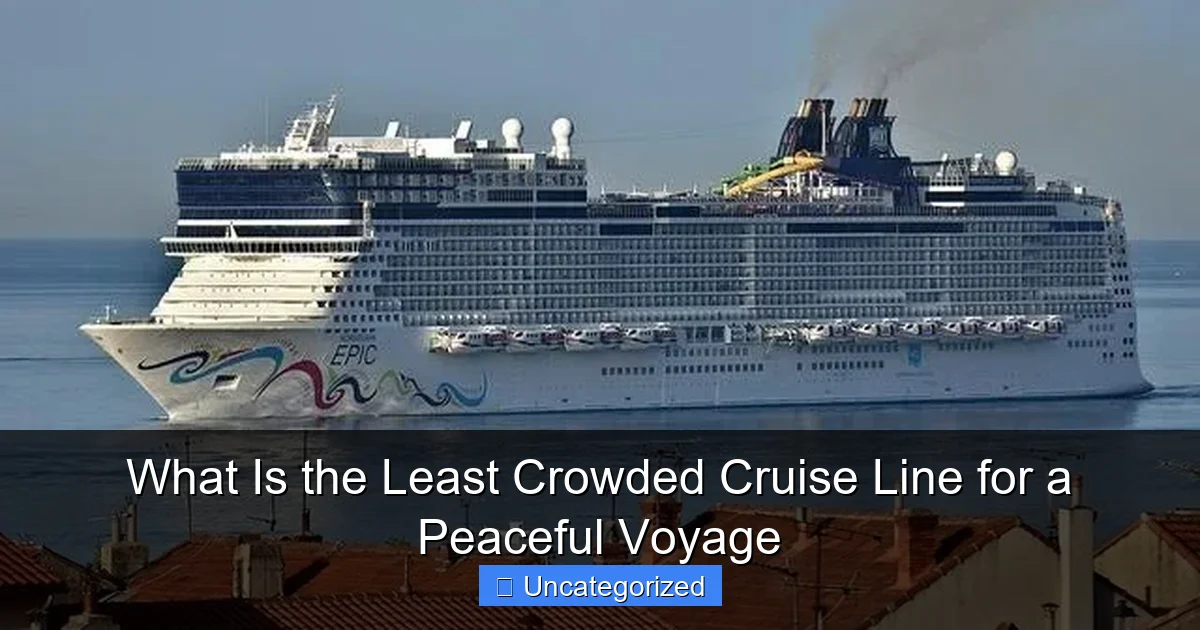
Featured image for what is the least crowded cruise line
Image source: assets3.cbsnewsstatic.com
For the least crowded cruise line, opt for Regent Seven Seas Cruises or Viking Ocean Cruises, both renowned for spacious ships and low passenger-to-space ratios. These luxury lines limit guest numbers to ensure a serene, uncrowded experience, perfect for travelers seeking tranquility at sea. With fewer people, you’ll enjoy more personalized service, uncrowded decks, and a truly peaceful voyage.
Key Takeaways
- Choose Regent Seven Seas: All-inclusive luxury with smaller ships and fewer passengers.
- Book off-peak sailings: Avoid holidays and summer for quieter voyages.
- Opt for longer itineraries: Fewer crowds on 10+ day cruises.
- Try Viking Ocean Cruises: Adults-only policy ensures a serene atmosphere.
- Select balcony cabins: More private space reduces perceived crowding.
- Avoid main dining rooms: Reserve specialty restaurants for quieter meals.
- Prioritize port arrival times: Early docking means less disembarkation chaos.
📑 Table of Contents
- What Is the Least Crowded Cruise Line for a Peaceful Voyage
- Understanding Crowd Density: What Makes a Cruise Line “Least Crowded”
- Top 5 Least Crowded Cruise Lines for a Peaceful Voyage
- Expedition and Niche Cruise Lines: Hidden Gems for True Solitude
- Tips for Choosing the Least Crowded Cruise Line
- Data Comparison: Crowd Density Metrics of Top Cruise Lines
- Conclusion: Finding Your Perfect Peaceful Voyage
What Is the Least Crowded Cruise Line for a Peaceful Voyage
Imagine setting sail on a luxurious cruise where the sun deck isn’t packed, the dining rooms offer quiet corners, and the onboard entertainment doesn’t require a reservation made three months in advance. For many travelers, the dream of a peaceful voyage often clashes with reality: crowded ships, long lines, and a constant sense of hustle. If you’re searching for serenity at sea, the key lies in choosing the right cruise line—one that prioritizes space, personal service, and an unhurried atmosphere over sheer volume and mass appeal. But what is the least crowded cruise line? The answer isn’t just about passenger capacity; it’s about the philosophy behind the brand, the design of the ships, and the target demographic.
Cruise lines vary dramatically in size, culture, and passenger density. While some brands boast mega-ships with over 6,000 guests and endless amenities, others focus on intimate experiences with fewer than 100 passengers. The least crowded cruise lines often emphasize exclusivity, luxury, and personalized service, making them ideal for travelers who value peace, privacy, and meaningful connection—over flashy entertainment and crowded pool decks. Whether you’re a solo traveler seeking solitude, a couple on a romantic getaway, or a family wanting quality time without the chaos, the right cruise line can transform your journey into a truly rejuvenating experience. In this guide, we’ll explore the cruise lines that deliver the quietest, most spacious voyages, backed by data, traveler insights, and practical tips to help you book the peaceful escape you deserve.
Understanding Crowd Density: What Makes a Cruise Line “Least Crowded”
When evaluating the “least crowded” cruise line, it’s essential to go beyond marketing slogans and understand the metrics that define crowd density. A truly uncrowded experience isn’t just about having fewer people—it’s about the ratio of passengers to space, crew-to-guest service, and overall ambiance. Here’s how to assess a cruise line’s crowd level accurately.
Visual guide about what is the least crowded cruise line
Image source: csp.aaa.com
Passenger-to-Space Ratio (P/S Ratio)
The Passenger-to-Space Ratio (P/S Ratio) is a critical industry benchmark. It measures the total square footage of a ship divided by the number of passengers. A higher ratio means more space per person—ideal for avoiding congestion. For example:
- Below 30 ft²/passenger: High crowding (e.g., Carnival, Royal Caribbean mega-ships)
- 30–40 ft²/passenger: Moderate crowding (mainstream lines like Norwegian or Princess)
- Above 50 ft²/passenger: Low crowding (luxury and expedition lines)
- 70+ ft²/passenger: Exceptional space (ultra-luxury and small-ship operators)
Lines like Seabourn and Silversea consistently score above 70 ft²/passenger, offering a spacious, uncrowded feel even when fully booked.
Crew-to-Guest Ratio
Another key indicator is the crew-to-guest ratio. The higher the ratio, the more personalized service you receive. Crowded ships often have ratios of 1 crew member per 3–4 guests, leading to longer wait times and less attentive service. In contrast, luxury lines maintain ratios of 1:1.5 or better. For example:
- Regent Seven Seas: 1 crew per 1.2 guests
- Windstar Cruises: 1 crew per 1.3 guests
- Hurtigruten Expeditions: 1 crew per 1.4 guests
This means more staff per passenger, resulting in quicker service, fewer lines, and a more relaxed atmosphere.
Ship Size and Passenger Capacity
Generally, the smaller the ship, the fewer the passengers—and the more peaceful the experience. While mega-ships can carry 5,000–7,000 guests, small luxury and expedition vessels typically carry 100–500 passengers. For instance:
- Scenic Luxury Cruises: Max 228 guests on river and ocean ships
- Ponant: 184–264 guests depending on vessel
- SeaDream Yacht Club: Just 112 guests per yacht
Smaller ships also allow access to ports that larger vessels can’t reach, reducing congestion in popular destinations and offering a more authentic, off-the-beaten-path experience.
Top 5 Least Crowded Cruise Lines for a Peaceful Voyage
Based on passenger density, service quality, ship design, and traveler reviews, these five cruise lines stand out as the least crowded options for a tranquil and luxurious cruise experience. Each offers a unique blend of intimacy, elegance, and space that larger brands simply can’t match.
1. Seabourn – The Gold Standard in Intimacy
Seabourn consistently ranks among the most spacious and least crowded cruise lines in the world. With ships like the Seabourn Encore and Seabourn Ovation carrying just 600 guests, the P/S ratio exceeds 75 ft² per passenger. Seabourn’s all-suite accommodations, open-seating dining, and complimentary premium spirits create a relaxed, uncrowded ambiance.
- Crew-to-guest ratio: 1:1.2
- Signature features: All-inclusive pricing, open bars, personalized butler service
- Best for: Couples, luxury seekers, and those wanting a refined, quiet atmosphere
Travelers praise Seabourn for its “resort-like” feel—no queues, no noise, just seamless service and serene lounges. The Seabourn Quest, a smaller 458-guest ship, is ideal for even more privacy on longer itineraries.
2. Silversea – Ultra-Luxury with a Human Touch
Silversea’s fleet of 12 ships, including the Silver Nova and Silver Spirit, carries between 596 and 608 guests. With a P/S ratio of 70–80 ft² per passenger and a 1:1.3 crew ratio, Silversea delivers a boutique hotel experience at sea.
- All-suite cabins: All rooms are suites with butler service
- All-inclusive: Drinks, gratuities, and select excursions included
- Unique offering: “Silversea Expeditions” for remote destinations with Zodiac landings
Guests report feeling “like the only person on board” due to the low passenger density and attentive staff. The lack of kids’ clubs and large entertainment venues keeps the vibe adult-focused and peaceful.
3. Regent Seven Seas – All-Inclusive Spaciousness
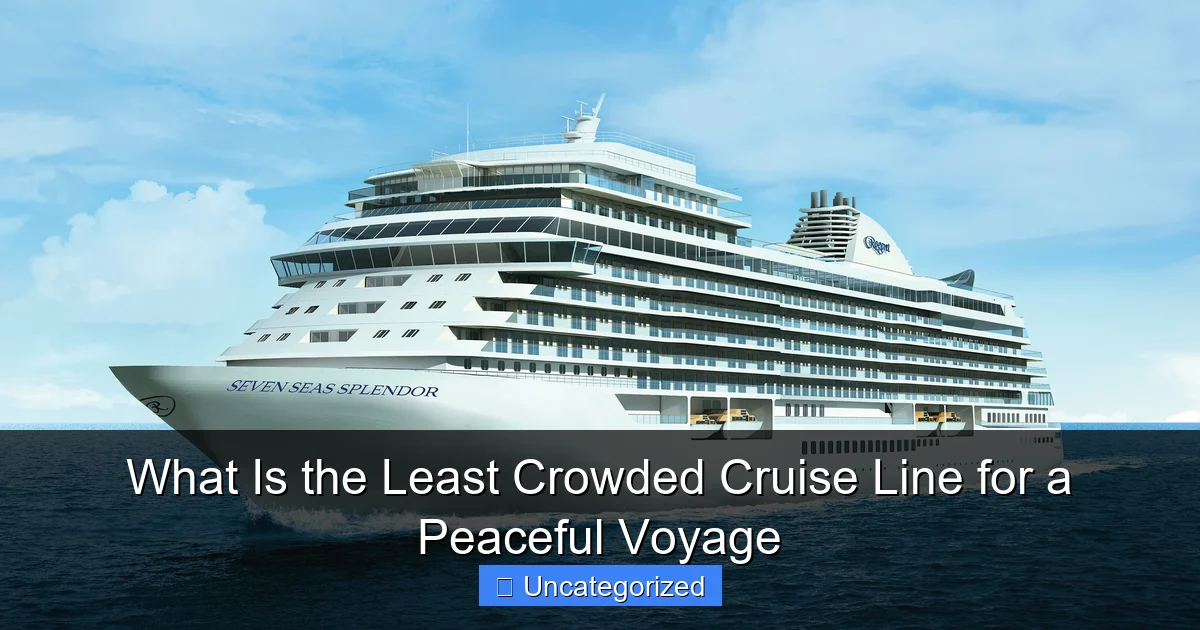
Regent Seven Seas (RSSC) combines spacious ships with all-inclusive luxury. Ships like the Seven Seas Splendor carry 750 guests but maintain a P/S ratio of 70+ ft² per passenger. Every suite includes a balcony, and the open-seating dining policy eliminates reservation stress.
- Crew-to-guest ratio: 1:1.2
- All-inclusive perks: Flights, shore excursions, premium drinks, and gratuities
- Design: Wide public areas, multiple dining venues, and a grand atrium
With no lines for dining or shows, and a relaxed dress code, Regent offers a “country club at sea” atmosphere. The Seven Seas Mariner (700 guests) is especially popular for its intimate feel and excellent service.
4. Windstar Cruises – Sailing Yachts with a Difference
Windstar operates a fleet of small sailing yachts and motor yachts, including the Star Pride (312 guests) and Wind Surf (342 guests). These ships use computer-controlled sails, giving them a romantic, nautical charm. The P/S ratio averages 65–70 ft² per passenger, and the crew ratio is 1:1.3.
- Unique features: Watersports marina, open bridge, all ocean-view suites
- Atmosphere: Casual elegance, no formal nights, no kids’ programs
- Destinations: Mediterranean, Caribbean, and Tahiti—often visiting small, uncrowded ports
Windstar’s “yacht-like” ambiance means no crowds at the pool, no elevator waits, and a strong sense of community among guests and crew.
5. Ponant – French Elegance and Expedition Expertise
French luxury line Ponant blends chic design with expedition capabilities. Ships like the Le Boréal and Le Lapérouse carry 184–264 guests, with a P/S ratio of 80+ ft² per passenger on newer vessels. The crew ratio is 1:1.4, and the all-suite accommodations feature private balconies.
- All-inclusive: Drinks, excursions, and gratuities included
- Expedition focus: Zodiac landings in Antarctica, the Arctic, and remote Pacific islands
- Design: Modern, minimalist interiors with French cuisine and wine pairings
Ponant’s small size allows for personalized itineraries and minimal port congestion. The onboard lectures and naturalist guides enhance the educational, low-key experience.
Expedition and Niche Cruise Lines: Hidden Gems for True Solitude
Beyond mainstream luxury brands, a growing number of expedition and niche cruise lines offer even greater privacy and uncrowded experiences. These operators focus on remote destinations, small group sizes, and immersive travel—perfect for travelers seeking true solitude and connection with nature.
Lindblad Expeditions – Adventure with Purpose
Partnered with National Geographic, Lindblad operates small ships (50–148 guests) like the National Geographic Sea Lion. These vessels are designed for exploration, with a P/S ratio exceeding 100 ft² per passenger on some ships.
- Guides: Onboard naturalists, photographers, and scientists
- Activities: Zodiac cruises, kayaking, snorkeling, and hiking
- Destinations: Alaska, Galápagos, Antarctica, and the Amazon
With no more than 148 guests, Lindblad ensures that even popular excursions (like Galápagos landings) are uncrowded and educational. The small size also allows for flexible itineraries based on wildlife sightings.
UnCruise Adventures – Intimate and Active
UnCruise operates a fleet of 8 small vessels (22–86 guests), including the Wilderness Discoverer and Safari Explorer. These are among the least crowded cruise ships in the world, with P/S ratios often over 120 ft² per passenger.
- Capacity: Maximum 86 guests (most ships carry 60–70)
- Focus: Adventure, wellness, and cultural immersion
- Activities: Kayaking, paddleboarding, hiking, and snorkeling
UnCruise limits group sizes for excursions to 12–16 people, ensuring personal attention and minimal environmental impact. The casual, no-frills luxury (think: hot tubs on deck, not casinos) attracts travelers who value experience over spectacle.
Alaskan Dream Cruises – Local, Sustainable, and Serene
Based in Alaska, this Indigenous-owned line operates ships like the Alaska Dream (74 guests) and Baranof Dream (49 guests). With P/S ratios over 110 ft² per passenger, these vessels offer a deeply personal connection to the region.
- Ownership: Tlingit Native corporation
- Focus: Cultural heritage, sustainability, and small-group exploration
- Unique perks: Native guides, traditional meals, and visits to remote villages
Guests praise the “family-like” atmosphere and the absence of crowds—even in peak Alaska season.
Tips for Choosing the Least Crowded Cruise Line
Selecting a truly uncrowded cruise requires more than just reading brochures. Use these practical tips to ensure your voyage is as peaceful as possible.
1. Prioritize Ship Size Over Brand Name
Even within luxury brands, some ships are larger than others. For example, while Seabourn is generally uncrowded, the Seabourn Ovation (600 guests) feels more spacious than the older Seabourn Sojourn (450 guests). Always check the exact ship and its passenger capacity before booking.
2. Look for “All-Inclusive” Pricing
Lines like Regent, Silversea, and Seabourn include drinks, gratuities, and even excursions. This reduces the need for cash transactions, lines at bars, and stress—contributing to a calmer onboard environment.
3. Avoid Peak Season and Popular Routes
Even uncrowded ships can feel busy during high season (e.g., Caribbean in winter, Alaska in summer). Consider shoulder seasons (April, October, November) or less-traveled routes (e.g., South Pacific, Arctic) for fewer fellow passengers and lower prices.
4. Choose Smaller Cabins for Maximum Space
On luxury lines, all cabins are spacious, but some offer better layouts. Suites with private balconies and butler service (e.g., Seabourn’s Veranda Suites) provide extra privacy. Avoid interior cabins if you want natural light and outdoor access.
5. Book Shore Excursions Early
Even on small ships, popular excursions (e.g., glacier hiking in Alaska, wildlife tours in Galápagos) can fill up. Reserve in advance to avoid disappointment and ensure small-group experiences.
6. Consider River Cruises for Extra Quiet
River cruise lines like AmaWaterways, Scenic, and Uniworld operate small vessels (100–160 guests) on European and Asian rivers. With P/S ratios over 60 ft² per passenger and no open seas, river cruises are inherently uncrowded and peaceful.
Data Comparison: Crowd Density Metrics of Top Cruise Lines
Below is a comparison of key metrics for the least crowded cruise lines, based on 2023–2024 data from industry reports, cruise line websites, and passenger reviews.
| Cruise Line | Ship Example | Max Passengers | Passenger-to-Space Ratio (ft²/guest) | Crew-to-Guest Ratio | All-Inclusive? | Best For |
|---|---|---|---|---|---|---|
| Seabourn | Seabourn Encore | 600 | 75+ | 1:1.2 | Yes | Luxury, couples, refined ambiance |
| Silversea | Silver Nova | 728 | 70–80 | 1:1.3 | Yes | Expedition, all-suite luxury |
| Regent Seven Seas | Seven Seas Splendor | 750 | 70+ | 1:1.2 | Yes | All-inclusive, spacious suites |
| Windstar Cruises | Wind Surf | 342 | 65–70 | 1:1.3 | Yes | Sailing yacht charm, casual elegance |
| Ponant | Le Lapérouse | 184 | 80+ | 1:1.4 | Yes | Expedition, French luxury, remote ports |
| Lindblad Expeditions | National Geographic Quest | 102 | 100+ | 1:1.5 | Yes | Adventure, science, nature |
| UnCruise Adventures | Wilderness Discoverer | 86 | 120+ | 1:1.6 | Yes | Active, small-group, eco-tourism |
Conclusion: Finding Your Perfect Peaceful Voyage
Choosing the least crowded cruise line isn’t just about avoiding long lines—it’s about crafting a personalized, rejuvenating experience where you feel seen, valued, and at peace. Whether you’re drawn to the refined elegance of Seabourn, the adventurous intimacy of UnCruise, or the French sophistication of Ponant, there’s a cruise line designed for travelers who prioritize serenity over spectacle.
Remember, the least crowded experience comes from a combination of small ship size, high space ratios, attentive service, and thoughtful design. Use the data and tips in this guide to compare options, ask the right questions, and book a voyage that aligns with your desire for peace. Whether you’re exploring the fjords of Norway, the coral reefs of French Polynesia, or the glaciers of Alaska, the right cruise line can turn your journey into a sanctuary on the sea. So set sail—not just to a destination, but to a state of mind. The least crowded cruise line is out there, waiting to offer you the quiet, luxurious escape you’ve always dreamed of.
Frequently Asked Questions
What is the least crowded cruise line for a relaxing vacation?
Smaller luxury lines like Seabourn, Silversea, and Regent Seven Seas consistently offer the least crowded cruise experiences due to their intimate ships (often under 500 passengers) and high crew-to-guest ratios. These lines focus on spacious suites, private verandas, and exclusive ports, minimizing onboard congestion.
Which cruise lines have the lowest passenger-to-space ratios?
Crystal Cruises, Oceania, and Viking Ocean Cruises prioritize generous space allocations, with passenger-to-space ratios exceeding 40:1. This ensures ample room in public areas, pools, and dining venues, reducing crowding even on full sailings.
Are river cruises less crowded than ocean cruises?
Yes, river cruise lines like AmaWaterways and Viking River Cruises operate smaller vessels (150-200 guests) on narrow waterways, creating a naturally uncrowded atmosphere. Their all-inclusive model also limits day-tripper interruptions common in ocean cruise ports.
What is the least crowded mainstream cruise line?
Among major lines, Holland America and P&O Cruises (UK) offer the most peaceful experiences with mid-sized ships and dedicated adult-only zones. Their longer itineraries and niche destinations (e.g., Antarctica) also attract fewer crowds than mass-market competitors.
Which luxury cruise lines avoid crowded ports?
Silversea and Windstar Cruises specialize in off-the-beaten-path destinations like Patagonia and Polynesia, docking at private islands or tender ports to bypass tourist hubs. Their small ships also enable early/late docking to avoid peak crowds.
Do expedition cruises feel less crowded than traditional cruises?
Expedition lines like Lindblad Expeditions and Hurtigruten limit passengers to 100-200 guests, with itineraries focused on wildlife viewing and adventure activities. Zodiac landings and guided hikes distribute guests naturally, avoiding the “herd” feeling of large-group excursions.