Featured image for what is the largest cruise line company
Image source: i.ytimg.com
The largest cruise line company in the world is Carnival Corporation & plc, boasting a fleet of over 90 ships across 10 global brands, including Carnival Cruise Line, Princess Cruises, and Holland America. With unmatched passenger capacity and annual revenue exceeding $20 billion, it dominates the industry through scale, innovation, and diverse itineraries. No other cruise operator matches its global reach or market share, making it the undisputed leader in maritime travel.
Key Takeaways
- Carnival Corporation is the largest cruise line company by fleet size and passengers carried.
- Global reach: Operates 90+ ships across 10 brands worldwide.
- Diverse brands: Includes Carnival, Princess, Holland America, and Costa.
- Market dominance: Controls over 40% of the global cruise market share.
- Innovation focus: Invests heavily in LNG-powered ships and sustainability.
- Strategic growth: Prioritizes new markets like Asia and private island destinations.
📑 Table of Contents
- Introduction: The Titans of the High Seas
- The Reign of Carnival Corporation: A Global Cruise Empire
- Brand Portfolio: A Cruise for Every Traveler
- Innovation and Sustainability: Leading the Future of Cruising
- Economic Impact and Industry Leadership
- Data Snapshot: Carnival Corporation vs. Competitors (2024)
- Conclusion: The Enduring Legacy of the World’s Largest Cruise Line
Introduction: The Titans of the High Seas
The world of cruising is vast, luxurious, and ever-evolving, with millions of travelers setting sail each year in search of sun-drenched beaches, cultural exploration, and unforgettable onboard experiences. Among the many cruise operators competing for attention, one name consistently rises to the top: Carnival Corporation & plc. As the undisputed largest cruise line company in the world, Carnival dominates the industry with an unparalleled fleet size, global reach, and diversified brand portfolio. Whether you’re a first-time cruiser or a seasoned seafarer, understanding the scale and influence of this maritime giant is essential to appreciating the modern cruise experience.
But what truly defines “largest” in the cruise industry? Is it the number of ships, total passenger capacity, revenue, or geographic footprint? The answer lies in a combination of these metrics, and Carnival Corporation excels across all of them. From budget-friendly Caribbean getaways to ultra-luxury expeditions to the polar regions, this company has a brand for nearly every traveler. In this comprehensive guide, we’ll dive deep into the structure, operations, and global impact of the world’s largest cruise line company, revealing how it maintains its leadership position in a competitive and dynamic market. Along the way, we’ll explore its subsidiaries, fleet innovations, sustainability efforts, and what the future holds for this maritime empire.
The Reign of Carnival Corporation: A Global Cruise Empire
The Birth of a Giant
Founded in 1972 by Ted Arison, Carnival Cruise Line began as a modest operation with a single ship, the Mardi Gras. However, Arison’s vision was anything but small. He pioneered the concept of the “fun ship”—a floating resort focused on entertainment, affordability, and accessibility. This model revolutionized the cruise industry, shifting it from an exclusive, formal experience to a mass-market vacation option. Over the decades, Carnival expanded through strategic acquisitions, mergers, and the creation of new brands, culminating in the formation of Carnival Corporation & plc in 2003—a dual-listed company operating under both U.S. and U.K. regulations.
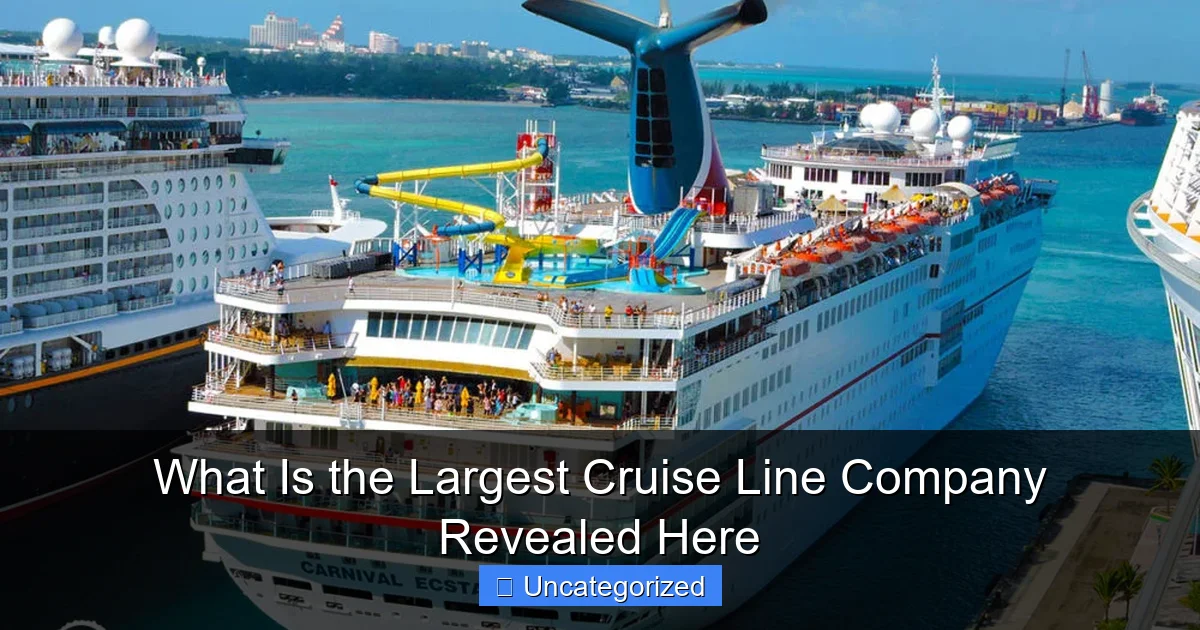
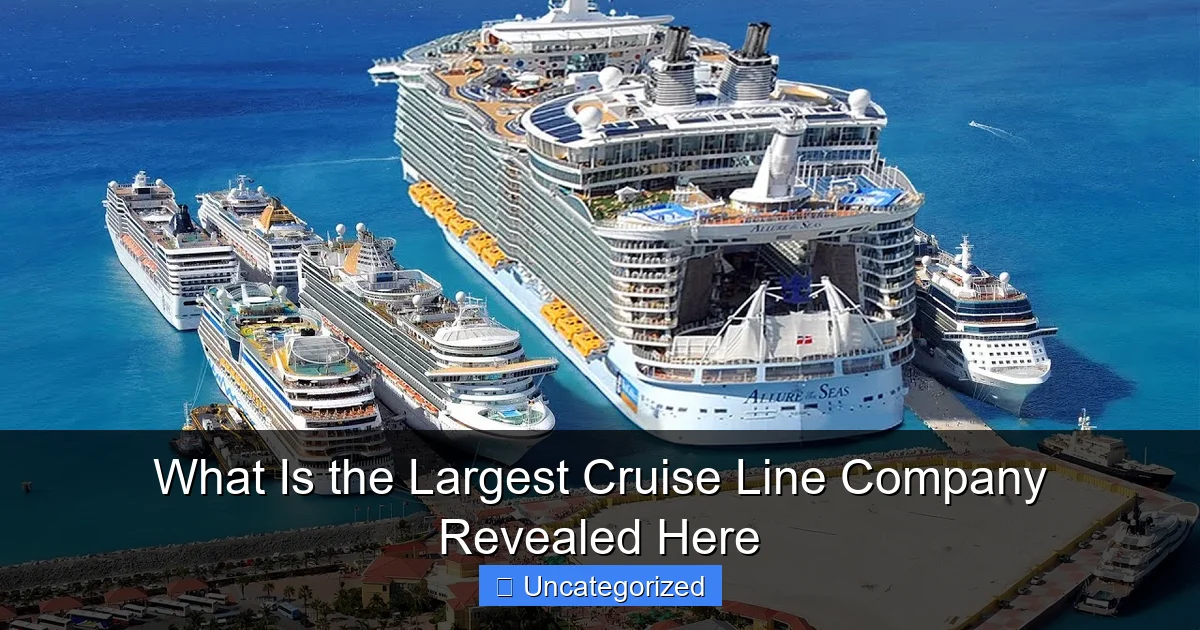
Visual guide about what is the largest cruise line company
Image source: cruisefever.net
Today, Carnival Corporation is headquartered in Miami, Florida, and Dorking, England, and is publicly traded on the New York Stock Exchange (CCL) and the London Stock Exchange (CCL). Its dual structure allows it to tap into capital markets in both regions, enhancing its financial flexibility and global presence. With over 90,000 employees worldwide and a market capitalization exceeding $20 billion, the company is not just the largest cruise line—it’s one of the most powerful leisure travel corporations on the planet.
Fleet Size and Passenger Capacity: Numbers That Speak Volumes
The most tangible measure of Carnival Corporation’s dominance is its fleet. As of 2024, the company operates 89 ships across 10 distinct cruise brands, with a total passenger capacity of over 300,000 lower berths. To put this in perspective, that’s enough to accommodate the entire population of a mid-sized city like Orlando, Florida, on cruise ships at any given time. The fleet includes some of the largest and most technologically advanced vessels ever built, such as the Carnival Celebration, Mardi Gras, and Costa Toscana, which can carry over 6,000 guests and 2,000 crew members each.
Here’s a breakdown of key fleet metrics compared to competitors:
- Carnival Corporation: 89 ships, 300,000+ berths
- Royal Caribbean Group: 60 ships, ~170,000 berths
- NCLH (Norwegian & Oceania): 30 ships, ~80,000 berths
- MSC Cruises: 22 ships, ~65,000 berths (growing rapidly)
This scale allows Carnival to offer unmatched route diversity, frequency of sailings, and economies of scale in operations, marketing, and supply chain management. For travelers, this means more departure options, better pricing, and a wider variety of onboard amenities.
Global Reach and Market Penetration
Carnival Corporation’s influence extends far beyond North America. The company sails to over 700 ports in more than 100 countries, with major operations in the Caribbean, Mediterranean, Alaska, Northern Europe, Australia, and Asia. Its brands are tailored to regional preferences: for example, AIDA Cruises dominates the German market with vibrant, music-themed voyages, while P&O Cruises caters to British travelers with traditional yet modern British-style cruises.
The company’s global footprint is supported by a sophisticated logistics network, including dedicated ports of call (such as Amber Cove in the Dominican Republic and Mahogany Bay in Roatán), partnerships with local governments, and investments in port infrastructure. This vertical integration ensures smooth operations and enhances the guest experience by reducing embarkation delays and improving shore excursion quality.
Brand Portfolio: A Cruise for Every Traveler
Budget to Luxury: The Full Spectrum of Cruising
One of Carnival Corporation’s greatest strengths is its multi-brand strategy, which allows it to capture diverse market segments without diluting brand identity. Instead of competing with itself, the company offers distinct experiences under separate banners, each with its own culture, pricing, and target audience. This approach has proven highly effective in maximizing market share and customer retention.
The 10 brands under Carnival Corporation include:
- Carnival Cruise Line: The original “fun ship” brand, known for affordability, vibrant entertainment, and family-friendly itineraries. Ideal for first-time cruisers and budget-conscious travelers.
- Princess Cruises: A premium mid-tier brand with elegant ships, destination-focused voyages (e.g., Alaska, Europe), and the iconic Regal Princess and Enchanted Princess.
- Holland America Line: A heritage brand with refined service, longer itineraries, and a strong focus on cultural enrichment and culinary experiences.
- Seabourn: Ultra-luxury, all-inclusive small-ship cruising with personalized service, private verandas, and expedition voyages to Antarctica and the Galápagos.
- Cunard Line: A legendary British brand known for transatlantic crossings, formal nights, and the majestic Queen Mary 2.
- AIDA Cruises: A German-market favorite with lively, music-driven ships and a “cruise & stay” vacation model.
- P&O Cruises: Tailored for British travelers, with a mix of classic elegance and modern amenities.
- Costa Cruises: A European brand with Italian flair, popular in Italy, France, and Spain, offering themed cruises and Mediterranean itineraries.
- Carnival China: A joint venture targeting the rapidly growing Chinese market with culturally adapted ships and services.
- Fathom: A now-discontinued social impact brand that allowed travelers to combine volunteering with cruising (e.g., in the Dominican Republic).
How the Multi-Brand Strategy Benefits Consumers
For travelers, this diversity means no one-size-fits-all approach. Whether you’re a solo adventurer, a family with kids, a couple seeking romance, or a retiree looking for a relaxed pace, there’s a Carnival brand that fits your style. For example:
- A family of four might choose Carnival Horizon for its water park, kids’ clubs, and affordable pricing.
- A couple celebrating an anniversary could opt for Seabourn Ovation, with its private dining, butler service, and all-inclusive premium beverages.
- A history enthusiast might book a transatlantic crossing on Cunard Queen Mary 2, complete with afternoon tea and lectures.
This segmentation also allows Carnival to test new concepts and innovations across brands. For instance, the introduction of MedallionClass technology (a wearable smart device for keyless entry, personalized service, and contactless payments) began with Princess Cruises before being adopted across other lines. This cross-pollination of ideas drives continuous improvement and keeps the entire portfolio competitive.
Brand Loyalty and Repeat Business
Carnival Corporation invests heavily in loyalty programs, such as Carnival’s VIFP Club (Very Important Fun Person) and Holland America’s Mariner Society. These programs reward repeat cruisers with perks like priority boarding, exclusive events, onboard credits, and free upgrades. With over 25 million past guests in its database, the company leverages data analytics to personalize marketing, anticipate preferences, and increase retention rates.
Innovation and Sustainability: Leading the Future of Cruising
Green Technology and Environmental Initiatives
As the largest cruise operator, Carnival Corporation bears a significant responsibility for environmental stewardship. The company has committed to a 2030 sustainability goal that includes reducing carbon emissions by 40% (compared to 2008 levels), eliminating single-use plastics, and achieving net-zero emissions by 2050. To meet these targets, Carnival is investing over $1 billion in green technology and cleaner fuels.
Key initiatives include:
- Liquefied Natural Gas (LNG): Carnival was the first cruise company to introduce LNG-powered ships, starting with AIDAnova in 2018. As of 2024, 12 of its ships run on LNG, reducing sulfur oxide emissions by 95% and nitrogen oxide emissions by 85%.
- Advanced Wastewater Treatment Systems (AWTS): All new ships feature AWTS that treat wastewater to a standard higher than most coastal cities.
- Exhaust Gas Cleaning Systems (Scrubbers): Installed on over 60 ships to reduce sulfur emissions from conventional fuels.
- Onshore Power Connectivity: 65% of Carnival’s fleet can plug into shore power in ports, eliminating engine use while docked.
- Zero-Waste-to-Landfill Programs: Implemented on select ships, diverting over 95% of waste from landfills through recycling and composting.
These efforts have earned Carnival recognition from organizations like the Green Marine certification program and the Environmental Protection Agency (EPA) SmartWay program.
Digital Transformation and Guest Experience
Carnival is also a leader in digital innovation, using technology to enhance convenience, safety, and personalization. The OceanMedallion (launched by Princess Cruises) is a prime example. This quarter-sized device enables:
- Keyless cabin entry
- Contactless payments
- Personalized recommendations (e.g., dining, entertainment)
- Real-time location tracking (for family meetups or lost children)
- On-demand service (e.g., ordering drinks to your lounge chair)
Other digital advancements include AI-powered chatbots for customer service, mobile app check-in, and dynamic pricing algorithms that optimize revenue without compromising value.
Health and Safety: Lessons from the Pandemic
The COVID-19 pandemic was a major challenge for the entire cruise industry, and Carnival was no exception. However, the company responded with a comprehensive Return to Service plan, developed in collaboration with the CDC, WHO, and independent health experts. Measures included:
- Enhanced air filtration (HEPA filters on all ships)
- Staggered embarkation and disembarkation
- Mandatory testing and vaccination requirements (phased out in 2023)
- Expanded medical facilities and isolation cabins
- Contact tracing via the OceanMedallion
These protocols helped restore consumer confidence and paved the way for a strong recovery. By mid-2023, Carnival reported record booking volumes, surpassing pre-pandemic levels.
Economic Impact and Industry Leadership
Contributions to Global Tourism
Carnival Corporation is a major economic engine, generating over $13 billion in annual revenue (as of 2023) and supporting thousands of jobs worldwide. The company’s economic impact extends beyond its direct employees:
- Port Communities: Cruise passengers spend an average of $100–$200 per day in port, benefiting local businesses, guides, and artisans.
- Supply Chain: Carnival sources food, beverages, and supplies from over 1,000 vendors globally, supporting agriculture, manufacturing, and logistics.
- Tourism Infrastructure: The company has invested in new terminals, marinas, and eco-tourism projects in destinations like Cozumel, Nassau, and Barcelona.
Market Share and Competitive Landscape
Carnival Corporation controls approximately 48% of the global cruise market by passenger capacity, far ahead of Royal Caribbean Group (30%) and Norwegian Cruise Line Holdings (12%). This dominance allows Carnival to set industry trends, from entertainment (e.g., water slides, skydiving simulators) to dining (e.g., Guy Fieri’s burger joints, Jamie Oliver’s restaurants).
Despite its size, Carnival faces challenges, including rising fuel costs, regulatory scrutiny, and competition from new entrants like Virgin Voyages and Ritz-Carlton Yacht Collection. However, its scale, brand diversity, and innovation pipeline give it a strong competitive moat.
Data Snapshot: Carnival Corporation vs. Competitors (2024)
The table below highlights key metrics comparing Carnival Corporation to its top rivals. These figures underscore its leadership in fleet size, capacity, and market reach.
| Metric | Carnival Corporation | Royal Caribbean Group | Norwegian Cruise Line Holdings | MSC Cruises |
|---|---|---|---|---|
| Number of Ships | 89 | 60 | 30 | 22 |
| Total Passenger Capacity | 300,000+ | 170,000 | 80,000 | 65,000 |
| Annual Revenue (2023) | $13.2 billion | $10.8 billion | $4.5 billion | $5.1 billion |
| Brands Operated | 10 | 3 (Royal, Celebrity, Silversea) | 3 (Norwegian, Oceania, Regent) | 1 (MSC) |
| Global Ports Served | 700+ | 550+ | 300+ | 400+ |
| LNG-Powered Ships | 12 | 8 | 0 | 6 |
| Market Share (by capacity) | 48% | 30% | 12% | 7% |
Conclusion: The Enduring Legacy of the World’s Largest Cruise Line
From its humble beginnings in 1972 to its current status as a global maritime powerhouse, Carnival Corporation & plc has redefined what it means to cruise. As the largest cruise line company in the world, it combines unmatched scale with strategic innovation, environmental responsibility, and a deep understanding of diverse traveler needs. Its multi-brand portfolio ensures that whether you’re seeking a budget-friendly Caribbean escape or a once-in-a-lifetime expedition to the Arctic, there’s a Carnival-owned ship ready to take you there.
What sets Carnival apart isn’t just its size—it’s its ability to adapt. Whether responding to a global pandemic, investing in green technology, or pioneering digital guest experiences, the company consistently stays ahead of the curve. For travelers, this means more choices, better value, and increasingly sustainable vacation options. For the industry, it sets the standard for operational excellence and customer-centric service.
As cruising continues to evolve, Carnival Corporation remains at the helm, steering the future of sea travel with confidence, vision, and a commitment to fun, discovery, and global connection. Whether you’re booking your first cruise or your fiftieth, knowing that the largest and most innovative company in the business is behind your journey adds a layer of trust and excitement. So the next time you step aboard a cruise ship, take a moment to look around—you’re not just on a vacation. You’re part of a legacy that spans oceans, cultures, and generations.
Frequently Asked Questions
What is the largest cruise line company by fleet size?
Carnival Corporation & plc is the largest cruise line company by fleet size, operating over 90 ships across 10 global brands, including Carnival Cruise Line, Princess Cruises, and Holland America Line. It surpasses competitors in both vessel count and passenger capacity.
Which cruise line company carries the most passengers annually?
The largest cruise line company by annual passenger volume is also Carnival Corporation, serving over 12 million guests per year. Its diverse brand portfolio and global routes make it the industry leader in customer reach.
Does Royal Caribbean Group compete with the largest cruise line company?
Yes, Royal Caribbean Group (owner of Royal Caribbean International, Celebrity Cruises, and Silversea) is the second-largest cruise line company and a key competitor to Carnival Corporation. While smaller in fleet size, it leads in innovation and onboard amenities.
What is the largest cruise line company by market capitalization?
Carnival Corporation & plc holds the top spot as the largest cruise line company by market cap, valued at over $20 billion as of 2023. Its financial scale reflects its dominant position in the global cruise market.
How does the largest cruise line company compare to others in sustainability?
The largest cruise line company, Carnival Corporation, has committed to net-zero emissions by 2050 and leads in LNG-powered ships. While progress varies, its size allows for significant investments in eco-friendly technology across its brands.
What subsidiaries are part of the largest cruise line company?
Carnival Corporation’s brands include Carnival Cruise Line, Costa Cruises, P&O Cruises, and Seabourn, among others. This multi-brand strategy solidifies its status as the largest cruise line company by diversified market presence.