Featured image for what is the biggest cruise liner
Image source: images.foxtv.com
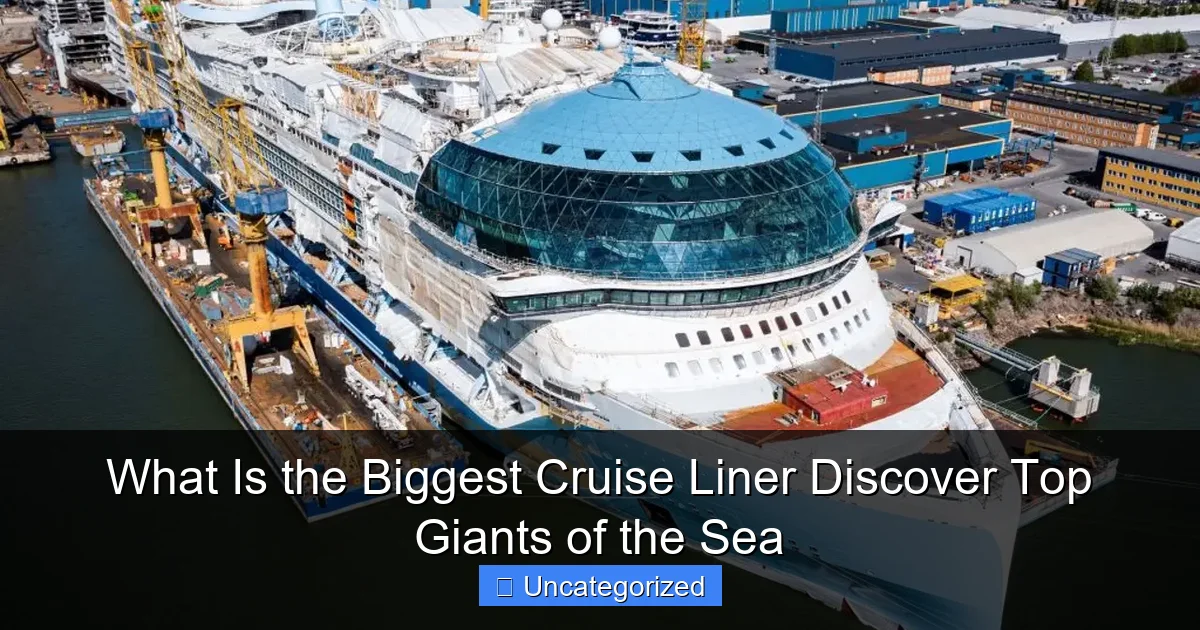
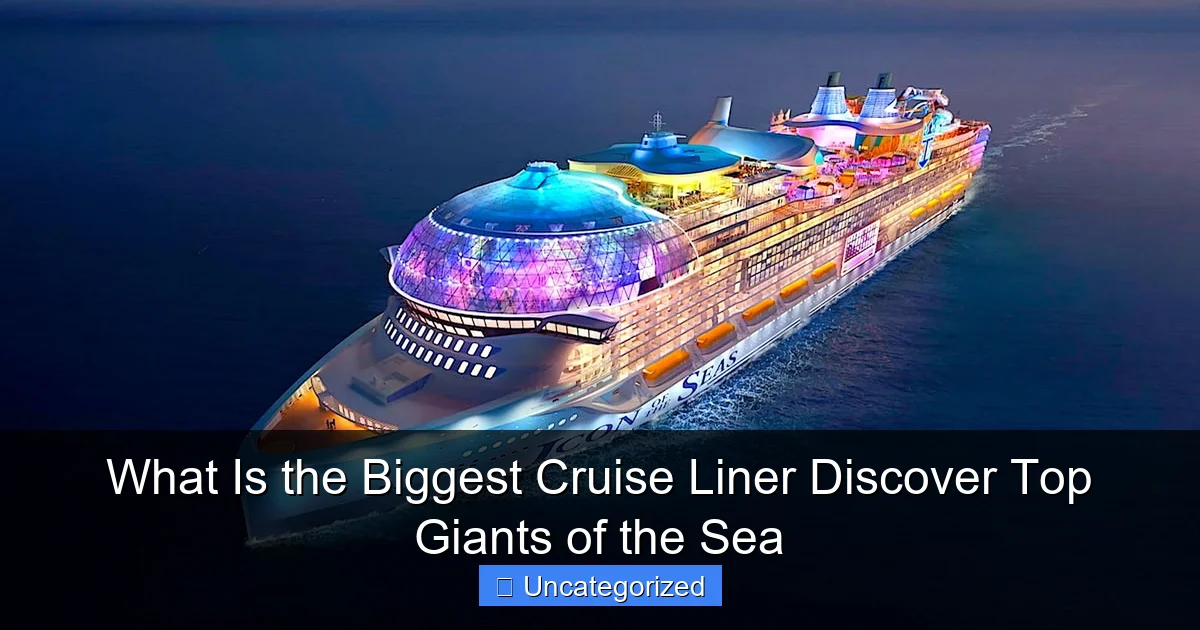
The biggest cruise liner in the world is Royal Caribbean’s *Icon of the Seas*, a 250,800-gross-tonne behemoth that redefines luxury and scale on the high seas. With 20 decks, 7 swimming pools, and a capacity for 7,600 passengers, it surpasses all rivals as the largest and most innovative floating resort. From record-breaking waterparks to eco-friendly propulsion, this giant sets a new benchmark for modern cruising.
Key Takeaways
- World’s largest cruise liner: Royal Caribbean’s Icon of the Seas leads in size and innovation.
- Size matters: Top liners exceed 200,000 gross tons and 1,100 feet long—prioritize scale when choosing.
- More amenities: Giants like Wonder of the Seas offer 20+ dining options and 7+ entertainment zones.
- Newer is better: Modern mega-ships feature eco-friendly tech and advanced stabilization for smoother sailing.
- Book early: High-demand liners sell out 12+ months ahead—plan early for best cabins and deals.
- Compare key metrics: Evaluate passenger capacity, deck space, and itinerary—not just size—for best value.
📑 Table of Contents
- What Is the Biggest Cruise Liner? Discover Top Giants of the Sea
- The Rise of the Megaships: How Cruise Liners Got So Big
- Meet the Biggest Cruise Liner: Icon of the Seas
- Other Giants of the Sea: The Top 5 Largest Cruise Ships
- How Cruise Lines Measure “Big”: Understanding Key Metrics
- Challenges and Controversies of the Biggest Cruise Liners
- What’s Next? The Future of the Biggest Cruise Liners
What Is the Biggest Cruise Liner? Discover Top Giants of the Sea
The ocean has always been a symbol of mystery, adventure, and grandeur. For centuries, humans have built increasingly larger ships to explore, trade, and conquer the vast seas. In the modern era, this ambition has culminated in the creation of colossal cruise liners—floating cities that combine luxury, entertainment, and engineering marvels. But what is the biggest cruise liner in the world today? This question isn’t just about size—it’s about scale, innovation, and the relentless pursuit of human ingenuity.
As the cruise industry evolves, so does the definition of “biggest.” It’s no longer just about length or passenger count; it’s about gross tonnage (GT), deck space, amenities, and the sheer complexity of operations. From record-breaking passenger counts to onboard attractions like skydiving simulators and robotic bars, the largest cruise ships push the boundaries of what’s possible. Whether you’re a cruise enthusiast, a travel blogger, or simply curious about maritime engineering, understanding the giants of the sea offers insight into how we design, build, and experience the ultimate floating vacations. In this guide, we’ll explore the top cruise liners that redefine luxury and scale, and answer the burning question: What is the biggest cruise liner?
The Rise of the Megaships: How Cruise Liners Got So Big
The Evolution of Cruise Ship Design
The journey from modest ocean liners to today’s floating resorts spans over a century. In the early 1900s, transatlantic liners like the RMS Titanic and Queen Mary were considered engineering wonders, carrying a few thousand passengers across the Atlantic. However, these were primarily designed for speed and transport, not leisure. The shift toward luxury cruising began in the 1970s and 1980s, with the advent of purpose-built cruise ships like Norwegian Cruise Line’s SS Norway, which repurposed a former ocean liner into a vacation vessel.
Visual guide about what is the biggest cruise liner
Image source: dmarge.com
By the 1990s, cruise lines began investing heavily in megaships—vessels over 100,000 GT—to accommodate growing demand for all-inclusive, resort-style vacations. The introduction of the Freedom of the Seas in 2006 (160,000 GT) marked a turning point, proving that ships could exceed 150,000 GT without sacrificing stability or comfort. Since then, the industry has entered a “megaship arms race,” with Royal Caribbean, Carnival, and Norwegian Cruise Line competing to launch the largest, most innovative vessels.
Why Build Bigger Ships?
The trend toward larger cruise liners isn’t just about bragging rights. Several key factors drive the construction of these giants:
- Economies of scale: Larger ships can spread fixed costs (fuel, crew, port fees) across more passengers, lowering the per-person operating cost.
- Passenger demand: Modern travelers expect a wide range of amenities—from waterparks and ice rinks to Broadway shows and gourmet dining—all of which require space.
- Competitive advantage: Cruise lines use size and innovation as marketing tools. A record-breaking ship generates media attention and attracts first-time cruisers.
- Environmental efficiency: Newer megaships often use advanced propulsion systems, LNG (liquefied natural gas), and waste management technologies, making them more eco-friendly per passenger than older, smaller vessels.
Today, the average new cruise ship exceeds 140,000 GT, with several surpassing 200,000 GT. The race to build the biggest cruise liner is far from over—it’s just entering a new phase of innovation.
Meet the Biggest Cruise Liner: Icon of the Seas
The Record-Breaking Launch of Icon of the Seas
In January 2024, Royal Caribbean International launched Icon of the Seas, officially becoming the biggest cruise liner in the world. At a staggering 250,800 gross tons, it dwarfs all previous record-holders. Measuring 1,198 feet (365 meters) in length and 250 feet (76 meters) wide, Icon can carry up to 7,600 passengers and 2,350 crew members across 20 decks. To put this in perspective, it’s longer than four football fields placed end to end and has more than double the capacity of the Titanic.
Built at the Meyer Turku shipyard in Finland, Icon of the Seas cost approximately $2 billion to construct. It’s powered by a hybrid system that uses LNG and fuel cells, making it one of the most environmentally advanced ships in the fleet. The vessel is designed for 7-night Caribbean itineraries, sailing from Miami, Florida, to destinations like St. Maarten, Puerto Rico, and the private island of CocoCay.
Unmatched Amenities and Attractions
What sets Icon of the Seas apart isn’t just its size—it’s the sheer variety of onboard experiences. The ship is divided into eight distinct “neighborhoods,” each offering unique entertainment, dining, and relaxation options:
- Thrill Island: Features the Category 6 waterpark (six record-breaking slides), the FlowRider surf simulator, and the Adrenaline Peak climbing wall.
- Surfside: A family-friendly zone with a carousel, mini-golf, and the Splashaway Bay aquapark.
- Central Park: An open-air garden with over 20,000 real plants, upscale dining, and boutique shopping.
- The Hideaway: A beach club with a suspended infinity pool and private cabanas.
- AquaDome: A glass-enclosed atrium with a 10-deck-high waterfall, the AquaTheater for high-diving shows, and a 360-degree bar.
- Royal Promenade: The ship’s main thoroughfare, featuring a robotic bar, ice cream parlor, and live music venues.
For luxury travelers, Icon offers the Ultimate Family Townhouse—a three-story suite with a private entrance, slide from the top floor, and access to the exclusive Suite Neighborhood with a private pool and lounge.
Engineering Marvels Behind the Size
Building a ship this large requires groundbreaking engineering. Icon of the Seas features:
- Dual LNG and fuel cell power: Reduces sulfur oxide emissions by 90% compared to traditional marine fuel.
- Advanced stabilization systems: Keeps the ship steady even in rough seas, minimizing motion sickness.
- Wastewater treatment: Recycles 100% of black and gray water for onboard use.
- Dynamic positioning: Allows the ship to hover in place without anchors, reducing seabed damage.
These innovations ensure that Icon isn’t just big—it’s also sustainable and safe.
Other Giants of the Sea: The Top 5 Largest Cruise Ships
While Icon of the Seas holds the current title, several other cruise liners are close behind, each offering unique features and records. Below is a breakdown of the top 5 biggest cruise liners in the world, based on gross tonnage and passenger capacity.
1. Icon of the Seas (Royal Caribbean)
- Gross Tonnage: 250,800 GT
- Length: 1,198 feet
- Passenger Capacity: 7,600
- Key Feature: World’s largest waterpark at sea
2. Utopia of the Seas (Royal Caribbean)
- Gross Tonnage: 240,000 GT
- Length: 1,188 feet
- Passenger Capacity: 7,200
- Key Feature: First LNG-powered cruise ship in North America
3. Wonder of the Seas (Royal Caribbean)
- Gross Tonnage: 236,857 GT
- Length: 1,188 feet
- Passenger Capacity: 7,084
- Key Feature: Largest suite complex (Royal Loft Suite with a slide)
4. Symphony of the Seas (Royal Caribbean)
- Gross Tonnage: 228,081 GT
- Length: 1,184 feet
- Passenger Capacity: 6,687
- Key Feature: First to feature the Ultimate Abyss dry slide (10 decks high)
5. Harmony of the Seas (Royal Caribbean)
- Gross Tonnage: 226,963 GT
- Length: 1,187 feet
- Passenger Capacity: 6,687
- Key Feature: Largest onboard zip line at sea (10 decks high)
Why Royal Caribbean Dominates the Megaship Market
Royal Caribbean International holds the top five spots in the biggest cruise liner rankings for a reason. Their Oasis-class and Icon-class ships are designed with a “neighborhood” concept, allowing passengers to explore diverse zones without feeling crowded. The line also invests heavily in technology, sustainability, and entertainment—setting industry standards for innovation.
For example, Utopia of the Seas (launching July 2024) will be the first LNG-powered ship in North America, reducing carbon emissions by 25% compared to conventional fuels. Meanwhile, Icon’s hybrid power system represents a leap toward zero-emission cruising.
How Cruise Lines Measure “Big”: Understanding Key Metrics
Beyond Length: The Role of Gross Tonnage (GT)
When asking “what is the biggest cruise liner?”, it’s essential to understand how size is measured. While length and passenger count are intuitive, the industry standard is gross tonnage (GT)—a unit that measures the total internal volume of a ship, not its weight. One GT equals 100 cubic feet (2.83 cubic meters) of enclosed space.
Why use GT instead of weight? Because a ship’s volume determines its capacity for cabins, dining rooms, pools, and other amenities. For instance, two ships of the same length might have vastly different GT if one has taller decks or more interior space. Icon of the Seas’ 250,800 GT means it has over 25 million cubic feet of usable space—enough to fit 1,500 average-sized homes!
Passenger Capacity vs. Double Occupancy
Another key metric is passenger capacity, which cruise lines report in two ways:
- Double occupancy: The number of passengers when all cabins are filled with two people. This is used for pricing and marketing.
- Maximum capacity: The total number of people the ship can carry, including third and fourth passengers in cabins, crew, and temporary berths.
For example, Icon of the Seas has a double occupancy of 5,610 but a maximum capacity of 7,600. This means the ship can feel less crowded during peak sailings, as not all cabins are filled to maximum capacity.
Other Important Metrics
- Beam (width): Affects stability and deck space. Icon has a beam of 250 feet—wider than most ships can dock in some ports.
- Draft (depth in water): Determines which ports the ship can access. Megaships often require deep-water terminals.
- Speed: Most megaships cruise at 20–24 knots (23–28 mph), balancing fuel efficiency and travel time.
- Energy consumption: Measured in tons of fuel per day. LNG-powered ships use 20–30% less fuel than diesel.
Understanding these metrics helps travelers choose the right ship for their needs—whether they prioritize space, speed, or sustainability.
Challenges and Controversies of the Biggest Cruise Liners
Environmental Impact and Sustainability
While megaships offer unparalleled experiences, they also raise environmental concerns. The largest cruise liners consume 250–400 tons of fuel per day, emitting significant amounts of CO2, nitrogen oxides (NOx), and sulfur oxides (SOx). Even LNG-powered ships, while cleaner, still produce greenhouse gases.
To address this, cruise lines are investing in:
- Shore power: Connecting to port electricity while docked to reduce engine use.
- Advanced wastewater treatment: Preventing pollution in sensitive marine areas.
- Slow steaming: Reducing speed to cut fuel consumption by up to 30%.
- Future fuels: Testing hydrogen, methanol, and battery power for zero-emission ships.
However, critics argue that the industry’s focus on size and luxury undermines these efforts. The “bigger is better” mentality can lead to overdevelopment in popular destinations, straining local infrastructure and ecosystems.
Port Access and Infrastructure Limitations
Not every port can accommodate the biggest cruise liner. Ships like Icon of the Seas require:
- Deep-water berths (over 30 feet)
- Wide turning basins
- Customs facilities for thousands of passengers
- Shuttle systems to transport guests to shore
As a result, megaships are limited to a handful of major ports, such as Miami, Barcelona, and Singapore. This concentration can lead to overcrowding in popular destinations, prompting some cities (e.g., Venice, Barcelona) to restrict large ship access.
The Human Factor: Crew and Passenger Experience
With thousands of passengers and crew, megaships face unique challenges:
- Crowd management: Long lines at dining rooms, pools, and tenders can detract from the experience.
- Crew fatigue: Longer shifts and higher passenger-to-crew ratios may impact service quality.
- Emergency preparedness: Evacuating 10,000 people requires meticulous planning and drills.
To mitigate these issues, cruise lines use technology like facial recognition, mobile check-in, and AI-powered crowd monitoring. Still, the human element remains a critical factor in the success of these floating cities.
What’s Next? The Future of the Biggest Cruise Liners
Upcoming Giants: Project Genesis and Beyond
The race to build the next biggest cruise liner is already underway. Royal Caribbean has announced plans for Project Genesis, a new class of ships expected to exceed 300,000 GT—larger than Icon of the Seas. These vessels will feature:
- Hydrogen fuel cells for zero-emission cruising
- Vertical neighborhoods (multi-deck zones)
- AI-driven guest personalization
- Expandable deck space for seasonal attractions
Meanwhile, Carnival Corporation is developing the Excel-class ships, including Carnival Celebration (180,000 GT), which will use LNG and advanced energy recovery systems.
Trends Shaping the Next Generation
- Sustainability: Zero-emission ships by 2030 are a top priority for most lines.
- Modular design: Ships with interchangeable sections for different markets (family, luxury, wellness).
- Smaller, specialized ships: While megaships dominate, some lines (e.g., Viking, Silversea) focus on smaller vessels for intimate, destination-focused cruises.
- Smart technology: Wearables for payments, room access, and personalized recommendations.
The future of cruising isn’t just about size—it’s about intelligent design, sustainability, and unforgettable experiences.
So, what is the biggest cruise liner? Today, it’s Icon of the Seas, a 250,800 GT marvel of engineering, luxury, and innovation. But the title is temporary. As cruise lines push the boundaries of technology and design, the next generation of megaships will redefine what’s possible at sea. Whether you’re drawn to the scale of these floating cities, their eco-friendly advancements, or the sheer variety of onboard experiences, one thing is clear: the giants of the sea are here to stay—and they’re only getting bigger.
Frequently Asked Questions
What is the biggest cruise liner currently in operation?
The biggest cruise liner today is Royal Caribbean’s Icon of the Seas, which debuted in 2023. At 250,800 gross tons and 1,198 feet long, it surpasses all others in size, amenities, and passenger capacity.
How does the biggest cruise liner compare to older giants like Symphony of the Seas?
While Symphony of the Seas held the title at 228,081 gross tons, the new Icon of the Seas is over 22,000 tons larger, featuring more decks, attractions, and advanced eco-friendly technology. The “biggest cruise liner” crown now clearly belongs to Royal Caribbean’s latest innovation.
What makes a cruise liner qualify as the “biggest”?
The biggest cruise liner is determined by gross tonnage (volume), length, and passenger capacity. Modern giants like Icon of the Seas excel in all three metrics, offering space for over 7,000 guests and crew alongside expansive entertainment zones.
Which cruise line owns the biggest cruise liners?
Royal Caribbean International dominates the “biggest cruise liner” category with its Oasis and Icon classes. Their ships, including Icon of the Seas and Wonder of the Seas, consistently break size records through innovative design and engineering.
What amenities can you find on the biggest cruise liner?
The largest cruise liners offer neighborhoods like Central Park, water parks, ice-skating rinks, and 20+ dining venues. On Icon of the Seas, guests enjoy the largest water park at sea, a three-deck family suite, and a floating “aquatheater.”
Are bigger cruise liners always better for vacationers?
While the biggest cruise liner provides unmatched variety, smaller ships may offer more intimate experiences and access to ports larger vessels can’t reach. It depends on whether you prioritize scale and non-stop entertainment or personalized service and unique destinations.