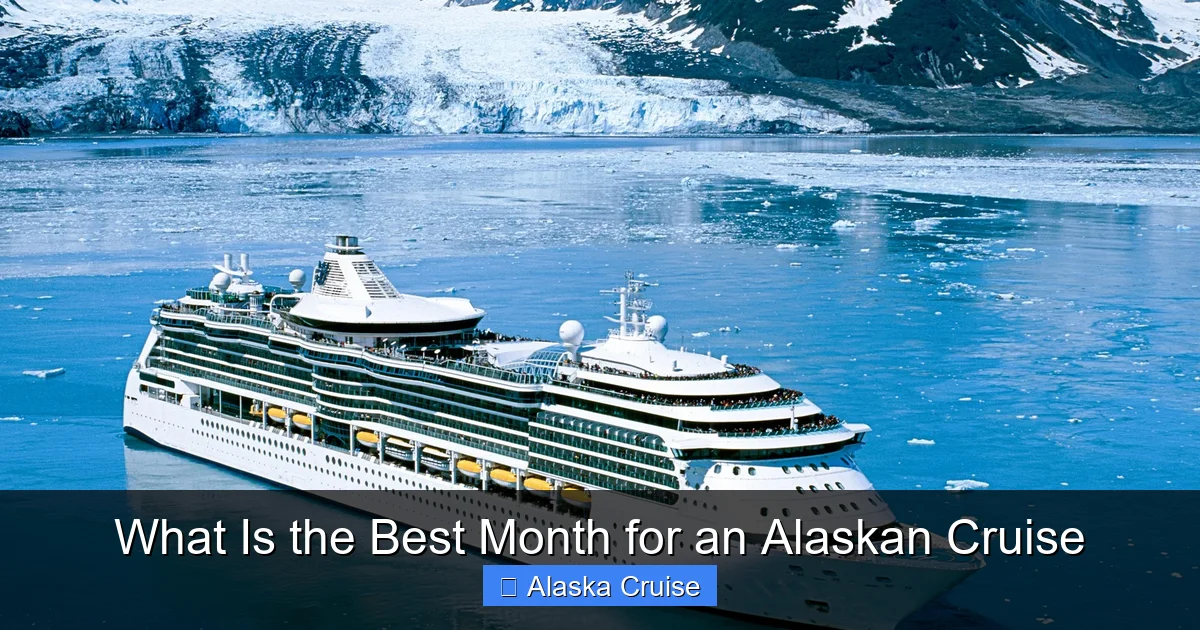
The best month for an Alaskan cruise is July, offering the warmest weather, longest daylight hours, and peak wildlife activity. While June and August are also excellent choices, July strikes the ideal balance for most travelers seeking comfort and adventure.
Planning an Alaskan cruise is an exciting adventure, but one of the most important decisions you’ll make is choosing the right time to go. With dramatic glaciers, towering mountains, and wildlife that seems straight out of a nature documentary, Alaska is a destination that deserves thoughtful planning. The state’s vast size and unique climate mean that weather, daylight, and wildlife activity vary dramatically depending on the month you visit. So, what is the best month for an Alaskan cruise?
The short answer? July. But like most things in travel, the full story is a bit more nuanced. While July consistently ranks as the top choice for most cruisers, other months offer their own unique perks—whether it’s lower prices, fewer crowds, or special seasonal events. In this guide, we’ll break down each month of the Alaskan cruise season, from May to September, so you can decide which time of year best fits your travel style, budget, and bucket-list goals.
Whether you’re dreaming of kayaking beside a calving glacier, spotting humpback whales breaching in Glacier Bay, or hiking through lush temperate rainforests, timing your trip right can make all the difference. We’ll explore everything from average temperatures and daylight hours to wildlife sightings and port availability. By the end, you’ll have a clear picture of when to set sail for the ultimate Alaskan experience.
Key Takeaways
- July is the peak month for Alaskan cruises due to mild temperatures, extended daylight, and abundant wildlife sightings.
- June offers early-season advantages like fewer crowds and blooming wildflowers, though some ports may still have lingering snow.
- August provides a quieter experience with still-warm weather and great chances to see bears and salmon runs.
- May and September are shoulder months with lower prices and fewer tourists, but cooler temps and limited wildlife activity.
- Weather varies significantly across regions and months, so pack layers regardless of when you go.
- Wildlife viewing peaks in July and August, especially for whales, bears, and puffins.
- Daylight hours are longest in June, giving you more time to explore, but July offers the best overall conditions.
📑 Table of Contents
Understanding the Alaskan Cruise Season
Alaska’s cruise season is relatively short, typically running from mid-May to mid-September. This six-month window is dictated by the state’s extreme climate, with long, harsh winters that make travel difficult and dangerous. During the off-season, many ports close, roads become impassable, and wildlife migrates or hibernates. That said, even within this narrow timeframe, conditions can vary widely from one month to the next.
The cruise season is often divided into three phases: the shoulder months (May and September), the early summer (June), peak summer (July), and late summer (August). Each phase offers a different flavor of Alaska, with trade-offs in weather, crowds, prices, and natural phenomena. For example, May might offer lower fares and fewer tourists, but you’ll also face cooler temperatures and the possibility of snow in certain areas. September, on the other hand, brings stunning fall colors and active wildlife, but shorter days and the risk of early storms.
One of the biggest factors influencing your experience is daylight. Alaska experiences extreme variations in daylight hours depending on the time of year. In June, the sun barely sets in some northern regions—this phenomenon, known as the “midnight sun,” allows for nearly 24 hours of daylight in places like Fairbanks. While cruise ships typically stay in southern and coastal areas where the effect is less extreme, you’ll still enjoy 16 to 18 hours of daylight in June and July. By September, daylight drops to around 12 hours, similar to what you’d experience in the lower 48 states.
Another key consideration is port accessibility. Some smaller towns and remote destinations may not open until June or may close by late August. For instance, the popular port of Skagway often welcomes its first cruise ships in early June, while Haines might remain closed until mid-June. Similarly, certain wildlife tours and excursions—like bear viewing in Katmai National Park—are only available during specific months when animals are most active.
Understanding these seasonal rhythms will help you set realistic expectations and choose a cruise that aligns with your priorities. Whether you’re looking for the warmest weather, the best wildlife, or the lowest prices, knowing how the season unfolds is the first step toward a successful trip.
May: The Shoulder Season Begins

Visual guide about What Is the Best Month for an Alaskan Cruise
Image source: addalittleadventure.com
May marks the official start of the Alaskan cruise season, though it’s considered a shoulder month—meaning it’s neither peak nor off-season. For travelers seeking a more budget-friendly and less crowded experience, May can be an appealing option. However, it’s important to go in with eyes wide open, as conditions are still transitioning from winter to spring.
Temperatures in May are cool, with daytime highs ranging from the mid-40s to low 50s°F (7–10°C) in coastal cities like Juneau and Ketchikan. Inland areas and higher elevations may still see snow, and some mountain passes remain closed. That said, the coastal rainforests are beginning to awaken, with budding trees and early wildflowers adding splashes of color to the landscape. You might even catch the tail end of the spring bloom in certain areas.
One of the biggest draws of a May cruise is the lower demand. With school still in session and summer vacations yet to begin, cruise ships are less crowded, and prices are often significantly lower than in July or August. This can mean better cabin availability, more attentive service, and a more relaxed onboard atmosphere. Additionally, popular shore excursions—like whale watching or glacier hikes—may have shorter lines and more personalized experiences.
Wildlife in May is beginning to stir after the long winter. Migratory birds return to the region, and you may spot bald eagles, puffins, and seabirds along the coast. However, larger mammals like bears and whales are less active this early in the season. Humpback whales typically don’t arrive in large numbers until June, and bear sightings are rare before mid-June. That said, you might still catch glimpses of sea lions, seals, and otters in coastal waters.
Port availability can be a limiting factor in May. Some smaller towns and remote destinations may not be fully operational yet. For example, the scenic train ride on the White Pass & Yukon Route in Skagway often doesn’t begin running until early June. Similarly, certain national parks and wildlife refuges may have limited access due to snow or muddy conditions.
If you’re considering a May cruise, pack accordingly. Layers are essential, and waterproof gear is a must—rain is common, especially in the southern panhandle. A good pair of hiking boots, a warm jacket, and a hat will go a long way in keeping you comfortable. Also, be prepared for variable weather; one day might be sunny and mild, while the next brings rain and wind.
In summary, May is a great choice for budget-conscious travelers who don’t mind cooler weather and are flexible with activities. It’s a time of renewal in Alaska, with nature slowly coming back to life. While it may not offer the full Alaskan experience, it provides a peaceful and affordable introduction to the region.
June: The Start of Summer Magic
June is when Alaska truly begins to shine. As the days grow longer and temperatures rise, the state transforms into a lush, vibrant paradise. For many travelers, June represents the perfect balance between good weather, fewer crowds, and the beginning of peak wildlife activity. It’s a popular choice for families, as it falls during the school break, but it still avoids the peak summer rush of July.
Temperatures in June are noticeably milder than in May, with daytime highs averaging in the 50s to low 60s°F (10–16°C) in coastal areas. Nights can still be chilly, especially on the water, so packing layers is still essential. The rainforests are in full bloom, and the landscape is awash with greenery. Wildflowers like lupine, fireweed, and Indian paintbrush begin to dot the hillsides, creating a stunning contrast against the deep blues of glaciers and fjords.
One of the biggest advantages of a June cruise is the daylight. With up to 18 hours of sunlight in some areas, you’ll have plenty of time to explore. This extended daylight allows for longer shore excursions, evening wildlife tours, and even late-night photography sessions. The “magic hour” light—soft, golden, and long-lasting—is perfect for capturing Alaska’s dramatic scenery.
Wildlife sightings improve significantly in June. Humpback whales, orcas, and minke whales begin arriving in large numbers, feeding on the abundant krill and small fish that thrive in the nutrient-rich waters. Sea lions and harbor seals are commonly seen lounging on rocky outcrops, while bald eagles soar overhead. On land, black bears start emerging from hibernation, though sightings are still more common in July and August.
Port operations are fully underway by June, with all major cruise ports—including Juneau, Skagway, Ketchikan, and Haines—open for business. The White Pass & Yukon Route train begins running, and popular excursions like glacier dog sledding (on snow) and helicopter tours become available. You’ll also have access to a full range of activities, from kayaking in Tracy Arm Fjord to visiting native cultural centers.
Crowds are moderate in June, heavier than in May but lighter than in July. This means you’ll still enjoy a relatively peaceful experience, with shorter lines at attractions and more availability for last-minute bookings. Cruise fares are also more affordable than in peak season, making June a great value for families and budget travelers.
If you’re planning a June cruise, consider booking popular excursions in advance, as they can fill up quickly. Also, be prepared for variable weather—while June is generally pleasant, rain and wind are still common. A waterproof jacket, warm layers, and sturdy footwear will ensure you stay comfortable no matter the conditions.
In short, June offers a sweet spot for many cruisers: great weather, growing wildlife activity, and a lively but not overwhelming atmosphere. It’s an excellent time to experience Alaska’s natural beauty without the peak-season crowds.
July: The Peak of the Season
July is widely regarded as the best month for an Alaskan cruise, and for good reason. It’s the heart of summer in Alaska, offering the warmest weather, longest days, and most abundant wildlife. For travelers seeking the quintessential Alaskan experience—complete with glacier views, whale sightings, and outdoor adventures—July delivers in spades.
Temperatures in July are at their most comfortable, with daytime highs averaging in the 60s°F (15–20°C) in coastal cities. Nights are cool but rarely freezing, making it ideal for evening walks on deck or outdoor dining. The rainforests are lush and green, and the mountains are mostly free of snow, revealing dramatic rock faces and alpine meadows. This is also the peak of the wildflower season, with fields of fireweed and lupine painting the landscape in vibrant hues.
Daylight is abundant, with up to 18 hours of sun in southern Alaska. This extended daylight allows for longer excursions, late-afternoon wildlife tours, and even midnight sun experiences in northern regions. Many cruisers find themselves staying up late to soak in the golden light, especially during scenic glacier passages like those in Glacier Bay or Hubbard Glacier.
Wildlife is at its most active in July. Humpback whales are frequently spotted breaching and feeding in groups, while orcas patrol the waters near the coast. On land, black bears are commonly seen foraging along riverbanks, especially in areas like Pack Creek on Admiralty Island. Salmon begin their upstream migration, attracting bears, eagles, and fishermen alike. Puffins, bald eagles, and seabird colonies are also highly visible during this time.
All major ports and excursions are fully operational in July, offering the widest range of activities. From dog sledding on glaciers (via helicopter) to ziplining through temperate rainforests, there’s no shortage of adventure. Cultural experiences, such as Tlingit dance performances and native art workshops, are also widely available.
Of course, July is also the busiest month. Cruise ships are at or near capacity, and popular excursions can book up months in advance. Ports like Juneau and Skagway can feel crowded, especially on days when multiple ships dock. However, the energy is infectious, and many travelers enjoy the lively atmosphere.
Prices are at their highest in July, reflecting the peak demand. If budget is a concern, consider booking early or looking for last-minute deals. Alternatively, opt for a smaller ship or a less popular itinerary to save money while still enjoying the summer magic.
For the best experience in July, pack smart. Bring layers, rain gear, and sun protection—yes, even in Alaska, the sun can be strong. Book excursions early, and consider arriving a day early to explore your departure city. And don’t forget your camera—July offers some of the most photogenic conditions of the year.
In summary, July is the gold standard for Alaskan cruises. It’s the month when everything comes together: weather, wildlife, and adventure. If you’re looking for the full Alaskan experience, July is hard to beat.
August: Late Summer Serenity
August offers a slightly quieter alternative to July, with still-warm weather and excellent wildlife viewing. As the peak season winds down, many travelers appreciate the more relaxed pace and the chance to see Alaska in a different light. It’s a great choice for those who want summer conditions without the crowds.
Temperatures in August are similar to July, with daytime highs in the 60s°F (15–20°C). Nights begin to cool slightly, especially toward the end of the month, signaling the approach of fall. The landscape starts to change, with early hints of autumn color in the aspens and birch trees. This subtle shift adds a new dimension to the scenery, especially in inland areas.
Wildlife remains highly active in August. Salmon runs are in full swing, drawing bears to rivers and streams in large numbers. This is one of the best times to see brown bears in places like Katmai National Park or Anan Creek. Whales are still abundant, and seabird colonies are busy raising their young. Puffins, in particular, are often seen in large numbers during August.
Crowds begin to thin out in August, especially after the third week. This means shorter lines at attractions, more availability for excursions, and a more peaceful onboard experience. Cruise fares also start to drop, making it a good value for late-summer travelers.
Port operations remain strong, though some remote excursions may begin to wind down by late August. It’s still a great time for glacier viewing, kayaking, and cultural tours. However, weather can become more unpredictable, with a higher chance of rain and wind as the month progresses.
If you’re considering an August cruise, aim for the first three weeks for the best conditions. Pack layers and be prepared for changing weather. August offers a wonderful balance of summer warmth and autumn charm, making it a favorite among repeat visitors.
September: The Shoulder Season Ends
September marks the end of the cruise season, with cooler temperatures and shorter days. However, it’s also a time of stunning beauty, as the landscape transforms into a tapestry of gold, red, and orange. For travelers who enjoy fall colors and don’t mind cooler weather, September can be a magical time to visit.
Temperatures in September range from the 40s to 50s°F (4–12°C), with colder nights. Rain is more frequent, and early snow is possible in higher elevations. Daylight drops to around 12 hours, similar to the lower 48 states.
Wildlife is still active, especially bears feeding on late salmon runs. Whales may still be present, though numbers decline as migration begins. Birdwatchers will enjoy the fall migration, with thousands of birds passing through the region.
Crowds are minimal in September, and prices are at their lowest. However, some ports and excursions may close by mid-month. If you go, book early and pack warm, waterproof clothing.
In summary, September is ideal for budget travelers and nature lovers who want a quieter, more intimate Alaskan experience.
Conclusion
So, what is the best month for an Alaskan cruise? While July stands out as the top choice for most travelers, the “best” month ultimately depends on your priorities. If you want the warmest weather, longest days, and peak wildlife, July is your answer. But if you prefer fewer crowds, lower prices, or the beauty of spring or fall, May, June, August, or September may be a better fit.
No matter when you go, Alaska promises an unforgettable adventure. From towering glaciers to playful whales, the Last Frontier offers experiences that stay with you long after you return home. By understanding the seasonal rhythms and planning accordingly, you can ensure your cruise is everything you dreamed of—and more.
Frequently Asked Questions
What is the best month for an Alaskan cruise?
The best month for an Alaskan cruise is July, offering the warmest weather, longest daylight, and peak wildlife activity. It’s the most popular time to visit, with ideal conditions for sightseeing and outdoor adventures.
Is June a good time for an Alaskan cruise?
Yes, June is an excellent time for an Alaskan cruise. It offers mild weather, growing wildlife activity, and fewer crowds than July. It’s a great balance of comfort and value.
Can you see whales in May in Alaska?
Whale sightings are less common in May, as humpback whales typically arrive in larger numbers in June. However, you may still spot orcas, minke whales, or early-arriving humpbacks.
Are Alaskan cruises cold in August?
August is generally mild, with daytime temperatures in the 60s°F. Nights can be cool, so layers are recommended. It’s not cold, but it’s cooler than July.
Do cruise ships run in September?
Yes, most cruise lines operate through mid-September. However, some ports and excursions may close earlier, and weather becomes less predictable.
What should I pack for an Alaskan cruise?
Pack layers, a waterproof jacket, warm clothing, sturdy footwear, and sun protection. Even in summer, weather can change quickly, so be prepared for rain and wind.