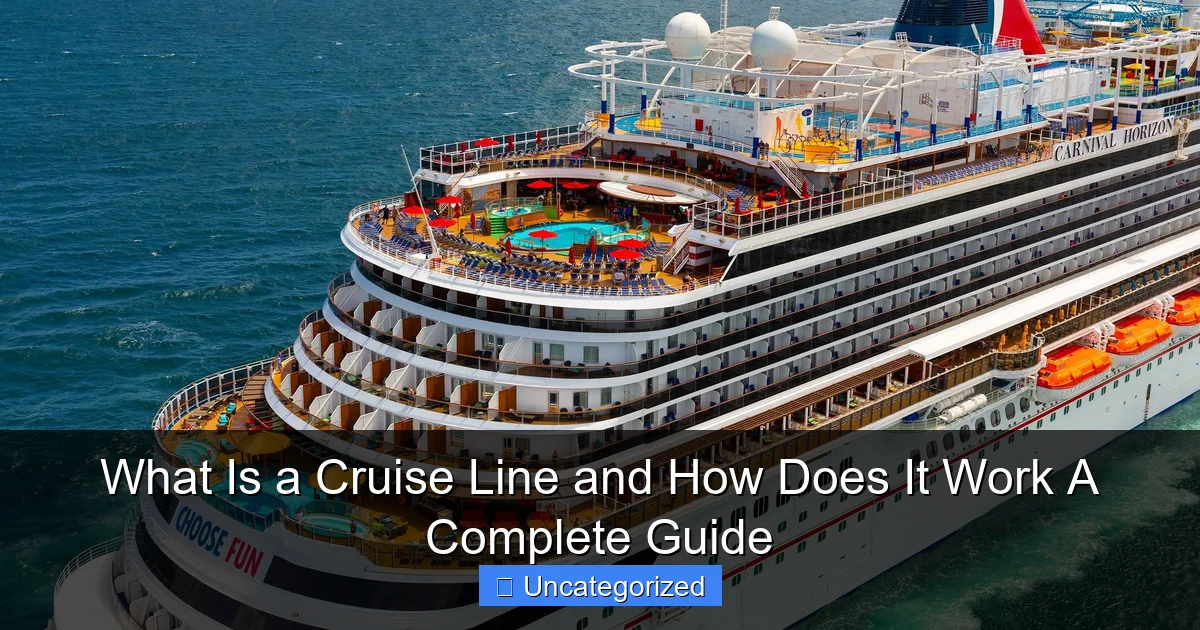
Featured image for what is a cruise line
Image source: a.travel-assets.com
A cruise line is a company that operates a fleet of ships designed to provide leisure voyages, combining transportation, accommodations, dining, and entertainment into one seamless vacation experience. These floating resorts follow set itineraries, docking at multiple destinations while guests enjoy onboard amenities like pools, theaters, and gourmet restaurants. From budget-friendly escapes to luxury voyages, cruise lines cater to diverse travelers, making them a unique and all-inclusive way to explore the world by sea.
Key Takeaways
- Cruise lines operate ships that offer vacation packages with lodging, dining, and entertainment.
- They sail fixed itineraries, visiting multiple destinations without changing accommodations.
- Revenue comes from tickets, onboard spending, and excursions for a seamless experience.
- Cruise ships are floating resorts, featuring pools, shows, and activities for all ages.
- Lines vary by target audience, from luxury to budget-friendly or family-focused options.
- Booking early saves money and secures preferred cabins and promotions.
📑 Table of Contents
- What Is a Cruise Line and How Does It Work? A Complete Guide
- Understanding the Basics: What Is a Cruise Line?
- Types of Cruise Lines: Finding the Right Fit
- How Cruise Lines Work: Behind the Scenes
- Choosing the Right Cruise Line: A Step-by-Step Guide
- Maximizing Your Cruise Experience: Pro Tips and Insights
- Conclusion: The Endless Possibilities of Cruise Travel
What Is a Cruise Line and How Does It Work? A Complete Guide
Imagine waking up to a new skyline every morning, dining under the stars, or exploring tropical islands without the hassle of packing and unpacking. This is the magic of a cruise vacation—a unique blend of transportation, accommodation, entertainment, and exploration all rolled into one floating resort. But what exactly is a cruise line, and how does it operate behind the scenes to deliver unforgettable experiences? Whether you’re a first-time cruiser or a seasoned traveler looking to deepen your understanding, this guide unpacks the world of cruise lines from their origins to their modern-day operations.
Cruise lines are more than just companies that operate ships; they are intricate ecosystems of hospitality, logistics, and customer service. From luxury liners that cater to elite travelers to budget-friendly options offering fun for families, cruise lines vary widely in size, scope, and service. They manage everything from itinerary planning and onboard amenities to safety protocols and environmental sustainability. In this comprehensive guide, we’ll explore what defines a cruise line, how they function, the different types available, and what you need to know to make the most of your next cruise vacation.
Understanding the Basics: What Is a Cruise Line?
Definition and Core Functions
A cruise line is a company that owns and operates cruise ships, offering vacation packages that include transportation, lodging, meals, entertainment, and access to ports of call. Unlike traditional hotels or airlines, cruise lines integrate multiple services into a single experience. Their core functions include:
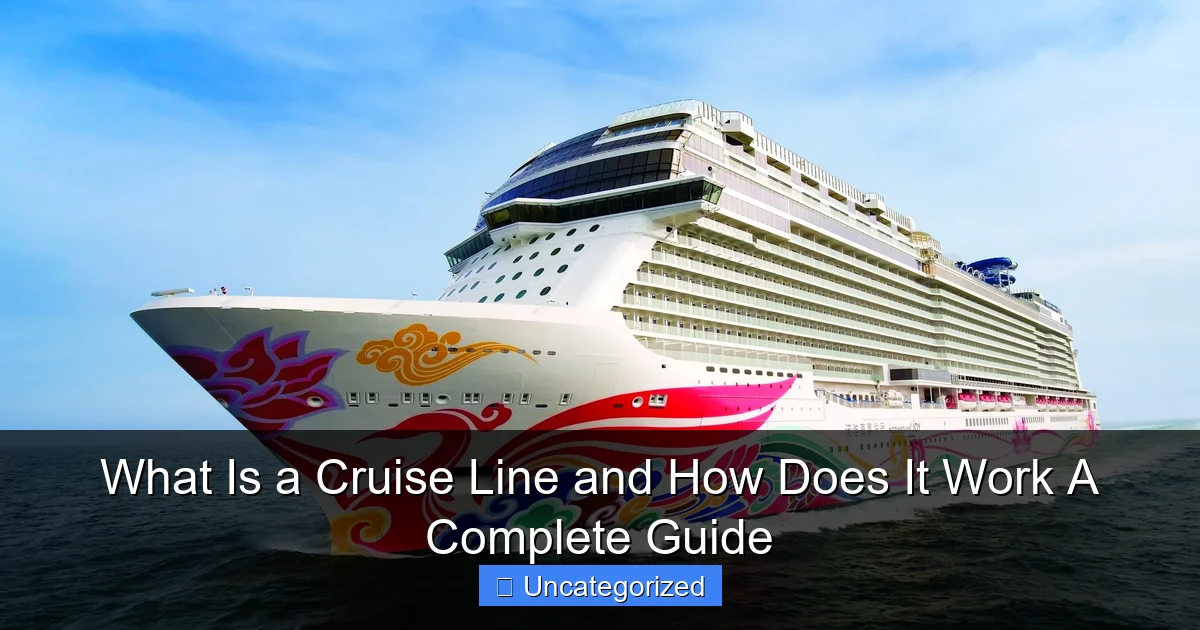
Visual guide about what is a cruise line
Image source: gannett-cdn.com
- Fleet Management: Owning, leasing, or chartering ships of various sizes and capacities.
- Itinerary Planning: Designing routes that visit multiple destinations, often across countries or even continents.
- Onboard Services: Providing dining, entertainment, spa, fitness, and recreational activities.
- Guest Experience: Ensuring safety, comfort, and satisfaction throughout the journey.
- Logistics and Operations: Managing crew, supplies, fuel, waste, and port coordination.
For example, Carnival Cruise Line operates over 25 ships and specializes in fun, family-oriented vacations with vibrant entertainment and casual dining. In contrast, Regent Seven Seas Cruises focuses on all-inclusive luxury, offering spacious suites, fine dining, and personalized service.
Key Components of a Cruise Line Operation
Behind every smooth sailing experience is a complex network of departments working in harmony:
- Corporate Offices: Handle marketing, sales, reservations, and strategic planning.
- Shipboard Management: Includes the captain, hotel director, and department heads (dining, entertainment, housekeeping).
- Port Agents: Local representatives who coordinate docking, excursions, and customs procedures.
- Crew and Staff: Ranging from hospitality professionals to engineers and medical personnel, often from over 100 countries.
- Technology Systems: Reservation platforms, guest tracking, navigation systems, and emergency protocols.
For instance, Royal Caribbean uses its proprietary Royal App to allow guests to book dining, excursions, and onboard activities—streamlining the guest experience through digital integration.
Types of Cruise Lines: Finding the Right Fit
Mainstream Cruise Lines
These are the most popular and widely recognized cruise lines, targeting families, couples, and first-time cruisers. They offer a balance of affordability, fun, and convenience with large ships, diverse amenities, and frequent departures.
- Examples: Carnival Cruise Line, Royal Caribbean International, Norwegian Cruise Line (NCL).
- Features: Multiple dining options, Broadway-style shows, water parks, kids’ clubs, and themed nights.
- Best For: Budget-conscious travelers, families, and those who enjoy high-energy environments.
Tip: Look for “cruise-only” deals or early-bird promotions to save up to 30% on mainstream cruises.
Luxury Cruise Lines
Focused on exclusivity, comfort, and personalized service, luxury cruise lines operate smaller ships with higher staff-to-guest ratios. Most offer all-inclusive pricing (drinks, gratuities, excursions).
- Examples: Regent Seven Seas Cruises, Seabourn, Silversea, Crystal Cruises.
- Features: Butler service, fine dining, spacious suites, private balconies, and curated shore excursions.
- Best For: Affluent travelers, couples, and those seeking a refined, low-crowd experience.
Example: Regent’s “Free Unlimited Shore Excursions” policy means guests can book up to 10 excursions per cruise at no extra cost.
Premium Cruise Lines
Positioned between mainstream and luxury, premium lines offer elevated experiences without the ultra-high price tag. They emphasize quality dining, cultural enrichment, and attentive service.
- Examples: Holland America Line, Princess Cruises, Celebrity Cruises.
- Features: Themed cruises (e.g., culinary, wellness), enrichment programs, and destination-focused itineraries.
- Best For: Travelers seeking a more relaxed pace with cultural depth.
Tip: Princess Cruises’ “Discovery at Sea” program partners with Discovery Channel to offer science and nature-focused activities.
River and Coastal Cruise Lines
Specializing in smaller vessels, these lines focus on inland waterways (rivers, canals) or coastal routes. They offer intimate experiences with access to smaller ports unreachable by large ships.
- Examples: Viking River Cruises, AmaWaterways, American Cruise Lines.
- Features: Scenic routes, cultural immersion, gourmet dining, and included excursions.
- Best For: Travelers interested in history, architecture, and local culture.
Example: Viking’s “Longship” vessels carry only 190 guests, allowing access to narrow European rivers like the Seine and Rhine.
Adventure and Expedition Cruise Lines
Designed for thrill-seekers and nature lovers, these lines operate in remote regions like Antarctica, the Arctic, or the Galápagos. Ships are often ice-classified and carry expert guides.
- Examples: Lindblad Expeditions (in partnership with National Geographic), Quark Expeditions, Hurtigruten.
- Features: Zodiac landings, wildlife spotting, scientific research opportunities, and eco-friendly practices.
- Best For: Adventurous travelers, photographers, and eco-tourists.
Tip: Expedition cruises often require physical fitness—some landings involve hiking or kayaking.
How Cruise Lines Work: Behind the Scenes
Itinerary Design and Scheduling
Creating a cruise itinerary is a complex process that balances guest preferences, port availability, fuel efficiency, and weather patterns. Cruise lines use data analytics to:
- Select ports with high demand (e.g., Caribbean islands, Mediterranean cities).
- Coordinate docking schedules to avoid congestion.
- Plan for seasonal changes (e.g., Alaska cruises in summer, Caribbean in winter).
- Include sea days for rest and onboard activities.
Example: A 7-night Eastern Caribbean cruise might include stops in Nassau (Bahamas), San Juan (Puerto Rico), and St. Thomas (U.S. Virgin Islands), with two sea days for relaxation.
Onboard Revenue and Pricing Models
While the base fare covers accommodation, meals, and basic entertainment, cruise lines generate significant revenue through:
- Onboard Spend: Drinks, specialty dining, spa treatments, shore excursions, and retail.
- Dynamic Pricing: Fares fluctuate based on demand, season, and booking time (early bookings are cheaper).
- All-Inclusive Packages: Some lines (e.g., Virgin Voyages) include drinks, Wi-Fi, and tips in the base fare.
Tip: Pre-booking excursions and drink packages online can save 10–20% compared to onboard prices.
Safety and Regulatory Compliance
Cruise ships are among the most regulated vessels in the world. Cruise lines must adhere to:
- International Maritime Organization (IMO) Standards: For safety, pollution prevention, and crew training.
- Flag State Regulations: Ships are registered under a country’s flag (e.g., Bahamas, Malta), which enforces safety codes.
- Port State Control: Inspections at ports to ensure compliance.
- Medical Facilities: Ships carry doctors, nurses, and emergency equipment.
Example: After the 2020 pandemic, cruise lines implemented enhanced sanitation protocols, contactless check-in, and reduced capacity—many of which remain today.
Sustainability and Environmental Practices
Modern cruise lines are investing heavily in eco-friendly technologies:
- Liquid Natural Gas (LNG) Engines: Reduce emissions (e.g., Carnival’s AIDAnova).
- Advanced Wastewater Treatment: Systems that purify sewage before discharge.
- Shore Power: Ships plug into port electricity to reduce engine use while docked.
- Single-Use Plastic Bans: Many lines have eliminated straws, cups, and utensils.
Data: According to CLIA (Cruise Lines International Association), 80% of new ships will be LNG-powered by 2030.
Choosing the Right Cruise Line: A Step-by-Step Guide
Step 1: Define Your Travel Goals
Ask yourself:
- Are you traveling with kids, as a couple, or solo?
- Do you want relaxation, adventure, or cultural immersion?
- What’s your budget (including onboard spending)?
Example: A family with young children might prefer Carnival’s “Camp Ocean” kids’ club, while a couple might choose Seabourn’s romantic ambiance.
Step 2: Match Itinerary to Interests
- Beach Lovers: Caribbean, South Pacific (Norwegian, Royal Caribbean).
- History Buffs: Mediterranean, Baltic Sea (Viking, Holland America).
- Nature Enthusiasts: Alaska, Galápagos (Lindblad, Hurtigruten).
Tip: Use cruise line websites’ “Find Your Cruise” tools to filter by destination, duration, and interests.
Step 3: Compare Onboard Experiences
Review key amenities:
- Dining: Number of restaurants, specialty options (e.g., vegan, gluten-free).
- Entertainment: Shows, live music, casinos, enrichment programs.
- Family-Friendly Features: Kids’ clubs, teen lounges, babysitting.
- Accessibility: ADA-compliant cabins, medical facilities.
Example: Royal Caribbean’s Anthem of the Seas offers a skydiving simulator, robotic bartenders, and a 300-foot-high observation pod.
Step 4: Evaluate Pricing and Inclusions
- Check what’s included: Drinks, tips, excursions, Wi-Fi?
- Look for promotions: Free upgrades, onboard credit, companion fares.
- Consider timing: Shoulder seasons (April–May, September–October) offer lower prices.
Tip: Use third-party sites like Cruise Critic or Vacations To Go to compare prices across lines.
Maximizing Your Cruise Experience: Pro Tips and Insights
Pre-Cruise Preparation
- Book Early: Secure the best cabins (balcony, suite) and promotions.
- Download Apps: Most lines offer apps for itinerary updates, dining reservations, and messaging.
- Pack Smart: Include motion sickness remedies, formal attire (for dress-up nights), and a power strip (limited outlets).
Example: Carnival’s “Faster to the Fun” add-on ($50–$100) lets you skip lines at check-in, embarkation, and tendering.
Onboard Hacks
- Attend Welcome Aboard Events: Learn about safety drills, dining options, and daily activities.
- Use the Concierge: Premium cabins often include a concierge to book excursions or restaurants.
- Visit Off-Peak: Pools and gyms are less crowded in the early morning or late afternoon.
- Join Loyalty Programs: Earn points for free cruises, upgrades, and perks (e.g., priority boarding).
Tip: Royal Caribbean’s “Crown & Anchor Society” offers members exclusive events and discounts.
Shore Excursions: DIY vs. Booked
- Booked: Convenient, vetted, and covered by the cruise line’s insurance. Often more expensive.
- DIY: Cheaper, more flexible, but requires research and risk management (e.g., missing the ship).
Data Table: Average Shore Excursion Costs (Per Person)
| Excursion Type | Cruise Line (Average) | Independent (Average) |
|---|---|---|
| Snorkeling Trip | $80–$120 | $40–$70 |
| City Tour | $60–$100 | $20–$50 |
| Adventure Activity (e.g., Zip-lining) | $100–$150 | $60–$100 |
| Cultural Experience | $70–$110 | $30–$60 |
Tip: Research ports using apps like Tripadvisor or local tourism boards before booking.
Post-Cruise Tips
- Review Your Bill: Check for errors in onboard charges.
- Leave Feedback: Most lines send surveys—your input shapes future improvements.
- Share Photos: Many lines offer photo packages; download them before disembarking.
Conclusion: The Endless Possibilities of Cruise Travel
Cruise lines have evolved from simple sea voyages into sophisticated vacation platforms that cater to every taste and budget. Whether you’re drawn to the vibrant energy of a megaship, the serene elegance of a luxury liner, or the wild frontiers of an expedition cruise, there’s a perfect match waiting. By understanding how cruise lines work—from itinerary design to onboard operations—you’re equipped to make informed choices and maximize your experience.
Remember, the best cruise isn’t just about the destination; it’s about the journey. With careful planning, insider tips, and an open mind, your next cruise can be a seamless blend of relaxation, adventure, and discovery. So set sail, embrace the horizon, and let the world unfold from your balcony. The open sea isn’t just a route—it’s a lifestyle.
Frequently Asked Questions
What is a cruise line exactly?
A cruise line is a company that operates and manages a fleet of cruise ships, offering vacation packages that include accommodations, meals, entertainment, and transportation between destinations. These companies specialize in providing all-inclusive travel experiences, often catering to specific markets like luxury, family-friendly, or adventure cruises.
How does a cruise line work to deliver a seamless vacation?
A cruise line coordinates every aspect of your trip, from onboard services like dining and activities to port excursions and itinerary planning. Revenue is generated through ticket sales, onboard spending, and partnerships with local tour operators at each destination.
What is the difference between a cruise line and a cruise ship?
A cruise line is the company that owns or operates multiple ships (e.g., Royal Caribbean or Carnival), while a cruise ship is the individual vessel that sails the route. Think of the cruise line as the airline and the ship as the airplane.
How do cruise lines make money?
Cruise lines earn revenue primarily through passenger ticket sales, but also from onboard spending (drinks, spa services, shops, and gambling) and shore excursion commissions. Additional income comes from partnerships with travel agencies and loyalty programs.
What is included in a cruise line ticket?
Most cruise line tickets cover accommodations, standard meals, basic beverages (like water and coffee), and access to onboard entertainment and fitness facilities. Extras like alcoholic drinks, specialty dining, spa treatments, and Wi-Fi often require additional fees.
How do cruise lines handle environmental concerns?
Modern cruise lines invest in eco-friendly technologies like cleaner fuel options, advanced wastewater treatment systems, and waste recycling programs. Many also participate in sustainability initiatives and adhere to international maritime environmental regulations.