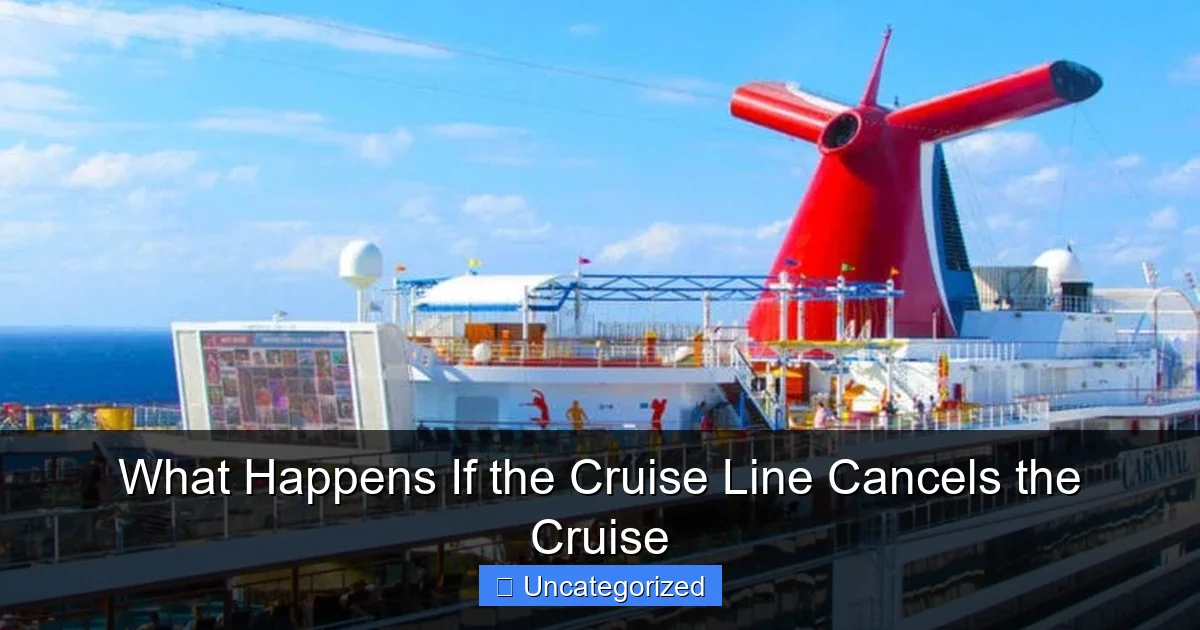
Featured image for what happens if the cruise line cancels the cruise
Image source: cruisefever.net
If the cruise line cancels your cruise, you’re typically entitled to a full refund or a future cruise credit—often with added compensation like onboard credit or discounts. Most major cruise lines guarantee reimbursement for pre-paid expenses and may cover flights or hotels if the cancellation is within their control. Always check your cruise contract and travel insurance to maximize your protection and avoid unexpected losses.
Key Takeaways
- Act quickly: Contact the cruise line immediately for rebooking or refund options.
- Review policies: Check contract terms to understand compensation and refund rights.
- Document everything: Keep records of cancellations, emails, and customer service calls.
- Explore alternatives: Consider future cruise credits or rescheduling with added perks.
- Check insurance: File a claim if covered for trip cancellation or delays.
- Know your rights: EU and other regulations may entitle you to additional compensation.
📑 Table of Contents
- What Happens If the Cruise Line Cancels the Cruise
- Reasons Why a Cruise Line Might Cancel a Cruise
- Your Rights and Entitlements When a Cruise Is Canceled
- How to Navigate the Cancellation Process Step-by-Step
- Real-World Examples and Case Studies
- Proactive Tips to Protect Yourself from Cancellation Risks
- Conclusion
What Happens If the Cruise Line Cancels the Cruise
Picture this: You’ve spent months planning your dream vacation, meticulously selecting the perfect cruise itinerary, booking excursions, and even purchasing new swimwear. Your bags are packed, and you’re counting down the days with excitement. Then, out of the blue, you receive an email: “Your cruise has been canceled.” Your heart sinks. Panic sets in. What now?
While cruise vacations are often associated with relaxation and adventure, the reality is that cancellations can—and do—happen. From global pandemics and geopolitical conflicts to mechanical failures and extreme weather, cruise lines occasionally cancel voyages for reasons beyond your control. Understanding your rights, the compensation you’re entitled to, and how to navigate the post-cancellation process can make all the difference in minimizing stress and maximizing recovery. Whether you’re a first-time cruiser or a seasoned seafarer, knowing what happens if the cruise line cancels the cruise is essential for protecting your investment and peace of mind.
Reasons Why a Cruise Line Might Cancel a Cruise
Mechanical or Safety Issues
One of the most common reasons for cruise cancellations is mechanical failure. Modern cruise ships are complex vessels with thousands of moving parts. When critical systems—such as propulsion, navigation, or life-saving equipment—fail or require urgent repairs, the cruise line may cancel the voyage for safety reasons. For example, in 2022, Carnival Cruise Line canceled a 14-day transatlantic cruise on the Carnival Magic due to an engine malfunction that required dry-dock repairs.
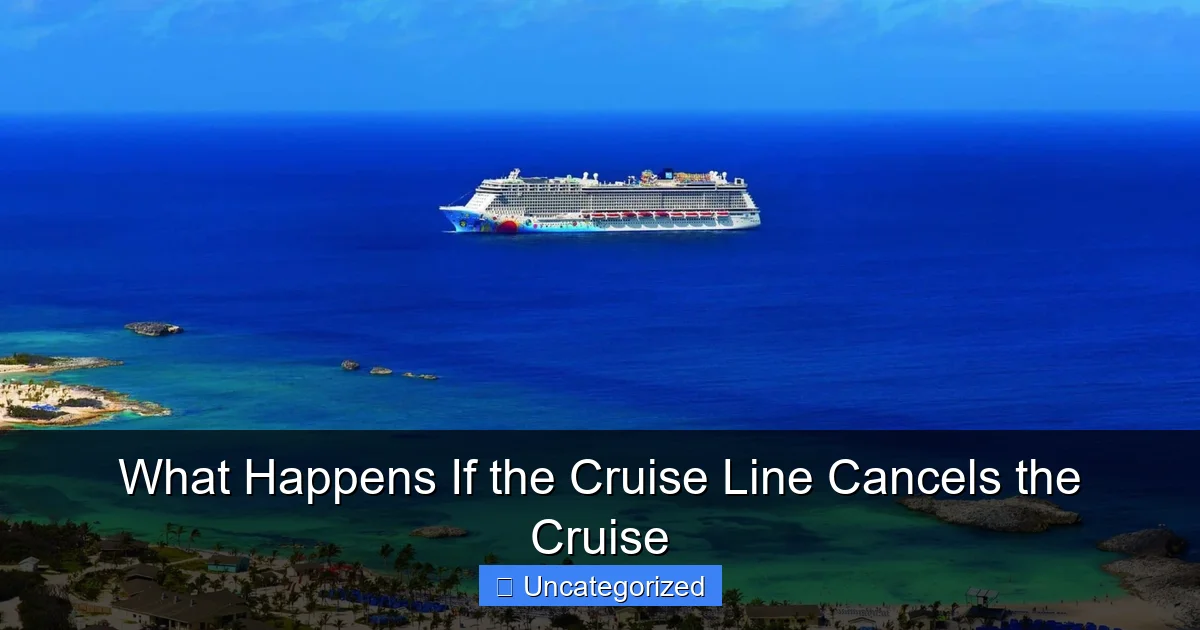
Visual guide about what happens if the cruise line cancels the cruise
Image source: cruisepassenger.com.au
While inconvenient, safety-related cancellations are non-negotiable. The International Maritime Organization (IMO) and flag-state regulations require cruise lines to maintain strict safety standards. If a ship fails inspection or experiences a major technical issue, the cruise line must prioritize passenger safety over schedule.
Weather and Natural Disasters
Hurricanes, typhoons, and severe storms can wreak havoc on cruise itineraries. Cruise lines closely monitor weather patterns and may cancel or alter sailings to avoid dangerous conditions. In 2023, Norwegian Cruise Line canceled several Caribbean voyages during Hurricane Idalia due to port closures and unsafe sea conditions.
Even without a direct hit, storms can disrupt port operations, making docking impossible. For instance, high winds or flooding can shut down cruise terminals, forcing last-minute cancellations. While cruise lines typically don’t cancel for minor weather, they will do so if the risk to passengers or crew is deemed too high.
Geopolitical and Global Crises
Political instability, terrorism threats, or global health emergencies can lead to mass cancellations. The most notable example is the COVID-19 pandemic, which caused the global suspension of cruise operations in March 2020. Over 500 ships were docked, and millions of passengers had their cruises canceled indefinitely.
Similarly, geopolitical tensions—such as the Russia-Ukraine war—have led cruise lines to cancel Black Sea itineraries and reroute ships to safer regions. In 2022, Princess Cruises canceled multiple Eastern Mediterranean sailings due to security concerns in the region.
Port Closures and Government Restrictions
Sometimes, the destination itself becomes inaccessible. Ports may close due to labor strikes, political unrest, or environmental disasters. In 2021, the volcanic eruption on La Palma (Canary Islands) led to the temporary closure of the port of Santa Cruz, affecting several cruise itineraries.
Additionally, governments may impose travel bans or quarantine requirements that make disembarkation impossible. For example, during the early stages of the pandemic, several countries refused entry to cruise ships, even if passengers were healthy, leading to cancellations or extended at-sea periods.
Low Passenger Bookings (Rare but Possible)
While less common, cruise lines may cancel a sailing if too few people book the cruise. This is more likely on repositioning cruises (longer transoceanic voyages) or niche itineraries. If a cruise fails to reach a minimum threshold of bookings, the line may consolidate passengers onto another ship or cancel the voyage entirely.
For example, in 2020, Oceania Cruises canceled a 21-day cruise from Miami to Barcelona due to low occupancy, offering passengers alternative sailings or refunds.
Your Rights and Entitlements When a Cruise Is Canceled
Refunds: What You’re Legally Entitled To
When a cruise line cancels your voyage, you are generally entitled to a full refund of all payments made, including the cruise fare, taxes, port fees, and non-refundable add-ons (e.g., excursions booked through the cruise line). This is mandated by most cruise contracts and consumer protection laws in key markets like the U.S., U.K., and EU.
For example, under the U.S. Department of Transportation’s (DOT) cruise regulations, if a cruise is canceled before departure, passengers must receive a full refund within 14 days. The same applies under the EU Package Travel Directive, which requires refunds within 14 days for canceled package holidays.
Important: If you purchased the cruise through a third-party site (e.g., Expedia or Costco), the refund may be processed through that vendor, so check their policies.
Future Cruise Credits (FCCs) and Their Limitations
Instead of a refund, many cruise lines offer Future Cruise Credits (FCCs) as compensation. An FCC is a voucher that can be applied toward a future cruise, usually valid for 12–24 months. While convenient, FCCs come with caveats:
- They may exclude certain promotions or discounts.
- They might not cover taxes and port fees.
- They could be non-transferable or have blackout dates.
For instance, during the pandemic, Royal Caribbean offered FCCs worth 125% of the original fare to incentivize rebooking. However, passengers had to book within 12 months and couldn’t combine the FCC with other offers.
Tip: Always request a refund first. If you’re offered an FCC, ask if you can convert it to a refund later if you don’t rebook.
Additional Compensation: Airfare, Hotel, and More
Depending on the cruise line and reason for cancellation, you may be entitled to reimbursement for non-refundable airfare, hotel stays, and pre-paid excursions. This is more common during mass cancellations (e.g., pandemics) or when the cruise line is at fault.
For example, in 2020, Holland America Line offered a $200 onboard credit per person and reimbursement for non-refundable airfare for passengers affected by pandemic-related cancellations. MSC Cruises provided up to $500 per person for airfare and hotel expenses.
However, compensation for ancillary expenses is not guaranteed and varies widely. Always check the cruise line’s official cancellation policy and contact customer service for specifics.
Travel Insurance: A Lifeline for Extra Costs
If you purchased comprehensive travel insurance, you may be able to claim reimbursement for non-refundable expenses not covered by the cruise line. Look for policies that include:
- Trip cancellation/interruption
- Travel delay
- Missed connections
- Cancel for Any Reason (CFAR) coverage (premium add-on)
For example, a $1,200 non-refundable flight booked through a third party might not be covered by the cruise line, but a good insurance policy could reimburse you. Always file claims promptly and keep receipts.
How to Navigate the Cancellation Process Step-by-Step
Step 1: Confirm the Cancellation Details
First, read the official cancellation notice carefully. Cruise lines typically send emails or post updates on their websites. Key details to verify:
- Is the entire cruise canceled, or just a port of call?
- Is it a full cancellation or a modified itinerary?
- What compensation is being offered (refund, FCC, credit)?
- What’s the deadline to accept the offer?
Example: In 2021, Celebrity Cruises canceled a cruise due to a positive COVID case on board. Passengers received an email stating, “Your sailing is canceled. You will receive a full refund within 14 days or may opt for a 125% FCC.”
Step 2: Contact the Cruise Line Immediately
Don’t delay. Call the cruise line’s customer service or use their online portal to:
- Confirm your refund or FCC amount
- Ask about compensation for airfare/hotels
- Request documentation for insurance claims
- Clarify rebooking options
Tip: Keep a record of all communications. Take notes during calls and save emails. If you’re offered an FCC, ask for a written confirmation of its terms.
Step 3: Evaluate Your Rebooking Options
If you’re considering rebooking, compare:
- Available sailings within your FCC’s timeframe
- Price differences (FCCs often don’t cover fare increases)
- Itinerary changes (e.g., different ports or duration)
- Onboard credit or perks (some lines offer bonuses for rebooking)
For example, if your original cruise was $1,500, and a new sailing costs $1,800, you’ll need to pay the $300 difference—unless the cruise line offers a “price protection” guarantee.
Step 4: File Insurance and Third-Party Claims
Submit claims to your travel insurance provider, airline, and hotel. Required documents typically include:
- Proof of cancellation (cruise line notice)
- Receipts for non-refundable expenses
- Flight itineraries
- Insurance policy number
Tip: Use a spreadsheet to track claims and deadlines. Most insurers require claims within 90 days of cancellation.
Step 5: Rebook or Move On
Decide whether to rebook or accept the refund. If rebooking:
- Book early to secure preferred cabins
- Consider travel insurance for the new cruise
- Verify if your FCC covers add-ons (excursions, drink packages)
If opting for a refund, allow 7–14 days for processing. Contact the cruise line if the refund doesn’t arrive.
Real-World Examples and Case Studies
Case Study 1: Pandemic Cancellations (2020–2022)
During the COVID-19 pandemic, over 100 million cruise passengers were affected globally. Cruise lines like Carnival, Royal Caribbean, and Norwegian canceled hundreds of sailings and offered FCCs or refunds. Many passengers opted for FCCs, but by 2023, 30% of FCCs remained unused, according to a CLIA (Cruise Lines International Association) report.
Lesson: FCCs are valuable, but they expire. Rebook within 12 months to avoid losing them.
Case Study 2: Hurricane Disruption (2023)
In August 2023, MSC Meraviglia canceled a 7-day Eastern Caribbean cruise due to Hurricane Franklin. Passengers received full refunds and $200 onboard credit. However, those with non-refundable flights had to file separate claims with airlines and insurers.
Lesson: Always book refundable airfare or purchase travel insurance for weather-related risks.
Case Study 3: Mechanical Failure (2021)
A Princess Cruises ship, the Ruby Princess, canceled a 10-day Alaska cruise due to a propulsion issue. Passengers were offered a full refund or a 150% FCC. Many chose to rebook on a similar itinerary the following year.
Lesson: Safety-related cancellations often come with generous compensation.
Data Table: Cruise Cancellation Compensation by Line (2020–2023)
| Cruise Line | Typical Refund Policy | FCC Value | Airfare Reimbursement | Insurance Claim Support |
|---|---|---|---|---|
| Royal Caribbean | Full refund within 14 days | 125% of fare | Up to $500/person (case-by-case) | Yes (with documentation) |
| Carnival | Full refund within 14 days | 100–125% of fare | Rarely offered | Limited |
| Norwegian | Full refund within 14 days | 125% of fare | Up to $300/person | Yes |
| Holland America | Full refund within 14 days | 125% of fare | Up to $200/person + hotel | Yes |
| MSC | Full refund within 14 days | 125% of fare | Up to $500/person | Yes |
Proactive Tips to Protect Yourself from Cancellation Risks
Choose Reputable Cruise Lines with Strong Policies
Research a cruise line’s cancellation history and compensation track record. Lines like Royal Caribbean, MSC, and Norwegian are known for generous FCCs and airfare support. Avoid smaller or newer lines with unclear policies.
Book Refundable Airfare and Flexible Add-Ons
Use airlines that offer free cancellations (e.g., Southwest, JetBlue) or purchase refundable tickets. For hotels, book through sites like Booking.com that offer free cancellation up to 24–48 hours before check-in.
Invest in Comprehensive Travel Insurance
Look for policies that cover:
- Trip cancellation (including cruise line cancellation)
- Trip interruption
- Travel delay (for missed connections)
- Cancel for Any Reason (CFAR) – ideal for uncertain times
Example: A $200 CFAR policy could save you thousands if you need to cancel for personal reasons.
Read the Fine Print in Your Cruise Contract
Every cruise line has a “Cancellation and Refund Policy” in the terms and conditions. Key clauses to review:
- Force majeure (acts of God, pandemics, wars)
- Refund timelines
- FCC terms (expiry, transferability)
- Reimbursement for third-party expenses
Monitor Travel Advisories and Alerts
Check government travel advisories (e.g., U.S. State Department, UK FCDO) before booking. Sign up for cruise line alerts and use apps like Cruise Critic’s “Cruise Watch” for real-time updates on cancellations.
Conclusion
While no one plans for a cruise to be canceled, understanding what happens if the cruise line cancels the cruise empowers you to respond calmly and effectively. From securing refunds and FCCs to filing insurance claims and rebooking, the process is manageable with the right knowledge and preparation. Remember, cruise lines are legally obligated to refund your fare, and many offer additional compensation—especially during large-scale disruptions.
By choosing reputable lines, booking flexible airfare, investing in travel insurance, and reading your contract, you can minimize financial risk and stress. And if the worst happens, stay organized: document everything, contact customer service promptly, and leverage every available resource. After all, a canceled cruise doesn’t have to mean the end of your vacation dreams—it could be the start of a better one.
Safe travels, and may your next cruise be smooth sailing!
Frequently Asked Questions
What happens if the cruise line cancels the cruise at the last minute?
If the cruise line cancels your cruise close to departure, they typically offer a full refund or a future cruise credit. You may also be entitled to additional compensation, depending on the reason for cancellation and the cruise line’s policies.
Can I get a refund if the cruise line cancels the cruise?
Yes, if the cruise line cancels the cruise, you are generally entitled to a full refund of your cruise fare and any pre-paid packages. Refunds are usually processed within 30–90 days, though policies vary by company.
What compensation am I entitled to if the cruise line cancels the cruise?
Compensation depends on the cruise line and circumstances, but you may receive a full refund, future cruise credit, or onboard credit. Some lines also cover travel expenses if the cancellation is due to operational issues.
Does travel insurance cover a cruise cancellation by the cruise line?
Most travel insurance policies do not cover cancellations made by the cruise line, as this is considered a “known event.” However, some premium plans may offer limited benefits for additional expenses incurred due to the cancellation.
What should I do if the cruise line cancels my cruise?
Contact the cruise line immediately to confirm your options, such as a refund or rebooking. Keep all receipts for non-refundable expenses (e.g., flights) in case you can claim them through travel insurance or compensation programs.
Can I rebook another cruise if the cruise line cancels the original one?
Yes, most cruise lines allow you to rebook another sailing, often with added incentives like onboard credit or discounts. Be sure to ask about flexibility in dates and potential fare differences when rebooking.