Featured image for what does norwegian cruise line own
Image source: cruiseshipmania.com
Norwegian Cruise Line (NCL) owns a dynamic fleet of 18 innovative ships, including record-breaking vessels like *Norwegian Encore* and *Norwegian Prima*, offering global itineraries across six continents. Beyond its core cruise operations, NCL Holdings also controls Oceania Cruises and Regent Seven Seas Cruises, positioning itself as a powerhouse in luxury and premium travel experiences. From cutting-edge amenities to diverse destinations, NCL’s portfolio delivers unforgettable vacations for every traveler.
Key Takeaways
- Norwegian Cruise Line owns 19 modern ships across its Prima, Breakaway, and other classes.
- It operates under three brands: NCL, Oceania Cruises, and Regent Seven Seas Cruises.
- Fleet includes award-winning vessels like Norwegian Prima and Norwegian Encore.
- Owns private island destinations such as Great Stirrup Cay in the Bahamas.
- Strategic partnerships expand global reach through joint ventures and port alliances.
- Invests heavily in LNG-ready ships for sustainable, future-proof cruising.
📑 Table of Contents
- What Does Norwegian Cruise Line Own? Explore Its Fleet and Holdings
- NCL’s Impressive Fleet: The Core of Its Operations
- Private Islands and Exclusive Destinations
- Subsidiaries and Brand Extensions: Beyond the Main Line
- Strategic Partnerships and Port Investments
- Future Developments and Sustainability Initiatives
- Summary: A Diversified and Forward-Thinking Portfolio
What Does Norwegian Cruise Line Own? Explore Its Fleet and Holdings
Norwegian Cruise Line (NCL), one of the world’s most recognizable cruise brands, has built a reputation for innovation, flexibility, and a unique approach to the cruising experience. Founded in 1966, the company has grown from a small regional operator into a global powerhouse, serving millions of passengers annually across six continents. But what exactly does Norwegian Cruise Line own? The answer extends far beyond its fleet of sleek, modern ships. NCL’s holdings include a diverse portfolio of vessels, private island destinations, luxury brands, strategic partnerships, and even stakes in port infrastructure. Whether you’re a seasoned cruiser, a travel enthusiast, or an investor curious about the cruise industry, understanding NCL’s assets reveals the depth and breadth of its operations.
From its pioneering “Freestyle Cruising” concept—which revolutionized onboard dining and entertainment—to its investment in cutting-edge ship designs and sustainable technologies, Norwegian Cruise Line has consistently pushed the envelope. But the company’s success isn’t just about branding; it’s rooted in a carefully curated mix of tangible and intangible assets. This blog post dives deep into what Norwegian Cruise Line owns, exploring its fleet, private destinations, luxury subsidiaries, strategic alliances, and future developments. By the end, you’ll have a comprehensive view of how NCL maintains its competitive edge in a rapidly evolving travel market.
NCL’s Impressive Fleet: The Core of Its Operations
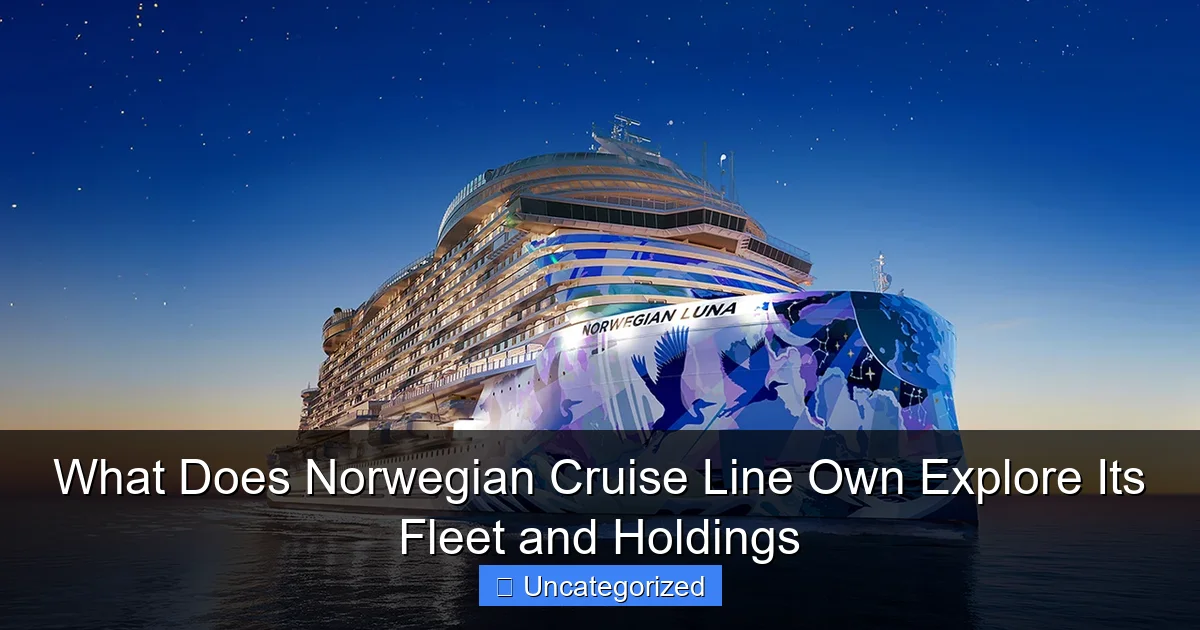
At the heart of Norwegian Cruise Line’s empire is its fleet of modern, technologically advanced cruise ships. As of 2024, the company operates 19 vessels across four distinct classes: the Breakaway, Breakaway Plus, Prima, and Sun classes. Each class is designed to cater to different market segments, from budget-conscious travelers to luxury seekers. The fleet is a testament to NCL’s commitment to innovation, comfort, and sustainability, with newer ships incorporating eco-friendly features like LNG (liquefied natural gas) propulsion and advanced wastewater treatment systems.
Visual guide about what does norwegian cruise line own
Image source: www2.multivu.com
Breakaway and Breakaway Plus Classes: The Workhorses of the Fleet
The Breakaway class, launched in 2013 with Norwegian Breakaway, set a new standard for mid-sized cruise ships. With a capacity of around 4,000 passengers, these vessels feature expansive public spaces, multiple dining options, and a focus on entertainment. The Breakaway Plus class, starting with Norwegian Escape (2015), is even larger—carrying up to 4,200 guests—and includes enhancements like the Waterfront, an open-air promenade with restaurants and bars.
- Norwegian Breakaway (2013): Homeported in New York, known for its vibrant entertainment and rooftop garden.
- Norwegian Getaway (2014): Based in Miami, features a massive water park and a top-deck ropes course.
- Norwegian Escape (2015): Offers a 300-foot-long water slide and a dedicated “Spice H2O” adult zone.
- Norwegian Joy (2017): Originally designed for the Chinese market, now repositioned to Alaska and the West Coast.
- Norwegian Encore (2019): The final Breakaway Plus vessel, features a two-deck racetrack and a massive LED screen.
These ships are designed for high passenger turnover, making them ideal for short Caribbean and Bahamas itineraries. Their size allows NCL to offer competitive pricing while maintaining high onboard revenue through dining, spa, and entertainment upsells.
Prima Class: The Future of NCL
The Prima class represents NCL’s next-generation fleet, with a focus on spaciousness, sustainability, and guest experience. The first ship, Norwegian Prima, debuted in 2022, followed by Norwegian Viva in 2023. These vessels are 20% larger than the Breakaway Plus class but carry fewer passengers (around 3,200), resulting in a higher space-to-guest ratio—a key selling point for luxury cruisers.
- Open-Air Design: The Prima class features a 360-degree outdoor promenade, the largest of any cruise ship.
- Innovation: The Prima Theater uses augmented reality, while the Observation Lounge offers panoramic views.
- Sustainability: Equipped with shore power capability and advanced exhaust cleaning systems (scrubbers).
With four more Prima-class ships on order through 2027, NCL is betting big on this class to attract premium travelers and set new industry benchmarks.
Sun and Other Smaller Vessels: Niche and Regional Focus
While the larger classes dominate NCL’s fleet, the company also operates smaller, more intimate ships like Norwegian Sun and Norwegian Spirit. These vessels (around 2,000 passengers) are ideal for repositioning cruises, exotic itineraries (e.g., Asia, South America), and markets where larger ships face port restrictions.
- Norwegian Sun: Recently refurbished, offers a relaxed vibe with a focus on cultural immersion.
- Norwegian Spirit: Undergoing a $150 million “Freestyle Cruising 2.0” refit in 2024, adding new restaurants and suites.
These ships allow NCL to maintain a presence in emerging markets and offer unique experiences that larger vessels can’t replicate.
Private Islands and Exclusive Destinations
One of Norwegian Cruise Line’s most strategic assets is its portfolio of private island destinations, which provide exclusive, revenue-generating stops for its ships. These islands are not just scenic backdrops; they’re fully operational resorts with activities, dining, and retail opportunities, designed to enhance guest satisfaction and drive onboard spending.
Great Stirrup Cay, Bahamas: NCL’s First Private Island
Acquired in 1977, Great Stirrup Cay is NCL’s original private island, located in the Berry Islands. After a $250 million redevelopment in 2017, it now features:
- Beach Villas: Private cabanas with butler service (bookable for $200–$500/day).
- Water Activities: Snorkeling, paddleboarding, and jet-ski rentals.
- Dining: Open-air restaurants serving Bahamian cuisine and premium cocktails.
With a capacity of 4,000 guests per day, Great Stirrup Cay is a major draw for NCL’s Caribbean itineraries. The island generates revenue through excursions, dining, and retail, with average guest spending of $120–$150 per visit.
Harvest Caye, Belize: A Tropical Eco-Resort
Opened in 2016, Harvest Caye is NCL’s second private island, located off the coast of Placencia, Belize. This 75-acre island is designed as an eco-resort, blending natural beauty with luxury amenities:
- Wildlife: Home to a butterfly garden, crocodile sanctuary, and over 200 species of birds.
- Adventure: Zip-lining, kayaking, and a 3,000-foot zip line over the lagoon.
- Luxury: Overwater cabanas and a 5-star spa.
Unlike Great Stirrup Cay, Harvest Caye offers a more immersive experience, with excursions to the nearby Belize Barrier Reef and Mayan ruins. NCL has invested heavily in sustainability, including solar power and rainwater harvesting.
Future Developments: The Rise of “Island Experiences”
NCL is expanding its private destination strategy with new projects like Ocean Cay MSC Marine Reserve (a partnership with MSC Cruises) and plans for a third private island in the Caribbean. These destinations are critical for:
- Differentiation: Offering unique stops that competitors can’t replicate.
- Revenue: High-margin activities (e.g., cabana rentals, excursions).
- Sustainability: Showcasing NCL’s commitment to environmental stewardship.
For cruisers, private islands mean less crowded beaches, curated experiences, and the ability to explore without the hassle of public ports.
Subsidiaries and Brand Extensions: Beyond the Main Line
While Norwegian Cruise Line is the flagship brand, its parent company, Norwegian Cruise Line Holdings Ltd. (NCLH), owns two other major cruise brands: Oceania Cruises and Regent Seven Seas Cruises. These subsidiaries allow NCLH to capture different market segments, from luxury to ultra-luxury, while sharing operational efficiencies.
Oceania Cruises: The “Upper Premium” Experience
Acquired in 2014, Oceania Cruises targets affluent travelers seeking refined, destination-focused voyages. Its fleet of six mid-sized ships (e.g., Oceania Riviera, Oceania Sirena) features:
- All-Inclusive Dining: No additional charges for specialty restaurants like Toscana and Polo Grill.
- Longer Itineraries: 10–20-day cruises to destinations like Southeast Asia and Antarctica.
- Smaller Size
Oceania’s focus on culinary excellence (e.g., Jacques Pépin-designed menus) and cultural immersion makes it a favorite among foodies and retirees. NCLH has invested in new ships like Oceania Allura (2025), which will feature larger staterooms and enhanced wellness facilities.
Regent Seven Seas Cruises: The Pinnacle of Luxury
Regent, acquired in 2014, is NCLH’s ultra-luxury brand, offering “all-inclusive, all-suite” experiences. Its fleet of five ships (e.g., Seven Seas Splendor, Seven Seas Grandeur) is renowned for:
- All-Inclusive Pricing: Fares cover airfare, excursions, premium drinks, and gratuities.
- Spacious Suites: The largest standard suites in the industry (up to 1,400 sq. ft.).
- Exotic Itineraries: World cruises and expeditions to remote regions like the Galápagos.
With average fares exceeding $1,000 per person per day, Regent caters to high-net-worth travelers. NCLH’s ownership allows Regent to leverage shared resources (e.g., procurement, IT) while maintaining its elite brand identity.
Strategic Synergies and Shared Resources
By owning three distinct brands, NCLH achieves:
- Economies of Scale: Shared marketing, purchasing, and technology platforms.
- Market Coverage: From NCL’s mass-market appeal to Regent’s luxury exclusivity.
- Cross-Promotion: Loyalty programs like Latitudes Rewards allow guests to earn points across brands.
For travelers, this means more options, seamless upgrades, and access to a broader network of destinations.
Strategic Partnerships and Port Investments
Beyond its fleet and brands, Norwegian Cruise Line owns or co-owns several strategic assets that enhance its operational efficiency and guest experience. These include partnerships with port authorities, investments in terminal infrastructure, and collaborations with other industry players.
Port Canaveral Terminal: A Gateway to the Caribbean
In 2014, NCL invested $100 million to build a dedicated cruise terminal at Port Canaveral, Florida, one of the busiest cruise ports in the world. The terminal, which opened in 2019, features:
- Dual Berths: Can accommodate two NCL ships simultaneously.
- Fast Embarkation: Streamlined check-in with biometric screening.
- Sustainability: Solar panels and energy-efficient lighting.
This terminal reduces turnaround time for ships, allowing NCL to offer more frequent departures and competitive pricing. It also strengthens NCL’s relationship with Port Canaveral, ensuring priority docking.
Partnerships with Local Governments and Tourism Boards
NCL has forged alliances with destinations like:
- Alaska: Collaborations with the Alaska Travel Industry Association to promote sustainable tourism.
- Europe: Partnerships with Mediterranean ports to develop shore excursions.
- Asia: Joint ventures with Chinese cruise operators to tap into the growing Asian market.
These partnerships help NCL secure preferential docking rights, develop exclusive itineraries, and support local economies—key to maintaining a positive public image.
Technology and Digital Assets
NCL owns proprietary software like iConcierge, a mobile app that allows guests to book excursions, dining, and spa services. The company also invests in:
- AI-Powered Analytics: To predict demand and optimize pricing.
- Virtual Reality (VR): For pre-cruise destination previews.
These tools enhance the guest experience while providing NCL with valuable data for marketing and operations.
Future Developments and Sustainability Initiatives
Norwegian Cruise Line is not resting on its laurels. The company is actively investing in new technologies, ship designs, and sustainability programs to stay ahead of industry trends.
Next-Generation Ships: LNG and Hydrogen Power
NCL has ordered four LNG-powered ships for its Prima class, with the first, Norwegian Luna, launching in 2026. LNG reduces sulfur emissions by 95% and CO2 emissions by 20%. The company is also exploring hydrogen fuel cells for future vessels, aiming for carbon neutrality by 2050.
Expansion into New Markets
NCL is targeting:
- Asia: New itineraries to Japan, Vietnam, and the Philippines.
- Antarctica: Expedition cruises with Oceania and Regent.
- Space Tourism: A partnership with Virgin Galactic (announced in 2023) to offer “cruise-to-space” packages.
These initiatives position NCL as a forward-thinking leader in the travel industry.
Sustainability: The “Sail & Sustain” Program
NCL’s Sail & Sustain program focuses on:
- Waste Reduction: Eliminating single-use plastics fleet-wide.
- Energy Efficiency: Installing LED lighting and advanced HVAC systems.
- Community Engagement: Supporting coral reef restoration and local education programs.
For eco-conscious travelers, these efforts make NCL a more attractive choice.
Summary: A Diversified and Forward-Thinking Portfolio
Norwegian Cruise Line’s holdings extend far beyond its iconic ships. From its 19-vessel fleet and private island resorts to its luxury subsidiaries and strategic port investments, NCL has built a diversified, vertically integrated empire. The company’s success lies in its ability to adapt to market trends, invest in innovation, and deliver exceptional guest experiences.
For travelers, this means more choices, better amenities, and unique destinations. For investors, it represents a resilient, growth-oriented business model. As NCL continues to expand its fleet, embrace sustainability, and explore new frontiers, one thing is clear: Norwegian Cruise Line owns much more than just cruise ships—it owns the future of ocean travel.
| Asset Category | Examples | Key Features |
|---|---|---|
| Fleet | 19 ships (Breakaway, Prima, etc.) | LNG-powered, AI-driven, high space-to-guest ratio |
| Private Islands | Great Stirrup Cay, Harvest Caye | Exclusive access, high-margin activities |
| Subsidiaries | Oceania Cruises, Regent Seven Seas | All-inclusive luxury, destination-focused |
| Port Infrastructure | Port Canaveral Terminal | Dedicated berths, fast embarkation |
| Sustainability | Sail & Sustain Program | Plastic-free, carbon-neutral goals |
Frequently Asked Questions
What cruise lines does Norwegian Cruise Line own?
Norwegian Cruise Line Holdings (NCLH) owns three major cruise brands: Norwegian Cruise Line, Oceania Cruises, and Regent Seven Seas Cruises. This portfolio allows them to cater to diverse traveler preferences, from contemporary to luxury cruising.
How many ships does Norwegian Cruise Line own?
As of 2024, Norwegian Cruise Line’s fleet includes 19 modern ships, ranging from the innovative Norwegian Prima class to larger vessels like the Breakaway Plus class. The fleet continues to expand with newbuilds in development.
Does Norwegian Cruise Line own private islands?
Yes, Norwegian Cruise Line owns Great Stirrup Cay in the Bahamas, its exclusive private island destination. The island features pristine beaches, water sports, and dining experiences tailored for NCL guests.
What other assets does Norwegian Cruise Line Holdings own?
Beyond ships, Norwegian Cruise Line Holdings owns luxury cruise line Regent Seven Seas and premium brand Oceania Cruises, plus a stake in a Miami-based travel agency. Their holdings focus on high-margin, experience-driven travel.
Are Norwegian Cruise Line’s ships all new?
While Norwegian Cruise Line owns several modern vessels like the Norwegian Encore and Norwegian Prima, its fleet includes a mix of newer and refurbished older ships. The company consistently invests in upgrades to enhance onboard experiences.
What destinations does Norwegian Cruise Line own or control?
Norwegian Cruise Line owns Great Stirrup Cay (Bahamas) and has exclusive access to Harvest Caye (Belize) through a partnership. These private destinations provide unique, controlled experiences for NCL guests.