Featured image for what are the major cruise ship lines
Image source: i0.wp.com
The major cruise ship lines—like Carnival, Royal Caribbean, and Norwegian—dominate the industry with massive fleets, innovative ships, and global itineraries. Each offers unique experiences, from family-friendly thrills to luxury escapes, making them essential to know for any traveler. Understanding their strengths helps you choose the perfect voyage for your style and budget.
Key Takeaways
- Carnival Cruise Line: Best for affordable, fun-focused family vacations with diverse onboard activities.
- Royal Caribbean: Offers innovative ships, thrilling attractions, and global itineraries for adventurous travelers.
- Norwegian Cruise Line: Known for flexible dining and Freestyle Cruising, ideal for independent explorers.
- Princess Cruises: Delivers premium service and destination-rich voyages, perfect for cultural immersion.
- Disney Cruise Line: Unmatched magical experiences, tailored for families with young children.
- MSC Cruises: Combines European elegance with value-driven packages and modern fleet amenities.
- Holland America Line: Focuses on refined, traditional cruising with enriching onboard programs.
📑 Table of Contents
- What Are the Major Cruise Ship Lines You Need to Know
- 1. The Big Three: Industry Giants and Market Leaders
- 2. Luxury and Premium Cruise Lines: Elevating the Experience
- 3. River and Expedition Cruising: Niche Experiences for the Adventurous
- 4. Budget and Value-Oriented Cruise Lines: Cruising on a Dime
- 5. Emerging Trends and Innovations in Cruise Travel
- Conclusion: Finding Your Perfect Cruise Line
What Are the Major Cruise Ship Lines You Need to Know
Imagine waking up to the gentle sway of the ocean, opening your cabin door to a sunrise over turquoise waters, and stepping onto a floating city that offers everything from gourmet dining to Broadway-style shows. This is the magic of cruising — an industry that has evolved from humble ocean liners into a global vacation phenomenon. Whether you’re a first-time cruiser or a seasoned traveler looking to upgrade your sea legs, understanding the major cruise ship lines is your first step toward choosing the perfect voyage. With dozens of brands vying for your attention, it’s essential to know who’s who in the world of cruising — from luxury pioneers to budget-friendly giants and niche innovators.
The cruise industry is a dynamic, multi-billion-dollar sector that caters to every type of traveler. From families seeking all-inclusive fun to retirees looking for serene river journeys, and from thrill-seekers craving adrenaline-pumping activities to couples desiring romantic getaways — there’s a cruise line designed for you. But with so many options, how do you navigate the sea of choices? This comprehensive guide dives deep into the major cruise ship lines you need to know, exploring their unique identities, fleet sizes, destinations, onboard experiences, and value propositions. By the end, you’ll be equipped with the knowledge to pick the line that matches your travel style, budget, and dream itinerary.
1. The Big Three: Industry Giants and Market Leaders
The cruise industry is dominated by three major corporations that own multiple brands, giving them unparalleled reach and influence. These parent companies — Carnival Corporation & plc, Royal Caribbean Group, and Norwegian Cruise Line Holdings Ltd. — collectively operate over 80% of the world’s cruise capacity. Understanding their flagship brands is key to grasping the landscape of modern cruising.
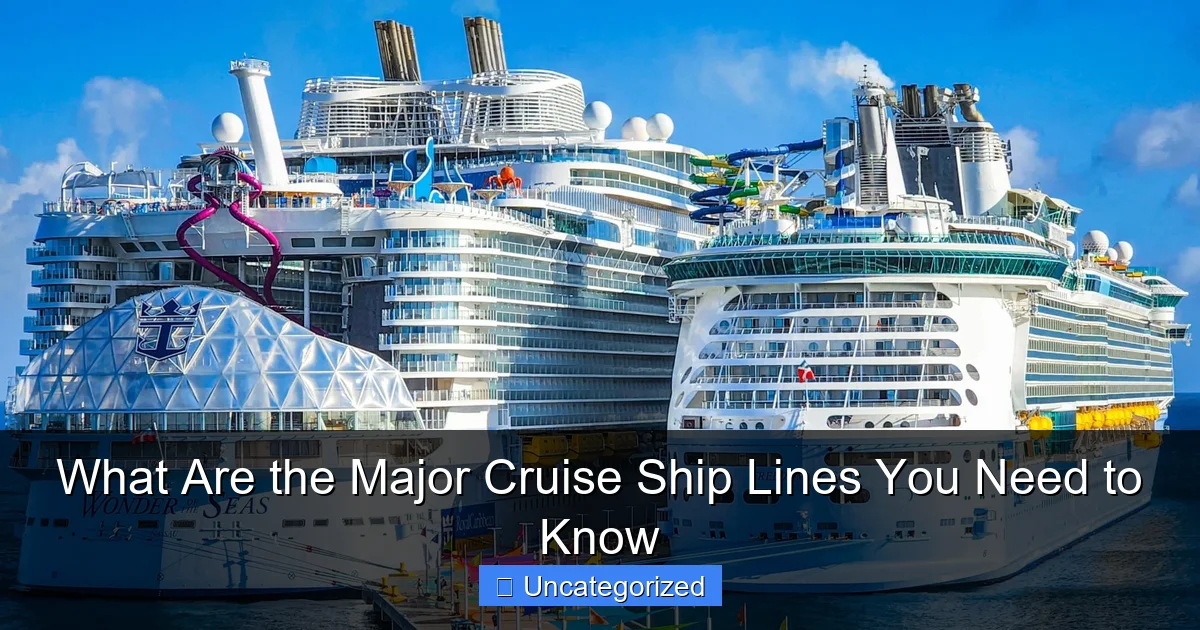
Visual guide about what are the major cruise ship lines
Image source: cruisefever.net
Carnival Corporation: The Fun-Focused Powerhouse
Carnival Corporation, headquartered in Miami, is the world’s largest cruise company by fleet size and passenger volume. It owns nine major cruise brands, including its namesake Carnival Cruise Line, which is often the entry point for first-time cruisers. Known for its “Fun Ships” slogan, Carnival emphasizes affordability, lively entertainment, and family-friendly activities. Its ships, such as the Mardi Gras and Celebration, feature roller coasters, water parks, and vibrant dining options.
Other Carnival Corporation brands include:
- Princess Cruises: A premium line with a focus on destination immersion, especially in Alaska, the Caribbean, and Europe.
- Holland America Line: Renowned for its refined atmosphere, traditional decor, and excellent enrichment programs (e.g., culinary classes, art auctions).
- Seabourn: A luxury brand offering ultra-premium, all-inclusive voyages with small ships and high crew-to-guest ratios.
- Cunard: A heritage line famous for its transatlantic crossings on the Queen Mary 2 and classic British elegance.
Tip: If you’re new to cruising and want a high-energy, budget-conscious experience, Carnival Cruise Line is a great starting point. For a more relaxed, culturally enriching journey, consider Princess or Holland America.
Royal Caribbean Group: Innovation and Adventure
Royal Caribbean Group owns Royal Caribbean International, a brand synonymous with innovation and scale. It operates some of the world’s largest cruise ships, including the Icon of the Seas — the first in its new Icon Class, designed to redefine the cruise experience. These mega-ships feature groundbreaking attractions like the Ultimate Abyss (the tallest slide at sea), robotic bartenders, and Central Park — a real botanical garden onboard.
Royal Caribbean also owns Silversea Cruises, a luxury brand focused on all-inclusive, small-ship expeditions and global destinations. Silversea’s vessels, such as the Silver Nova, offer butler service, fine dining, and immersive cultural excursions.
Key features of Royal Caribbean International:
- Cutting-edge technology and entertainment (e.g., ice skating rinks, aqua shows).
- Extensive family programming, including DreamWorks characters and kids’ clubs.
- Strong presence in the Caribbean, Alaska, and Europe.
Tip: Royal Caribbean is ideal for families, thrill-seekers, and those who want a “city at sea” experience. If you prefer a more intimate, luxurious journey, Silversea delivers exceptional service and exclusivity.
Norwegian Cruise Line Holdings: Freedom and Flexibility
Norwegian Cruise Line (NCL) is the flagship brand of Norwegian Cruise Line Holdings, known for its “Freestyle Cruising” concept — a departure from traditional set dining times and formal nights. This flexibility appeals to younger travelers and couples who want to dine when they want, wear what they want, and explore at their own pace.
NCL’s newer ships, like the Norwegian Prima and Viva, feature open-air promenades, immersive dining (e.g., a racetrack restaurant), and the Ocean Boulevard — a 40,000-square-foot outdoor space with a glass bridge and infinity pool.
The group also includes:
- Oceania Cruises: A premium brand focused on culinary excellence and destination immersion. Its ships, such as the Insignia, offer gourmet dining curated by Jacques Pépin and extensive shore excursions.
- Regent Seven Seas Cruises: An ultra-luxury line where nearly everything — including airfare, shore excursions, and premium drinks — is included in the fare.
Tip: Choose NCL for a casual, flexible vacation. Opt for Oceania if you’re a foodie who loves cultural exploration, and select Regent for a no-compromise luxury experience.
2. Luxury and Premium Cruise Lines: Elevating the Experience
For travelers seeking refinement, personalized service, and all-inclusive elegance, luxury and premium cruise lines offer a world apart from the mass-market giants. These lines prioritize smaller ships, higher crew-to-guest ratios, and curated experiences that emphasize comfort, cuisine, and cultural immersion.
Ultra-Luxury Leaders: Regent, Seabourn, and Silversea
As mentioned, Regent Seven Seas Cruises is the gold standard in all-inclusive luxury. With ships like the Seven Seas Mariner and Splendor, Regent includes everything — from airfare and shore excursions to premium wines and spa treatments — in one upfront price. This “all-inclusive” model eliminates surprise costs and allows guests to focus on relaxation.
Seabourn, part of Carnival Corporation, operates intimate ships (600–700 passengers) that visit remote destinations like Antarctica and the South Pacific. Its hallmark is personalized service: butlers, complimentary caviar, and a fleet of luxury yachts for private excursions. The Seabourn Venture is a purpose-built expedition ship with submarines for underwater exploration.
Silversea blends luxury with adventure. Its Silver Origin is designed specifically for the Galápagos, offering expert naturalist guides and eco-conscious design. Silversea’s “all-inclusive” fare covers butler service, premium beverages, and most excursions.
Tip: Luxury lines are ideal for retirees, couples, and travelers who value privacy and exclusivity. Budget: $400–$1,200 per person per day.
Premium Brands: Oceania, Viking, and Azamara
Oceania Cruises stands out for its culinary focus. With a partnership with the Culinary Institute of America, Oceania offers cooking classes, wine tastings, and specialty dining (e.g., Jacques Brasserie). Its ships, like the Riviera, are mid-sized (1,200 passengers), allowing access to smaller ports.
Viking Cruises has disrupted the industry with its elegant, Scandinavian-designed ships and emphasis on cultural enrichment. Viking Ocean Cruises offers “destination immersion” with longer stays in port, free shore excursions, and onboard lectures by historians and archaeologists. Its fleet, including the Viking Sky, features a spa with a snow grotto and a glass-bottomed “Aquavit Terrace.”
Azamara (owned by Royal Caribbean Group) specializes in overnight stays and late-night departures, allowing deeper exploration of destinations. Its ships, like the Azamara Quest, are smaller (700 passengers), enabling access to boutique ports. Azamara’s “AzAmazing Evenings” — complimentary cultural events — are a unique perk.
Tip: Premium lines are perfect for culturally curious travelers who want more than sunbathing. Budget: $300–$600 per person per day.
3. River and Expedition Cruising: Niche Experiences for the Adventurous
While ocean cruising dominates, river and expedition cruising offer unique, immersive experiences that appeal to travelers seeking intimacy, adventure, and off-the-beaten-path destinations. These lines operate smaller vessels designed for narrow waterways, remote regions, and eco-conscious exploration.
River Cruise Leaders: Viking, AmaWaterways, and Uniworld
Viking River Cruises is the market leader, with over 80 ships sailing Europe’s Danube, Rhine, and Seine rivers. Viking’s “Scandinavian minimalist” design features floor-to-ceiling windows, a “Sun Terrace” with a retractable roof, and included excursions. Its “Viking Longships” are among the most modern in the industry.
AmaWaterways is known for its wellness focus. Ships like the AmaMagna feature a fitness center with a “Wellness Concierge,” a “Zen Wellness Studio,” and complimentary bikes for port exploration. Ama also offers wine-focused cruises in Bordeaux and the Douro Valley.
Uniworld Boutique River Cruises (part of the Travel Corporation) offers opulent, themed voyages. The S.S. Bon Voyage in Bordeaux features a “Château Deck” with private terraces and a French bistro. Uniworld’s “Super Ships” are among the most luxurious on the rivers.
Tip: River cruises are ideal for retirees, couples, and solo travelers who enjoy cultural history and scenic beauty. Budget: $500–$1,000 per person per day.
Expedition Cruising: Hurtigruten, Lindblad, and Quark
Expedition lines specialize in polar regions, wildlife, and scientific exploration. Hurtigruten Expeditions (now part of Hurtigruten Group) operates hybrid-powered ships like the Fridtjof Nansen, designed for Arctic and Antarctic voyages. Its “Science Center” features onboard experts and citizen science programs.
Lindblad Expeditions (in partnership with National Geographic) focuses on educational travel. Ships like the National Geographic Endurance carry kayaks, Zodiacs, and underwater cameras for immersive wildlife encounters.
Quark Expeditions is a pioneer in Antarctic travel, offering “fly-cruise” options to bypass the Drake Passage and specialized gear (e.g., parkas, boots) for guests.
Tip: Expedition cruising is for adventure lovers and nature enthusiasts. Budget: $1,000–$3,000+ per person per day.
4. Budget and Value-Oriented Cruise Lines: Cruising on a Dime
Not all cruise lines cater to luxury. For travelers seeking affordability without sacrificing fun, budget-oriented lines deliver great value, especially for first-time cruisers or families on a tight budget.
Carnival, MSC, and Costa: Affordable Fun
Carnival Cruise Line remains the king of budget cruising. With 24 ships and itineraries starting at $400 per person for a 7-night Caribbean cruise, Carnival offers unbeatable value. Its “Carnival Hub” app allows easy booking of excursions and dining.
MSC Cruises (Mediterranean Shipping Company) is Europe’s largest cruise line, known for its “MSC Yacht Club” — a private, luxury area on budget ships. MSC’s newer vessels, like the MSC Seashore, feature family suites and water parks.
Costa Cruises (part of Carnival Corporation) offers Italian-style cruising with a focus on European destinations. Its ships, like the Costa Smeralda, feature a “Coast to Coast” promenade and themed bars.
Tip: Budget lines are great for Caribbean, Bahamas, and short European trips. Watch for add-ons (e.g., drink packages, gratuities) that can increase costs.
Tips for Maximizing Value
- Book early or last-minute: Early bird deals offer free upgrades; last-minute deals slash prices.
- Choose off-season sailings: Avoid peak times (e.g., summer, holidays) for lower fares.
- Look for “all-inclusive” deals: Some lines (e.g., MSC) include drinks in promotions.
- Use cruise line apps: They often have exclusive discounts and onboard credits.
5. Emerging Trends and Innovations in Cruise Travel
The cruise industry is evolving rapidly, driven by sustainability, technology, and changing traveler preferences. Here are the key trends shaping the future of major cruise lines.
Sustainability and Eco-Conscious Cruising
Major lines are investing in LNG-powered ships (e.g., Carnival Mardi Gras), shore power connections, and waste-reduction programs. Royal Caribbean’s Icon of the Seas will be the first LNG-powered mega-ship, reducing emissions by 25%.
Expedition lines like Hurtigruten and Lindblad are leading the charge with hybrid engines and carbon-offset programs.
Technology and Personalization
Wearable tech (e.g., Carnival’s “Ocean Medallion”) enables contactless payments, room access, and personalized service. Royal Caribbean’s “Royal Genie” AI assistant helps guests plan their day.
New Destinations and Experiences
- Private islands: Royal Caribbean’s CocoCay and Carnival’s Half Moon Cay offer exclusive beach experiences.
- Space and science: Virgin Voyages’ “Adults Only” cruises feature stargazing decks and wellness programs.
- Wellness cruises: Oceania and AmaWaterways offer dedicated fitness and spa itineraries.
| Line | Parent Company | Fleet Size (Ocean) | Passenger Capacity (Largest Ship) | Price Range (Per Person, Per Day) | Best For |
|---|---|---|---|---|---|
| Carnival Cruise Line | Carnival Corporation | 24 | 7,600 (Mardi Gras) | $100–$300 | Families, budget travelers |
| Royal Caribbean International | Royal Caribbean Group | 26 | 9,950 (Icon of the Seas) | $200–$600 | Adventure seekers, families |
| Norwegian Cruise Line | Norwegian Holdings | 18 | 4,200 (Norwegian Prima) | $150–$400 | Couples, flexible travelers |
| Regent Seven Seas | Norwegian Holdings | 6 | 750 (Seven Seas Grandeur) | $800–$1,500 | Luxury, all-inclusive |
| Viking Ocean Cruises | Viking Cruises | 10 | 930 (Viking Neptune) | $400–$700 | Culture, enrichment |
| Lindblad Expeditions | National Geographic | 15 | 138 (National Geographic Endurance) | $1,200–$3,000+ | Adventure, wildlife |
Conclusion: Finding Your Perfect Cruise Line
Choosing the right cruise line is about matching your personality, budget, and travel goals to the right floating destination. Whether you crave the high-energy fun of Carnival, the innovative scale of Royal Caribbean, the luxury serenity of Regent, or the adventurous intimacy of Lindblad, there’s a line that’s perfect for you. The major cruise ship lines we’ve explored represent a spectrum of experiences — from budget-friendly mega-ships to all-inclusive luxury yachts and polar expedition vessels.
As you plan your next voyage, remember: the best cruise isn’t the biggest or most expensive — it’s the one that aligns with your vision of the perfect getaway. Consider your travel companions, preferred pace (relaxed vs. action-packed), and destination interests. Use the data in our table to compare fleet sizes, prices, and specialties. And don’t forget to look beyond the brochure: read reviews, talk to travel agents, and watch ship tours online.
The world’s oceans await — and with this guide, you’re ready to navigate them with confidence. Bon voyage!
Frequently Asked Questions
What are the major cruise ship lines in the world?
The major cruise ship lines include Royal Caribbean International, Carnival Cruise Line, Norwegian Cruise Line (NCL), Princess Cruises, Holland America Line, and MSC Cruises. These brands dominate the industry with large fleets, global itineraries, and diverse onboard experiences for all traveler types.
Which major cruise lines are best for families?
Royal Caribbean and Carnival Cruise Line are top choices for families, offering kid-friendly activities, water parks, and family suites. Both major cruise lines also feature dedicated youth programs and entertainment options for all ages.
What are the luxury major cruise ship lines?
Luxury-focused major cruise lines include Regent Seven Seas Cruises, Seabourn, and Silversea. These lines emphasize all-inclusive fares, spacious suites, and personalized service with high crew-to-guest ratios.
Do major cruise lines offer budget-friendly options?
Yes, Carnival Cruise Line and Costa Cruises are known for affordable pricing and value-packed voyages. While part of the major cruise lines, they maintain lower fares through shorter itineraries and high-volume bookings.
How do major cruise lines differ in onboard experiences?
Each major cruise line has unique themes: Royal Caribbean focuses on high-energy activities (e.g., rock climbing, surfing simulators), while Holland America emphasizes enrichment programs and traditional cruising. Norwegian Cruise Line promotes “freestyle” dining and flexible schedules.
Are there major cruise lines specializing in destination-focused trips?
Princess Cruises and Holland America Line excel in destination immersion, with longer port stays and curated shore excursions. Their major cruise line status ensures consistent quality on routes like Alaska, the Mediterranean, and Antarctica.