
Featured image for what are cruise lines
Image source: media.cnn.com
Cruise lines are companies that operate fleets of passenger ships designed for vacation travel, offering all-inclusive experiences with accommodations, dining, entertainment, and itineraries to global destinations. They function as floating resorts, combining transportation and hospitality to create seamless, hassle-free vacations. From luxury ocean liners to themed river cruises, each line curates unique experiences tailored to different traveler preferences and budgets.
Key Takeaways
- Cruise lines are companies operating ships for leisure voyages with paid accommodations.
- They offer all-inclusive packages: lodging, meals, entertainment, and activities onboard.
- Routes vary from short coastal trips to global itineraries spanning multiple weeks.
- Key players include Carnival, Royal Caribbean, and Norwegian with distinct brand experiences.
- Revenue comes from ticket sales, onboard spending, and partnerships with ports.
- Modern fleets use advanced tech for safety, efficiency, and eco-friendly operations.
📑 Table of Contents
- What Are Cruise Lines and How Do They Work A Complete Guide
- Understanding Cruise Lines: The Basics
- How Cruise Lines Operate: Behind the Scenes
- Booking and Pricing: How Cruise Lines Make Money
- Onboard Experience: What to Expect
- Environmental and Safety Considerations
- Conclusion: The Future of Cruise Lines
What Are Cruise Lines and How Do They Work A Complete Guide
Imagine waking up to a new horizon every day, with the ocean stretching endlessly in every direction. You sip your coffee as the sun rises over a tropical island, and by lunchtime, you’re snorkeling in crystal-clear waters. This isn’t a dream—it’s the reality of a cruise vacation. Cruise lines are the backbone of this experience, offering travelers a unique blend of transportation, accommodation, entertainment, and adventure, all wrapped into one seamless package. Whether you’re a first-time cruiser or a seasoned traveler, understanding how cruise lines operate can transform your next vacation from ordinary to extraordinary.
Cruise lines are companies that operate passenger ships designed to provide leisure voyages, often to multiple destinations. Unlike traditional vacations where you stay in one place, cruises take you from port to port, allowing you to explore diverse cultures, landscapes, and activities without the hassle of packing and unpacking. But there’s much more to cruise lines than just ships and itineraries. From the intricate logistics of onboard operations to the carefully curated experiences, cruise lines are a fascinating blend of hospitality, logistics, and entertainment. In this guide, we’ll delve into what cruise lines are, how they work, and what makes them tick—so you can make the most of your next cruise adventure.
Understanding Cruise Lines: The Basics
What Exactly Is a Cruise Line?
A cruise line is a company that owns, operates, and manages a fleet of cruise ships. These ships are floating resorts, equipped with everything from restaurants and pools to theaters and casinos. Cruise lines sell vacation packages that include accommodations, meals, entertainment, and access to various onboard amenities. The primary goal of a cruise line is to provide a seamless, all-inclusive vacation experience while transporting passengers to multiple destinations.
Visual guide about what are cruise lines
Image source: d3s9bgz0ch5ert.cloudfront.net
For example, Carnival Cruise Line is known for its fun, family-friendly atmosphere, while Regent Seven Seas Cruises focuses on luxury and all-inclusive packages. Each cruise line has its own “brand identity,” which influences everything from the ship’s decor to the type of excursions offered. This branding helps travelers choose a cruise that aligns with their preferences, whether it’s a budget-friendly getaway or a high-end luxury experience.
Types of Cruise Lines
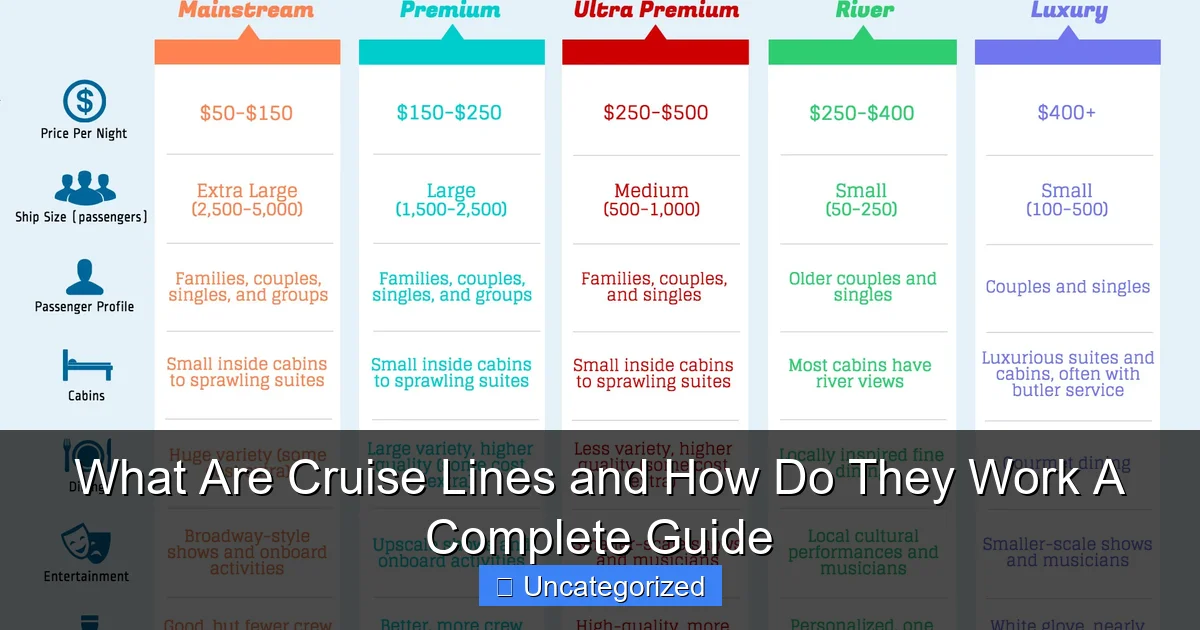
Cruise lines can be broadly categorized based on their target audience, price point, and ship size:
- Mainstream Cruise Lines: These are the most popular, offering affordable, family-friendly vacations. Examples include Royal Caribbean, Norwegian Cruise Line, and Carnival. They cater to a wide range of travelers with diverse onboard activities and dining options.
- Luxury Cruise Lines: Focused on high-end experiences, these lines (e.g., Seabourn, Silversea) offer smaller ships, personalized service, and premium amenities. Fares often include extras like alcohol, excursions, and butler service.
- Premium Cruise Lines: A middle ground between mainstream and luxury, brands like Holland America and Oceania Cruises provide a refined experience without the ultra-high price tag.
- River Cruise Lines: Specializing in inland waterways, companies like Viking River Cruises and AmaWaterways offer intimate, destination-focused voyages along rivers like the Danube and Nile.
- Expedition Cruise Lines: For adventure seekers, lines like Lindblad Expeditions and Quark Expeditions operate smaller, rugged ships for polar regions and remote destinations.
How Cruise Lines Differ from Traditional Vacations
Unlike traditional vacations, where you book a hotel and plan activities separately, cruises bundle everything into one package. This includes:
- Accommodations: Cabins range from interior rooms to spacious suites with balconies.
- Meals: Most cruise lines offer multiple dining options, from buffets to specialty restaurants (though some premium experiences may incur extra fees).
- Entertainment: Broadway-style shows, live music, comedy clubs, and even water slides are standard.
- Transportation: Your ship serves as your “home base,” eliminating the need for flights or rental cars between destinations.
This all-inclusive approach simplifies travel planning and often saves money compared to booking each component separately.
How Cruise Lines Operate: Behind the Scenes
The Fleet and Ship Design
Cruise lines invest heavily in their fleets, with ships ranging from 50,000 to over 200,000 gross tons. Larger ships (like Royal Caribbean’s Icon of the Seas) can carry 5,000+ passengers, while smaller vessels (e.g., Windstar Cruises’ 342-passenger ships) offer a more intimate experience. Ship design is a critical factor, as it determines:
- Passenger capacity: Larger ships have more amenities but can feel crowded during peak times.
- Itineraries: Smaller ships can access ports that larger ones cannot, like the Norwegian fjords or the Amazon River.
- Stability and comfort
For instance, Carnival’s Mardi Gras features a roller coaster, while Regent’s Seven Seas Grandeur has a $2 million art collection onboard.
Onboard Operations: The Crew’s Role
A cruise ship is like a small city, requiring thousands of crew members to keep it running. Key roles include:
- Captain and Navigation Team: Responsible for safe sailing and itinerary adherence.
- Hotel Operations: Housekeeping, dining, and guest services staff ensure comfort.
- Entertainment and Activities: From cruise directors to fitness instructors, this team keeps guests engaged.
- Engineering and Maintenance: Keeps the ship’s systems (power, water, HVAC) operational.
- Medical Team: Onboard clinics handle emergencies and routine care.
For example, a single ship may have over 1,500 crew members, representing 50+ nationalities. Many work 7-day weeks for months at a time, highlighting the dedication required to maintain a seamless guest experience.
Logistics and Supply Chain Management
Running a cruise ship is like feeding a small town. A 3,000-passenger ship might consume:
- 2,000+ meals per day
- 5,000+ bottles of wine per week
- 10,000+ gallons of fuel daily
To manage this, cruise lines use:
- Port provisioning: Supplies are loaded at each stop, with contracts with local vendors for fresh produce and specialty items.
- Advanced inventory systems: AI predicts demand for food, beverages, and amenities to minimize waste.
- Fuel efficiency measures: LNG-powered ships (like Carnival’s AIDAnova) reduce emissions and costs.
Booking and Pricing: How Cruise Lines Make Money
The Pricing Model: Base Fares and Add-Ons
Cruise lines use dynamic pricing, similar to airlines. Base fares cover:
- Cabin accommodations
- Main dining room meals
- Basic entertainment
- Access to pools and gyms
However, additional revenue comes from:
- Onboard spending: Specialty dining, spa treatments, and excursions (e.g., a $200 helicopter tour in Alaska).
- Beverage packages: Unlimited soda ($15/day) or premium drinks ($80/day).
- Shore excursions: Cruise lines partner with local operators, taking a cut of each sale.
- Gambling and shopping: Casinos and onboard boutiques are major profit centers.
For example, a $1,000 base fare might balloon to $2,500+ with add-ons. Luxury lines like Regent include these extras in their fares, while mainstream lines rely on upselling.
Booking Strategies for Travelers
To get the best deal, consider:
- Booking early: Early-bird discounts and cabin selection (e.g., balcony rooms sell fast).
- Last-minute deals: Unsold cabins may be discounted 30-50% a few weeks before departure.
- Travel agents: They often have access to exclusive promotions (e.g., onboard credit or free upgrades).
- Repositioning cruises: Ships moving between seasons (e.g., Alaska to Caribbean) offer lower fares.
Pro tip: Use price-tracking tools like Cruise Critic’s Price Alert to monitor fare drops.
Revenue Streams Beyond Ticket Sales
Cruise lines diversify income through:
- Onboard spending: Accounts for 30-50% of revenue on mainstream lines.
- Partnerships: Collaborations with brands (e.g., Starbucks on Royal Caribbean ships).
- Merchandising: Branded souvenirs and apparel.
- Future cruise credits: Offering credits for future bookings (e.g., during the pandemic).
Onboard Experience: What to Expect
Cabin Types and Accommodations
Your cabin is your home at sea. Options include:
- Interior: No windows, smallest size (150 sq ft), most affordable.
- Oceanview: Porthole or window, mid-range pricing.
- Balcony: Private outdoor space, popular for sunsets.
- Suite: Spacious, with perks like butler service (e.g., Royal Caribbean’s Ultimate Family Suite).
Tip: Avoid cabins near elevators or nightclubs to minimize noise.
Dining and Culinary Offerings
Modern cruise lines cater to all tastes:
- Main dining room: Rotating menus, formal nights.
- Buffets: 24/7 options, but often crowded.
- Specialty restaurants: Sushi ($30/person) or steakhouse ($50/person).
- Room service: Often free (except late-night surcharges).
Example: Carnival’s Bonsai Sushi and Princess’s Sabatini’s Italian Trattoria are guest favorites.
Entertainment and Activities
From Broadway shows to rock-climbing walls, cruise lines offer:
- Live performances: Royal Caribbean’s Grease or Norwegian’s Burn the Boats.
- Recreation: Pools, water slides, mini-golf.
- Educational programs: Guest lecturers, wine tastings.
- Nightlife: Casinos, comedy clubs, silent discos.
Environmental and Safety Considerations
Sustainability Initiatives
Cruise lines face pressure to reduce their environmental impact. Key efforts include:
- LNG-powered ships: Carnival’s AIDAnova cuts emissions by 25%.
- Waste management: Recycling, advanced wastewater treatment.
- Shore power: Ships plug into ports to reduce emissions while docked.
- Plastic reduction: Reusable water bottles and straws.
Example: Royal Caribbean’s Perfect Day at CocoCay uses solar power and desalinated water.
Safety Protocols and Regulations
Strict international standards (SOLAS) govern cruise safety:
- Lifeboats and drills: Mandatory safety briefings before departure.
- Medical facilities: Onboard clinics with telemedicine support.
- Weather monitoring: Advanced radar systems avoid storms.
- Cybersecurity: Protects passenger data and ship systems.
Data Table: Environmental Impact Comparison
| Feature | Carnival (LNG Ships) | Royal Caribbean (Icon Class) | Norwegian (Prima Class) |
|---|---|---|---|
| CO2 Reduction | 25% | 30% | 20% |
| Waste Recycled | 80% | 75% | 70% |
| Shore Power Capable | Yes | Yes | Yes |
| Plastic-Free Initiatives | Reusable bottles | No single-use plastics | Biodegradable packaging |
Conclusion: The Future of Cruise Lines
Cruise lines are more than just a way to travel—they’re a microcosm of innovation, hospitality, and adventure. From the meticulous logistics of provisioning a 5,000-passenger ship to the art of designing unforgettable experiences, every aspect of a cruise is carefully orchestrated to create magic on the high seas. Whether you’re drawn to the thrill of a mega-ship’s water slides or the serene intimacy of a river cruise, there’s a cruise line tailored to your dreams.
Looking ahead, the industry is evolving. Sustainability is no longer optional but a core focus, with LNG-powered ships and zero-waste initiatives leading the charge. Technology is reshaping the experience, from AI-driven dining recommendations to virtual reality excursions. And as travelers seek deeper connections with destinations, cruise lines are responding with longer port stays, immersive shore excursions, and partnerships with local communities.
For travelers, this means more choices than ever before. The key to a perfect cruise lies in understanding your priorities—whether it’s budget, luxury, adventure, or relaxation—and selecting a cruise line that aligns with your vision. So, the next time you gaze at the horizon, remember: the ship you’re on is just the beginning of the journey. The real magic lies in the stories you’ll collect, the people you’ll meet, and the memories you’ll make. Bon voyage!
Frequently Asked Questions
What are cruise lines and how do they operate?
Cruise lines are companies that operate passenger ships for vacation and leisure travel, offering all-inclusive experiences with accommodations, dining, entertainment, and activities. They manage fleets of ships that sail to various destinations, from tropical islands to cultural hotspots, often on set itineraries.
What types of cruise lines are available for travelers?
Cruise lines vary by focus, including luxury, family-friendly, adventure, river, and mainstream options like Royal Caribbean or Carnival. Each caters to different preferences, with unique amenities, pricing, and target audiences.
How do cruise lines differ from regular vacation packages?
Unlike traditional vacations, cruise lines bundle lodging, meals, entertainment, and transportation into one price, often with fewer planning hassles. The ship itself becomes a floating resort, with daily stops at new destinations.
What are the most popular cruise lines for first-time cruisers?
First-time cruisers often choose well-known cruise lines like Norwegian Cruise Line, Princess Cruises, or Disney Cruise Line for their user-friendly amenities, diverse itineraries, and reliable service. These brands balance affordability with memorable onboard experiences.
How do cruise lines handle onboard expenses and gratuities?
Most cruise lines charge extra for specialty dining, alcohol, spa services, and excursions, while gratuities are either prepaid or added daily to your account. Budgeting for these extras is key to avoiding surprise charges.
What safety measures do modern cruise lines follow?
Modern cruise lines prioritize safety with advanced navigation systems, mandatory drills, medical facilities, and strict health protocols (e.g., COVID-19 testing or sanitation). Crews are trained to handle emergencies, ensuring passenger security throughout the voyage.