Booking excursions through your cruise line offers unmatched convenience and guaranteed return times, ensuring you won’t miss the ship—ideal for first-time cruisers or families. However, independent bookings often provide better prices and unique local experiences, making them worth considering if you’re flexible and research thoroughly. Choose based on your priorities: peace of mind or adventure and savings.
Key Takeaways
- Book through cruise lines for guaranteed return to ship and peace of mind.
- Third-party tours offer lower prices but carry risk of missing departure.
- Check port schedules to avoid overpriced excursions during short stops.
- Group excursions simplify logistics but limit personal exploration time.
- Read reviews of third-party tours to ensure reliability and quality.
- Balance cost and safety by comparing both booking options carefully.
📑 Table of Contents
- Should I Book Excursions Through Cruise Line Pros and Cons
- Convenience and Peace of Mind
- Cost and Value Considerations
- Flexibility and Customization
- Safety, Accessibility, and Special Needs
- Destination-Specific Recommendations
- Data Comparison: Cruise Line vs. Independent Excursions
- Final Verdict: Making the Right Choice for You
Should I Book Excursions Through Cruise Line Pros and Cons
When you’re planning a cruise, one of the most exciting—and sometimes overwhelming—parts of the experience is choosing what to do when you dock at your destinations. Whether it’s snorkeling in the Caribbean, exploring ancient ruins in the Mediterranean, or hiking through lush rainforests in Alaska, excursions can make your cruise truly unforgettable. However, a common question many cruisers face is: Should I book excursions through the cruise line or go independent?
On one hand, booking through the cruise line offers convenience, peace of mind, and seamless integration with your itinerary. On the other, independent operators often provide more flexibility, lower prices, and unique experiences tailored to specific interests. The decision isn’t always clear-cut and depends on your travel style, budget, destination, and comfort level with planning. In this comprehensive guide, we’ll explore the pros and cons of booking excursions through your cruise line, compare it with third-party options, and help you make an informed decision that maximizes your time, money, and enjoyment on shore.
Convenience and Peace of Mind
Guaranteed On-Time Return to the Ship
One of the biggest advantages of booking excursions through your cruise line is the guaranteed return to the ship. Cruise lines have a vested interest in making sure you don’t miss your departure. If your excursion runs late due to traffic, weather, or other unforeseen circumstances, the cruise line will hold the ship for you. This is not the case with independent operators. If you book a tour through a third-party vendor and get delayed, the ship may sail without you—leaving you stranded and facing significant costs to catch up with the next port.
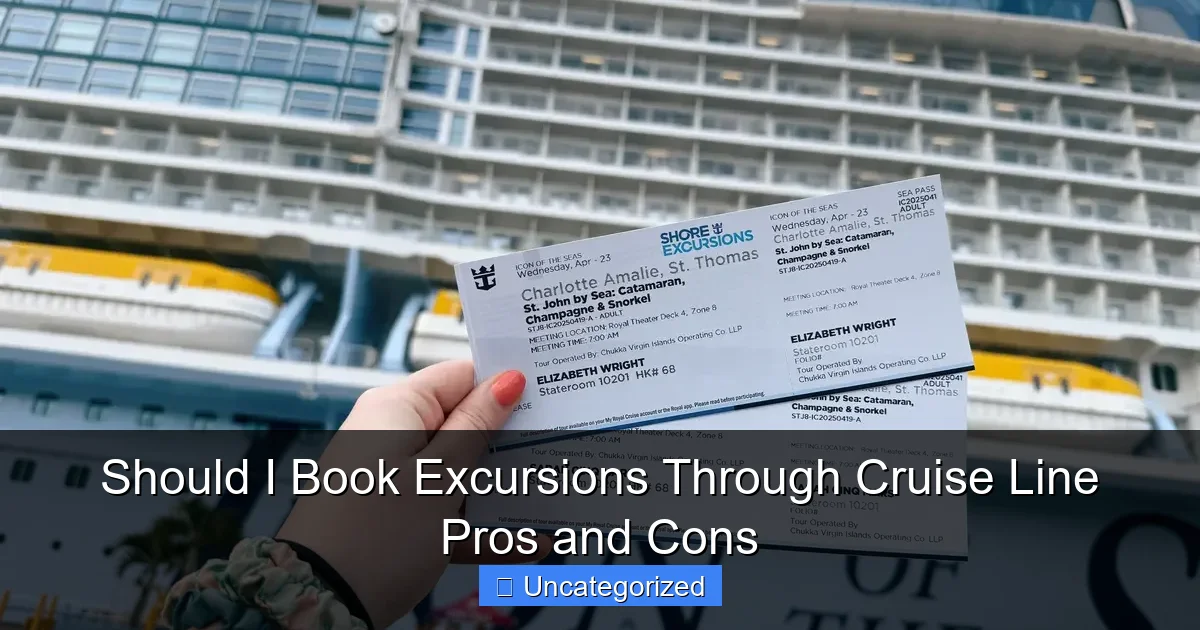
Visual guide about should i book excursions through cruise line
Image source: royalcaribbeanblog.com
For example, a 2022 incident in Santorini, Greece, saw several independent tour groups delayed due to a bus breakdown. While cruise line guests were safely back onboard within the grace period, independent travelers had to pay over $1,200 for emergency flights and accommodations to reach the next port in Mykonos. This risk is eliminated when you book through the cruise line.
Seamless Booking and Onboard Integration
Booking through the cruise line is incredibly convenient. You can reserve excursions before your cruise via the cruise line’s website or app, or onboard through the excursion desk or your stateroom TV. Payments are charged directly to your onboard account, eliminating the need to carry cash or worry about currency exchange. Additionally, your excursion tickets, meeting points, and schedules are clearly communicated, often integrated with your cruise itinerary.
Many cruise lines, like Royal Caribbean, Norwegian, and Princess, offer digital excursion checklists and real-time updates via their mobile apps. This integration reduces stress and ensures you know exactly where to be and when. For families or first-time cruisers, this level of organization is invaluable.
Trained and Vetted Tour Operators
Cruise lines don’t just pick any local tour company. They vet and contract with reputable, licensed operators who meet safety, quality, and insurance standards. This means you’re less likely to encounter scams, unlicensed guides, or unsafe transportation. While some third-party operators are excellent, others may cut corners on safety or customer service. Booking through the cruise line adds a layer of accountability.
For instance, in 2021, Carnival Cruise Line temporarily suspended a shore excursion in Cozumel after receiving multiple guest complaints about overcrowded boats and unqualified dive instructors. The cruise line quickly replaced the operator with a certified dive center, demonstrating their commitment to quality control.
Cost and Value Considerations
Higher Prices, But What Are You Paying For?
It’s no secret that cruise line excursions are often 20–50% more expensive than comparable independent tours. A half-day snorkel trip in the Bahamas might cost $89 through the cruise line but only $55 with a local operator. So why pay more?
The premium covers more than just the tour. It includes the cruise line’s overhead (marketing, staff, insurance), the guarantee of ship departure, and the vetting process. You’re also paying for convenience, integration, and the peace of mind that comes with knowing the cruise line is backing your experience. For some travelers, especially those with mobility issues, families with young children, or those on a tight schedule, this added cost is worth the assurance.
Hidden Fees and Inclusions
When comparing prices, always check what’s included. Cruise line excursions often bundle transportation, entrance fees, gear rentals, and sometimes meals. For example, a cruise line’s “Alaska Glacier Discovery” tour includes round-trip bus transfer, park admission, a narrated guide, and a boxed lunch. A third-party version might charge extra for each component, making the total cost comparable or even higher.
Conversely, some independent tours offer better value for niche interests. A private photography tour in Iceland with a local expert might be $150 through the cruise line but only $95 with a specialized operator who provides personalized attention and off-the-beaten-path locations. Always read the fine print and compare total costs, not just base prices.
Discounts and Onboard Credit
Don’t assume you can’t save on cruise line excursions. Many lines offer early booking discounts (10–20% off) if you book before your cruise. Others provide onboard credit that can be applied to excursions. For example, Royal Caribbean’s “Buy One, Get One 50% Off” deals are common during onboard promotions. Additionally, loyalty program members (e.g., Carnival’s VIFP Club) often receive exclusive excursion discounts.
Tip: If you’re booking multiple excursions, consider the cruise line’s Excursion Packages. These bundles (e.g., “3 Tours for the Price of 2”) can save you 15–30% compared to individual bookings.
Flexibility and Customization
Limited Choices and Fixed Itineraries
One of the biggest drawbacks of cruise line excursions is the lack of flexibility. Tours are designed for large groups, with fixed departure times, set itineraries, and limited customization. Want to spend more time at a particular site? Too bad—your guide has a schedule to keep. Prefer a private, romantic sunset sail instead of a crowded catamaran tour? You’re out of luck unless the cruise line offers a premium option.
For example, in Venice, cruise line excursions typically include a 2-hour walking tour and a gondola ride. But if you’re passionate about Renaissance art, you might prefer a 4-hour private museum tour with a historian—something rarely offered by mainstream cruise lines.
Independent Tours Offer Tailored Experiences
Third-party operators, especially small local companies, excel at personalized experiences. Whether it’s a private cooking class in Tuscany, a wildlife safari in Costa Rica, or a behind-the-scenes tour of a winery in Napa Valley, independent guides can adapt to your interests and pace. Many offer private or semi-private tours, ensuring you’re not lost in a crowd of 50 people.
Platforms like GetYourGuide, Viator, and local tourism websites allow you to filter by group size, language, duration, and accessibility. For instance, a “Small-Group Street Food Tour in Bangkok” might limit groups to 8 people and include dietary accommodations—something cruise lines rarely provide.
Last-Minute Changes and Cancellations
Independent tours often offer more flexible cancellation policies. A 2023 study by TravelInsurance.com found that 78% of independent excursions allowed free cancellations up to 24–48 hours before departure, compared to only 35% of cruise line tours. This is crucial if your cruise is delayed or a port is skipped due to weather.
However, cruise lines have improved in this area. Lines like Disney Cruise Line and Viking now offer full refunds or credits if a port is missed, even for pre-booked excursions. Always check the cruise line’s policy before booking.
Safety, Accessibility, and Special Needs
Enhanced Safety Protocols
Safety is a top priority for cruise lines. All excursions undergo rigorous risk assessments, including vehicle inspections, emergency plans, and guide certifications. For high-risk activities (e.g., ziplining, scuba diving), cruise lines often partner with internationally accredited operators. This is especially important in regions with limited regulatory oversight.
For example, in 2020, a cruise line in the Galápagos Islands mandated that all snorkel operators use certified dive masters and carry emergency oxygen—standards not enforced by local authorities. Independent operators may not meet these requirements.
Accessibility for All Travelers
Cruise lines have made significant strides in accessibility. Many excursions are designed for guests with mobility challenges, offering wheelchair-accessible transportation, ramps, and specialized guides. Disney Cruise Line, for instance, provides “Accessible Adventure” tours with trained staff and adaptive equipment.
Independent operators vary widely. While some specialize in accessibility (e.g., wheelchair-friendly jeep tours in the Grand Canyon), others may lack ramps or trained staff. Always confirm accessibility features when booking independently.
Medical Support and Emergency Response
If you have a medical condition or are traveling with someone who does, cruise line excursions offer better emergency support. Guides are trained in first aid, and the cruise line can quickly coordinate with the ship’s medical team. In remote areas, this can be life-saving.
For example, a guest on a Holland America tour in Alaska suffered a minor fall during a hike. The guide immediately contacted the ship via satellite phone, and a medic was dispatched to the dock within 30 minutes. Independent operators may not have such resources.
Destination-Specific Recommendations
When to Book Through the Cruise Line
Cruise line excursions are ideal for:
- First-time cruisers or those unfamiliar with the destination.
- High-risk or remote locations (e.g., Antarctica, the Amazon, or politically unstable regions).
- Families with young children or elderly travelers who need structured, low-stress activities.
- Ports with limited infrastructure (e.g., small Caribbean islands where taxis are unreliable).
- Popular attractions with long lines (e.g., the Colosseum in Rome or Machu Picchu). Cruise lines often secure skip-the-line access.
For example, in Santorini, cruise line excursions to the caldera villages (Fira and Oia) include air-conditioned buses, reserved seating, and priority access to the cable car—saving you hours of waiting in the sun.
When to Go Independent
Consider third-party tours for:
- Niche interests (e.g., photography, culinary arts, or cultural immersion).
- Less crowded, off-the-beaten-path experiences.
- Destinations with reliable public transit (e.g., cities with metro systems or Uber).
- Longer stays in port (e.g., 10+ hours), giving you time to explore independently.
- Budget-conscious travelers who want to maximize savings.
In Barcelona, for instance, a private tapas tour with a local food blogger might cost €80 but offer a far more authentic experience than a generic cruise line “Spanish Cuisine Tour” priced at €120.
Data Comparison: Cruise Line vs. Independent Excursions
To help you weigh your options, here’s a comparison of key factors based on industry data and traveler surveys:
| Factor | Cruise Line Excursions | Independent Excursions |
|---|---|---|
| Average Price (Half-Day Tour) | $75–$120 | $40–$80 |
| On-Time Return Guarantee | Yes | No (risk of missing ship) |
| Cancellation Flexibility | Limited (often 7–14 days) | High (often 24–48 hours) |
| Group Size | 20–50 people | 1–15 people (often private) |
| Accessibility Features | High (standardized) | Variable (check per operator) |
| Unique/Offbeat Experiences | Low (mainstream focus) | High (local, niche options) |
| Customer Reviews (Average) | 4.2/5 (Trustpilot) | 4.5/5 (GetYourGuide/Viator) |
Final Verdict: Making the Right Choice for You
The decision to book excursions through your cruise line ultimately depends on your priorities. If convenience, safety, and reliability are your top concerns—especially in unfamiliar or high-risk destinations—cruise line excursions are a smart choice. They eliminate stress, ensure you won’t miss the ship, and provide a polished, well-organized experience.
However, if you value flexibility, customization, and cost savings, and you’re confident in your ability to research and vet local operators, independent excursions can offer richer, more authentic adventures. Many experienced cruisers adopt a hybrid approach: booking through the cruise line for complex or high-stakes ports (e.g., tendering in small harbors) while going independent for straightforward, well-connected cities.
Pro tip: Always research your ports in advance. Use resources like Cruise Critic forums, local tourism boards, and review sites to identify reputable independent operators. If you do book independently, confirm the meeting point, duration, and return time with the operator, and give yourself a buffer (e.g., aim to return to the dock 90 minutes before departure).
Ultimately, the best excursions—whether through the cruise line or not—are the ones that align with your travel goals. By understanding the pros and cons, you can craft a shore experience that’s as unforgettable as the journey itself.
Frequently Asked Questions
Should I book excursions through cruise line or third-party vendors?
Booking excursions through the cruise line offers convenience, guaranteed return to the ship, and vetted operators, but often at higher prices. Third-party vendors may provide cheaper options and unique experiences, but require more research and carry a small risk of missing the ship’s departure.
Are cruise line excursions worth the extra cost?
Cruise line excursions are often pricier, but the premium covers peace of mind, exclusive access, and seamless logistics. If you value reliability and time efficiency over saving a few dollars, they’re usually worth it.
What are the advantages of booking excursions through cruise line?
Key benefits include priority boarding for late returns, expert guides, and alignment with the ship’s schedule. The cruise line also handles refunds or adjustments if an excursion is canceled due to weather or other issues.
Can I get a refund if my cruise line excursion is canceled?
Yes, most cruise lines offer full refunds or rescheduling for canceled excursions, especially for weather or operational reasons. Always review the terms when booking to understand the cancellation policy.
Do I need to book excursions through cruise line for safety?
While cruise line excursions use vetted, insured operators, many third-party tours are also safe—just research reviews and credentials. If safety is your top priority, cruise line excursions eliminate guesswork.
How do I find the best deals on cruise line excursions?
Book early for early-bird discounts, compare prices online, and check for bundled excursion packages. Some cruise lines offer promotions or onboard credits for pre-booking excursions through their platform.