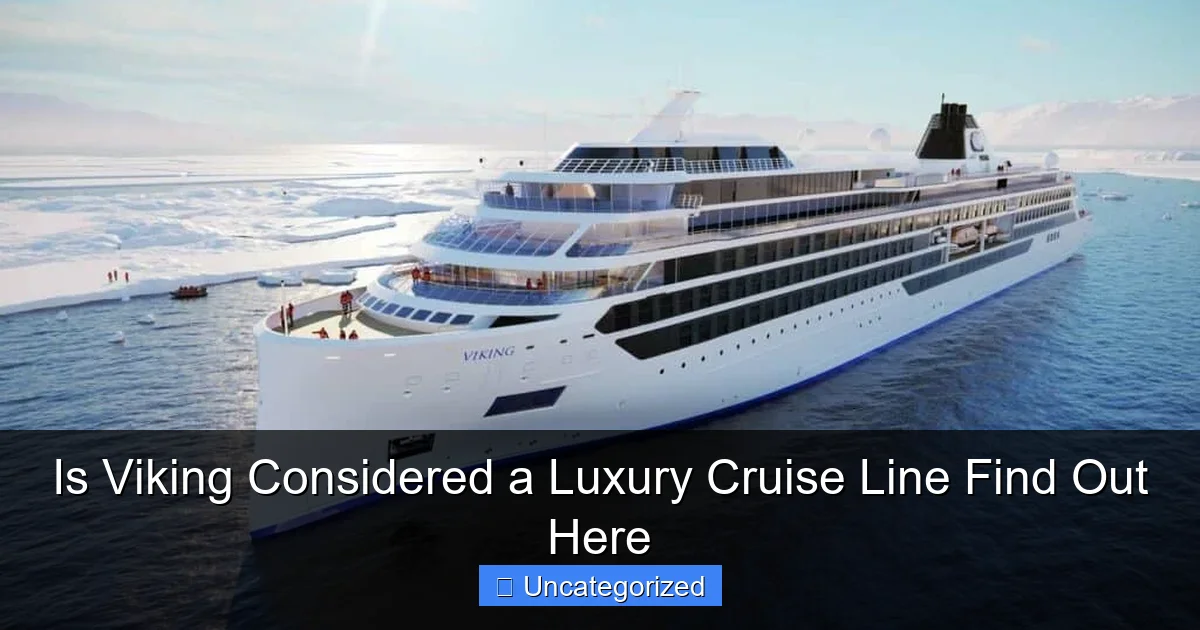
Featured image for is viking considered a luxury cruise line
Image source: cruisetraveloutlet.com
Yes, Viking is widely considered a luxury cruise line, offering all-inclusive experiences with high-end amenities, spacious staterooms, and curated cultural excursions. Its focus on destination immersion, fine dining, and personalized service sets it apart from mainstream competitors, appealing to discerning travelers seeking refined elegance at sea.
Key Takeaways
- Viking is a luxury line: Offers high-end amenities and refined experiences.
- All-inclusive pricing: Covers drinks, Wi-Fi, and excursions for seamless travel.
- Smaller ships, better access: Intimate vessels reach exclusive ports larger ships can’t.
- Cultural enrichment focus: Expert lectures and local immersion define onboard activities.
- No children policy: Ensures a serene, adult-oriented atmosphere onboard.
- Elegant Scandinavian design: Minimalist decor promotes relaxation and sophistication.
📑 Table of Contents
- Is Viking Considered a Luxury Cruise Line? Find Out Here
- Understanding the Luxury Cruise Landscape
- Viking’s Onboard Experience: Where Luxury Shines
- Service and Staff: The Human Element of Luxury
- Pricing and Value: Is Viking a “Luxury” Price?
- Viking’s Unique Selling Points: Beyond the Basics
- Conclusion: So, Is Viking a Luxury Cruise Line?
Is Viking Considered a Luxury Cruise Line? Find Out Here
When you imagine a luxury cruise, what comes to mind? Perhaps it’s the image of white-gloved waiters serving champagne, spacious staterooms with ocean views, or exclusive excursions to hidden gems along the Mediterranean coast. For many travelers, luxury is defined not just by price, but by the quality of the experience, the level of service, and the attention to detail. In recent years, one cruise line has consistently risen to the top of conversations about high-end river and ocean travel: Viking Cruises.
Founded in 1997, Viking has rapidly expanded from a small river cruise operator to a global brand offering ocean, river, and expedition voyages across six continents. With sleek, modern ships, a focus on cultural immersion, and a “no nickel-and-diming” policy, Viking has carved out a niche that appeals to discerning travelers seeking a refined, yet accessible, travel experience. But is Viking truly a luxury cruise line? Or is it something different—perhaps a premium experience with luxury touches? In this comprehensive guide, we’ll explore Viking’s offerings in depth, comparing its services, amenities, pricing, and brand identity to established luxury cruise lines like Regent Seven Seas, Seabourn, and Silversea. By the end, you’ll have a clear answer to the question: Is Viking considered a luxury cruise line?
Understanding the Luxury Cruise Landscape
Before we can determine whether Viking fits into the luxury category, it’s essential to understand what “luxury” means in the cruise industry. Unlike budget or mainstream lines, luxury cruise lines prioritize exclusivity, personalized service, all-inclusive pricing, and high-end amenities. But luxury isn’t a one-size-fits-all label—there are tiers, nuances, and evolving definitions.
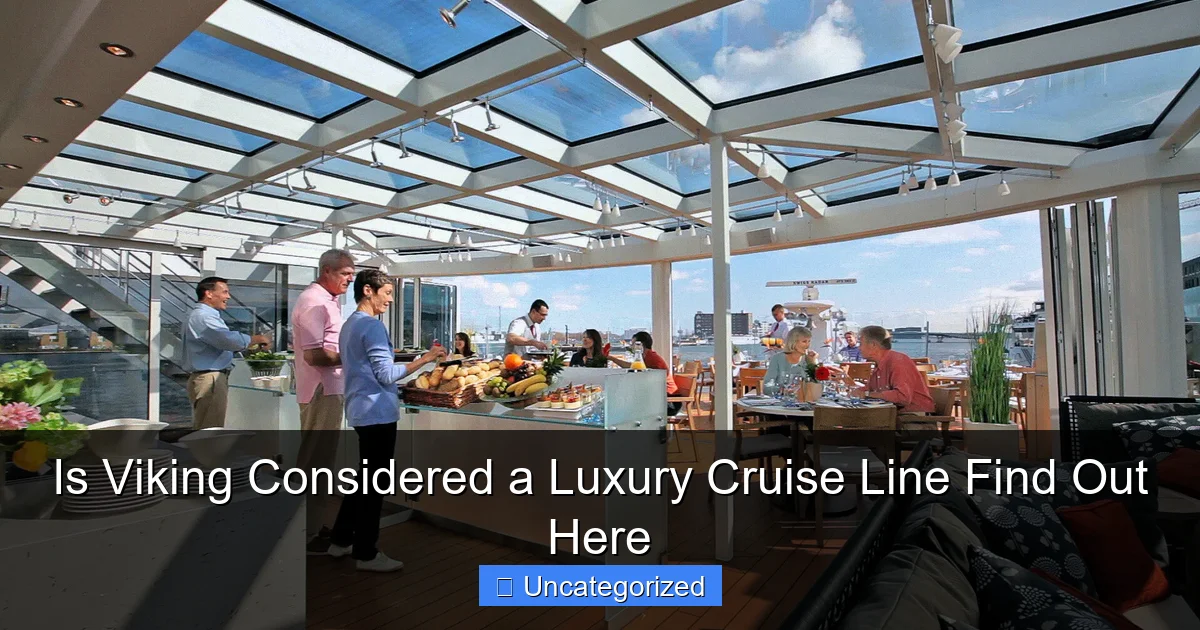
Visual guide about is viking considered a luxury cruise line
Image source: images.squarespace-cdn.com
Defining Luxury in the Cruise Industry
Luxury cruise lines typically share several key characteristics:
- All-inclusive pricing: Fares cover accommodations, dining, drinks (including premium wines and spirits), gratuities, shore excursions, and often airfare.
- Smaller ships: Vessels carry fewer passengers (usually under 1,000), ensuring more personalized attention and access to smaller ports.
- High staff-to-guest ratios: Often 1:1 or close to it, allowing for anticipatory service and one-on-one interactions.
- Fine dining and gourmet cuisine: Multiple specialty restaurants, Michelin-inspired menus, and sommelier-led wine pairings.
- Exclusive amenities: Spas, butler service, private balconies, and enrichment programs (lectures, art classes, etc.).
- Immersive experiences: Focus on cultural, educational, and destination-focused travel rather than onboard entertainment.
These traits are exemplified by lines such as Regent Seven Seas Cruises, which offers a true all-inclusive model with free airfare, and Seabourn, known for its intimate ships and “yacht-like” ambiance. But where does Viking stand in this spectrum?
How Viking Fits (or Doesn’t Fit) the Traditional Luxury Mold
Viking doesn’t claim to be a “five-star” or “ultra-luxury” line in the same way that Regent or Silversea do. Instead, it positions itself as a premium, culturally immersive brand with luxury elements. Here’s how it compares:
- All-inclusive, but not fully: Viking includes most drinks (wine, beer, soda, and spirits with lunch and dinner), gratuities, Wi-Fi, and one shore excursion per port. However, premium cocktails, spa treatments, and specialty dining (like The Chef’s Table) cost extra.
- Ship size: Viking’s ocean ships carry around 930 guests, which is small by mainstream standards but larger than Seabourn’s 458-passenger vessels. Its river ships are even smaller (190–270 guests), offering a more intimate feel.
- Service: While Viking’s staff-to-guest ratio is excellent (about 1:2 on ocean ships), it doesn’t offer butler service in standard staterooms—only in suites. This contrasts with true luxury lines, where butlers are standard across most categories.
- Design and ambiance: Viking’s Scandinavian-inspired interiors emphasize clean lines, natural light, and a serene, understated elegance. It lacks the opulent gold trim and marble floors of some luxury competitors, favoring a more minimalist, modern aesthetic.
In short, Viking blends luxury touches with a focus on value and cultural enrichment. It’s not the most opulent line at sea, but it delivers a high-end experience at a more accessible price point.
Viking’s Onboard Experience: Where Luxury Shines
To truly assess Viking’s luxury credentials, we need to dive into the onboard experience. From dining and accommodations to enrichment and service, Viking has built a reputation for consistency and sophistication.
Staterooms and Suites: Comfort with a Scandinavian Touch
Viking’s staterooms are designed with Scandinavian minimalism in mind—think neutral tones, natural wood, and floor-to-ceiling windows. All ocean staterooms include:
- Private verandas (even on the lowest category)
- King-sized beds with premium linens
- Spacious bathrooms with heated floors and rain showers
- Interactive TVs with free movies and destination guides
- Minibars stocked with complimentary drinks (replenished daily)
While the base staterooms are spacious (270 sq ft), the real luxury lies in Viking’s suite categories. The Owner’s Suite (over 1,000 sq ft) includes a separate living area, dining table, walk-in closet, and access to the exclusive Explorers’ Lounge—a private space with concierge service, premium drinks, and panoramic views.
Tip: If you’re seeking true luxury, consider booking a suite. The perks (butler service, priority boarding, private excursions) elevate the experience significantly. For example, on a 12-day Mediterranean cruise, suite guests receive a complimentary private dinner at The Chef’s Table, valued at $250 per person.
Dining: A Culinary Journey Without the Nickel-and-Diming
Viking’s dining philosophy is simple: “You shouldn’t have to pay extra to enjoy a great meal.” Most meals in the main dining room and buffet are included, with no cover charges for specialty restaurants—though some, like Manfredi’s Italian restaurant, may require reservations.
Key dining venues include:
- The Restaurant: The main dining room, serving globally inspired cuisine with a focus on regional ingredients.
- Manfredi’s: An Italian trattoria with handmade pasta and a curated wine list.
- The Chef’s Table: A rotating tasting menu with wine pairings (extra charge, but worth it).
- World Café: An open-air buffet with live cooking stations, fresh seafood, and healthy options.
- Mamsen’s: A Norwegian-inspired café offering waffles, open-faced sandwiches, and hot chocolate.
What sets Viking apart is the quality of ingredients and the consistency of service. Unlike budget lines where buffet food can feel mass-produced, Viking’s dishes are prepared fresh, with attention to presentation and flavor. For instance, on a Danube River cruise, guests rave about the locally sourced trout and Austrian sachertorte served at Manfredi’s.
Enrichment and Activities: More Than Just a Cruise
Viking’s tagline—“Journey. Not Just a Cruise.”—reflects its commitment to cultural immersion. The line offers a robust enrichment program that includes:
- Lectures by historians and scholars (e.g., a talk on Viking history by a Scandinavian archaeologist)
- Language classes (e.g., “Learn 10 Phrases in Italian”)
- Workshops (cooking, painting, photography)
- Evening entertainment (classical concerts, local folk music, and destination-themed shows)
This focus on education and authenticity appeals to travelers who want to connect with a destination rather than just see it. For example, on a Baltic cruise, Viking might host a lecture on the Hanseatic League followed by a visit to a 14th-century merchant’s house in Lübeck, Germany.
Service and Staff: The Human Element of Luxury
No discussion of luxury is complete without addressing service. Viking’s staff are trained to deliver warm, attentive, and personalized care—without the formality of some high-end lines.
Staff Training and Guest Interaction
Viking employs over 1,000 crew members across its fleet, with a staff-to-guest ratio of approximately 1:2 on ocean ships. Crew are trained in:
- Anticipatory service: Remembering guest preferences (e.g., favorite drink, room temperature)
- Cultural sensitivity: Understanding regional customs and guest backgrounds
- Problem-solving: Resolving issues quickly and discreetly
Many crew members are from the regions the ships visit, adding authenticity. For instance, a waiter in the Mediterranean might share family recipes or local dining tips. On a recent Rhine River cruise, a bartender from Amsterdam offered guests a complimentary “Dutch courage” cocktail (jenever with a splash of elderflower) during a rainy afternoon—an unscripted but deeply appreciated gesture.
Butler Service and Exclusive Perks
While standard staterooms don’t include butler service, suite guests enjoy a dedicated butler who handles:
- Shoe shining and laundry
- Room service and dining reservations
- Private excursions and transportation
- Evening turndown with chocolates and personalized notes
Additionally, suite guests receive access to the Explorers’ Lounge, a quiet, elegant space with complimentary cocktails, hors d’oeuvres, and concierge service. This lounge is a hallmark of Viking’s luxury tier, offering a retreat from the main public areas.
Tip: If you’re celebrating a special occasion (anniversary, retirement), notify Viking in advance. Suite guests often receive complimentary upgrades, spa credits, or private dinners.
Pricing and Value: Is Viking a “Luxury” Price?
One of the most debated aspects of Viking’s luxury status is its pricing. While it’s not the cheapest option, it’s also not as expensive as true ultra-luxury lines. Let’s break down the cost structure.
What’s Included in the Fare?
Viking’s base fare includes:
- Accommodations
- All meals (including specialty restaurants)
- Wine, beer, and soda with lunch and dinner
- Wi-Fi (unlimited)
- Gratuities (service charges)
- One shore excursion per port
- Enrichment programs and onboard entertainment
What’s not included:
- Premium cocktails and spirits (e.g., top-shelf liquor, specialty wines)
- Spa treatments and salon services
- Additional shore excursions
- Airfare (unless part of a package)
- Butler service (suite-only)
Comparative Pricing: Viking vs. True Luxury Lines
Here’s a data table comparing average per-person, per-night prices for a 10-day European cruise:
| Cruise Line | Ship Size | Price (Per Person, Per Night) | All-Inclusive? | Butler Service? |
|---|---|---|---|---|
| Viking | 930 guests | $500–$900 | Partial | Suites only |
| Regent Seven Seas | 700 guests | $1,200–$2,000 | Yes (airfare included) | All categories |
| Seabourn | 458 guests | $1,000–$1,800 | Yes | All categories |
| Silversea | 596 guests | $1,100–$1,900 | Yes | All categories |
| Celebrity (Premium) | 2,900 guests | $300–$500 | No | No |
As the table shows, Viking is significantly more affordable than true luxury lines while offering a higher level of inclusion than premium lines like Celebrity. For travelers who want luxury touches without the ultra-luxury price tag, Viking provides exceptional value.
When to Book for the Best Value
To maximize savings on a Viking cruise:
- Book early: Viking often releases “early bird” discounts (up to 20% off) for bookings made 12+ months in advance.
- Travel in shoulder seasons: Prices drop in April–May and September–October, with fewer crowds.
- Consider river cruises: River voyages are often cheaper than ocean cruises for the same level of service.
- Look for package deals: Viking’s “Air + Cruise” packages can save hundreds on airfare.
Viking’s Unique Selling Points: Beyond the Basics
What truly sets Viking apart—and solidifies its place in the luxury-adjacent category—are its unique offerings that go beyond standard cruise amenities.
Destination-Centric Itineraries
Viking designs its itineraries with depth over breadth. Instead of rushing to 10 ports in 14 days, a Viking cruise might visit 6–8 ports, with longer stays and overnight docking in key cities. For example:
- A Mediterranean cruise might spend two nights in Barcelona, allowing time to explore the Gothic Quarter and La Sagrada Família.
- A Scandinavia cruise could dock overnight in Oslo, enabling a visit to the Viking Ship Museum and a fjord excursion the next morning.
This approach appeals to travelers who want to experience a destination, not just check it off a list.
Sustainability and Innovation
Viking is a leader in sustainable cruising. Its ocean ships are equipped with:
- Hybrid engines that reduce emissions
- Advanced wastewater treatment systems
- Energy-efficient lighting and HVAC systems
The line also partners with local communities to support cultural preservation. On a recent Nile River cruise, Viking funded the restoration of a 19th-century Nubian house in Aswan, Egypt, and invited guests to tour the site with local artisans.
Expedition Cruising: Luxury Meets Adventure
In 2022, Viking launched its expedition fleet, with ships designed for polar and remote destinations (Antarctica, the Arctic, the Great Lakes). These vessels feature:
- Ice-strengthened hulls
- Two onboard science labs
- Zodiacs and kayaks for shore landings
- Lectures by polar experts
While expedition cruising is inherently adventurous, Viking maintains its luxury standards: private verandas, gourmet dining, and a 1:1 staff-to-guest ratio. This fusion of comfort and exploration is a hallmark of modern luxury travel.
Conclusion: So, Is Viking a Luxury Cruise Line?
After examining Viking’s offerings—from its thoughtfully designed staterooms and inclusive dining to its cultural enrichment programs and sustainable practices—the answer is nuanced but clear: Viking is not a traditional ultra-luxury line like Regent or Seabourn, but it is a luxury-adjacent brand that delivers a premium experience with exceptional value.
Where Viking shines is in its consistency, authenticity, and attention to detail. It doesn’t rely on opulence or over-the-top amenities to impress. Instead, it focuses on what matters most to discerning travelers: quality of service, depth of experience, and a sense of connection to the world. Whether you’re sipping wine on your private veranda as the sun sets over the Norwegian fjords or attending a lecture by a historian in a 1,000-year-old cathedral, Viking ensures every moment feels intentional and memorable.
For travelers seeking a refined, culturally immersive journey without the ultra-luxury price tag, Viking is an excellent choice. It’s luxury, reimagined—not with gilded chandeliers, but with meaningful moments, thoughtful design, and a deep respect for the places it visits. So, is Viking considered a luxury cruise line? In spirit and execution, the answer is a resounding yes—just not in the traditional, five-star sense. It’s luxury with a human touch, and that’s something truly special.
Frequently Asked Questions
Is Viking considered a luxury cruise line?
Yes, Viking is widely recognized as a luxury cruise line, offering high-end amenities, all-inclusive pricing, and culturally immersive experiences. Their focus on destination-centric voyages and elegant Scandinavian design reinforces their position in the luxury market.
What makes Viking a luxury cruise line compared to others?
Viking stands out with its all-veranda staterooms, complimentary shore excursions, and no-nuisance pricing (no casinos or upselling). The line emphasizes enrichment programs, spacious ships, and a serene onboard atmosphere typical of luxury travel.
Does Viking include luxury amenities in its cruise packages?
Absolutely. Viking’s fares include premium beverages, Wi-Fi, specialty dining, and one complimentary excursion per port. These inclusions, paired with attentive service, align with the standards of a luxury cruise line.
Is Viking Ocean Cruises considered a luxury cruise line?
Yes, Viking Ocean Cruises is a luxury brand featuring mid-sized ships with high staff-to-guest ratios, fine dining, and curated cultural experiences. Their “Understated Luxury” philosophy caters to travelers seeking refined, destination-focused journeys.
How does Viking’s luxury experience compare to Regent or Seabourn?
While Viking shares luxury hallmarks like inclusive pricing and enrichment with Regent or Seabourn, it differentiates with smaller ships (930 guests max) and a stronger focus on educational programming. However, some ultra-luxury touches like 24-hour butler service are less prominent.
Is Viking a good choice for first-time luxury cruise travelers?
Definitely. Viking’s straightforward pricing, no-casino policy, and guided shore excursions make luxury cruising accessible and stress-free. First-timers appreciate the blend of sophistication and simplicity, ideal for exploring without overwhelming choices.