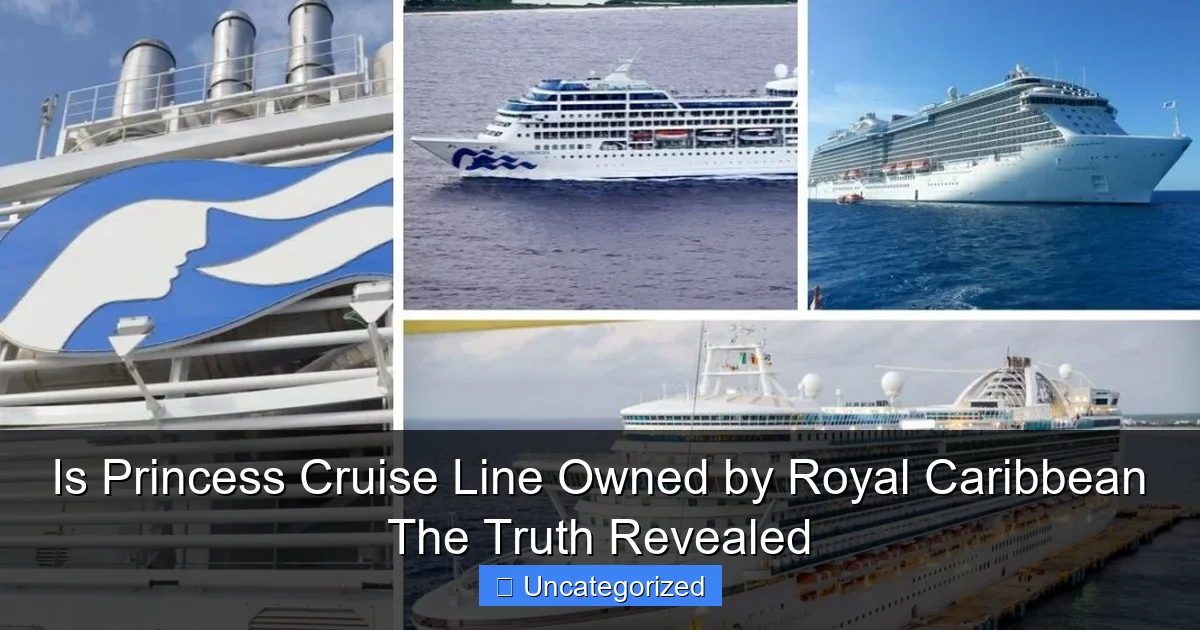
Featured image for is princess cruise line owned by royal caribbean
Image source: cruisefever.net
No, Princess Cruise Line is not owned by Royal Caribbean. It is actually a subsidiary of Carnival Corporation & plc, one of the world’s largest cruise companies, operating independently alongside Royal Caribbean Group, its competitor. Despite similar branding and industry overlap, the two cruise lines maintain separate ownership, operations, and corporate strategies.
Key Takeaways
- Princess is not owned by Royal Caribbean: It operates under Carnival Corporation, a separate parent company.
- Royal Caribbean Group owns its own brands: Including Celebrity and Silversea, but not Princess Cruises.
- Check parent companies to compare: Carnival and Royal Caribbean are competitors, not partners.
- Brand identities remain distinct: Princess and Royal Caribbean have unique ships, services, and itineraries.
- Verify ownership for loyalty perks: Cruise line loyalty programs don’t transfer across parent companies.
📑 Table of Contents
- Is Princess Cruise Line Owned by Royal Caribbean? The Truth Revealed
- The Corporate Ownership of Princess Cruises: Who’s Really in Charge?
- Who Owns Royal Caribbean? A Look at Royal Caribbean Group
- Why the Confusion Exists: The Illusion of Similarity
- Corporate History: A Timeline of Key Acquisitions and Separations
- Comparing the Brands: What Does Ownership Mean for Your Cruise Experience?
- Conclusion: The Truth Is Clear—No Ownership, Just Competition
Is Princess Cruise Line Owned by Royal Caribbean? The Truth Revealed
For many travelers, the names Princess Cruises and Royal Caribbean are synonymous with luxury, adventure, and unforgettable ocean voyages. Both brands boast massive fleets, innovative ships, and itineraries that span the globe—from Alaska’s icy fjords to the turquoise waters of the Mediterranean. With such striking similarities in service, branding, and customer experience, it’s no wonder travelers often wonder: Is Princess Cruise Line owned by Royal Caribbean? At first glance, the answer might seem logical—after all, both companies operate under the umbrella of large, publicly traded corporations, and they frequently appear side by side in travel brochures and cruise comparison sites. But the reality is far more nuanced and rooted in decades of corporate restructuring, mergers, and industry consolidation.
This comprehensive guide dives deep into the corporate ownership structures of both Princess Cruises and Royal Caribbean, unraveling the complex web of parent companies, subsidiaries, and strategic partnerships that define today’s cruise industry. Whether you’re a first-time cruiser trying to understand which brand aligns with your vacation goals or a seasoned traveler curious about the business side of cruising, this article will provide clarity, context, and actionable insights. We’ll explore the historical roots of both cruise lines, dissect their current ownership, compare their operational models, and even analyze how their parent companies influence onboard experiences. By the end, you’ll not only know the definitive answer to the question at hand—but you’ll also gain a deeper appreciation for how corporate decisions shape the cruise vacations we love.
The Corporate Ownership of Princess Cruises: Who’s Really in Charge?
To answer whether Princess Cruise Line is owned by Royal Caribbean, we must first understand who actually owns Princess Cruises. The answer lies not with Royal Caribbean, but with a much larger and more powerful entity: Carnival Corporation & plc.
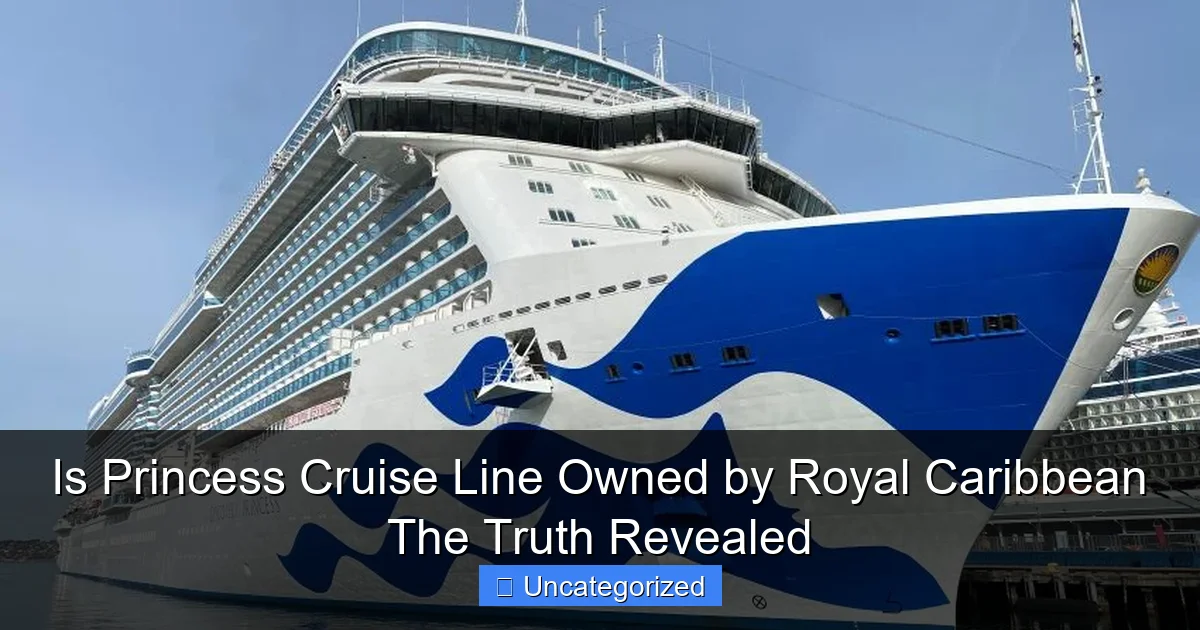
Visual guide about is princess cruise line owned by royal caribbean
Image source: cruzely.com
Princess Cruises and Carnival Corporation: A Long-Standing Relationship
Princess Cruises was acquired by Carnival Corporation in 2003 in a landmark deal valued at approximately $5.4 billion. This acquisition was part of Carnival’s aggressive expansion strategy to dominate the global cruise market. Prior to the acquisition, Princess Cruises was a publicly traded company known for its premium service, scenic Alaska cruises, and innovative onboard technology like the MedallionClass experience. The acquisition allowed Carnival to absorb a strong brand with a loyal customer base and a reputation for quality, while also gaining access to key itineraries in regions such as Alaska, Asia, and the South Pacific.
Today, Princess Cruises operates as one of 10 distinct cruise brands under the Carnival Corporation umbrella. Other well-known brands include:
- Carnival Cruise Line
- Holland America Line
- Seabourn Cruise Line
- Costa Cruises
- Cunard Line
- AIDA Cruises
- P&O Cruises (UK and Australia)
- Fathom (now inactive)
Each brand maintains its own identity, target market, and operational standards, but all share access to Carnival’s vast resources, including shipbuilding partnerships, marketing infrastructure, and financial backing.
How Carnival Corporation Operates Its Subsidiary Brands
While each brand under Carnival Corporation operates semi-independently, they are subject to centralized corporate oversight. For example:
- Fleet planning and deployment are coordinated at the corporate level to optimize global itineraries and minimize overlap.
- Procurement and supply chain are managed centrally, allowing for bulk purchasing of food, fuel, and onboard amenities.
- Marketing campaigns may be tailored per brand, but often leverage Carnival’s global advertising reach and digital platforms.
- Environmental and safety regulations are enforced uniformly across the fleet, with Carnival investing heavily in LNG-powered ships and carbon reduction initiatives.
For Princess Cruises, this means they benefit from Carnival’s scale while retaining their unique identity—think of it as the “best of both worlds.” For instance, the Discovery Princess, launched in 2022, features the brand’s signature MedallionClass technology, which uses wearable medallions to unlock staterooms, order drinks, and personalize guest experiences. This innovation was developed and funded under Carnival’s corporate innovation lab, demonstrating how ownership enables cutting-edge features without sacrificing brand autonomy.
Who Owns Royal Caribbean? A Look at Royal Caribbean Group
Now that we’ve established Princess Cruises’ ownership under Carnival, let’s turn to Royal Caribbean. The answer here is equally clear: Royal Caribbean Cruise Line is owned by Royal Caribbean Group, a separate, independent, and publicly traded company that has no ownership ties to Carnival Corporation.
The Origins and Growth of Royal Caribbean Group
Royal Caribbean Group (formerly Royal Caribbean Cruises Ltd.) was founded in 1968 as a joint venture between three Norwegian shipping companies. Over the decades, it grew into one of the world’s largest cruise operators through a combination of organic growth and strategic acquisitions. Unlike Carnival, which operates a decentralized model with multiple brands, Royal Caribbean Group has a slightly different structure, focusing on three core premium-to-luxury brands:
- Royal Caribbean International – The flagship brand, known for megaships like Symphony of the Seas and Icon of the Seas.
- Royal Caribbean International – The flagship brand, known for megaships like Symphony of the Seas and Icon of the Seas.
- Silversea Cruises – A luxury brand acquired in 2018, specializing in all-inclusive, ultra-luxury voyages.
- TUI Cruises (50% ownership) – A joint venture with Germany’s TUI Group, targeting the European market.
- Hapag-Lloyd Cruises (50% ownership) – A German luxury and expedition brand.
Royal Caribbean Group is traded on the New York Stock Exchange under the ticker symbol RCL. As of 2023, it reported annual revenue of $11.2 billion and operates a fleet of over 60 ships. The company is headquartered in Miami, Florida, and is known for its aggressive investment in ship innovation, sustainability, and guest experience.
Key Differences in Corporate Strategy
While both Carnival and Royal Caribbean Group are publicly traded, they differ significantly in strategy:
- Ship Innovation: Royal Caribbean leads in ship size and technology. The Icon of the Seas, launching in 2024, is the world’s largest cruise ship, featuring a waterpark, surf simulator, and a suspended glass walkway. Carnival, while also investing in new ships, tends to focus more on mid-sized vessels and brand differentiation.
- Sustainability: Royal Caribbean Group has committed to net-zero emissions by 2050 and launched the first LNG-powered cruise ship in North America (Scarlet Lady for Virgin Voyages, a joint venture). Carnival has similar goals but has been more cautious in adopting LNG due to infrastructure challenges.
- Brand Portfolio: Carnival owns 10 brands; Royal Caribbean Group owns or partially owns 5. However, Royal Caribbean’s brands are generally more premium or luxury-focused, while Carnival’s include budget-friendly options like Carnival Cruise Line.
These strategic differences reinforce that Princess Cruises and Royal Caribbean are not only not owned by the same company—they are, in fact, direct competitors in the global cruise market.
Why the Confusion Exists: The Illusion of Similarity
Despite being owned by separate corporate giants, Princess Cruises and Royal Caribbean International often appear to be sister brands—especially to casual observers. This confusion is understandable and stems from several key factors.
Shared Industry Practices and Onboard Experiences
Both cruise lines operate in the same industry, which means they follow similar operational standards and guest expectations. For example:
- Dining options: Both offer main dining rooms, specialty restaurants (e.g., Royal Caribbean’s Wonderland, Princess’s Crown Grill), and 24-hour room service.
- Entertainment: Both feature Broadway-style shows, live music, and themed nights.
- Itineraries: Both sail to popular destinations like the Caribbean, Alaska, Europe, and Asia.
- Technology: Both have invested heavily in app-based check-in, keyless stateroom entry, and personalized guest experiences.
These similarities create a perception of alignment, especially when comparing ships like Regal Princess (Princess) and Harmony of the Seas (Royal Caribbean). Both offer large pools, multiple dining venues, and extensive kids’ programs—making them ideal for families.
Marketing and Travel Agent Partnerships
Travel agents and online platforms often list both brands side by side, further blurring the lines. For instance, on sites like Expedia or CruiseDirect, you might see:
- “Compare Princess vs. Royal Caribbean – Best Cruise Deals”
- “Top 10 Cruises: Princess and Royal Caribbean Itineraries”
This marketing strategy emphasizes comparison rather than ownership, but it can inadvertently suggest a corporate relationship. Additionally, both brands participate in the same industry events, such as Seatrade Cruise Global, and are members of the Cruise Lines International Association (CLIA), a trade group that promotes the cruise industry as a whole.
Geographic Overlap and Port Partnerships
Both companies frequently dock at the same ports—think Nassau, St. Thomas, or Juneau—and may even use the same terminal facilities. In some cases, they collaborate with local governments on infrastructure improvements, such as expanding port capacity or enhancing shore excursions. While these are operational partnerships, not ownership ties, they reinforce the idea of collaboration rather than competition.
Tip for travelers: If you’re trying to decide between Princess and Royal Caribbean, focus on brand-specific strengths rather than assuming they’re related. For example, if you love technology and personalized service, Princess’s MedallionClass might appeal more. If you want the largest ships with the most activities, Royal Caribbean is the clear winner.
Corporate History: A Timeline of Key Acquisitions and Separations
To fully understand why Princess Cruises is not owned by Royal Caribbean, it helps to look at the historical timeline of both companies and their parent corporations.
Key Milestones in Carnival Corporation’s History
- 1972: Carnival Cruise Line founded.
- 1987: Carnival goes public on the New York Stock Exchange.
- 1993: Acquires Holland America Line and Windstar Cruises.
- 2003: Acquires Princess Cruises from P&O Princess Cruises for $5.4 billion.
- 2018: Forms a strategic partnership with the China State Shipbuilding Corporation to build new ships for Costa and Carnival Asia.
- 2020: Implements fleet-wide health protocols during the pandemic, including advanced air filtration and contact tracing.
Key Milestones in Royal Caribbean Group’s History
- 1968: Royal Caribbean Cruise Line founded as a joint venture.
- 1988: Launches Song of Norway, one of the first modern megaships.
- 1997: Acquires Celebrity Cruises.
- 2000: Launches Voyager of the Seas, the first ship with an ice rink, rock climbing wall, and promenade.
- 2018: Acquires a 66.7% stake in Silversea Cruises.
- 2020: Forms a joint venture with Virgin Group to launch Virgin Voyages.
- 2023: Announces Icon of the Seas, the world’s largest cruise ship.
Why No Merger or Acquisition Between Princess and Royal Caribbean?
Given the size and influence of both companies, you might wonder why there hasn’t been a merger or acquisition. The answer lies in antitrust regulations and market competition. If Carnival and Royal Caribbean Group were to merge, they would control over 70% of the global cruise market, triggering scrutiny from regulatory bodies like the U.S. Federal Trade Commission (FTC) and the European Commission. Such a merger would likely be blocked due to concerns about reduced competition, higher prices, and fewer choices for consumers.
Instead, both companies focus on organic growth and strategic partnerships. For example:
- Carnival has invested in newbuilds for Princess, such as the Sun Princess, set to launch in 2024 with LNG propulsion and enhanced sustainability features.
- Royal Caribbean is expanding its fleet with the Utopia of the Seas, designed for short Caribbean cruises.
Comparing the Brands: What Does Ownership Mean for Your Cruise Experience?
Now that we’ve established the ownership structure, let’s explore how it impacts the actual cruise experience. Does being owned by Carnival vs. Royal Caribbean Group make a difference in your vacation?
Onboard Experience and Guest Services
While both brands offer high-quality service, their philosophies differ slightly:
- Princess Cruises emphasizes personalized, low-key luxury. The MedallionClass system allows for contactless service, but the overall vibe is more relaxed and scenic-focused—ideal for Alaska or Mediterranean itineraries.
- Royal Caribbean International focuses on high-energy, activity-rich experiences. Think FlowRider surf simulators, zip lines, and Broadway shows. The atmosphere is more vibrant and family-oriented.
Tip: If you prefer a quieter, more refined experience, Princess may be better. If you want non-stop entertainment, choose Royal Caribbean.
Pricing and Value
Both brands offer competitive pricing, but Carnival-owned lines (including Princess) often have more frequent promotions and last-minute deals. Royal Caribbean tends to maintain higher base prices, especially on newer ships, but includes more in the base fare (e.g., basic beverages, gratuities).
Sustainability and Innovation
Both parent companies are investing in sustainability, but Royal Caribbean Group has been more aggressive in adopting LNG and alternative fuels. Carnival, however, has a larger fleet of older ships, making the transition slower.
Data Table: Key Differences Between Princess and Royal Caribbean (2024)
| Feature | Princess Cruises (Carnival Corp) | Royal Caribbean (Royal Caribbean Group) |
|---|---|---|
| Parent Company | Carnival Corporation & plc | Royal Caribbean Group |
| Fleet Size (2024) | 15 ships | 27 ships (Royal Caribbean International) |
| Flagship Ship | Discovery Princess (143,700 GT) | Icon of the Seas (250,800 GT) |
| Signature Technology | MedallionClass (wearable tech) | Royal IQ (app-based navigation) |
| Best For | Alaska, scenic voyages, adults-only retreats | Caribbean, family fun, adventure activities |
| Sustainability Focus | LNG-powered ships in development | Net-zero by 2050, LNG and biofuels |
| Average Daily Price (Caribbean, 7-night) | $180–$250 | $220–$300 |
Conclusion: The Truth Is Clear—No Ownership, Just Competition
After a deep dive into corporate structures, historical timelines, and operational models, the answer to the question “Is Princess Cruise Line owned by Royal Caribbean?” is a definitive no. Princess Cruises is owned by Carnival Corporation & plc, while Royal Caribbean operates under Royal Caribbean Group. These two companies are not only separate—they are direct competitors in the global cruise industry, each striving to offer unique experiences, innovative ships, and unforgettable vacations.
Understanding this distinction matters for several reasons. First, it helps you make informed decisions when booking your next cruise. Are you drawn to the quiet luxury and scenic focus of Princess, backed by Carnival’s extensive support? Or do you crave the high-energy, activity-packed environment of a Royal Caribbean megaship? Second, it clarifies how corporate ownership influences everything from onboard technology to pricing and sustainability efforts. And third, it demystifies the cruise industry, revealing a landscape where brand identity and corporate strategy go hand in hand.
As the cruise industry evolves—driven by new technologies, environmental regulations, and shifting traveler preferences—both Princess and Royal Caribbean will continue to innovate. But no matter how advanced the ships or how luxurious the amenities, their ownership will remain firmly in the hands of two different, independent, and fiercely competitive corporations. So the next time someone asks, “Is Princess Cruise Line owned by Royal Caribbean?” you can confidently say: No—but they’re both sailing toward the future, just on different courses.
Frequently Asked Questions
Is Princess Cruise Line owned by Royal Caribbean?
No, Princess Cruise Line is not owned by Royal Caribbean. It is actually a subsidiary of Carnival Corporation & plc, one of the world’s largest cruise companies, operating under its own brand and management.
Who owns Princess Cruise Line?
Princess Cruise Line is owned by Carnival Corporation, a global cruise company that operates multiple brands, including Carnival, Holland America, and Costa Cruises. Despite industry rumors, it has no ownership ties to Royal Caribbean.
Are Royal Caribbean and Princess Cruise Line competitors?
Yes, Royal Caribbean and Princess Cruise Line are direct competitors in the cruise industry. They operate as separate brands under different parent companies—Royal Caribbean Group and Carnival Corporation, respectively—offering distinct experiences and itineraries.
Is Princess Cruise Line part of the Royal Caribbean family of brands?
No, Princess Cruise Line is not part of the Royal Caribbean family. Royal Caribbean Group owns brands like Royal Caribbean International, Celebrity Cruises, and Silversea, while Princess remains under Carnival Corporation.
Did Royal Caribbean ever own Princess Cruise Line?
No, Royal Caribbean has never owned Princess Cruise Line. Princess has been a subsidiary of Carnival Corporation since 1974, maintaining independent branding and operations from Royal Caribbean Group throughout its history.
What’s the difference between Princess Cruise Line and Royal Caribbean?
Princess Cruise Line and Royal Caribbean differ in ownership, ship design, and target audiences. Princess, owned by Carnival Corporation, emphasizes scenic destinations and relaxed elegance, while Royal Caribbean focuses on high-energy activities and innovative ships.