
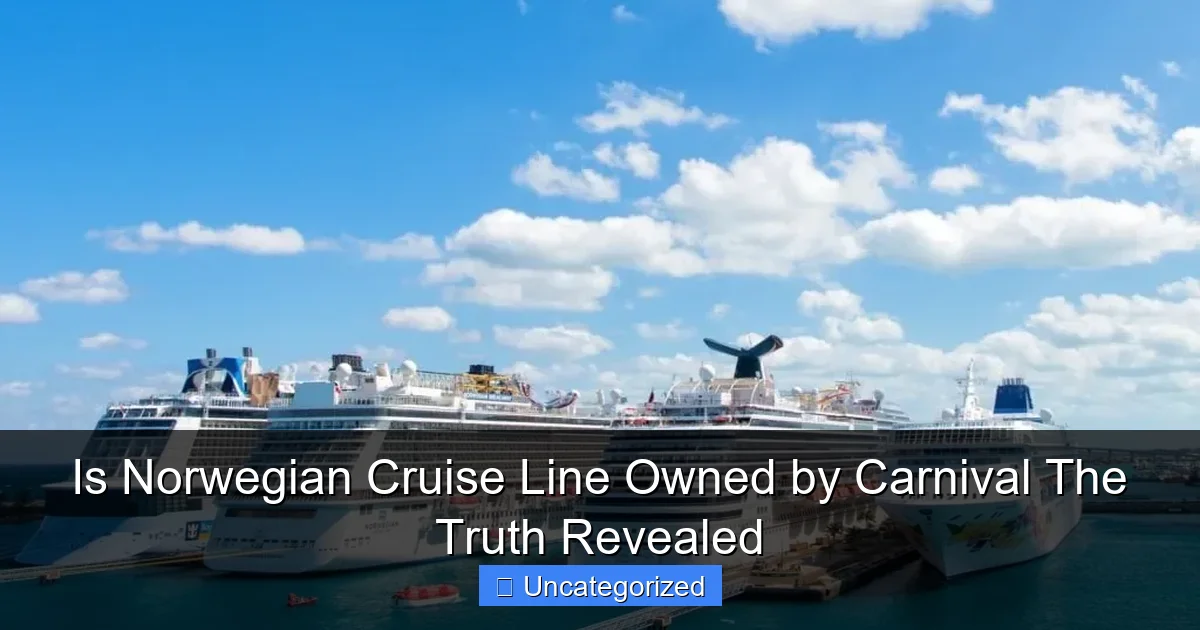
Featured image for is norwegian cruise line owned by carnival
Image source: highseascruising.com
No, Norwegian Cruise Line is not owned by Carnival Corporation. It operates as an independent company under Norwegian Cruise Line Holdings (NCLH), which trades publicly on the NYSE. Despite industry rumors, the two cruise giants remain separate entities, each with distinct brands, fleets, and management strategies.
Key Takeaways
- Norwegian Cruise Line is not owned by Carnival: It operates independently under its parent, Norwegian Cruise Line Holdings.
- No corporate overlap: Carnival and Norwegian are competitors, not parent and subsidiary.
- Verify ownership: Always check official company sources to avoid misinformation.
- Norwegian’s unique offerings: Focus on freestyle cruising sets it apart from Carnival.
- Stock exchange clarity: Norwegian (NCLH) and Carnival (CCL) trade separately.
- Brand distinction matters: Each cruise line maintains separate branding, itineraries, and loyalty programs.
📑 Table of Contents
- The Great Cruise Line Ownership Question: Is Norwegian Cruise Line Owned by Carnival?
- The Corporate Landscape of the Cruise Industry
- Norwegian Cruise Line: A Standalone Brand with a Unique History
- Carnival Corporation: The World’s Largest Cruise Company
- Ownership Structure: The Truth About NCL and Carnival
- Comparing the Two: Fleet, Itineraries, and Passenger Experience
- Conclusion: The Truth Is Clear and Important
The Great Cruise Line Ownership Question: Is Norwegian Cruise Line Owned by Carnival?
For many travelers dreaming of sun-drenched decks, exotic ports, and endless buffets, the world of cruise lines can feel like a tangled web of corporate ownership. If you’ve ever wondered, “Is Norwegian Cruise Line owned by Carnival?” you’re not alone. With both brands dominating the high seas and offering competitive itineraries, it’s a natural question for cruise enthusiasts, industry watchers, and savvy vacation planners. The answer isn’t as straightforward as a simple “yes” or “no”—it’s a story of global business, strategic alliances, and evolving market dynamics that have reshaped the cruise industry over decades.
Norwegian Cruise Line (NCL) and Carnival Cruise Line are two of the most recognizable names in the cruise world, often seen side by side in ports from Miami to Barcelona. Both offer mass-market, fun-filled experiences with a wide array of onboard amenities, from Broadway shows to water slides and gourmet dining. But despite their similarities in branding and target audience, their corporate roots and ownership structures are distinct. This article will peel back the layers of corporate ownership, explore the history of both cruise giants, and reveal the truth behind the relationship between Norwegian Cruise Line and Carnival. Whether you’re a seasoned cruiser, a first-time traveler, or an investor curious about the cruise industry, understanding who owns what is crucial to making informed decisions—and avoiding common misconceptions.
The Corporate Landscape of the Cruise Industry
Understanding the Major Cruise Players
The modern cruise industry is dominated by a few major corporate groups, each overseeing multiple brands to capture diverse market segments. The three largest parent companies in the world are Carnival Corporation & plc, Royal Caribbean Group, and Norwegian Cruise Line Holdings Ltd. These are not just single cruise lines but multinational corporations that operate several distinct brands under one umbrella. For example, Carnival Corporation owns not only Carnival Cruise Line but also Princess Cruises, Holland America Line, Seabourn, and Costa Cruises, among others.
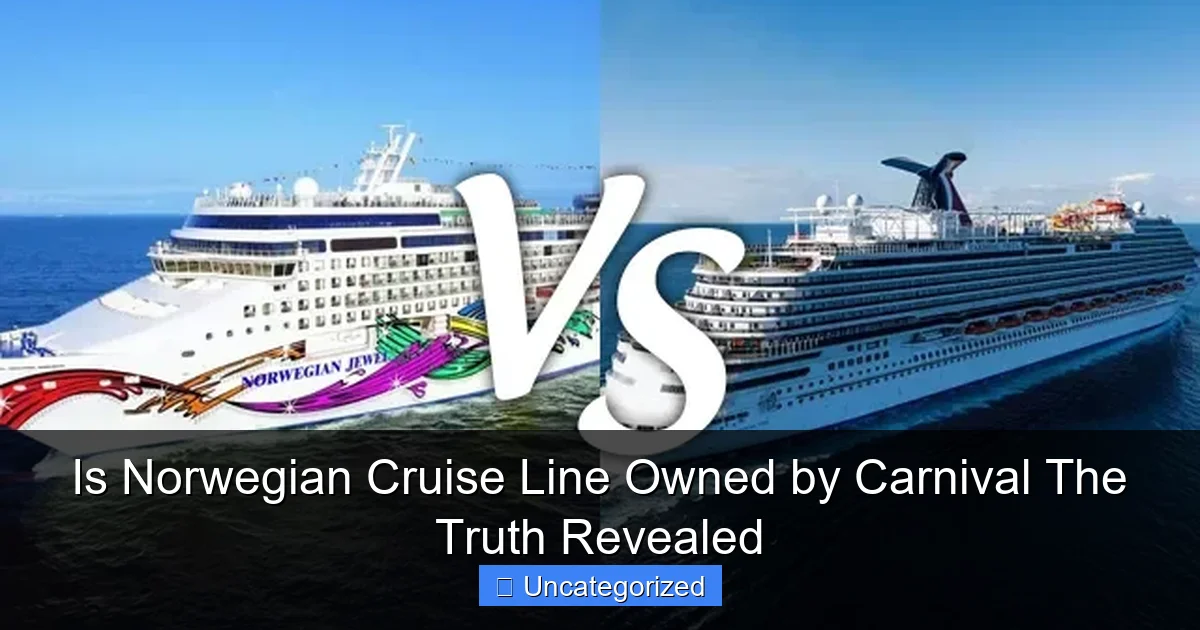
Visual guide about is norwegian cruise line owned by carnival
Image source: cruisebooking.com
Similarly, Royal Caribbean Group operates Royal Caribbean International, Celebrity Cruises, and Silversea Cruises. Norwegian Cruise Line Holdings Ltd., on the other hand, owns Norwegian Cruise Line (NCL), Oceania Cruises, and Regent Seven Seas Cruises. This multi-brand strategy allows parent companies to cater to different customer profiles—from budget-conscious families to luxury travelers—without diluting any single brand’s identity.
Why Ownership Matters to Travelers and Investors
Understanding ownership is more than just trivia. For travelers, it can influence everything from customer service standards to loyalty programs and onboard amenities. For example, if two cruise lines are under the same parent company, they might share technology platforms, booking systems, or even crew training protocols. This can lead to more consistent experiences across brands, but it can also result in homogenization—something luxury brands like Regent Seven Seas actively try to avoid.
For investors and industry analysts, ownership structures reveal market concentration, competitive advantages, and strategic growth plans. The cruise industry is highly capital-intensive, requiring massive investments in new ships, environmental compliance, and digital infrastructure. Parent companies pool resources across brands to fund these initiatives. For instance, Norwegian Cruise Line Holdings recently invested over $1.5 billion in new LNG-powered vessels across its three brands, leveraging shared engineering and sustainability goals.
Tip: When researching cruise lines, always look beyond the brand name. Check the parent company to understand the broader ecosystem—this can help you anticipate changes in service, pricing, or itineraries.
Norwegian Cruise Line: A Standalone Brand with a Unique History
Founding and Early Growth
Norwegian Cruise Line was founded in 1966 by Knut Kloster and Ted Arison—yes, the same Ted Arison who later co-founded Carnival Cruise Line. Initially, NCL was created to offer affordable, flexible cruising from Miami to the Caribbean, a radical idea at a time when cruising was seen as an exclusive, formal experience. The company’s first ship, the Sunward, launched in 1966 and could carry just 600 passengers. Its success laid the foundation for a new model of cruising: casual, accessible, and focused on fun.
Over the decades, NCL expanded rapidly, introducing innovations like Freestyle Cruising in 2000. This concept eliminated fixed dining times and formal dress codes, allowing guests to dine when and where they pleased. The move was revolutionary and helped NCL differentiate itself from competitors. By the early 2000s, NCL had grown to include a fleet of over a dozen ships and was attracting millions of passengers annually.
From Public to Private and Back Again
In 2007, NCL was acquired by a group of private equity firms—Apollo Global Management, TPG Capital, and the Blackstone Group—for approximately $1 billion. This move was part of a broader trend of private equity firms investing in travel and hospitality during the mid-2000s. The goal was to restructure the company, reduce debt, and position it for long-term growth. During this period, NCL launched new ships like the Norwegian Epic and expanded its presence in Europe and Asia.
In 2013, NCL went public again, forming Norwegian Cruise Line Holdings Ltd. (NCLH), a publicly traded company listed on the New York Stock Exchange (NYSE: NCLH). This IPO raised over $450 million and allowed the company to refinance debt and fund new ship construction. Since then, NCLH has continued to grow, acquiring Oceania Cruises in 2007 and Regent Seven Seas Cruises in 2014, creating a three-brand portfolio targeting different luxury and premium segments.
Key Innovations and Brand Identity
NCL is known for its bold, modern approach to cruising. Its ships feature water slides, go-kart tracks, Broadway-style entertainment, and diverse dining options—from Brazilian steakhouses to French bistros. The brand has also embraced digital innovation, with features like the Norwegian iConcierge app for mobile check-in, room service, and excursion booking.
Unlike Carnival, which leans heavily into family-friendly, high-energy experiences, NCL positions itself as more adult-oriented and flexible. It’s often marketed as the “freestyle” alternative to the structured, traditional cruise model. This distinct identity is protected under Norwegian Cruise Line Holdings, which operates independently from Carnival Corporation.
Carnival Corporation: The World’s Largest Cruise Company
From Humble Beginnings to Global Dominance
Carnival Cruise Line was founded in 1972 by Ted Arison, who had previously co-founded NCL. After selling his stake in NCL, Arison launched Carnival with a single ship, the Mardi Gras, which began operations in 1972. The company quickly gained a reputation for fun, affordability, and entertainment—earning the nickname “The Fun Ships.” By the 1980s, Carnival was the fastest-growing cruise line in the world, thanks to aggressive marketing and a focus on value.
In 2003, Carnival Cruise Line merged with P&O Princess Cruises to form Carnival Corporation & plc, a dual-listed company with headquarters in Miami and London. This merger created the world’s largest cruise company, with a portfolio of 10 brands operating over 90 ships. Today, Carnival Corporation owns:
- Carnival Cruise Line
- Princess Cruises
- Holland America Line
- Seabourn
- Costa Cruises
- AIDA Cruises
- P&O Cruises (UK and Australia)
- Cunard Line
- Fathom (defunct)
- Festival Cruises (defunct)
Business Strategy and Market Reach
Carnival Corporation’s strategy is built on brand segmentation. Each brand targets a specific demographic or region. For example:
- Carnival Cruise Line targets families and first-time cruisers with low prices and high-energy activities.
- Princess Cruises focuses on mature travelers and offers more refined dining and enrichment programs.
- Holland America Line appeals to older, luxury-oriented guests with longer itineraries.
- Costa Cruises dominates the European market, especially Italy and Germany.
- Cunard Line maintains a traditional, formal cruising experience, including transatlantic voyages.
This multi-brand approach allows Carnival to capture a wide range of customers without direct internal competition. It also enables shared resources—such as supply chains, IT systems, and environmental compliance programs—across brands, reducing costs and increasing efficiency.
Financial Scale and Global Operations
As of 2023, Carnival Corporation operates a fleet of 94 ships with a total passenger capacity of over 300,000. The company reported annual revenue of $15.4 billion in 2023, with over 13 million passengers carried. Its global footprint includes offices in 15 countries and operations in North America, Europe, Asia, and Australia.
Carnival has also invested heavily in sustainability, launching the Green Cruising initiative to reduce emissions, eliminate single-use plastics, and achieve net-zero carbon operations by 2050. It has ordered new LNG-powered ships and retrofitted existing vessels with exhaust gas cleaning systems (scrubbers).
Ownership Structure: The Truth About NCL and Carnival
Separate Public Companies, No Ownership Ties
The short answer to “Is Norwegian Cruise Line owned by Carnival?” is a definitive no. Norwegian Cruise Line is owned by Norwegian Cruise Line Holdings Ltd. (NCLH), a publicly traded company independent of Carnival Corporation. Similarly, Carnival Cruise Line is owned by Carnival Corporation & plc, a separate entity with no ownership stake in NCLH.
Both companies are listed on the New York Stock Exchange:
- Norwegian Cruise Line Holdings Ltd. trades under the ticker NCLH
- Carnival Corporation & plc trades under the ticker CCL
They file separate quarterly and annual reports with the SEC, maintain independent boards of directors, and have distinct executive leadership teams. For example, in 2023, NCLH’s CEO was Harry Sommer, while Carnival Corporation’s CEO was Josh Weinstein.
Historical Connections and Shared Founders
Despite the lack of current ownership ties, there is a historical connection. As mentioned earlier, Ted Arison, the founder of Carnival Cruise Line, was a co-founder of Norwegian Cruise Line in 1966. He sold his stake in NCL before launching Carnival, but the shared origin often fuels confusion. Additionally, both companies began with similar goals: to make cruising accessible and fun for the average traveler.
There is also some overlap in early executives and investors. However, these personal and historical links do not equate to corporate ownership. Think of it like Apple and Microsoft—both founded in the 1970s, both tech giants, but completely separate companies with no ownership stake in each other.
Why the Confusion Exists
Several factors contribute to the persistent myth that NCL is owned by Carnival:
- Similar branding: Both use colorful, energetic branding and target similar demographics.
- Shared ports: They often dock side by side in major ports like Miami, Nassau, and Barcelona.
- Industry consolidation rumors: Rumors of mergers and acquisitions are common in the cruise world, especially after the pandemic.
- Third-party booking platforms: Travel sites like Expedia or Cruise.com sometimes group them together, reinforcing the idea of a single parent company.
Tip: To verify ownership, always check the “About Us” or “Investor Relations” section of a cruise line’s official website. For NCL, go to ncl.com and look for “Our Company.” For Carnival, visit carnivalcorp.com.
Comparing the Two: Fleet, Itineraries, and Passenger Experience
Fleet Size and Ship Design
While both companies operate large fleets, their ship designs and sizes differ significantly:
| Metric | Norwegian Cruise Line Holdings (NCLH) | Carnival Corporation |
|---|---|---|
| Number of Ships | 32 (across NCL, Oceania, Regent) | 94 (across 10 brands) |
| Largest Ship | Norwegian Prima (1,400 ft, 3,200 guests) | Mardi Gras (1,130 ft, 5,200 guests) |
| Newest Ship | Norwegian Viva (2023) | Carnival Jubilee (2023) |
| LNG-Powered Ships | 3 (Norwegian Prima, Viva, Encore) | 5 (Mardi Gras, Celebration, Jubilee, AIDAnova, Costa Toscana) |
| Passenger Capacity (2023) | ~85,000 | ~300,000 |
| Annual Passengers | ~3.5 million | ~13 million |
NCL focuses on mid-sized, innovative ships with unique features like the Prima Class’s racetrack and infinity pools. Carnival’s ships are often larger, with more family-oriented attractions like water parks, mini-golf, and kids’ clubs.
Itineraries and Destinations
Both companies offer global itineraries, but their focus differs:
- NCL: Strong in the Caribbean, Alaska, and Mediterranean. Offers more short cruises (3-5 days) and freestyle options.
- Carnival: Dominates the Caribbean and Mexico with 4-7 day cruises. Also strong in Australia and Europe through subsidiaries.
NCL has expanded into Asia with ships like Norwegian Joy based in Shanghai, while Carnival focuses on the North American and European markets.
Onboard Experience and Loyalty Programs
NCL’s Freestyle Cruising model allows more flexibility in dining, dress code, and activities. Carnival emphasizes structured entertainment, with daily schedules, deck parties, and family-friendly events.
Loyalty programs also differ:
- NCL’s Latitudes Rewards: Offers tiered benefits (Silver, Gold, Platinum, Diamond) with perks like priority boarding, free drinks, and cabin upgrades.
- Carnival’s VIFP Club: Rewards repeat cruisers with discounts, onboard credits, and exclusive events.
Neither program is transferable to the other’s parent company, further confirming the lack of shared ownership.
Conclusion: The Truth Is Clear and Important
So, is Norwegian Cruise Line owned by Carnival? The answer is a resounding no. Norwegian Cruise Line is operated by Norwegian Cruise Line Holdings Ltd., a publicly traded company that also owns Oceania Cruises and Regent Seven Seas Cruises. Carnival Cruise Line, meanwhile, is part of Carnival Corporation & plc, a separate global giant with its own portfolio of brands. While both companies share a common origin through Ted Arison and compete in similar markets, they are entirely independent entities with no ownership ties.
Understanding this distinction is crucial for several reasons. First, it helps travelers make informed choices based on brand identity, service style, and itinerary options—not assumptions about corporate ownership. Second, it empowers investors to analyze each company’s financial health, growth strategy, and market position without conflating them. Third, it clarifies the competitive landscape of the cruise industry, where innovation, sustainability, and customer experience are driven by independent corporate visions.
As the cruise industry continues to evolve—especially in the wake of the pandemic, rising environmental standards, and changing traveler preferences—knowing who owns what will only grow in importance. Whether you’re booking your next vacation, analyzing industry trends, or simply satisfying your curiosity, the truth is now revealed: Norwegian Cruise Line and Carnival may sail the same seas, but they do so under separate flags, with separate crews, and separate destinies.
Frequently Asked Questions
Is Norwegian Cruise Line owned by Carnival?
No, Norwegian Cruise Line (NCL) is not owned by Carnival. It is a standalone company and a subsidiary of Norwegian Cruise Line Holdings Ltd., which trades independently on the stock market.
Who owns Norwegian Cruise Line?
Norwegian Cruise Line is owned by Norwegian Cruise Line Holdings Ltd., a global cruise company that operates NCL, Oceania Cruises, and Regent Seven Seas Cruises. It is not affiliated with Carnival Corporation.
Are Norwegian Cruise Line and Carnival Corporation competitors?
Yes, NCL and Carnival Corporation are direct competitors in the cruise industry. Both companies operate major cruise brands but maintain separate ownership, management, and business strategies.
Does Carnival Corporation have any stake in Norwegian Cruise Line?
No, Carnival Corporation does not own or hold any stake in Norwegian Cruise Line. The two companies are entirely separate entities with distinct corporate structures.
Is Norwegian Cruise Line part of the Carnival family of brands?
No, Norwegian Cruise Line is not part of the Carnival family. Carnival Corporation owns brands like Carnival Cruise Line, Princess Cruises, and Holland America, but NCL operates independently under its own parent company.
What’s the relationship between Norwegian Cruise Line and Carnival?
There is no ownership or corporate relationship between Norwegian Cruise Line and Carnival. They are separate competitors, each offering unique cruise experiences under different management and branding.