
Featured image for is msc a budget cruise line
Image source: i.ytimg.com
MSC is not a traditional budget cruise line, but it offers surprisingly affordable fares by focusing on value-driven pricing, especially on newer ships in Europe and the Caribbean. While not luxury-tier, MSC delivers solid amenities, diverse dining, and modern entertainment—making it a smart pick for cost-conscious travelers who still want a premium experience.
Key Takeaways
- MSC is budget-friendly: Offers lower fares than premium lines with solid onboard value.
- Compare inclusions carefully: Base prices are low, but extras like drinks add up fast.
- Best for flexible travelers: Affordable if you avoid peak seasons and splurge-worthy upgrades.
- Family perks stand out: Kids sail free deals make MSC ideal for cost-conscious families.
- Service varies by ship: Newer vessels offer better experiences—research before booking.
📑 Table of Contents
- What Makes a Cruise Line “Budget-Friendly”?
- Understanding MSC Cruises: Brand Positioning and Market Strategy
- Onboard Experience: Balancing Affordability and Comfort
- Dining: Is MSC’s Food Worth the Price?
- Excursions and Port Costs: The Hidden Expenses
- MSC’s Value Proposition: Is It Truly a Budget Line?
- Conclusion: The Truth About MSC as a Budget Cruise Line
What Makes a Cruise Line “Budget-Friendly”?
When planning a vacation, one of the most critical decisions travelers face is whether to splurge on luxury or save money with a more economical option. In the world of cruising, the term “budget cruise line” often conjures images of cramped cabins, limited dining options, and a lack of onboard amenities. However, the reality is far more nuanced. A budget-friendly cruise isn’t just about the lowest sticker price—it’s about the overall value proposition. Does the cruise line offer a balance between affordability and quality? Are there hidden fees that inflate the final cost? And, perhaps most importantly, do passengers leave the ship feeling satisfied with their experience?
MSC Cruises, a global leader in the cruise industry, has long been associated with competitive pricing and frequent promotions. With a fleet of modern ships, international itineraries, and a reputation for catering to diverse markets—from European families to North American vacationers—MSC often appears on the radar of budget-conscious travelers. But is MSC truly a budget cruise line? Or does it occupy a middle ground between affordability and upscale cruising? In this comprehensive guide, we’ll explore MSC’s pricing structure, onboard experience, dining, excursions, and overall value to uncover the truth. Whether you’re a first-time cruiser or a seasoned sailor, this article will help you decide if MSC is the right fit for your next affordable getaway.
Understanding MSC Cruises: Brand Positioning and Market Strategy
MSC’s Global Reach and Diverse Fleet
MSC Cruises, short for Mediterranean Shipping Company Cruises, is a Swiss-based cruise line that has grown rapidly since its founding in 1989. Today, it operates one of the largest cruise fleets in the world, with over 20 ships—ranging from the classic MSC Magnifica to the cutting-edge MSC World Europa, the first LNG-powered cruise ship in the fleet. The company serves more than 100 countries and offers itineraries across six continents, including popular routes in the Caribbean, Mediterranean, Northern Europe, and even South America.
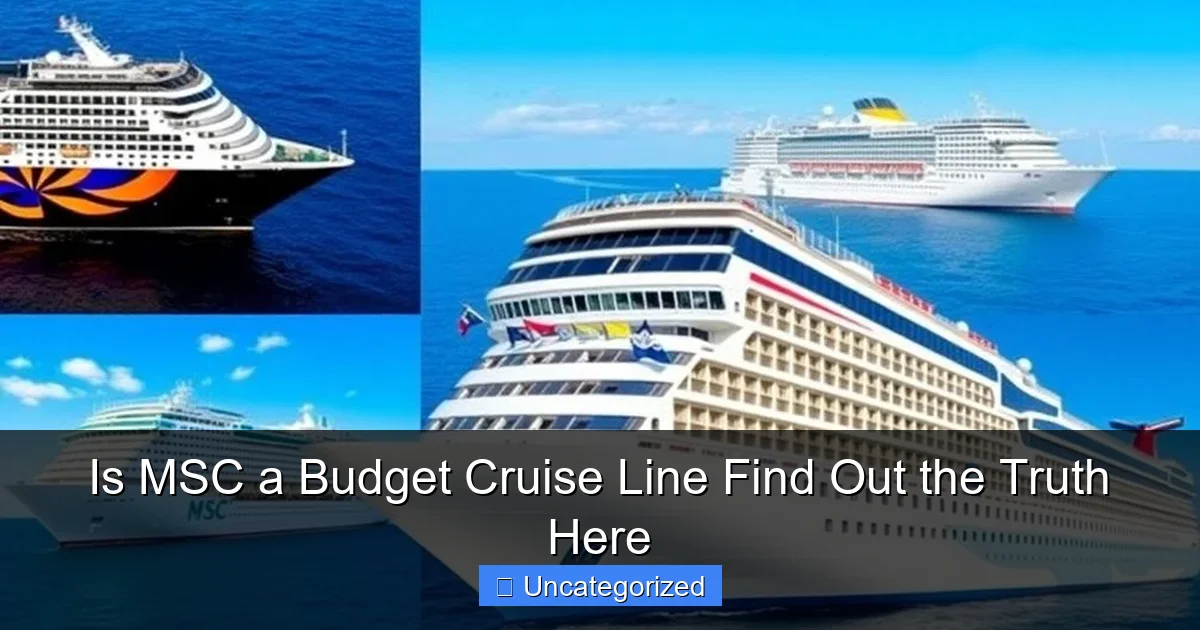
Visual guide about is msc a budget cruise line
Image source: voyagerinfo.com
What sets MSC apart from traditional “budget” cruise lines like Carnival or Norwegian is its hybrid positioning. While it offers aggressive pricing and frequent discounts, it also invests heavily in ship design, technology, and onboard experiences. For example, the MSC World Europa features a 104-meter-long outdoor promenade, a 1,112-square-foot indoor water park, and the world’s first humanoid robot bartender. These features are far from the minimalist amenities typically associated with budget cruising.
Pricing Strategy: Low Base Fares with Tiered Add-Ons
MSC’s pricing model is a key factor in its perception as a budget-friendly option. The company often advertises base fares starting as low as $399 per person for a 7-night Caribbean cruise—significantly lower than luxury lines like Regent Seven Seas or Crystal, which can cost $5,000+ per person for a similar itinerary. However, this low entry point is just the beginning. Like many cruise lines, MSC employs a “à la carte” pricing strategy, where the base fare covers only the essentials: your cabin, standard dining, and access to most onboard activities.
- Drinks packages: Starting at $30–$50 per person, per day.
- Specialty dining: $25–$50 per person for restaurants like Butcher’s Cut (steakhouse) or Ocean Cay (Asian fusion).
- Spa and fitness: Treatments range from $80 for a massage to $300+ for premium services.
- Wi-Fi packages: $15–$30 per day, depending on speed and data limits.
This tiered approach means that while MSC’s base price is budget-friendly, the final cost can rise quickly if you opt for add-ons. For example, a family of four booking a $1,600 base fare could end up paying $3,000+ after adding drinks, Wi-Fi, and excursions. This is a critical distinction: MSC is budget-friendly at the entry level, but not necessarily for the full experience.
Onboard Experience: Balancing Affordability and Comfort
Cabin Quality and Amenities
MSC cabins are generally well-designed, with modern furnishings, ample storage, and comfortable bedding. However, the quality varies significantly depending on the ship and cabin category. Interior cabins (the cheapest option) are compact, averaging 130–150 square feet, with limited natural light. Oceanview and balcony cabins offer more space and better views, but they come at a premium—often 30–50% more than interior rooms.
One standout feature is MSC’s “MSC for Me” technology, available on newer ships. This includes a mobile app for booking dining, checking schedules, and even unlocking your cabin. The app also integrates with wearable wristbands, allowing you to make purchases without carrying cash or cards. While this tech is impressive, it’s worth noting that it’s not available on older ships, which may feel dated compared to competitors like Royal Caribbean’s Symphony of the Seas.
Entertainment and Activities
MSC’s entertainment lineup is a mixed bag. On one hand, the company partners with Cirque du Soleil to offer exclusive shows on select ships (e.g., MSC Meraviglia and MSC Grandiosa). These performances are high-quality, professional, and included in the base fare—a major value proposition. On the other hand, daytime activities can feel limited compared to lines like Carnival, which offer everything from trivia contests to dance classes.
- Family-friendly options: Kids’ clubs, LEGO play areas, and family suites.
- Adults-only zones: The MSC Aurea Spa and MSC Yacht Club (a luxury enclave) offer quiet spaces and premium services.
- Sports and recreation: Bowling alleys, Formula 1 simulators, and zip lines on newer ships.
Tip: If you’re traveling with kids, MSC’s free kids’ program (for ages 3–17) is a huge cost-saver. Most other lines charge $10–$20 per child, per day.
Service and Staff-to-Guest Ratio
MSC’s service quality has improved significantly in recent years, but it’s still not on par with luxury lines. The staff-to-guest ratio is approximately 1:2.5, which is decent but can lead to longer wait times in dining rooms or bars during peak hours. However, many guests praise the friendliness and professionalism of MSC’s multilingual crew, particularly in the dining and housekeeping departments.
One potential downside: MSC’s European heritage means that service styles may differ from what North American travelers expect. For example, dinner service can be slower, and staff may not proactively refill drinks—a contrast to the high-energy, attentive service on Carnival or Royal Caribbean.
Dining: Is MSC’s Food Worth the Price?
Complimentary Dining Options
MSC’s standard dining is surprisingly good for a “budget” line. The main dining rooms offer a rotating menu with international cuisine, including Italian, Asian, and Mediterranean dishes. Breakfast and lunch buffets are extensive, with options for vegetarians, vegans, and those with food allergies. The quality is on par with mid-tier lines like Norwegian Cruise Line, though not as refined as Celebrity or Holland America.
One standout feature is the “MSC Dining Experience” program, which includes themed dinners (e.g., “Tuscan Night” or “Asian Fusion”) and chef’s table events. These are included in the base fare and often feature live cooking demonstrations—a nice touch for foodies.
Specialty Restaurants and Add-Ons
While the complimentary dining is solid, MSC’s specialty restaurants are where the line truly shines—and where costs can add up. The steakhouse, Butcher’s Cut, serves premium cuts of beef (like Wagyu) with wine pairings, while Ocean Cay offers sushi, dim sum, and Peking duck. These restaurants are priced at $25–$50 per person, which is competitive with other cruise lines but can feel steep if you’re trying to stick to a budget.
Example: A couple dining at Butcher’s Cut for $40 per person, plus a $30 bottle of wine, adds $110 to their bill. For a 7-night cruise, that’s $770 just for two specialty dinners.
Tip: If you want to try specialty dining without overspending, book “Dinner for Two” packages, which often include a 3-course meal and bottle of wine at a discounted rate.
Drinks and Beverage Packages
MSC’s drink packages are priced competitively but come with limitations. The “Easy” package ($35/day) includes soft drinks, juices, coffee, and select beers/wines, while the “Premium” package ($55/day) adds cocktails, premium wines, and spirits. However, there’s a 15% service charge added automatically—a common practice in the industry but one that can surprise budget travelers.
Important: The Premium package doesn’t include top-shelf liquors (e.g., Grey Goose, Patron) or bottled water over 1.5L. If you’re a heavy drinker, you may end up paying extra even with the package.
Excursions and Port Costs: The Hidden Expenses
MSC-Operated Tours vs. Independent Options
MSC offers a wide range of shore excursions, from snorkeling in Cozumel to glacier hikes in Alaska. Prices vary widely, but most tours cost $50–$150 per person. While these excursions are convenient and guaranteed to match your ship’s schedule, they’re often more expensive than booking independently.
Example: In Nassau, Bahamas, an MSC snorkeling tour costs $79 per person. A similar tour booked through a local operator (e.g., via Viator or TripAdvisor) averages $45–$60. Over a 7-day cruise with 3–4 ports, this can save a family of four $200–$300.
Tip: Always research port options before your trip. Use apps like TripAdvisor or GetYourGuide to compare prices and read reviews.
Port Fees and Taxes
Like all cruise lines, MSC adds mandatory port fees and taxes to your fare. These can range from $150 to $300 per person, depending on the itinerary. While this is standard industry practice, it’s often not clearly communicated in the initial price quote. Always check the “total price” breakdown on MSC’s website to avoid sticker shock.
Free Time in Ports
One advantage of MSC’s European-style itineraries is that they often include late-night or overnight stays in ports. For example, a Mediterranean cruise might dock in Barcelona from 8 AM to 11 PM, giving you time to explore the city without booking an excursion. This is a cost-saving option, but it requires planning—especially if you want to visit popular attractions like the Sagrada Família or Park Güell.
MSC’s Value Proposition: Is It Truly a Budget Line?
Comparative Analysis: MSC vs. True Budget Lines
To assess MSC’s value, let’s compare it to two well-known budget cruise lines: Carnival Cruise Line and Norwegian Cruise Line (NCL).
| Feature | MSC Cruises | Carnival Cruise Line | Norwegian Cruise Line |
|---|---|---|---|
| Base Fare (7-night Caribbean) | $399–$699 | $449–$749 | $499–$799 |
| Kids’ Programs | Free (ages 3–17) | $8–$15/day | $8–$15/day |
| Entertainment | Cirque du Soleil (select ships), theater, live music | Comedy clubs, deck parties, game shows | Broadway shows, comedy, karaoke |
| Dining Options | 2 MDRs, 4–6 specialty restaurants, buffet | 1 MDR, 4–5 specialty restaurants, buffet | Open dining (no assigned seating), 10+ specialty restaurants |
| Drink Packages | $35–$55/day (15% service charge) | $55–$65/day (15% service charge) | $65–$90/day (18% service charge) |
| Wi-Fi | $15–$30/day | $18–$25/day | $20–$35/day |
From this comparison, it’s clear that MSC holds its own against true budget lines. Its base fares are competitive, and the free kids’ program is a standout perk. However, MSC’s entertainment and dining options often exceed what Carnival or NCL offer—especially on newer ships.
Who Is MSC Best For?
MSC is ideal for:
- Families: Free kids’ clubs, family cabins, and kid-friendly dining.
- First-time cruisers: Simple pricing, clear itineraries, and a wide range of activities.
- Travelers seeking variety: International menus, multilingual staff, and diverse itineraries.
MSC may not be the best choice for:
- Budget purists: If you want to avoid all add-ons, consider Carnival’s “Fun Pass” or NCL’s “Free at Sea” promotions.
- Luxury seekers: For a more upscale experience, look to Celebrity, Oceania, or Regent.
Conclusion: The Truth About MSC as a Budget Cruise Line
So, is MSC a budget cruise line? The answer is: it depends on how you define “budget”. If you’re looking for the absolute lowest upfront cost, MSC delivers with base fares that rival Carnival and NCL. But if your definition of budget includes a comprehensive, all-inclusive experience with minimal hidden fees, MSC may fall short. The line’s à la carte pricing model means that the final cost can escalate quickly, especially if you opt for specialty dining, premium drinks, or excursions.
However, MSC’s value lies in its balance. It offers more amenities, better dining, and higher-quality entertainment than many true budget lines, while still keeping base prices low. For travelers who want to enjoy a mid-tier cruise experience without the mid-tier price tag, MSC is an excellent choice. Just remember to:
- Book early for the best rates.
- Compare add-ons carefully (e.g., drink packages vs. pay-as-you-go).
- Consider independent excursions to save on port costs.
- Take advantage of free perks like kids’ programs and Cirque du Soleil shows.
In the end, MSC isn’t a “budget” line in the traditional sense—it’s a value-driven line that caters to travelers who want more for less. Whether you’re a family on a tight budget or a couple looking for an affordable romantic getaway, MSC offers a compelling mix of affordability and quality that’s hard to beat. So, if you’re ready to set sail without breaking the bank, MSC might just be the perfect fit.
Frequently Asked Questions
Is MSC a budget cruise line compared to other major brands?
Yes, MSC is generally considered a budget-friendly cruise line when compared to premium competitors like Royal Caribbean or Norwegian. While not the absolute cheapest, it offers strong value with inclusive pricing on dining and entertainment, especially on newer ships.
What makes MSC Cruises a good budget option for families?
MSC stands out as a budget cruise line by offering kids-sail-free promotions and affordable cabin options, including interior and balcony staterooms. Their family-friendly activities and flexible dining plans further enhance cost savings for multi-generational travelers.
Are there hidden costs that make MSC less budget-friendly?
While MSC markets itself as a budget cruise line, extras like premium dining, Wi-Fi, and drink packages can add up. However, base fares remain competitive, and avoiding optional upgrades keeps costs low for price-conscious travelers.
Does MSC offer last-minute deals to maintain its budget reputation?
Absolutely. MSC frequently releases last-minute discounts and flash sales, reinforcing its status as a budget cruise line. Booking within 60–90 days of departure often yields the best savings on balcony and suite cabins.
How does MSC’s pricing strategy compare to true budget lines like Carnival?
MSC’s pricing is slightly higher than Carnival’s but still qualifies as a budget cruise line due to modern ships, Mediterranean-inspired dining, and fewer nickel-and-dime fees. It bridges the gap between ultra-low-cost and mid-tier cruise experiences.
Can I cruise with MSC on a tight budget without sacrificing quality?
Yes. MSC’s base fares include high-quality amenities like themed dining, Broadway-style shows, and fitness centers. Choosing off-peak sailings and avoiding add-ons lets budget travelers enjoy a premium experience at an affordable price.