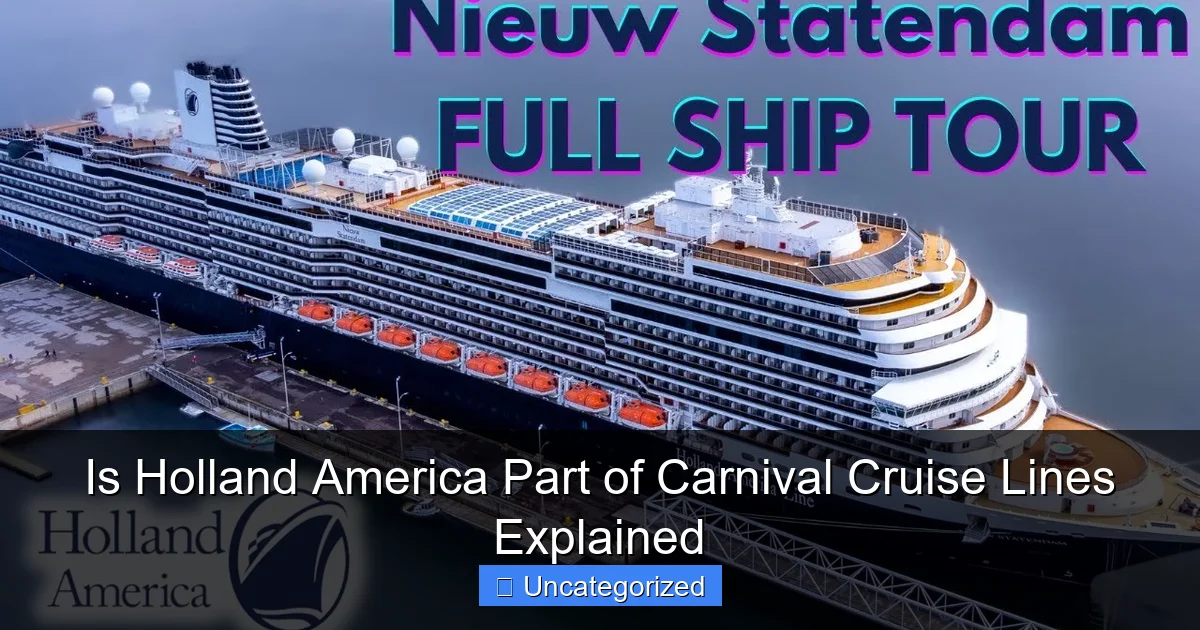
Featured image for is holland america part of carnival cruise lines
Image source: i.ytimg.com
Yes, Holland America Line is part of Carnival Corporation & plc, the world’s largest cruise company. While it operates as a premium, independent brand with its own distinct identity, Holland America benefits from Carnival’s global infrastructure and resources. This ownership allows for shared innovation and economies of scale, while maintaining Holland America’s signature mid-sized ships and refined cruising experience.
Key Takeaways
- Holland America is owned by Carnival: A subsidiary under Carnival Corporation since 1989.
- Operates independently: Maintains unique branding, ships, and onboard experiences.
- Shares corporate resources: Benefits from Carnival’s purchasing power and operational support.
- Diverse cruise styles: Holland America targets premium travelers, unlike Carnival’s mass-market focus.
- Same parent, different fleets: No shared ships; each brand has distinct itineraries and services.
- Loyalty programs are separate: No cross-brand rewards; earn perks individually.
📑 Table of Contents
- Understanding the Cruise Industry Landscape
- The Corporate Ownership Structure: Who Owns Whom?
- Operational Differences Between Holland America and Carnival Cruise Lines
- Shared Resources and Synergies Within Carnival Corporation
- Why the Multi-Brand Strategy Works
- Data Table: Key Differences Between Holland America and Carnival Cruise Lines
- Conclusion: What This Means for Travelers
Understanding the Cruise Industry Landscape
The cruise industry is a vast and dynamic sector, with numerous brands offering unique experiences across the globe. Among the most recognizable names are Holland America Line and Carnival Cruise Lines, both of which have carved out distinct identities in the market. Holland America is known for its premium, traditional cruising experience, often appealing to older, more seasoned travelers who appreciate a refined atmosphere, elegant dining, and cultural enrichment. In contrast, Carnival Cruise Lines has built its reputation on fun, affordability, and family-friendly entertainment, with a focus on vibrant onboard activities, casual dining, and a lively party atmosphere.
Given their different target audiences and service styles, it’s natural for travelers to wonder about the corporate structure behind these brands. Are they competitors, or do they share a parent company? The answer lies in the intricate hierarchy of the modern cruise industry, where consolidation has led to a few major players owning multiple brands. This blog post will delve into the relationship between Holland America and Carnival Cruise Lines, exploring their shared ownership, operational differences, and what this means for passengers. Whether you’re a first-time cruiser or a seasoned traveler, understanding this corporate structure can help you make informed decisions about your next voyage.
The Corporate Ownership Structure: Who Owns Whom?
Holland America Line: A Legacy Brand Under Carnival Corporation
Holland America Line, founded in 1873, is one of the oldest cruise lines in the world. Originally established as a transatlantic shipping company, it transitioned into a cruise-focused business and became synonymous with luxury and tradition. In 1989, Holland America Line was acquired by Carnival Corporation & plc, the world’s largest cruise company. This acquisition marked a pivotal moment in the cruise industry, as it began a wave of consolidation that would shape the modern landscape.
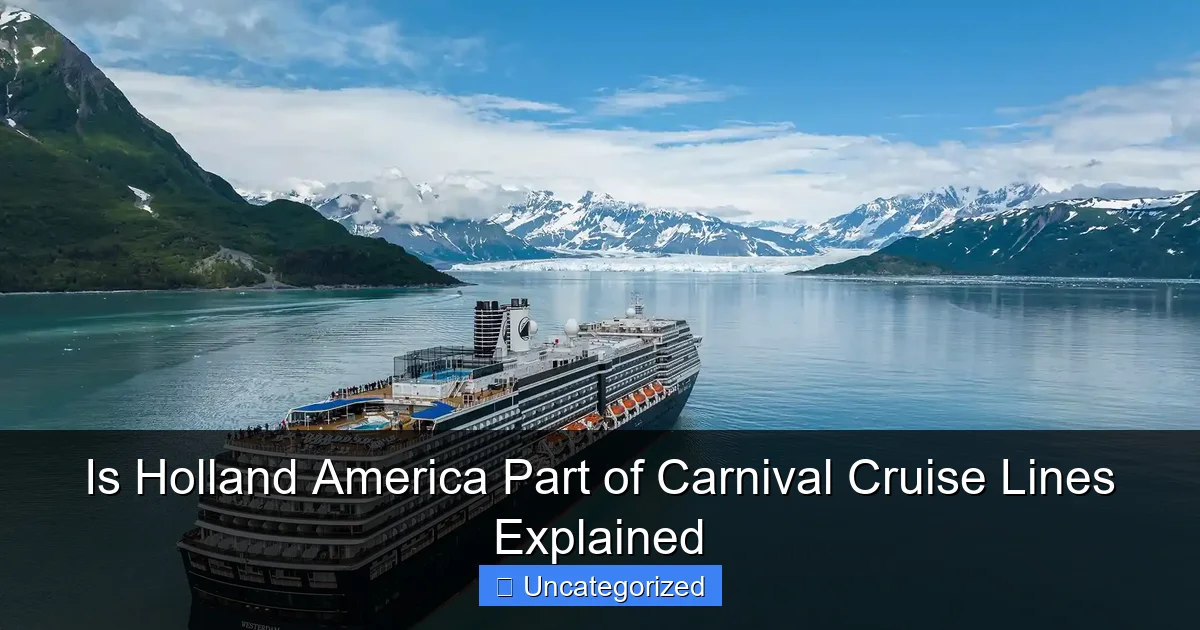
Visual guide about is holland america part of carnival cruise lines
Image source: hollandamerica.com
Today, Holland America remains a fully owned subsidiary of Carnival Corporation. Despite the ownership, Holland America maintains its brand identity, operating under its own management, fleet, and service standards. The line continues to serve a niche market of travelers who prefer a quieter, more refined experience, with an emphasis on destination-focused itineraries, enrichment programs, and classic cruise traditions.
Carnival Cruise Lines: The Flagship of Carnival Corporation
Carnival Cruise Lines, founded in 1972, is the flagship brand of Carnival Corporation. Known for its “Fun Ships,” Carnival has become a household name, particularly in North America, for offering affordable, high-energy vacations. The brand targets a broad demographic, including families, couples, and younger travelers, with an emphasis on entertainment, casual dining, and onboard activities.
As the largest brand within the Carnival Corporation portfolio, Carnival Cruise Lines operates a fleet of over 25 ships, including massive vessels like the Carnival Celebration and Carnival Jubilee, which feature cutting-edge attractions such as roller coasters, water parks, and extensive dining options. The brand’s success lies in its ability to deliver consistent, value-driven vacations that appeal to a mass audience.
Other Brands in the Carnival Corporation Portfolio
Beyond Holland America and Carnival Cruise Lines, Carnival Corporation owns or has significant stakes in several other major cruise brands, including:
- Carnival Cruise Line – The core fun-focused brand.
- Princess Cruises – Mid-tier, destination-oriented cruises with a strong presence in Alaska and the Caribbean.
- Costa Cruises – A European-focused brand with a Mediterranean flair.
- AIDA Cruises – Popular in Germany, known for vibrant, casual cruising.
- Seabourn – Ultra-luxury, all-inclusive small-ship experiences.
- Windstar Cruises – Boutique sailing and small-ship cruising.
- Cunard Line – Iconic British brand with a focus on transatlantic crossings and luxury.
- P&O Cruises – UK-based brand with a mix of traditional and modern offerings.
This multi-brand strategy allows Carnival Corporation to capture diverse market segments, from budget-conscious families to luxury travelers seeking exclusivity.
Operational Differences Between Holland America and Carnival Cruise Lines
Fleet Size and Ship Design
One of the most visible differences between Holland America and Carnival Cruise Lines lies in their fleet composition and ship design. Carnival operates some of the largest cruise ships in the world, with vessels like the Carnival Mardi Gras (180,000+ gross tons) featuring extensive water parks, multiple entertainment zones, and over 2,600 staterooms. These ships are designed for high passenger capacity and non-stop activity.
In contrast, Holland America’s fleet consists of mid-sized to large ships, typically ranging from 80,000 to 100,000 gross tons. Their vessels, such as the Koningsdam and Nieuw Statendam, emphasize elegance and comfort over sheer size. Holland America ships feature fewer staterooms, more spacious public areas, and a quieter ambiance. The design prioritizes destination immersion, with large windows, art collections, and enrichment spaces like the Explorations Central hub.
Target Audience and Onboard Experience
The onboard experience reflects the distinct target audiences of each brand. Carnival Cruise Lines caters to families, groups, and younger travelers who enjoy high-energy activities. Onboard, you’ll find:
- Multiple pools, including family and adult-only areas.
- Extensive children’s and teen programs.
- Casual dining options like Guy’s Burger Joint and BlueIguana Cantina.
- Lively bars, nightclubs, and live entertainment (e.g., comedy shows, dance parties).
- Water slides, ropes courses, and mini-golf.
Holland America, on the other hand, appeals to mature travelers, couples, and solo cruisers seeking a more relaxed, cultured experience. Key features include:
- Elegant dining rooms with multi-course meals and wine pairings.
- Enrichment programs like cooking classes, art workshops, and guest speakers.
- Live classical music, piano bars, and quiet lounges.
- Smaller pools and fewer children’s activities.
- Focus on destination education (e.g., port talks, shore excursions).
For example, a Carnival cruise to the Caribbean might include a full day at sea with a pool party and a comedy show, while a Holland America cruise to the same region might offer a morning lecture on island history, followed by a guided cultural tour in port.
Itineraries and Destinations
While both brands sail to popular destinations like the Caribbean, Alaska, and Europe, their itineraries differ in depth and pace. Carnival often offers shorter, more frequent cruises (e.g., 3- to 5-night trips), ideal for weekend getaways. These itineraries are designed for relaxation and onboard fun, with fewer port days.
Holland America specializes in longer, more immersive itineraries (e.g., 7- to 14-night cruises), with a focus on cultural and historical exploration. For instance, a 12-day Holland America cruise to the Mediterranean might include stops in lesser-known ports like Kotor, Montenegro, or Rhodes, Greece, with optional shore excursions to ancient ruins and local markets. In contrast, a 7-day Carnival Mediterranean cruise would likely focus on major hubs like Barcelona, Rome, and Naples, with more time spent at sea.
Shared Resources and Synergies Within Carnival Corporation
Back-End Operations and Cost Savings
Despite their different brand identities, Holland America and Carnival Cruise Lines benefit from shared resources under the Carnival Corporation umbrella. This includes:
- Procurement and Supply Chain: Both brands source food, beverages, and supplies through centralized purchasing, reducing costs and ensuring quality.
- Technology and IT Systems: Shared booking platforms, reservation systems, and customer databases streamline operations.
- Human Resources and Training: Crew training programs, safety protocols, and HR policies are standardized across brands, ensuring consistency.
- Marketing and Sales: While each brand has its own marketing team, Carnival Corporation leverages economies of scale in advertising, digital campaigns, and travel agent partnerships.
For example, both brands use the same reservation system (Amadeus), allowing travel agents to book cruises across the portfolio seamlessly. This synergy reduces overhead and improves efficiency without diluting brand identities.
Fleet Deployment and Port Negotiations
Carnival Corporation’s size gives it significant leverage in port negotiations and fleet deployment. The company can secure prime berths in popular destinations (e.g., Miami, Barcelona, Juneau) and coordinate ship movements to optimize revenue. For instance, during Alaska cruise season, Carnival Corporation might deploy Holland America ships to less crowded ports to offer unique itineraries, while Carnival Cruise Lines focuses on high-volume routes like Juneau-Skagway.
Additionally, shared maintenance and dry-dock facilities reduce downtime and repair costs. Both brands use the same shipyards for major refurbishments, ensuring consistent quality and safety standards.
Customer Loyalty and Cross-Brand Benefits
Passengers can benefit from Carnival Corporation’s multi-brand loyalty program, Carnival Horizon. While Holland America and Carnival Cruise Lines each have their own loyalty tiers (e.g., Holland America’s Mariner Society and Carnival’s Captain’s Circle), elite members may receive reciprocal perks, such as:
- Discounted or free upgrades when booking across brands.
- Priority boarding and check-in.
- Exclusive onboard events and meetups.
- Shared reward points (though not fully transferable).
For example, a Holland America Mariner Society member might receive a 10% discount on a Carnival cruise or access to a VIP lounge on a Carnival ship. This cross-brand recognition encourages repeat bookings and enhances customer satisfaction.
Why the Multi-Brand Strategy Works
Market Segmentation and Brand Positioning
Carnival Corporation’s multi-brand strategy is a textbook example of market segmentation. Each brand occupies a specific niche, minimizing internal competition and maximizing market reach. Carnival Cruise Lines targets budget-conscious, fun-seeking travelers; Holland America serves premium, traditional cruisers; Seabourn caters to ultra-luxury seekers; and so on. This approach allows the corporation to capture a wide range of demographics without diluting any single brand’s identity.
For instance, a family of four might choose Carnival for a 5-night Bahamas cruise with kids, while a retired couple might opt for a 14-night Holland America Alaska cruise with cultural excursions. The same parent company profits from both, without forcing either brand to compromise its core values.
Risk Diversification and Financial Stability
Owning multiple brands also spreads financial risk. If one brand faces challenges (e.g., a downturn in European travel affecting Costa Cruises), others can offset the loss. During the COVID-19 pandemic, for example, Carnival Cruise Lines’ focus on North American homeports allowed it to resume operations faster than international-focused brands, helping stabilize the corporation’s revenue.
Moreover, the diversity of itineraries and customer bases reduces reliance on any single market. Carnival Corporation’s portfolio includes brands with strong presences in North America, Europe, Asia, and Australia, ensuring global revenue streams.
Innovation and Best Practices Sharing
The multi-brand model fosters innovation. Successful initiatives from one brand can be adapted for others. For example, Carnival’s “Ocean Medallion” wearable tech (launched on Princess Cruises) was later implemented on Carnival Cruise Lines, enhancing guest experiences. Similarly, Holland America’s “Dine in 20” program (offering flexible dining times) was refined based on feedback from other brands in the portfolio.
This cross-pollination of ideas drives continuous improvement, ensuring that each brand remains competitive and relevant.
Data Table: Key Differences Between Holland America and Carnival Cruise Lines
| Feature | Holland America Line | Carnival Cruise Lines |
|---|---|---|
| Parent Company | Carnival Corporation & plc | Carnival Corporation & plc |
| Founded | 1873 | 1972 |
| Fleet Size | 11 ships (as of 2023) | 25+ ships (as of 2023) |
| Ship Size (Avg. Gross Tons) | 80,000–100,000 | 110,000–180,000+ |
| Target Audience | Mature travelers, couples, solo cruisers | Families, groups, younger travelers |
| Onboard Vibe | Elegant, quiet, cultural | Lively, energetic, fun-focused |
| Typical Itinerary Length | 7–14+ nights | 3–7 nights |
| Dining Style | Formal, multi-course, wine pairings | Casual, buffet, specialty options |
| Entertainment | Classical music, piano bars, enrichment | Live shows, comedy, dance parties |
| Loyalty Program | Mariner Society | Captain’s Circle |
Conclusion: What This Means for Travelers
So, is Holland America part of Carnival Cruise Lines? Yes, but with a crucial distinction: Holland America is a subsidiary of Carnival Corporation, not a division of Carnival Cruise Lines. This means they operate as separate brands with unique identities, target markets, and onboard experiences, all under the same corporate parent. For travelers, this structure offers the best of both worlds: the stability and resources of a global leader, combined with the specialized appeal of distinct brands.
Whether you’re drawn to Holland America’s refined, destination-focused voyages or Carnival Cruise Lines’ high-energy, family-friendly fun, you’re benefiting from Carnival Corporation’s expertise in logistics, safety, and innovation. Understanding this relationship can help you choose the right cruise for your preferences. For example:
- If you value quiet elegance and cultural immersion, Holland America is ideal.
- If you want non-stop entertainment and affordability, Carnival Cruise Lines is your best bet.
- If you’re loyal to one brand, explore cross-brand perks through Carnival Corporation’s loyalty programs.
Ultimately, the multi-brand model ensures that no matter your travel style, there’s a Carnival Corporation-owned cruise line that fits your needs. By recognizing the differences and synergies between these brands, you can make smarter, more enjoyable cruise choices for years to come.
Frequently Asked Questions
Is Holland America part of Carnival Cruise Lines?
Yes, Holland America Line is a subsidiary of Carnival Corporation & plc, the world’s largest cruise company. While it operates independently, it shares corporate ownership with Carnival Cruise Lines and other brands under the Carnival umbrella.
What cruise line owns Holland America?
Holland America is owned by Carnival Corporation & plc, which acquired the brand in 1989. Despite common ownership, Holland America maintains its distinct identity, targeting a more premium, mid-sized cruise experience.
Are Holland America and Carnival Cruise Lines the same company?
No, they are separate brands under the same parent company, Carnival Corporation. Holland America focuses on traditional, refined cruising, while Carnival Cruise Lines emphasizes fun, casual vacations with larger ships and diverse entertainment.
Do Carnival and Holland America share loyalty programs?
No, each brand operates its own loyalty program: Carnival’s “VIFP Club” and Holland America’s “Mariner Society.” However, Carnival Corporation occasionally offers cross-brand promotions for elite members.
Can you book a Holland America cruise through Carnival Cruise Lines?
No, Holland America cruises must be booked directly through Holland America or via travel agents specializing in the brand. The two lines maintain separate booking systems despite their corporate connection.
Is Holland America part of Carnival Cruise Lines’ fleet?
While Holland America’s ships are part of Carnival Corporation’s overall fleet portfolio, they operate under the Holland America brand with unique itineraries, service styles, and onboard experiences distinct from Carnival Cruise Lines.