Featured image for is carnival cruise line in trouble
Image source: i.ytimg.com
Carnival Cruise Line is not in trouble, despite recent rumors and pandemic-related challenges—it remains the world’s largest cruise operator with strong bookings and a robust recovery trajectory. Financial rebounds, new ship launches, and high customer demand confirm Carnival is thriving, not struggling, as it sails into a profitable future.
Key Takeaways
- Carnival is profitable: Strong 2023 earnings show recovery post-pandemic.
- Debt remains high: Aggressive refinancing eases short-term financial pressure.
- Bookings are rising: Demand for 2024 sailings exceeds pre-pandemic levels.
- Sustainability investments: New LNG ships cut emissions, aligning with regulations.
- Operational challenges persist: Labor shortages may impact service quality.
- Customer satisfaction stable: Loyalty programs retain core cruisers despite hiccups.
📑 Table of Contents
- Is Carnival Cruise Line in Trouble? Find Out the Truth Here
- Financial Performance: Losses, Recovery, and the Path Forward
- Customer Satisfaction and Brand Reputation: Are Guests Still Happy?
- Fleet Modernization and Sustainability: Can Carnival Go Green?
- Operational Challenges: Crewing, Supply Chain, and Safety
- Competition and Market Position: Where Does Carnival Stand?
- The Verdict: Is Carnival Cruise Line in Trouble?
Is Carnival Cruise Line in Trouble? Find Out the Truth Here
Over the past few years, the cruise industry has faced unprecedented challenges—from global pandemics to shifting consumer behaviors, rising operational costs, and environmental scrutiny. Among the major players, Carnival Cruise Line, the largest cruise operator in the world by passenger volume, has been under the microscope. With headlines ranging from financial losses to customer complaints and fleet modernization delays, many travelers and industry watchers are asking: Is Carnival Cruise Line in trouble?
At first glance, the signs may seem concerning. Carnival reported massive losses during the pandemic, suspended operations for over a year, and faced lawsuits, regulatory fines, and reputational damage. Yet, behind the headlines lies a more nuanced story—one of resilience, strategic restructuring, and long-term vision. This blog post dives deep into the financial health, operational performance, customer satisfaction, environmental efforts, and future outlook of Carnival Cruise Line to uncover the truth. Whether you’re a potential cruiser, an investor, or simply curious about the state of the cruise industry, this comprehensive analysis will provide clarity on whether Carnival is truly in trouble or merely navigating stormy waters with a steady hand at the helm.
Financial Performance: Losses, Recovery, and the Path Forward
Pandemic-Induced Losses and Debt Surge
The most visible sign of Carnival’s struggles came during the COVID-19 pandemic. In 2020, the company suspended global operations for 15 months, leading to a staggering $10.2 billion net loss that year. Revenue plummeted from $20.8 billion in 2019 to just $551 million in 2021. To survive, Carnival took on massive debt, increasing its total liabilities from $24.5 billion in 2019 to over $30 billion by 2022. This debt load raised alarms among investors and credit rating agencies, with Moody’s downgrading Carnival’s credit rating to “junk” status in 2020.
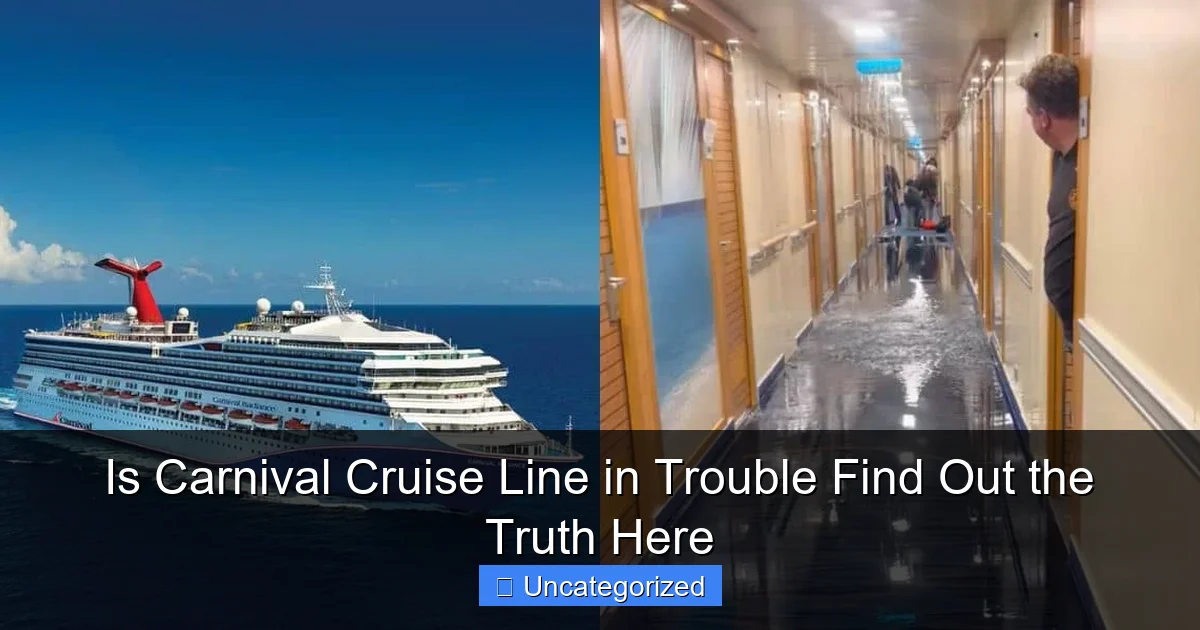
Visual guide about is carnival cruise line in trouble
Image source: insidethemagic.net
However, it’s essential to distinguish between short-term crisis and long-term viability. The pandemic was an industry-wide shock, not unique to Carnival. All major cruise lines—Royal Caribbean, Norwegian, and MSC—faced similar challenges. Carnival’s aggressive cost-cutting measures, including layoffs, ship retirements, and fleet optimization, helped stabilize cash flow. By 2022, the company began to see signs of recovery, with quarterly revenues climbing back to $4.8 billion in Q3 2022—still below pre-pandemic levels but a marked improvement.
2023–2024: Signs of Financial Recovery
The real turning point came in 2023. Carnival reported a net profit of $1.3 billion for the fiscal year, a dramatic shift from previous years. Revenue surged to $21.6 billion, surpassing 2019 levels. This rebound was driven by:
- Strong demand for leisure travel post-pandemic
- Higher ticket prices (average ticket revenue up 15% YoY)
- Improved onboard spending (guests spent 30% more on drinks, excursions, and spa services)
- Reduced operating costs due to newer, more efficient ships
Moreover, Carnival has been aggressively reducing its debt. By Q1 2024, total debt stood at $26.8 billion—down from its peak. The company has also secured $1.5 billion in new credit facilities and extended maturities on existing debt, improving liquidity. While still highly leveraged, Carnival’s debt-to-EBITDA ratio improved from 12.5x in 2021 to 5.8x in 2023, signaling stronger financial health.
Investor Confidence and Stock Performance
Carnival’s stock (CCL) has been volatile. It dropped from $50 in early 2020 to below $8 during the height of the pandemic but has since rebounded to around $15–$18 in early 2024. While not back to pre-pandemic highs, the stock has outperformed the S&P 500 in 2023, rising over 40% year-to-date. Analyst sentiment is mixed but leaning positive, with several firms upgrading their outlooks based on improved booking trends and cost management.
Tip for investors: Monitor Carnival’s free cash flow and debt reduction progress. A sustained ability to generate positive free cash flow (which turned positive in 2023) is a strong indicator of recovery.
Customer Satisfaction and Brand Reputation: Are Guests Still Happy?
Post-Pandemic Guest Experience
Beyond finances, customer satisfaction is a critical barometer of a cruise line’s health. After a rocky restart—where some ships faced health protocol violations and delayed sailings—Carnival has worked hard to rebuild trust. According to the 2023 Cruise Critic Awards, Carnival ranked #1 in the “Best Value” category for the 14th consecutive year. Guests praised:
- Affordable pricing (especially for first-time cruisers)
- Fun, family-friendly atmosphere
- Improved food quality (especially on newer ships like the Carnival Celebration)
- Enhanced digital tools (mobile check-in, app-based ordering)
However, Carnival still lags behind premium lines like Disney Cruise Line or Royal Caribbean in overall guest satisfaction scores. A 2023 J.D. Power Cruise Satisfaction Study placed Carnival 6th out of 9 major lines, citing issues with:
- Onboard crowding during peak seasons
- Long lines at dining and guest services
- Variable service quality across crew members
Handling of Past Controversies
Carnival has faced several public relations challenges in recent years:
- 2020–2021 Outbreaks: Multiple ships reported COVID-19 cases during early 2021, leading to canceled itineraries. Carnival responded by implementing mandatory vaccinations, pre-cruise testing, and enhanced sanitation protocols.
- 2022 Lawsuit: A class-action lawsuit alleged Carnival failed to protect passengers during a 2020 outbreak. The case was settled for $10 million in 2023, with no admission of wrongdoing.
- Environmental Incidents: In 2021, Carnival paid $20 million in fines for violating the Clean Air Act and dumping plastic waste in the Caribbean.
While these incidents damaged short-term reputation, Carnival has taken steps to address them. The company now publishes annual sustainability reports, partners with health organizations for outbreak prevention, and has implemented a “Guest Experience Recovery” program to compensate affected passengers.
Tips for Cruisers: How to Maximize Satisfaction
- Book during shoulder seasons: Avoid peak holidays to reduce crowding and enjoy better service.
- Choose newer ships: Vessels like Carnival Horizon and Mardi Gras feature upgraded dining, entertainment, and cabin designs.
- Use the Carnival Hub app: Pre-book dining, excursions, and check-in to minimize wait times.
- Read recent reviews: Check Cruise Critic and Reddit for up-to-date guest feedback on specific ships and itineraries.
Fleet Modernization and Sustainability: Can Carnival Go Green?
Retiring Older Ships and Introducing New Ones
One of Carnival’s most significant long-term strategies is fleet modernization. Since 2020, the company has retired 24 older ships (some over 30 years old), reducing capacity by 12% but improving efficiency. Older vessels were less fuel-efficient, more prone to breakdowns, and harder to maintain. In their place, Carnival has introduced six new ships between 2022 and 2024, including:
- Carnival Celebration (2022): 180,000 GT, LNG-ready, with a massive water park and open-air promenade.
- Mardi Gras (2021): First LNG-powered ship in North America, featuring the Bolt roller coaster.
- Carnival Jubilee (2023): Second LNG-powered vessel, with enhanced dining and entertainment options.
These new ships are not only more efficient but also designed to attract younger, tech-savvy travelers. Features like virtual reality lounges, app-controlled staterooms, and themed zones (e.g., the “Ultimate Playground” on Celebration) set Carnival apart from competitors.
Environmental Commitments and Challenges
Carnival has pledged to achieve net-zero carbon emissions by 2050, with interim goals of reducing carbon intensity by 40% by 2030. Key initiatives include:
- Investing in LNG (liquefied natural gas) propulsion—LNG reduces sulfur oxide emissions by 95% and nitrogen oxide by 85% compared to traditional fuel.
- Installing exhaust gas cleaning systems (scrubbers) on 80% of the fleet.
- Partnering with ports to use shore power (reducing emissions while docked).
- Phasing out single-use plastics and food waste.
However, environmental groups remain skeptical. A 2023 report by the International Council on Clean Transportation (ICCT) found that Carnival’s LNG ships still emit significant greenhouse gases, including methane slip—a potent contributor to global warming. The company has responded by investing in methane capture technology and exploring hydrogen fuel cells for future ships.
Balancing Growth and Sustainability
While Carnival’s efforts are commendable, the cruise industry as a whole remains one of the most carbon-intensive leisure sectors. A single large cruise ship can emit as much CO2 as 12,000 cars. Carnival’s challenge is to grow its business—it plans to add 11 new ships by 2028—while reducing its environmental footprint. Success will depend on:
- Faster adoption of zero-emission fuels (e.g., green hydrogen)
- Stronger port partnerships for shore power
- Transparent reporting and third-party verification of sustainability claims
Operational Challenges: Crewing, Supply Chain, and Safety
Crewing Shortages and Retention
Like many industries, Carnival has faced crew shortages post-pandemic. Many experienced staff left during the shutdown, and recruitment has been slow due to:
- Long contracts (6–9 months at sea)
- High stress and isolation
- Competition from other cruise lines and land-based hospitality jobs
To address this, Carnival has:
- Increased crew wages by 10–15% in 2023
- Offered signing bonuses and shorter contract options
- Improved onboard living conditions (e.g., better internet, private cabins for senior staff)
However, turnover remains high. In a 2023 internal survey, 38% of crew members said they would not re-sign after their current contract. This could impact service quality, especially on older ships with less automated systems.
Supply Chain and Onboard Operations
The pandemic exposed vulnerabilities in Carnival’s supply chain. Delays in food, fuel, and spare parts led to itinerary changes and onboard shortages. The company has since diversified suppliers, increased inventory buffers, and invested in predictive analytics to forecast demand.
Onboard, Carnival has adopted new technologies to improve efficiency:
- AI-powered maintenance systems to predict equipment failures
- Robotic bartenders and automated check-in kiosks
- Real-time inventory tracking for restaurants and bars
Safety and Security
Safety remains a top priority. Carnival’s fleet has an excellent safety record, with no major incidents in the past five years. The company adheres to strict SOLAS (Safety of Life at Sea) regulations and conducts regular drills. However, concerns persist about:
- Medical capabilities on smaller ships
- Cybersecurity threats to onboard systems
- Passenger behavior (e.g., excessive drinking, pool accidents)
Carnival has responded by upgrading medical facilities, hiring cybersecurity experts, and implementing stricter alcohol policies (e.g., limiting drink purchases per guest).
Competition and Market Position: Where Does Carnival Stand?
Market Share and Brand Positioning
Carnival holds the largest market share in the global cruise industry—approximately 38%—but faces fierce competition:
- Royal Caribbean: Focuses on innovation (e.g., Quantum-class ships, private islands) and attracts higher-spending customers.
- Norwegian Cruise Line: Targets millennials with “freestyle cruising” (no fixed dining times, casual dress codes).
- MSC Cruises: Growing rapidly with aggressive pricing and European itineraries.
Carnival’s brand identity is clear: affordable, fun, and family-oriented. It dominates the “budget-friendly” segment, with 70% of its passengers being first-time cruisers. This focus has helped it recover faster than premium lines post-pandemic, as demand for value-based travel surged.
Strategic Partnerships and Differentiation
To stay competitive, Carnival has pursued strategic initiatives:
- Exclusive partnerships: Collaborations with brands like Guy Fieri (Guy’s Burger Joint), Shaquille O’Neal (Big Chicken), and Hasbro (family game zones).
- Private destinations: Development of Celebration Key (opening 2025), a $200 million private beach in Grand Bahama, to compete with Royal Caribbean’s Perfect Day at CocoCay.
- Digital transformation: The Carnival Hub app now accounts for 80% of all onboard bookings, reducing staff workload and improving guest convenience.
These efforts have paid off. In 2023, Carnival’s customer retention rate rose to 42% (up from 35% in 2021), indicating stronger brand loyalty.
Data Table: Carnival vs. Competitors (2023)
| Metric | Carnival | Royal Caribbean | Norwegian |
|---|---|---|---|
| Fleet Size | 25 | 27 | 19 |
| Passenger Capacity | 62,000 | 70,000 | 45,000 |
| Revenue ($B) | 21.6 | 13.9 | 8.5 |
| Net Income ($B) | 1.3 | 1.7 | 0.9 |
| Customer Satisfaction (J.D. Power Score) | 780 | 810 | 795 |
| LNG-Powered Ships | 4 | 3 | 0 |
The Verdict: Is Carnival Cruise Line in Trouble?
After a thorough examination of financials, customer feedback, sustainability efforts, operations, and market position, the answer is clear: Carnival Cruise Line is not in trouble—it is in transition. The company faced severe challenges during the pandemic, but it has adapted with remarkable agility. Financial recovery is underway, customer demand is strong, and the brand remains a leader in the affordable cruise segment.
Yes, Carnival still has hurdles to overcome—high debt, environmental scrutiny, and competition. But its strategic investments in new ships, sustainability, digital tools, and private destinations position it well for long-term success. The key indicators—rising revenue, improved profitability, growing customer retention, and fleet modernization—paint a picture of a company not just surviving, but evolving.
For travelers, Carnival remains an excellent choice for budget-conscious, fun-loving cruisers. For investors, the stock offers potential upside as debt reduction continues and margins improve. And for the industry, Carnival’s recovery serves as a model of resilience in the face of global disruption.
In short, Carnival Cruise Line is not in trouble. It is navigating the waves with a clear course, a modernized fleet, and a renewed commitment to its core mission: delivering unforgettable vacations at an affordable price. The truth? The best may be yet to come.
Frequently Asked Questions
Is Carnival Cruise Line in trouble financially?
As of recent reports, Carnival Cruise Line remains profitable despite pandemic-related challenges, with strong booking trends and revenue growth in 2023–2024. The company has also restructured debt to improve its financial stability.
Why are there so many negative reviews about Carnival Cruise Line?
Like most large cruise lines, Carnival receives mixed feedback, often tied to isolated incidents or individual expectations. However, many guests praise its value, entertainment, and family-friendly offerings, showing overall satisfaction.
Has Carnival Cruise Line canceled sailings recently?
Occasional cancellations happen due to weather, maintenance, or operational reasons, but widespread cancellations—common during the pandemic—are no longer the norm. Carnival now maintains a robust sailing schedule across its fleet.
Is Carnival Cruise Line in trouble after recent lawsuits or incidents?
While Carnival has faced legal issues, including health and safety claims, these are not unique to the brand and don’t indicate systemic failure. The company actively updates protocols to address concerns and ensure passenger safety.
Are Carnival ships being sold or retired due to financial strain?
A few older vessels were retired post-pandemic as part of fleet modernization, but this reflects strategic upgrades, not financial trouble. Carnival continues to invest in new ships and refurbishments.
Is Carnival Cruise Line safe to sail with in 2024?
Yes, Carnival adheres to strict health, safety, and security standards set by international maritime organizations. Recent passenger reviews and industry ratings confirm it remains a safe and popular choice for travelers.