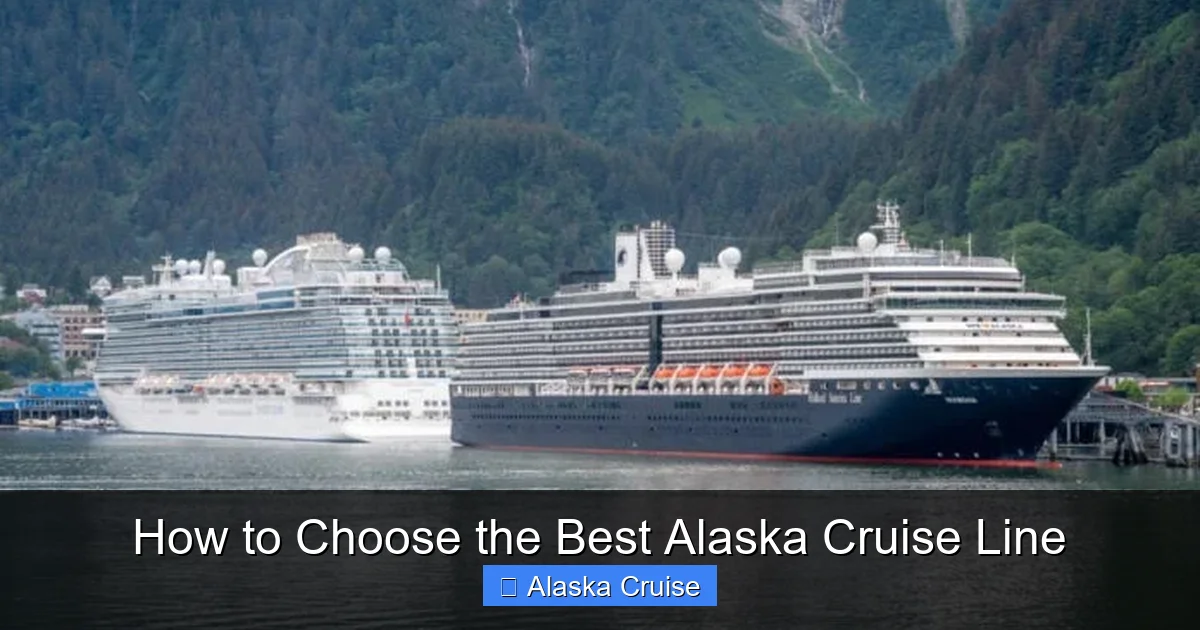
Choosing the best Alaska cruise line can feel overwhelming, but it doesn’t have to be. This guide walks you through everything you need to know—from comparing itineraries to understanding pricing and onboard amenities—so you can pick the perfect cruise for your dream Alaskan getaway.
Key Takeaways
- Compare itineraries carefully: Look for ports like Juneau, Ketchikan, and Skagway, and check if your cruise includes glacier viewing or wildlife excursions.
- Choose the right ship size: Smaller ships offer more intimate experiences and access to remote ports, while larger ships provide more entertainment and dining options.
- Consider your budget and what’s included: Some lines include drinks, excursions, or Wi-Fi, while others charge extra—factor in hidden costs.
- Match the cruise line to your travel style: Families, luxury seekers, and adventure travelers have different needs—pick a line that fits your vibe.
- Book early for the best deals and cabin choices: Alaska cruises sell out fast, especially during peak summer months.
- Check for seasonal timing: May and September offer fewer crowds and lower prices, while July and August are busiest but have the best weather.
- Read recent reviews and ask questions: Real passenger feedback can reveal insights about service, food, and shore excursions.
How to Choose the Best Alaska Cruise Line
Planning an Alaska cruise is one of the most exciting travel decisions you can make. From towering glaciers and snow-capped mountains to playful whales and charming coastal towns, Alaska offers a once-in-a-lifetime experience. But with so many cruise lines offering trips to the Last Frontier, how do you pick the right one?
Don’t worry—you’re not alone in feeling overwhelmed. Whether you’re a first-time cruiser or a seasoned traveler, choosing the best Alaska cruise line requires careful thought. This guide will walk you through every step, from understanding your travel style to comparing ships and itineraries. By the end, you’ll have the confidence to book the perfect Alaskan adventure.
Step 1: Know What You Want from Your Alaska Cruise
Before you even look at cruise lines, take a moment to reflect on what you’re hoping to get out of your trip. Are you looking for luxury and relaxation? Adventure and wildlife? Family fun or a romantic escape? Your goals will shape every decision you make.
For example, if you’re traveling with kids, you’ll want a cruise line with kid-friendly activities, spacious family cabins, and shore excursions that are fun for all ages. On the other hand, if you’re celebrating an anniversary, you might prioritize fine dining, spa services, and quiet ocean views.
Ask yourself these questions:
- Who is traveling with me? (Family, friends, solo, couple)
- What’s my budget?
- Do I prefer a relaxed pace or non-stop activities?
- Am I interested in wildlife, glaciers, or cultural experiences?
- Do I want a lot of onboard entertainment or a more intimate setting?
Once you have a clear picture of your ideal trip, you can start narrowing down your options.
Step 2: Understand the Different Types of Alaska Cruise Lines
Not all cruise lines are created equal—especially when it comes to Alaska. Each brand has its own style, target audience, and strengths. Here’s a breakdown of the main types you’ll encounter:
Mainstream Cruise Lines
These are the big names like Carnival, Royal Caribbean, and Norwegian Cruise Line. They offer large ships with tons of activities, multiple dining options, and entertainment like Broadway-style shows and rock climbing walls. They’re great for families and first-time cruisers who want a lively, all-in-one vacation.
Pros: Lots of onboard fun, frequent departures, competitive pricing.
Cons: Can feel crowded, less focus on Alaska-specific experiences.
Luxury Cruise Lines
Think Regent Seven Seas, Seabourn, and Silversea. These lines focus on high-end service, gourmet dining, and all-inclusive pricing. Ships are smaller and more refined, with a higher staff-to-guest ratio.
Pros: All-inclusive (drinks, gratuities, excursions), elegant accommodations, personalized service.
Cons: Higher price point, fewer family-oriented activities.
Adventure and Expedition Cruise Lines
Companies like UnCruise Adventures, Lindblad Expeditions, and Hurtigruten specialize in small-ship, nature-focused trips. These cruises often include expert naturalists, Zodiac boat landings, and off-the-beaten-path itineraries.
Pros: Intimate wildlife encounters, educational programs, access to remote areas.
Cons: Limited onboard amenities, higher cost per day.
River and Coastal Cruise Lines
These are smaller vessels that focus on coastal routes and sometimes include river extensions. Examples include American Cruise Lines and Alaskan Dream Cruises. They often visit smaller ports and offer a more local, authentic feel.
Pros: Unique itineraries, local guides, fewer passengers.
Cons: Fewer onboard luxuries, limited entertainment.
Step 3: Compare Itineraries and Ports of Call
One of the most important factors in choosing an Alaska cruise line is the itinerary. Alaska is huge, and not all cruises cover the same areas. Most 7-day cruises follow a similar loop, but the details matter.
Common Ports of Call
Most Alaska cruises visit a mix of these key ports:
- Juneau: The state capital, accessible only by boat or plane. Known for the Mendenhall Glacier, whale watching, and gold rush history.
- Ketchikan: Famous for its totem poles, Native culture, and the stunning Misty Fjords National Monument.
- Skagway: A historic gold rush town with scenic train rides on the White Pass & Yukon Route.
- Glacier Bay National Park: A UNESCO World Heritage Site with massive glaciers and abundant wildlife. Only a few ships are allowed in each day.
- Hubbard Glacier: One of the largest tidewater glaciers in North America, often visited on northbound or southbound itineraries.
Itinerary Types
There are three main types of Alaska cruise itineraries:
- Roundtrip (Loop): Departs and returns to the same port (e.g., Seattle or Vancouver). Visits the Inside Passage and often includes Glacier Bay.
- One-Way (Northbound or Southbound): Starts in one city and ends in another (e.g., Seattle to Seward or Vancouver to Whittier). These often include more glacier viewing and a stop in Anchorage or Denali.
- Extended or Combination Cruises: Longer trips (10+ days) that may include a land tour to Denali National Park or the Canadian Rockies.
When comparing itineraries, look for:
- How many days are spent at sea vs. in port?
- Are glaciers included? (Glacier Bay is a must-see for many.)
- Are there opportunities for wildlife viewing?
- Does the cruise offer unique excursions, like dog sledding on a glacier or a flightseeing tour?
Tip: Some cruise lines offer “scenic cruising” days where the ship slows down to glide past glaciers or fjords. These are magical—so check the schedule!
Step 4: Choose the Right Ship Size and Style
Ship size makes a big difference in your Alaska cruise experience. Larger ships offer more amenities, but smaller ships can get closer to nature and visit remote ports.
Large Ships (2,000+ passengers)
These are the floating resorts with multiple pools, theaters, casinos, and dozens of dining options. They’re ideal if you want a full vacation experience with lots to do onboard.
Best for: Families, first-time cruisers, those who enjoy entertainment and variety.
Mid-Sized Ships (500–1,500 passengers)
A good middle ground. They offer a balance of amenities and a more relaxed atmosphere. Many include Alaska-focused programming and shore excursions.
Best for: Couples, small groups, travelers who want comfort without the crowds.
Small Ships (Under 500 passengers)
These ships feel more like yachts. They can navigate narrow channels, anchor near glaciers, and offer personalized service. Many include naturalists and expedition guides.
Best for: Adventure seekers, nature lovers, luxury travelers who value intimacy.
Tip: If glacier viewing is a priority, smaller ships often get closer and spend more time in scenic areas.
Step 5: Evaluate Pricing and What’s Included
Alaska cruises can vary widely in price—from under $500 to over $5,000 per person. But the lowest fare isn’t always the best deal. You need to look at what’s included.
What’s Typically Included
- Accommodations
- Meals in main dining rooms and buffets
- Basic entertainment
- Access to pools and fitness centers
What’s Often Extra
- Alcoholic drinks and specialty coffee
- Shore excursions
- Wi-Fi and internet access
- Spa services
- Specialty dining
- Gratuities (though some lines include them)
All-Inclusive vs. Pay-As-You-Go
Luxury lines like Regent and Seabourn include almost everything—drinks, excursions, Wi-Fi, and gratuities. Mainstream lines usually charge extra for these.
Tip: Calculate the total cost. A $999 cruise might end up costing $1,500 after adding drinks, excursions, and tips. Compare the final price, not just the base fare.
Step 6: Consider the Time of Year
Alaska’s cruise season runs from May to September. Each month has its pros and cons.
May and Early June
- Pros: Lower prices, fewer crowds, spring blooms, active wildlife.
- Cons: Cooler weather, some excursions may not be available yet.
Mid-June to August
- Pros: Warmest weather, longest days, all excursions operating, peak wildlife activity.
- Cons: Highest prices, most crowded ports and ships.
September
- Pros: Stunning fall colors, fewer tourists, lower prices, active bears fishing for salmon.
- Cons: Cooler temperatures, some tours may close early.
Tip: If you’re flexible, consider shoulder seasons (May or September) for better value and a more peaceful experience.
Step 7: Read Reviews and Ask Questions
Don’t rely solely on brochures and websites. Real passenger reviews offer invaluable insights.
Where to Find Reliable Reviews
- Cruise Critic (cruisecritic.com)
- TripAdvisor
- Facebook cruise groups
- YouTube vlogs from recent cruisers
What to Look For in Reviews
- Comments about food quality and variety
- Feedback on cabin comfort and cleanliness
- Experiences with shore excursions
- Staff friendliness and service
- How the ship handled weather or rough seas
Tip: Look for recent reviews (within the last year) to get the most accurate picture.
Questions to Ask Before Booking
- What’s the cancellation policy?
- Are there any hidden fees?
- Can I bring my own alcohol?
- Is there Wi-Fi, and how much does it cost?
- What’s the dress code for dinners?
- Are there age restrictions for certain activities?
Don’t hesitate to call the cruise line or your travel agent with questions. A good agent can help you compare options and find deals.
Step 8: Book Early—But Watch for Deals
Alaska cruises are popular and often sell out months in advance—especially for peak summer dates. Booking early gives you the best cabin selection and often lower prices.
When to Book
- For July and August: Book 12–18 months in advance.
- For May, June, and September: 9–12 months ahead is usually fine.
How to Save Money
- Look for early-bird discounts.
- Book during “wave season” (January–March) when cruise lines offer promotions.
- Consider repositioning cruises (one-way trips) which can be cheaper.
- Join a cruise line’s loyalty program for member-only deals.
Tip: Set up price alerts on cruise comparison sites to catch last-minute deals.
Troubleshooting Common Issues
Problem: I Can’t Decide Between Two Cruise Lines
Solution: Make a pros and cons list. Compare itineraries, ship size, included amenities, and total cost. If possible, talk to someone who’s sailed with both.
Problem: The Weather Ruins My Glacier Viewing
Solution: Alaska weather is unpredictable. Choose a cruise with multiple glacier stops (e.g., Glacier Bay and Hubbard Glacier) to increase your chances. Also, book a cabin with a balcony for better viewing.
Problem: Shore Excursions Are Too Expensive
Solution: Research and book excursions independently through local operators. You can often save 20–30%. Just make sure you return to the ship on time!
Problem: The Ship Is Too Crowded
Solution: Opt for a smaller ship or travel during the shoulder season. Also, avoid peak times for popular activities (e.g., eat early or late to avoid dinner crowds).
Final Tips for Choosing the Best Alaska Cruise Line
- Match the cruise line to your personality: Are you a foodie? A nature lover? A family of five? Choose accordingly.
- Don’t skip the fine print: Read the terms and conditions, especially about cancellations and refunds.
- Pack wisely: Layers, waterproof gear, and binoculars are essential.
- Consider travel insurance: Alaska trips can be affected by weather, so protection is smart.
- Enjoy the journey: The best Alaska cruise isn’t just about the destination—it’s about the experience.
Conclusion
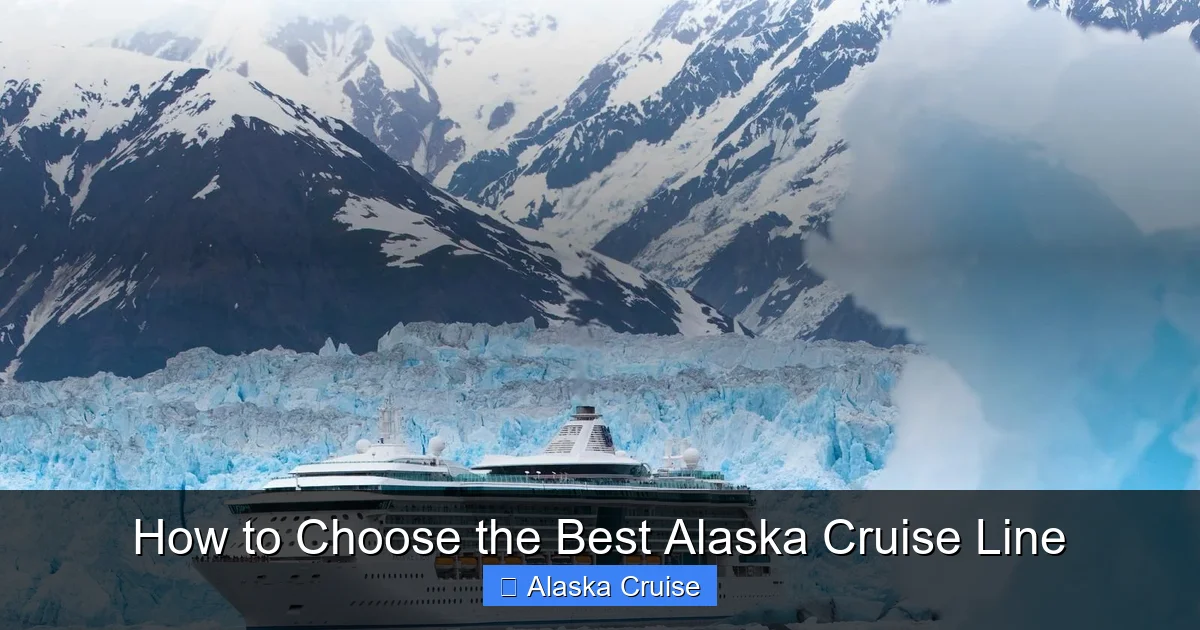
Visual guide about How to Choose the Best Alaska Cruise Line
Image source: wallpaperaccess.com
Choosing the best Alaska cruise line doesn’t have to be stressful. By understanding your travel style, comparing itineraries, evaluating ships and pricing, and doing your research, you can find the perfect match for your dream trip. Whether you’re chasing glaciers, spotting whales, or soaking in hot springs under the northern lights, Alaska promises an unforgettable adventure. Take your time, ask questions, and book with confidence. Your perfect Alaskan cruise is out there—waiting for you.
🎥 Related Video: How to choose the right Alaska cruise
📺 Royal Caribbean Blog
A cruise to Alaska is one of the most popular kind of cruises, but which itinerary should you pick? [Subscribe for more Royal …