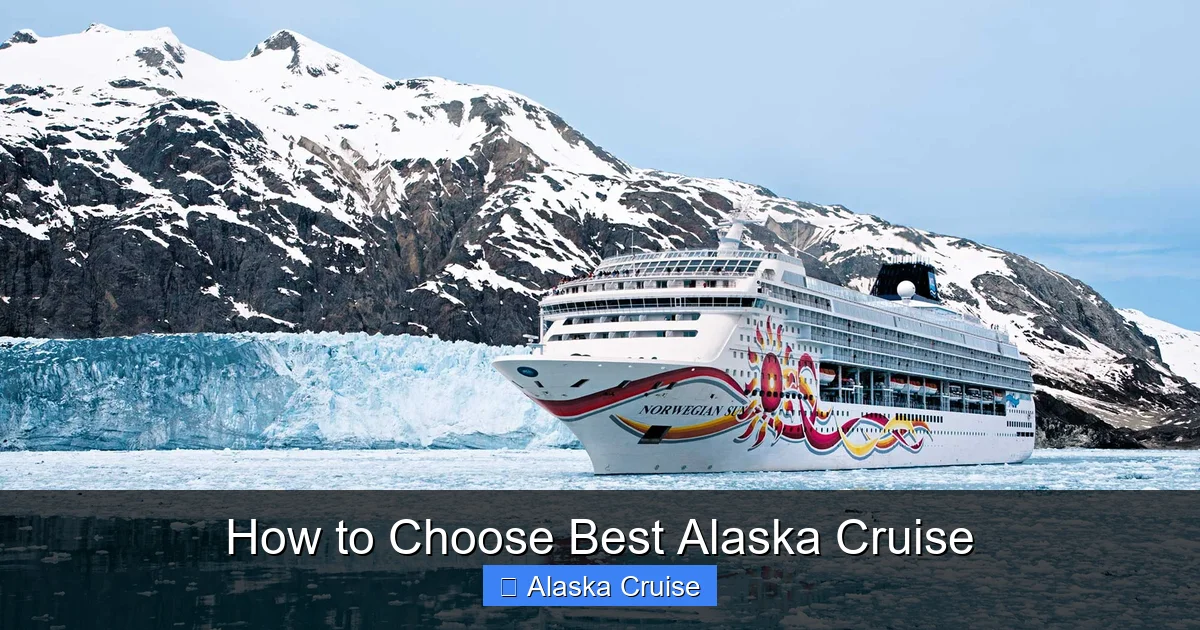
Choosing the best Alaska cruise doesn’t have to be overwhelming. This guide walks you through everything you need to know—from timing and itineraries to ship types and onboard experiences—so you can pick a voyage that fits your budget, interests, and travel style. Get ready for glaciers, wildlife, and unforgettable scenery with confidence.
Key Takeaways
- Timing matters: The best Alaska cruise season runs from May to September, with July and August offering the warmest weather and longest days.
- Itinerary length impacts experience: Shorter cruises (5–7 days) focus on key sights; longer ones (8+ days) explore remote areas and include more port stops.
- Ship size affects your journey: Large ships offer more amenities; small ships provide intimate access to narrow fjords and wildlife-rich waters.
- Look beyond the base price: Factor in extras like excursions, drinks, Wi-Fi, and gratuities to avoid budget surprises.
- Choose the right homeport: Seattle, Vancouver, and Seward offer different route options and travel logistics.
- Consider cruise line style: Family-friendly, luxury, adventure, or expedition—each brand caters to different traveler preferences.
- Book early for perks: Early bookings often include free upgrades, onboard credit, or discounted airfare.
How to Choose the Best Alaska Cruise: Your Complete Step-by-Step Guide
Dreaming of towering glaciers, breaching whales, and snow-capped peaks? An Alaska cruise delivers all that and more. But with dozens of cruise lines, hundreds of itineraries, and a wide range of ship sizes and styles, choosing the best Alaska cruise can feel like navigating a maze. Don’t worry—we’re here to help.
In this guide, we’ll walk you through every step of selecting the perfect Alaska cruise for you. Whether you’re a first-time cruiser or a seasoned traveler, you’ll learn how to compare routes, understand ship differences, pick the ideal travel time, and avoid common booking mistakes. By the end, you’ll feel confident and excited to set sail on the Alaskan adventure of a lifetime.
Step 1: Decide When to Go – Timing Is Everything
One of the first—and most important—decisions you’ll make is when to cruise Alaska. The official cruise season runs from mid-May to mid-September, but each month offers a unique experience.
May and Early June: The Quiet Start
If you prefer fewer crowds and lower prices, consider cruising in May or early June. The weather is cooler, but you’ll catch the tail end of spring. Wildlife is active, and you might spot bears fishing for salmon in rivers. However, some ports and attractions may still be closed due to lingering snow or ice.
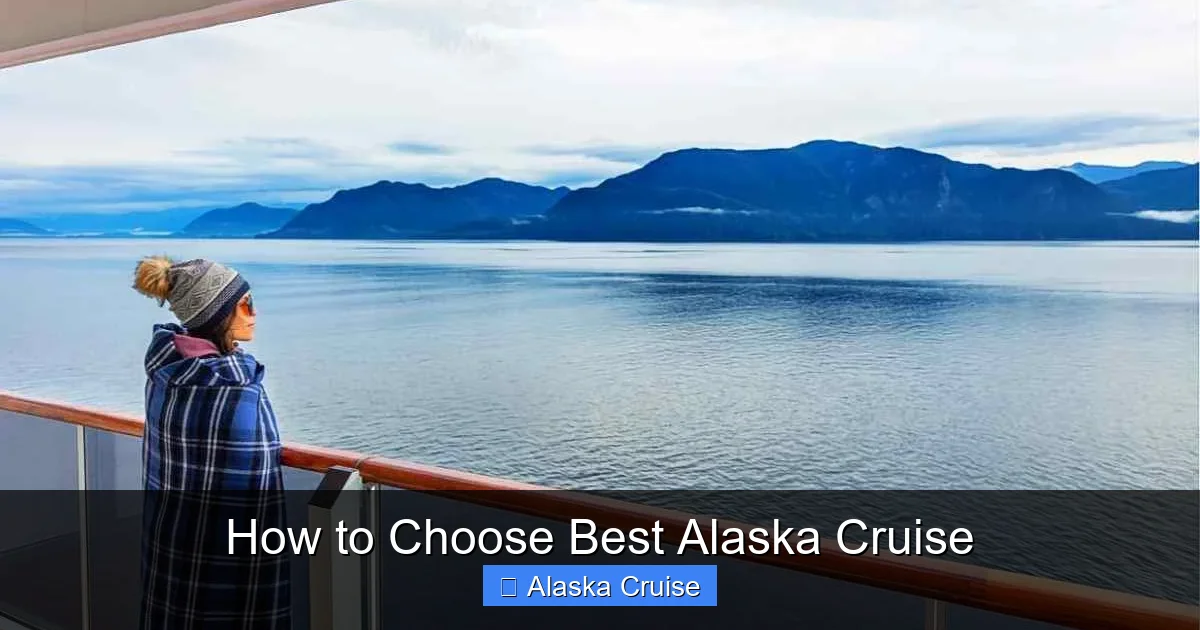
Visual guide about How to Choose Best Alaska Cruise
Image source: travelspock.com
July and August: Peak Season
These are the most popular months for Alaska cruises. The weather is warmest (average highs of 60–70°F), daylight lasts nearly 18 hours, and all ports and excursions are fully operational. It’s ideal for families and first-timers. Just be prepared for higher prices and more tourists.
September: The Golden Fall
Cruising in September offers a quieter experience with stunning fall colors in the forests. Wildlife is still active, and you might see moose and bears preparing for winter. The weather is cooler, and some ships begin to leave the region by late September, so availability drops.
Pro Tip: If you want the best balance of good weather, fewer crowds, and full access to attractions, aim for late June or early September.
Step 2: Choose the Right Itinerary Length
Alaska cruises range from 5 to 14 days, and the length of your trip will shape what you see and do.
5–7 Day Cruises: The Classic Experience
These are the most common Alaska cruises, often sailing round-trip from Seattle or Vancouver. They typically visit 3–4 ports, including Juneau, Skagway, and Ketchikan, with a day at Glacier Bay or Hubbard Glacier. Perfect for first-timers or those on a budget.
Example: A 7-day round-trip from Seattle with Holland America might include stops in Ketchikan, Juneau, Skagway, and a scenic day at Tracy Arm Fjord.
8–10 Day Cruises: More Time to Explore
Longer cruises often include additional ports like Haines, Icy Strait Point, or even Sitka. Some extend into the Inside Passage or include a stop in Victoria, BC. These trips allow more time for shore excursions and relaxation.
11–14 Day Cruises: The Ultimate Adventure
Extended voyages often sail one-way between Seattle/Vancouver and Seward or Whittier (near Anchorage). These “open-jaw” itineraries include more remote areas like Glacier Bay, College Fjord, and even the Gulf of Alaska. They’re ideal for travelers who want a deeper, more immersive experience.
Pro Tip: If you’re flying into Anchorage, a one-way cruise ending in Seward can save you backtracking. Just arrange a transfer or train ride (like the scenic Alaska Railroad) back to your departure city.
Step 3: Pick the Right Homeport
Your cruise’s starting point affects your travel plans, costs, and itinerary options.
Seattle, Washington
A popular choice for U.S. travelers. Round-trip cruises from Seattle are convenient and often include a stop in Victoria, BC. Flights are plentiful, and the city offers great pre- or post-cruise exploration.
Vancouver, British Columbia
The most common departure point for Canadian and international travelers. Vancouver-based cruises often sail the Inside Passage and may include a stop in Victoria. The city is beautiful and easy to reach, but be aware of potential customs delays.
Seward and Whittier, Alaska
These ports are used for one-way cruises that end in Alaska. They’re closer to Denali National Park and Anchorage, making them ideal if you plan to combine your cruise with a land tour. However, flights to Seward/Whittier are limited, so most travelers fly into Anchorage and take a shuttle or train.
Pro Tip: Round-trip cruises are easier logistically, but one-way cruises offer a more diverse route and often include more glacier viewing.
Step 4: Understand Ship Size and Style
Not all cruise ships are created equal—especially in Alaska. The size and design of your ship can dramatically impact your experience.
Large Ships (2,000+ passengers)
Lines like Norwegian Cruise Line, Royal Caribbean, and Carnival operate large ships with tons of amenities: multiple dining options, theaters, water parks, and kids’ clubs. These are great for families and first-time cruisers who want entertainment and comfort.
However, large ships can’t enter narrow fjords or get as close to glaciers. They also dock in busier ports, which can mean longer lines and crowded excursions.
Mid-Size Ships (500–1,500 passengers)
Ships from Holland America, Princess, and Celebrity offer a balance of comfort and access. They have fewer crowds, more personalized service, and can navigate most Alaskan waterways. Many include enrichment programs like naturalists and guest speakers.
Small Ships (under 500 passengers)
Expedition-style ships from lines like UnCruise Adventures, Lindblad Expeditions, or Alaskan Dream Cruises offer intimate, adventure-focused experiences. These vessels can go where big ships can’t—into secluded bays, near icebergs, and close to wildlife.
Small ships often include expert guides, Zodiac landings, and flexible itineraries. They’re perfect for nature lovers, photographers, and travelers seeking a more authentic Alaskan experience.
Pro Tip: If glacier viewing is a top priority, look for ships with forward-facing observation lounges or open decks. Smaller ships often get closer to the ice.
Step 5: Compare Cruise Lines and Their Styles
Each cruise line has a unique vibe. Matching the brand to your travel style is key to enjoying your trip.
Family-Friendly: Norwegian, Royal Caribbean, Carnival
These lines offer fun for all ages: water slides, arcades, character meetups, and supervised kids’ programs. Great for multi-generational trips, but can feel crowded and noisy.
Traditional & Refined: Holland America, Princess
Known for elegant dining, enrichment programs, and a relaxed pace. These lines attract older travelers and couples. Many offer Alaska-specific lectures and wildlife guides.
Luxury: Regent Seven Seas, Seabourn, Silversea
All-inclusive experiences with gourmet dining, spacious suites, and personalized service. Excursions are often included, and ships are smaller for better access. Ideal for travelers who want comfort and convenience.
Adventure & Expedition: UnCruise, Lindblad, Hurtigruten
Focus on outdoor activities, wildlife, and cultural immersion. Expect kayaking, hiking, and expert-led excursions. Cabins are simpler, but the experiences are unforgettable.
Pro Tip: Read recent passenger reviews on sites like Cruise Critic to get a sense of the onboard atmosphere and service quality.
Step 6: Evaluate Shore Excursions and Activities
Shore excursions are a huge part of the Alaska cruise experience—but they can also be expensive. Plan ahead to get the most value.
Popular Excursions to Consider
- Dog sledding on a glacier (Juneau): Ride with mushers on real glaciers—often via helicopter.
- Whale watching (Ketchikan, Juneau): Spot humpbacks, orcas, and sea lions.
- Gold panning and railroad tours (Skagway): Step back into the Klondike Gold Rush era.
- Wildlife cruises (Icy Strait Point): See brown bears, sea otters, and bald eagles.
- Flightseeing over Denali or glaciers: A breathtaking aerial view of Alaska’s wilderness.
Book Early or Wait?
Booking excursions through the cruise line is convenient but often more expensive. You can save 20–30% by booking independently with local operators—but only if they’re reputable and meet the ship’s return time.
Tip: For high-demand excursions (like helicopter tours), book early. For flexible activities (like city walks or museum visits), you can decide on the day.
Free or Low-Cost Alternatives
Many ports have free walking areas, local markets, and scenic viewpoints. In Ketchikan, explore Creek Street and the Totem Heritage Center. In Juneau, walk the Mount Roberts Tram for stunning views without a guided tour.
Step 7: Understand Pricing and What’s Included
Alaska cruises often look affordable at first glance—but hidden costs can add up.
Base Fare vs. Total Cost
The advertised price usually covers your cabin, main meals, and basic entertainment. But extras like:
- Specialty dining
- Alcohol and soft drinks
- Shore excursions
- Wi-Fi
- Gratuities (typically $14–$18 per day)
- Port fees and taxes (often $200–$300 per person)
can significantly increase your total cost.
All-Inclusive Options
Luxury lines like Regent and Seabourn include most extras in the fare. Some mainstream lines offer “drink packages” or “excursion credits” for an upfront fee. Compare the total value before deciding.
Look for Deals and Perks
Early booking discounts, military or senior rates, and group promotions can save you hundreds. Some lines offer “kids sail free” deals or free airfare from select cities.
Pro Tip: Use a travel agent who specializes in Alaska cruises. They often have access to exclusive deals and can help you navigate complex itineraries.
Step 8: Consider Adding a Land Tour
Many travelers combine their cruise with a pre- or post-cruise land tour for a fuller Alaska experience.
Why Add a Land Tour?
Cruises cover the coastal highlights, but Alaska’s interior—like Denali National Park, Fairbanks, or the Kenai Peninsula—requires overland travel. A land tour lets you see more of the state.
Popular Land Tour Options
- Denali National Park: See North America’s tallest peak and wildlife like grizzlies and caribou.
- Alaska Railroad: Scenic train rides between Anchorage, Denali, and Fairbanks.
- Kenai Fjords National Park: Day cruises from Seward to see glaciers and marine life.
Cruise Line vs. Independent Tours
Cruise lines like Holland America and Princess offer bundled cruise-and-tour packages. These are convenient but can be pricey. Independent tour operators may offer more flexibility and lower prices.
Pro Tip: Book your land tour at the same time as your cruise to ensure seamless transfers and accommodations.
Step 9: Read Reviews and Compare Options
Before you book, do your homework.
Where to Find Reliable Reviews
- Cruise Critic: Detailed passenger reviews and ratings by ship and itinerary.
- TripAdvisor: Honest feedback from real travelers.
- YouTube: Watch video tours of ships and ports.
- Reddit (r/AlaskaCruise): Ask questions and get advice from experienced cruisers.
What to Look For
Pay attention to comments about:
- Cabin comfort and noise levels
- Food quality and variety
- Staff friendliness and service
- Excursion organization
- Wildlife and glacier sightings
Pro Tip: Look for reviews from travelers with similar interests (e.g., families, solo travelers, or adventure seekers).
Step 10: Book Smart and Prepare for Your Trip
Once you’ve chosen your cruise, it’s time to lock it in—and get ready.
Book Early for the Best Cabins and Prices
Popular itineraries and balcony cabins sell out fast, especially for July and August. Booking 6–12 months in advance gives you the best selection and often includes early-bird perks.
Check Passport and Visa Requirements
U.S. and Canadian citizens need a passport for cruises that visit foreign ports (like Victoria, BC). International travelers should check visa requirements for both the U.S. and Canada.
Pack for Variable Weather
Alaska’s weather can change quickly. Pack layers, a waterproof jacket, sturdy walking shoes, and binoculars. Don’t forget sunscreen and insect repellent—bugs can be fierce in summer!
Download Offline Maps and Apps
Wi-Fi at sea is often slow and expensive. Download maps, translation tools, and entertainment before you sail.
Troubleshooting Common Issues
Problem: The ship doesn’t get close to the glacier.
Solution: Choose a smaller ship or an expedition cruise. Check itinerary details—some routes include multiple glacier days for better viewing chances.
Problem: Excursions are sold out.
Solution: Book popular tours as soon as booking opens. Have backup options ready.
Problem: Seasickness in rough waters.
Solution: Choose a mid-ship cabin on a lower deck. Bring motion sickness medication or acupressure bands.
Problem: High total cost.
Solution: Set a budget and track all extras. Consider an all-inclusive line or limit paid activities.
Conclusion: Your Perfect Alaska Cruise Awaits
Choosing the best Alaska cruise doesn’t have to be stressful. By focusing on your priorities—whether that’s wildlife, glaciers, family fun, or luxury—you can find a voyage that matches your dreams. Remember to consider timing, itinerary length, ship size, cruise line style, and total cost. Do your research, read reviews, and book early for the best experience.
Alaska is a destination like no other—raw, wild, and breathtakingly beautiful. With the right cruise, you’ll return home with stories to last a lifetime. So start planning, pack your bags, and get ready to sail into the great Alaskan wilderness.
🎥 Related Video: How to choose the right Alaska cruise
📺 Royal Caribbean Blog
A cruise to Alaska is one of the most popular kind of cruises, but which itinerary should you pick? [Subscribe for more Royal …