Featured image for how much does it cost to start a cruise line
Image source: i.pinimg.com
Starting a cruise line requires a massive investment, typically ranging from $500 million to over $1 billion, driven primarily by the cost of acquiring or building ships, securing regulatory approvals, and launching operations. Ongoing expenses like staffing, fuel, marketing, and compliance can add hundreds of millions annually, making deep financial backing and long-term planning essential for success.
Key Takeaways
- Initial costs exceed $500M: Building or acquiring ships is the largest expense.
- Regulatory compliance is critical: Budget for safety, environmental, and international maritime laws.
- Staffing impacts long-term spend: Hire and train crew early to avoid operational delays.
- Marketing demands significant investment: Allocate funds for branding, ads, and customer acquisition.
- Port fees add up fast: Negotiate docking rights early to control recurring costs.
- Insurance is non-negotiable: Secure comprehensive coverage for ships, passengers, and liabilities.
📑 Table of Contents
- Understanding the Cruise Industry Landscape
- Initial Capital Investment: The Cost of Ships and Vessels
- Operational and Regulatory Expenses
- Staffing, Training, and Crew Management
- Marketing, Branding, and Sales Strategy
- Contingency Planning and Ongoing Costs
- Conclusion: Is Starting a Cruise Line Worth the Investment?
Understanding the Cruise Industry Landscape
Starting a cruise line is a dream for many entrepreneurs and travel enthusiasts, conjuring images of luxury liners gliding across turquoise waters, exotic destinations, and unforgettable onboard experiences. However, behind the glamour lies a highly complex, capital-intensive industry that requires meticulous planning, extensive regulatory compliance, and deep financial reserves. The cost to start a cruise line is not a single figure but a multifaceted investment spanning vessel acquisition, operations, staffing, marketing, and legal frameworks. With the global cruise market projected to reach $27 billion by 2027, according to Statista, the potential for success is significant—but so are the barriers to entry.
Unlike launching a small business or a boutique hotel, a cruise line demands a unique blend of maritime expertise, hospitality management, and large-scale logistics. From securing a ship to navigating international maritime laws, the journey from concept to maiden voyage is both financially and operationally daunting. Whether you’re envisioning a luxury mega-ship, a mid-sized expedition vessel, or a niche river cruise operation, understanding the financial landscape is critical. This comprehensive breakdown explores the key cost drivers, real-world examples, and strategic insights to help aspiring cruise entrepreneurs assess the feasibility of their venture and make informed decisions.
Initial Capital Investment: The Cost of Ships and Vessels
Purchasing vs. Chartering vs. Building a New Ship
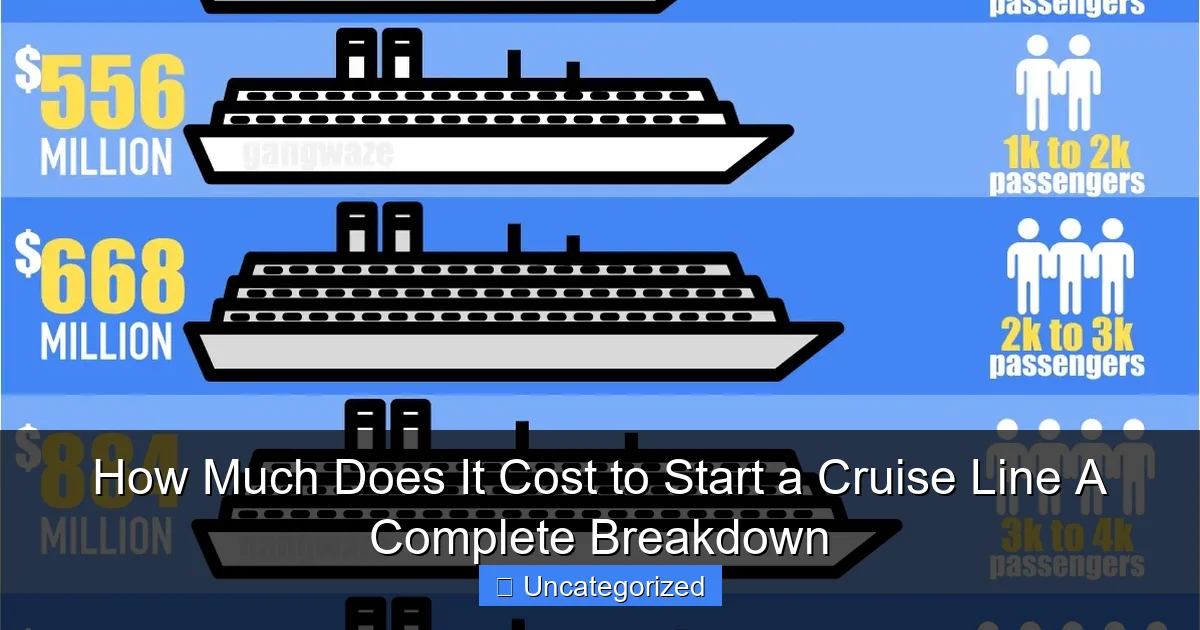
The single largest expense in launching a cruise line is the vessel itself. The cost varies dramatically based on whether you purchase a secondhand ship, charter (lease) an existing vessel, or commission a new build. Each option comes with distinct advantages, trade-offs, and price tags.
Visual guide about how much does it cost to start a cruise line
Image source: gangwaze.supabase.co
- Secondhand Ships: Buying a used cruise ship is the most cost-effective entry point. Prices range from $50 million to $300 million, depending on size, age, and condition. For example, a 1,000-passenger mid-sized ship from the early 2000s might sell for around $120 million. However, these vessels often require refurbishment to meet modern safety, environmental, and guest experience standards—adding $20–$50 million in retrofitting costs.
- Chartering (Leasing): Leasing a ship from a shipowner or leasing company can reduce upfront capital needs. Charter rates typically range from $100,000 to $500,000 per month, depending on the ship’s size and amenities. This model is popular among startups and seasonal operators (e.g., Alaska summer cruises). However, you lose long-term equity and must negotiate usage rights, maintenance responsibilities, and profit-sharing terms.
- New Ship Construction: Building a new cruise ship from scratch is the most expensive option, with costs starting at $500 million for a mid-sized vessel (1,500–2,000 passengers) and exceeding $1.5 billion for luxury mega-ships (like Royal Caribbean’s Icon of the Seas, priced at $2 billion). Construction takes 3–5 years, and delays can increase costs by 10–20%. However, new builds offer cutting-edge technology, eco-friendly systems, and brand differentiation.
Refurbishment and Retrofitting Costs
Even if purchasing a secondhand ship, significant investment is required to modernize interiors, upgrade safety systems, and comply with international standards. Key areas include:
- Interior Renovations: Updating cabins, restaurants, theaters, and public spaces can cost $15–$30 million. Luxury finishes, smart technology, and accessibility features add to the budget.
- Environmental Compliance: Installing scrubbers (to reduce sulfur emissions), ballast water treatment systems, and LNG (liquefied natural gas) fuel tanks can cost $10–$25 million. The International Maritime Organization (IMO) 2020 sulfur cap and upcoming carbon regulations make these upgrades mandatory.
- IT and Navigation Systems: Modern cruise ships require advanced navigation, communication, and cybersecurity systems, costing $5–$10 million.
Insurance and Registration Fees
Before a ship can sail, it must be registered under a flag state (e.g., Panama, Liberia, Bahamas) and insured. Costs include:
- Flag Registration: $100,000–$500,000 annually, depending on tonnage and flag country.
- Marine Insurance: Hull and machinery insurance, liability coverage, and war risk insurance can cost $2–$10 million per year for a large vessel. Premiums increase with ship size and operating regions (e.g., high-risk piracy zones).
Operational and Regulatory Expenses
Compliance with International Maritime Laws
Operating a cruise line requires adherence to a web of international, regional, and national regulations. Non-compliance can lead to fines, ship detentions, or bans from ports. Key frameworks include:
- SOLAS (Safety of Life at Sea): Mandates lifeboats, fire systems, and emergency procedures. Compliance audits cost $50,000–$200,000.
- MARPOL (Marine Pollution): Regulates waste disposal, emissions, and oil spills. Fines for violations can exceed $1 million.
- STCW (Standards of Training, Certification, and Watchkeeping): Requires certified crew training. Training programs cost $10,000–$50,000 per crew member over a career.
- USCG (U.S. Coast Guard) and CDC (U.S. Centers for Disease Control): For ships calling on U.S. ports, the CDC’s Vessel Sanitation Program requires regular inspections (cost: $20,000–$100,000 annually).
Port Fees and Navigation Costs
Cruise lines pay fees to dock at ports, transit canals (e.g., Panama, Suez), and use navigation aids. These costs vary by location and ship size:
- Port Fees: $10,000–$50,000 per port call, depending on the country. Popular destinations like Miami or Barcelona charge premium rates.
- Canal Transit Fees: The Panama Canal charges $500,000–$1 million for large ships. The Suez Canal fees are similar.
- Navigation and Pilotage: Local pilots guide ships into ports, costing $5,000–$20,000 per transit.
Fuel and Energy Expenses
Fuel is a top operational cost, accounting for 20–30% of a cruise line’s budget. A large ship consumes 100–300 tons of fuel daily. At $700/ton, this translates to $70,000–$210,000 per day. To reduce costs, many lines invest in:
- LNG (Liquefied Natural Gas) Conversions: $20–$50 million per ship, but cuts fuel costs by 30% and reduces emissions.
- Battery-Hybrid Systems: Emerging tech for port operations and short-haul routes.
Staffing, Training, and Crew Management
Recruiting and Payroll
A cruise ship requires a diverse crew, from deckhands to chefs to entertainers. Staffing costs depend on ship size and crew nationality (e.g., lower wages in Southeast Asia vs. higher in Europe/North America). Key figures:
- Crew Size: 500–2,000 crew members for a 2,000–3,000 passenger ship.
- Annual Payroll: $30–$100 million, including salaries, overtime, and benefits.
- Recruitment and Visa Costs: $5,000–$10,000 per crew member for international hires.
Training and Certification
All crew must be certified under STCW and receive ongoing training. Costs include:
- STCW Basic Safety Training: $1,500–$3,000 per crew member.
- Specialized Training: $10,000–$50,000 for roles like medical staff, engineers, and entertainers.
- Language and Hospitality Courses: $500–$2,000 per employee.
Crew Accommodations and Logistics
Providing housing, food, healthcare, and transportation for crew is a major expense:
- Onboard Accommodations: $10–$20 million per ship for cabins, dining, and recreation.
- Food and Supplies: $100,000–$500,000 per month for a large ship.
- Repatriation and Travel: $1,000–$3,000 per crew member for flights home.
Marketing, Branding, and Sales Strategy
Brand Development and Digital Presence
Launching a new cruise line requires a strong brand identity to stand out in a crowded market. Key investments:
- Branding and Design: $500,000–$2 million for logo, website, uniforms, and onboard aesthetics.
- Website and Booking Platform: $1–$5 million for a user-friendly site with real-time inventory, payment processing, and mobile apps.
- Digital Marketing: $1–$3 million annually for SEO, social media ads, influencer campaigns, and email marketing.
Sales Channels and Distribution
Cruise lines use multiple channels to sell tickets:
- Direct Sales: 30–50% of bookings via the company website. Requires CRM systems ($500,000–$2 million).
- Travel Agents and OTAs (Online Travel Agencies): 40–60% of sales. Commission fees are 10–20% of ticket price.
- Corporate and Group Sales: B2B partnerships with tour operators, event planners, and incentive travel programs.
Launch Campaigns and Promotions
To generate buzz, new lines invest in:
- Maiden Voyage Events: $1–$5 million for media, influencers, and VIP guests.
- Early-Bird Discounts: 20–30% off first-year sailings to fill cabins.
- Partnerships: Collaborations with airlines, hotels, and credit card companies (e.g., “Fly-Cruise” packages).
Contingency Planning and Ongoing Costs
Emergency Funds and Risk Management
The cruise industry is vulnerable to disruptions like storms, pandemics, or geopolitical conflicts. A contingency fund should cover:
- 3–6 Months of Operating Costs: $50–$200 million for a large ship.
- Crisis Response Teams: $1–$5 million for PR, medical support, and repatriation.
- Business Interruption Insurance: $1–$3 million annually.
Maintenance and Dry Docking
Ships require dry dock inspections every 3–5 years. Costs include:
- Dry Docking: $10–$50 million for hull cleaning, repainting, and system repairs.
- Routine Maintenance: $5–$15 million annually for engine checks, software updates, and interior upkeep.
Data Table: Estimated Startup Costs for Different Cruise Line Models
| Startup Model | Vessel Cost | Refurbishment/Retrofit | First-Year Operational Budget | Total Estimated Cost |
|---|---|---|---|---|
| Small River Cruise (50–100 passengers) | $10–$30 million (used) | $5–$15 million | $15–$30 million | $30–$75 million |
| Mid-Sized Ocean Cruise (1,000–1,500 passengers) | $80–$150 million (used) | $20–$40 million | $80–$150 million | $180–$340 million |
| Luxury Mega-Ship (2,500+ passengers) | $500 million–$1.5 billion (new build) | $100–$200 million (optional) | $200–$400 million | $800 million–$2.1 billion |
| Charter-Based Model (Seasonal) | $0 (leased at $200k/month) | $10–$25 million (refurb) | $40–$80 million | $50–$105 million |
Hidden and Ongoing Costs
Beyond the obvious, cruise lines face recurring expenses like:
- Legal and Consulting Fees: $1–$5 million annually for maritime lawyers, auditors, and consultants.
- Technology Upgrades: $2–$10 million every 3–5 years for IT infrastructure.
- Sustainability Initiatives: $5–$20 million for carbon offset programs and green certifications.
Conclusion: Is Starting a Cruise Line Worth the Investment?
The cost to start a cruise line ranges from $30 million for a niche river operation to over $2 billion for a luxury mega-ship, with ongoing expenses that demand deep financial reserves and long-term commitment. While the industry offers high margins for established players (e.g., Carnival Corporation’s 30% EBITDA margin in 2022), new entrants face steep challenges: intense competition, regulatory complexity, and volatile demand cycles.
Success hinges on strategic planning, risk mitigation, and differentiation. Aspiring cruise entrepreneurs should:
- Start Small: Consider chartering or river cruises to test the market with lower capital.
- Partner with Experts: Hire maritime lawyers, naval architects, and experienced cruise executives.
- Focus on Sustainability: Eco-friendly ships attract premium customers and reduce regulatory risks.
- Build a Unique Brand: Differentiate through themed voyages, cultural immersion, or wellness experiences.
The cruise industry is not for the faint of heart, but for those with vision, capital, and resilience, it can be a transformative venture. As the world rediscovers travel post-pandemic, the demand for innovative, sustainable, and personalized cruise experiences is growing. With careful planning and execution, your dream of launching a cruise line could sail into reality.
Frequently Asked Questions
How much does it cost to start a cruise line?
Starting a cruise line typically requires an investment of $100 million to over $1 billion, depending on ship size, fleet scale, and operational scope. Major expenses include vessel acquisition, regulatory compliance, staffing, and marketing.
What are the biggest expenses when launching a cruise line?
The largest costs include purchasing or leasing ships (up to $1B+ for new builds), port fees, crew salaries, insurance, and meeting strict maritime regulations. Additional overheads like marketing and technology platforms also add up quickly.
Can I start a cruise line business with a smaller budget?
Yes, niche operators can launch with $10–$50 million by leasing mid-sized vessels or focusing on luxury/expedition cruises with lower passenger capacity. This reduces upfront capital while targeting specialized markets.
How much does it cost to build or buy a cruise ship for a new cruise line?
A new cruise ship costs $500 million to $1.2 billion, while used vessels range from $50–$300 million depending on age and capacity. Custom builds take 2–5 years, impacting total startup timelines.
What hidden costs should I consider when starting a cruise line?
Often overlooked expenses include fuel surcharges, environmental compliance, legal fees for international waters operations, and emergency funds for itinerary disruptions. These can add 10–20% to initial budgets.
Is the cost to start a cruise line worth the investment?
If demand aligns with your niche (e.g., adventure, luxury), a well-planned cruise line can break even in 5–7 years. However, high entry costs and market volatility require careful financial modeling before committing.