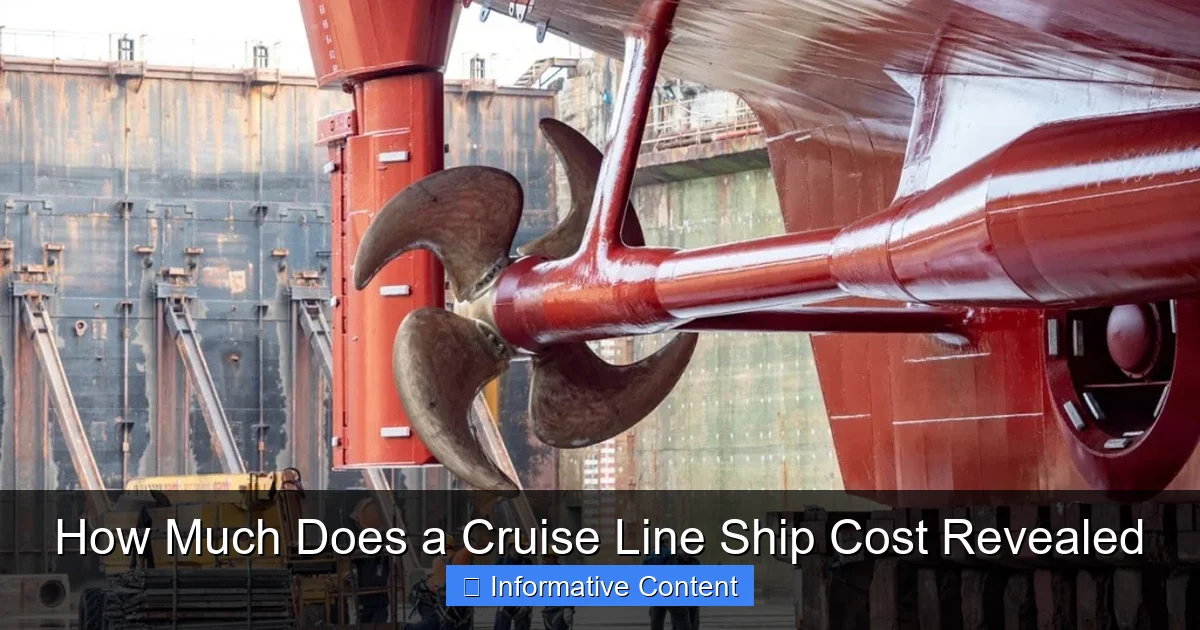
Featured image for how much does a cruise line ship cost
Image source: cruisedeals.expert
The cost of a cruise line ship typically ranges from $500 million to over $1.5 billion, depending on size, luxury features, and technology. New mega-ships from top brands like Royal Caribbean or Carnival can exceed 180,000 gross tons and take 3–5 years to build, with prices rising for custom amenities and eco-friendly propulsion systems.
Key Takeaways
- New ships cost $500M–$1B+: Modern vessels require massive upfront investment for luxury and tech.
- Size drives price: Larger ships with more amenities significantly increase total cost.
- Refurbishments cost $50M–$150M: Renovations extend ship life but require major capital.
- Fuel efficiency impacts long-term spend: Green tech reduces operational costs over time.
- Financing is key: Most lines secure loans or partnerships to fund new builds.
📑 Table of Contents
- How Much Does a Cruise Line Ship Cost Revealed
- Breaking Down the Cost: What Goes Into a Cruise Ship’s Price Tag?
- Size Matters: How Ship Class Affects Cost
- The Hidden Costs: Beyond the Purchase Price
- Used Ships: A Cheaper (But Riskier) Alternative
- Real-World Examples: Cost Comparisons Across Cruise Lines
- Final Thoughts: Is It Worth the Investment?
How Much Does a Cruise Line Ship Cost Revealed
Ever stood on the dock, watching a massive cruise ship glide into port, and wondered, “How much does something like that actually cost?” You’re not alone. That gleaming vessel—home to thousands of passengers, crew, and endless entertainment—looks like a floating city. And like any city, it comes with a hefty price tag. But the real answer isn’t a single number. It’s a spectrum, shaped by size, age, features, and even the whims of the global economy.
When I first started researching cruise ships, I expected a straightforward answer. “A new cruise ship costs $1 billion,” maybe. But the deeper I dug, the more layers I uncovered. Some ships cost less than a luxury hotel. Others? More than a small country’s annual budget. Whether you’re a future shipbuilder, a curious traveler, or someone dreaming of launching a cruise brand, understanding the cost isn’t just about numbers—it’s about the story behind them. From design and construction to hidden operational expenses, let’s break down what really goes into the price of a cruise line ship.
Breaking Down the Cost: What Goes Into a Cruise Ship’s Price Tag?
So, how much does a cruise line ship cost? The short answer: anywhere from $500 million to over $2 billion, depending on size, luxury level, and technology. But that’s just the tip of the iceberg. To truly understand, we need to look at the components that make up the total cost.
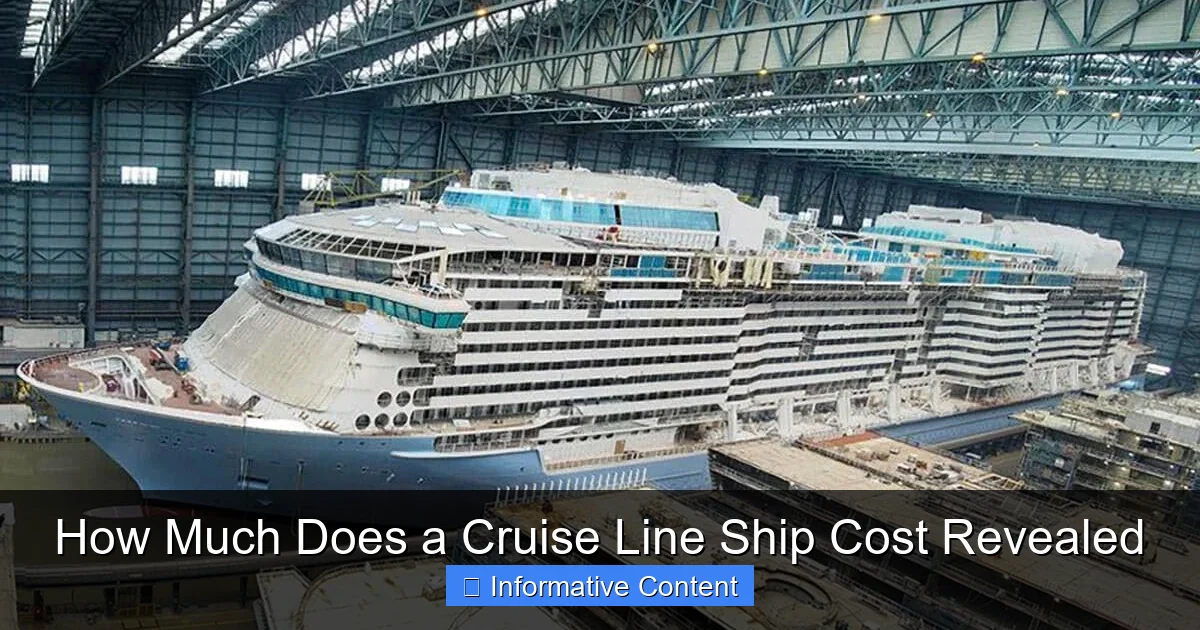
Visual guide about how much does a cruise line ship cost
Image source: royalcaribbeanblog.com
Design and Engineering: The Blueprint of a Floating City
Before steel is even cut, a cruise ship begins as a vision. Design and engineering teams spend months—sometimes years—crafting blueprints that balance aesthetics, functionality, safety, and efficiency. This phase includes:
- Hull design and hydrodynamics (how the ship moves through water)
- Stabilization systems to reduce seasickness
- Energy efficiency and environmental compliance (like IMO Tier III standards)
- Fire safety, evacuation plans, and lifeboat capacity
Design costs can range from $20 million to $100 million, depending on complexity. For example, Royal Caribbean’s Icon of the Seas—the world’s largest cruise ship—features a revolutionary dual-fuel propulsion system and a massive water park, requiring cutting-edge engineering. That innovation doesn’t come cheap.
Materials and Construction: Where the Real Money Is Spent
The bulk of the cost comes from building the ship itself. Think of it like constructing a skyscraper—but one that floats. Materials include:
- Marine-grade steel (thousands of tons)
- Aluminum for superstructures (to reduce weight)
- Glass, marble, and luxury finishes for interiors
- Specialized HVAC, plumbing, and electrical systems
Construction happens in specialized shipyards, like Meyer Werft (Germany), Fincantieri (Italy), or Chantiers de l’Atlantique (France). Labor, materials, and overhead during the 2–3 year build process can account for 60–70% of the total cost. For a mid-sized ship, that’s easily $300–$800 million.
Technology and Systems: The Invisible Backbone
Modern cruise ships are more like tech hubs than floating hotels. Key systems include:
- Propulsion and navigation (diesel, LNG, or hybrid)
- Wastewater treatment and desalination plants
- Wi-Fi and satellite communications
- Entertainment systems (theaters, VR zones, LED walls)
- Smart room controls (app-based lighting, climate, etc.)
These systems add $100–$300 million to the price. For instance, Carnival’s Mardi Gras uses a Liquefied Natural Gas (LNG) propulsion system—cleaner and more expensive. That single upgrade cost tens of millions more than traditional diesel engines.
Size Matters: How Ship Class Affects Cost
Not all cruise ships are created equal. The cost varies dramatically based on the ship’s class—essentially its size and passenger capacity. Let’s break it down by the major categories used in the industry.
Mega Ships (180,000+ GT): The Floating Resorts
These are the giants. Think Royal Caribbean’s Oasis-class ships like Symphony of the Seas (228,081 GT). They can carry over 6,000 passengers and 2,200 crew. With features like zip lines, ice rinks, and Central Park (yes, a real park), they’re essentially theme parks at sea.
- Cost: $1.3–$2.2 billion
- Why so high? Scale, complexity, and luxury. These ships use more steel, more systems, and more labor. Plus, they require custom port infrastructure.
For example, Icon of the Seas (launching in 2024) is estimated at $2 billion, making it the most expensive cruise ship ever built. It includes a 17-deck dry slide, a 40,000-square-foot water park, and a 15,000-square-foot kids’ zone. The engineering alone is mind-blowing.
Large Ships (100,000–180,000 GT): The Sweet Spot
Ships like Norwegian Cruise Line’s Breakaway class or Carnival’s Vista class fall into this range. They carry 4,000–5,000 passengers and offer a balance of amenities and efficiency.
- Cost: $800 million–$1.3 billion
- Why this range? These ships are popular with cruise lines because they’re easier to operate and dock at more ports than mega ships. They’re also cheaper to build and maintain.
Take Carnival Horizon (133,500 GT). Built in 2018 for around $950 million, it features a sky ride, a brewery, and a massive water slide. It’s a great example of value—luxury without the mega-ship price tag.
Mid-Size and Small Ships (20,000–100,000 GT): Intimacy and Access
These ships, like Holland America’s Pinnacle class or Princess Cruises’ Royal class, focus on comfort and access to smaller ports.
- Cost: $500–$800 million
- Why cheaper? Less steel, fewer systems, and simpler designs. They’re also easier to staff and maintain.
For instance, Regal Princess (141,000 GT) cost about $700 million in 2014. It has a glass-enclosed atrium, a top-deck pool, and a 1,000-seat theater—but no water parks or zip lines. It’s a solid middle ground.
Luxury and Expedition Ships: The Niche Players
At the high end, luxury lines like Regent Seven Seas or Silversea build smaller, ultra-premium ships. These carry 500–1,000 passengers and focus on all-inclusive service, fine dining, and exotic itineraries.
- Cost: $300–$600 million
- Why the lower cost? Fewer passengers mean smaller size, but higher per-cabin spending on materials (think marble bathrooms, butler service, and private balconies).
Meanwhile, expedition ships (like those from Lindblad or Quark Expeditions) are built for polar regions. They’re smaller, reinforced hulls, and have ice-class certification. A ship like National Geographic Endurance (12,300 GT) cost around $150 million—but that’s because it’s not a luxury resort. It’s a science lab with a bar.
The Hidden Costs: Beyond the Purchase Price
Here’s the truth: the sticker price is just the beginning. Once a ship is built, the real expenses begin. These “hidden” costs can add up to 20–30% of the initial cost per year in operational spending.
Financing and Depreciation: The Financial Reality
Cruise lines rarely pay cash. They use loans, bonds, or leasing agreements. A $1 billion ship might be financed over 10–15 years, with interest rates of 3–6%. That adds $50–$100 million in interest alone.
Plus, ships depreciate. A new ship loses 10–15% of its value in the first year and about 5% annually after that. After 25 years, it’s worth just 10–20% of its original cost—unless it’s retrofitted or upgraded.
Maintenance and Dry Docking: Keeping the Ship Afloat
Every 5–7 years, a cruise ship must go into dry dock for inspection, cleaning, and repairs. This takes 3–6 months and costs $50–$200 million depending on the work.
- Hull repainting and anti-fouling
- Engine overhauls
- System upgrades (e.g., new HVAC or Wi-Fi)
- Safety compliance (SOLAS, MARPOL)
For example, Norwegian Encore underwent a $150 million dry dock in 2023 to add new dining venues and upgrade its propulsion system.
Fuel, Crew, and Port Fees: The Daily Grind
Running a cruise ship isn’t cheap. Here’s a breakdown of annual operational costs:
- Fuel: $50–$100 million per year (depends on fuel type and itinerary)
- Port fees: $10–$30 million (berthing, waste disposal, security)
- Food and supplies: $15–$25 million
< Crew: $20–$50 million (wages, benefits, training, and housing)
Take Harmony of the Seas. It burns about 1,000 tons of fuel per day at sea. At $600 per ton, that’s $600,000 per day—or over $200 million a year. That’s more than the cost of some smaller ships!
Used Ships: A Cheaper (But Riskier) Alternative
Not every cruise line can afford a new build. Enter the secondhand market. Older ships can be bought, retrofitted, and relaunched—sometimes at a fraction of the cost.
What’s the Price of a Used Cruise Ship?
Prices vary widely, but here’s a general range:
- 10–20 years old: $200–$500 million
- 20–30 years old: $50–$200 million
- Over 30 years: $10–$50 million (often sold for scrap or charter)
For example, Celebrity Reflection (built in 2012, 121,878 GT) was sold to a new operator in 2022 for around $350 million—less than half its original $800 million price tag.
Pros and Cons of Buying Used
Pros:
- Lower upfront cost
- Faster deployment (no 3-year build)
- Opportunity to rebrand and upgrade
Cons:
- Higher maintenance and fuel costs (older systems)
- May not meet new environmental standards (e.g., LNG, scrubbers)
- Reputation risk (if the ship has a history of incidents)
Tip: Always get a marine survey before buying. It can reveal hidden issues like corrosion, outdated safety systems, or engine wear.
Real-World Examples: Cost Comparisons Across Cruise Lines
Let’s look at real ships to see how cost varies across brands, sizes, and features. Here’s a quick comparison table:
| Ship Name | Operator | GT (Gross Tonnage) | Passenger Capacity | Launch Year | Estimated Cost |
|---|---|---|---|---|---|
| Icon of the Seas | Royal Caribbean | 248,663 | 7,600 | 2024 | $2.0 billion |
| Symphony of the Seas | Royal Caribbean | 228,081 | 6,680 | 2018 | $1.35 billion |
| Carnival Mardi Gras | Carnival Cruise Line | 180,800 | 6,465 | 2021 | $1.1 billion |
| Regal Princess | Princess Cruises | 141,000 | 3,560 | 2014 | $700 million |
| Silver Muse | Silversea Cruises | 40,700 | 596 | 2017 | $500 million |
| National Geographic Endurance | Lindblad Expeditions | 12,300 | 126 | 2020 | $150 million |
What stands out? Size and luxury drive cost. But even small expedition ships aren’t cheap—because they’re built for extreme conditions. And while Icon of the Seas is the priciest, it’s also the most advanced, with features no other ship has.
Another trend: new ships are getting more expensive. Inflation, supply chain issues, and stricter environmental rules have pushed costs up. A ship built in 2024 costs 15–20% more than one built in 2014—even after adjusting for size.
Final Thoughts: Is It Worth the Investment?
So, how much does a cruise line ship cost? As we’ve seen, it’s not a simple answer. A new mega-ship can cost over $2 billion, while a used mid-sized vessel might be $300 million. But the real question isn’t just “how much,” it’s “how long until it pays for itself?”
Most cruise lines expect a return on investment in 10–15 years. That means the ship must generate enough revenue from tickets, onboard spending (drinks, excursions, spa), and partnerships to cover:
- Construction and financing
- Annual operating costs
- Maintenance and upgrades
- Profit margin
For a $1 billion ship, that’s $100–$150 million per year in net profit. Possible? Yes—but only with high occupancy, smart pricing, and loyal customers.
And here’s a final tip: if you’re a traveler, remember that ship age and cost often reflect in your experience. Newer ships have better tech, more space, and cleaner fuel. Older ships might have charm, but they can feel cramped or outdated.
Whether you’re building, buying, or just dreaming, understanding the cost of a cruise ship gives you a new perspective. That floating city? It’s not just steel and glass. It’s a massive investment, a feat of engineering, and a home away from home for thousands. And now, you know exactly what it took to make it sail.
Frequently Asked Questions
How much does a cruise line ship cost on average?
The cost of a cruise line ship typically ranges from $500 million to over $1.5 billion, depending on size, amenities, and technology. Larger vessels with luxury features, like Royal Caribbean’s Oasis-class ships, often exceed $1.4 billion.
What factors influence the cost of a cruise ship?
Key factors include ship size, passenger capacity, onboard amenities (e.g., water parks, theaters), and advanced propulsion systems. Customization and compliance with environmental regulations can also significantly increase the final cruise line ship cost.
How does the cost of a small cruise ship compare to a mega-ship?
Smaller boutique ships (500–1,000 passengers) may cost $200–$500 million, while mega-ships (5,000+ passengers) can surpass $1 billion. The per-passenger cost is often higher for smaller ships due to limited economies of scale.
Are there ongoing expenses beyond the initial cruise ship purchase price?
Yes, annual operating costs (fuel, crew, maintenance, and port fees) can reach $100–$300 million for large ships. Refurbishments every 5–10 years add another $50–$200 million to long-term expenses.
How much does a cruise line ship cost to build in 2024?
Modern ships built in 2024 average $100,000–$150,000 per berth, with LNG-powered or hydrogen-ready vessels costing more. For example, Carnival’s Excel-class ships cost ~$1.1 billion due to eco-friendly tech.
Can you buy a used cruise ship instead of a new one?
Used ships can cost 30–70% less than new builds, with prices starting around $100 million for mid-sized vessels. However, older ships may require costly retrofits to meet current safety and emission standards.