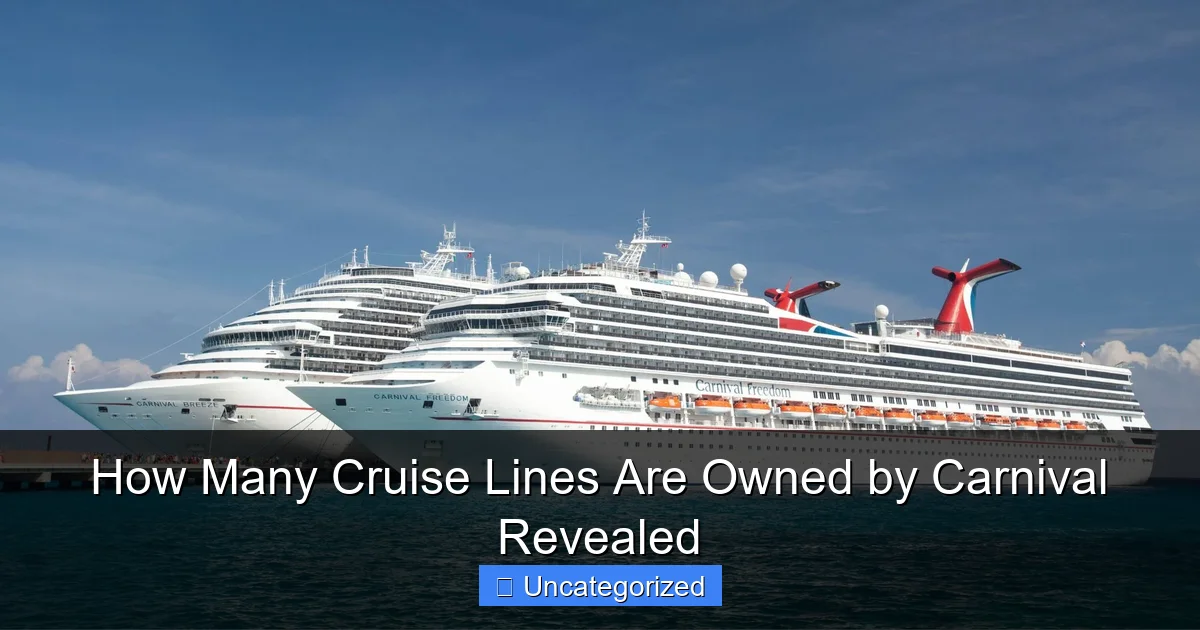
Featured image for how many cruise lines are owned by carnival
Image source: touristsecrets.com
Carnival Corporation owns 9 major cruise lines, making it the largest cruise company in the world. This powerhouse portfolio includes popular brands like Carnival Cruise Line, Princess Cruises, Holland America Line, and Costa Cruises, showcasing its global dominance in the industry.
Key Takeaways
- Carnival owns 9 major cruise lines, dominating the global market with diverse brands.
- Brands like Princess and Holland America cater to premium and luxury travelers under Carnival.
- Costa Cruises is a key European asset, expanding Carnival’s international reach.
- AIDA Cruises targets younger demographics, focusing on fun, casual experiences in Europe.
- Carnival’s portfolio spans budget to luxury, appealing to all traveler types.
- Shared resources boost efficiency across brands while maintaining unique identities.
📑 Table of Contents
- The Carnival Corporation Empire: A Deep Dive into the World’s Largest Cruise Company
- The Multi-Brand Strategy: Why Carnival Owns Multiple Cruise Lines
- The Complete List: How Many Cruise Lines Are Owned by Carnival?
- Fleet and Financial Power: How Carnival Maintains Its Dominance
- Regional Focus: How Carnival Tailors Brands to Local Markets
- Future Outlook: What’s Next for Carnival’s Cruise Empire?
- Data Table: Carnival Corporation’s Cruise Lines at a Glance
- Conclusion: The Power of a Multi-Brand Empire
The Carnival Corporation Empire: A Deep Dive into the World’s Largest Cruise Company
When it comes to the cruise industry, few names carry the same weight as Carnival Corporation & plc. As the world’s largest cruise company, Carnival has built a maritime empire that spans oceans, continents, and decades of innovation in vacation travel. But how many cruise lines are owned by Carnival? This question has intrigued travelers, investors, and cruise enthusiasts for years. The answer reveals not just a corporate structure but a strategic network of brands designed to serve every type of traveler, from budget-conscious families to luxury-seeking couples.
Founded in 1972, Carnival Corporation has grown from a single Miami-based cruise line into a global powerhouse with a presence in over 100 countries. With a fleet of more than 90 ships and over 150,000 employees worldwide, the company operates under a unique “multi-brand” strategy. This approach allows each cruise line to maintain its own identity, culture, and target market while benefiting from Carnival’s vast resources, technology, and purchasing power. Whether you’re sipping a cocktail on a Caribbean deck or exploring the fjords of Norway, chances are you’re sailing with a brand that traces its roots back to Carnival Corporation.
The Multi-Brand Strategy: Why Carnival Owns Multiple Cruise Lines
At first glance, owning multiple cruise lines might seem redundant. Why not consolidate everything under one brand? The answer lies in market segmentation—a core principle of modern tourism. Carnival Corporation’s multi-brand strategy is a masterclass in catering to diverse customer needs, preferences, and price points. By operating under distinct brand names, each cruise line can tailor its offerings to specific demographics without diluting the brand identity of others.
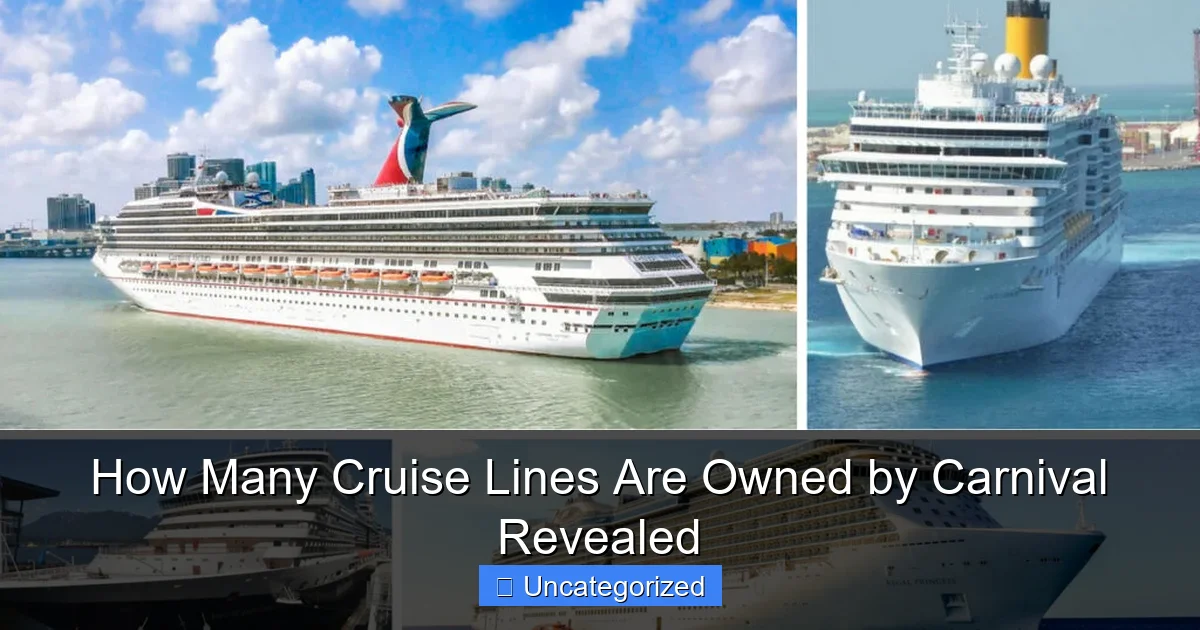
Visual guide about how many cruise lines are owned by carnival
Image source: oceanblissjourneys.com
Understanding Market Segmentation
Market segmentation in the cruise industry is all about differentiation. For example, a family of four looking for an affordable, action-packed vacation might choose Carnival Cruise Line, known for its lively atmosphere and budget-friendly pricing. Meanwhile, a retired couple seeking a quiet, elegant experience might opt for Holland America Line or Princess Cruises. By maintaining separate brands, Carnival ensures that each line can:
- Develop unique onboard experiences (e.g., Carnival’s “Fun Ships” vs. Seabourn’s ultra-luxury suites)
- Target specific age groups and interests (e.g., P&O Cruises for UK families vs. AIDA for German millennials)
- Maintain distinct pricing structures and promotional strategies
- Preserve regional brand loyalty (e.g., Costa Cruises in Europe vs. Carnival in North America)
Operational Advantages of Multiple Brands
Beyond customer appeal, the multi-brand model offers significant operational benefits. Carnival Corporation leverages its size to negotiate better deals on fuel, food supplies, and shipbuilding. However, each brand retains autonomy over:
- Itinerary planning: Princess Cruises specializes in Alaska and Asia, while Costa Cruises focuses on the Mediterranean.
- Crew training and service standards: Luxury brands like Seabourn train staff in fine-dining etiquette, while Carnival emphasizes high-energy entertainment.
- Marketing campaigns: Each brand uses region-specific advertising (e.g., AIDA’s vibrant German-language campaigns).
Pro Tip: When booking a Carnival-owned cruise, research the brand’s unique culture. A “Carnival Cruise” is not the same as a “Seabourn Cruise”—knowing the differences can save you from mismatched expectations.
The Complete List: How Many Cruise Lines Are Owned by Carnival?
As of 2024, Carnival Corporation owns 9 cruise lines, each with its own history, fleet, and target market. Below is a detailed breakdown of each brand, including key facts and standout features.
1. Carnival Cruise Line (“The World’s Most Popular Cruise Line”)
- Founded: 1972
- Headquarters: Miami, Florida
- Fleet Size: 27 ships (largest in Carnival’s portfolio)
- Key Features: Budget-friendly pricing, family-oriented activities, “Fun Ships” branding
- Notable Ships: Mardi Gras (first LNG-powered ship in North America), Carnival Horizon
Carnival Cruise Line is the flagship brand, known for its vibrant atmosphere, themed decks, and value-driven packages. It’s ideal for first-time cruisers and families.
2. Princess Cruises (“Come Back New”)
- Founded: 1965
- Headquarters: Santa Clarita, California
- Fleet Size: 15 ships
- Key Features: Premium pricing, scenic itineraries (Alaska, Asia), onboard enrichment programs
- Notable Ships: Enchanted Princess, Discovery Princess (featuring “MedallionClass” tech)
Princess Cruises excels in destination-focused voyages, offering immersive cultural experiences and gourmet dining.
3. Holland America Line (“A Signature of Excellence”)
- Founded: 1873
- Headquarters: Seattle, Washington
- Fleet Size: 11 ships
- Key Features: Mid-range luxury, traditional cruising, culinary programs (partnership with Food & Wine)
- Notable Ships: Nieuw Statendam, Rotterdam (featuring “Music Walk” entertainment)
Holland America appeals to travelers who appreciate classic elegance and refined service.
4. Costa Cruises (“Italy’s Cruise Company”)
- Founded: 1854
- Headquarters: Genoa, Italy
- Fleet Size: 7 ships
- Key Features: Italian-style dining, Mediterranean focus, vibrant onboard entertainment
- Notable Ships: Costa Toscana (LNG-powered), Costa Firenze
Costa Cruises is the largest cruise operator in Europe, with strong roots in Italian culture.
5. AIDA Cruises (“The Green Cruise Line”)
- Founded: 1960
- Headquarters: Rostock, Germany
- Fleet Size: 10 ships
- Key Features: German-language cruises, eco-friendly initiatives (LNG-powered ships), youthful vibe
- Notable Ships: AIDAnova (world’s first LNG-powered cruise ship), AIDAcosma
AIDA is Carnival’s answer to the German market, combining sustainability with high-energy entertainment.
6. P&O Cruises (“Britain’s Favourite Cruise Line”)
- Founded: 1840
- Headquarters: Southampton, UK
- Fleet Size: 6 ships
- Key Features: British heritage, family-friendly itineraries, traditional afternoon tea
- Notable Ships: Arvia (newest ship), Iona (LNG-powered)
P&O Cruises caters to UK travelers, offering a mix of classic British traditions and modern amenities.
7. Seabourn (“Luxury, Naturally”)
- Founded: 1987
- Headquarters: Seattle, Washington
- Fleet Size: 6 ships
- Key Features: Ultra-luxury, all-suite accommodations, personalized service
- Notable Ships: Seabourn Encore, Seabourn Ovation (featuring “Seabourn Square” lounges)
Seabourn is Carnival’s entry into the high-end market, competing with brands like Regent Seven Seas.
8. Cunard Line (“The Most Famous Ocean Liners in the World”)
- Founded: 1840
- Headquarters: Southampton, UK
- Fleet Size: 3 ships
- Key Features: Transatlantic voyages, white-glove service, British aristocracy appeal
- Notable Ships: Queen Mary 2 (world’s only ocean liner), Queen Elizabeth
Cunard is Carnival’s historic gem, preserving the grandeur of ocean travel.
9. Fathom (“Impact Travel”)
- Founded: 2015 (discontinued in 2017)
- Headquarters: Miami, Florida
- Fleet Size: 1 ship (Adonia)
- Key Features: Volunteer tourism, cultural immersion
Though no longer active, Fathom was a short-lived experiment in “social impact cruising,” offering trips to the Dominican Republic and Cuba.
Fleet and Financial Power: How Carnival Maintains Its Dominance
Carnival Corporation’s dominance isn’t just about branding—it’s about scale, innovation, and financial resilience. With a combined fleet of over 90 ships, Carnival controls approximately 45% of the global cruise market. This gives the company unmatched bargaining power and operational flexibility.
Fleet Statistics and Shipbuilding
Carnival’s fleet is a testament to its commitment to modernization and sustainability. Key statistics include:
- Total Ships: 92 (as of 2024)
- LNG-Powered Ships: 11 (including Carnival, Costa, and AIDA brands)
- New Builds (2024–2027): 10 ships, including the Carnival Jubilee and Princess Cruises’ Sun Princess
- Shipyard Partnerships: Meyer Werft (Germany), Fincantieri (Italy), Chantiers de l’Atlantique (France)
The company invests heavily in eco-friendly technology, such as LNG propulsion, advanced wastewater treatment, and shore power connections.
Revenue and Market Share
In 2023, Carnival Corporation reported:
- Annual Revenue: $21.6 billion
- Net Income: $2.4 billion
- Passenger Capacity: 12.5 million annually
- Market Share: 45% of the global cruise industry (vs. Royal Caribbean’s 25%)
These figures highlight Carnival’s financial muscle, enabling it to absorb shocks (e.g., the pandemic) and invest in long-term growth.
Technology and Innovation
Carnival’s brands are leaders in onboard technology, including:
- MedallionClass (Princess Cruises): Wearable tech for contactless payments, keyless room entry, and personalized recommendations.
- OceanMedallion (Carnival): Similar to Princess, but with AI-driven entertainment options.
- Seabourn’s “Concierge AI”: Virtual assistants for booking excursions and dining.
Pro Tip: If you’re tech-savvy, book a cruise with Princess or Carnival to experience cutting-edge onboard tech.
Regional Focus: How Carnival Tailors Brands to Local Markets
Carnival’s success hinges on its ability to localize each brand while maintaining corporate oversight. This regional focus ensures that travelers feel at home, even on a ship.
Europe: Costa, AIDA, and Cunard
- Costa Cruises: Italian cuisine, Mediterranean itineraries, family-friendly entertainment.
- AIDA Cruises: German-language cruises, eco-friendly ships, vibrant nightlife.
- Cunard Line: British heritage, transatlantic voyages, formal dining.
For example, Costa’s ships feature Italian chefs and onboard piazzas, while AIDA’s ships have German-style wellness centers.
North America: Carnival, Princess, and Holland America
- Carnival Cruise Line: U.S.-focused, Caribbean itineraries, “Fun Ships” branding.
- Princess Cruises: Alaska, Asia, and Australia focus, premium pricing.
- Holland America Line: Traditional cruising, culinary programs, mid-range luxury.
Princess Cruises’ “Alaska Cruisetours” combine cruises with land-based excursions, a unique offering in the region.
UK: P&O Cruises
- P&O Cruises: British traditions, family-friendly itineraries, afternoon tea.
P&O’s ships feature British-style pubs and afternoon tea services, catering to UK travelers.
Future Outlook: What’s Next for Carnival’s Cruise Empire?
As the cruise industry evolves, Carnival Corporation is positioning itself for long-term growth. Key initiatives include:
1. Sustainability and Green Cruising
Carnival aims to achieve net-zero emissions by 2050, with plans to:
- Expand LNG-powered fleets
- Invest in carbon capture technology
- Partner with ports for shore power connections
2. New Markets and Itineraries
Carnival is exploring:
- Asia-Pacific Expansion: More Princess Cruises itineraries to Japan and Australia.
- Expedition Cruises: Seabourn’s new “Expedition Ships” for polar and remote destinations.
3. Digital Transformation
The company is rolling out AI-driven booking platforms, virtual reality previews, and enhanced mobile apps across all brands.
Data Table: Carnival Corporation’s Cruise Lines at a Glance
| Cruise Line | Founded | Fleet Size | Key Market | Price Range | Standout Feature |
|---|---|---|---|---|---|
| Carnival Cruise Line | 1972 | 27 | North America | Budget | Fun Ships, family-friendly |
| Princess Cruises | 1965 | 15 | Global | Premium | MedallionClass tech |
| Holland America Line | 1873 | 11 | North America | Mid-Range | Culinary programs |
| Costa Cruises | 1854 | 7 | Europe | Mid-Range | Italian cuisine |
| AIDA Cruises | 1960 | 10 | Germany | Mid-Range | LNG-powered ships |
| P&O Cruises | 1840 | 6 | UK | Mid-Range | British traditions |
| Seabourn | 1987 | 6 | Global | Luxury | All-suite accommodations |
| Cunard Line | 1840 | 3 | Global | Luxury | Transatlantic voyages |
| Fathom (defunct) | 2015 | 1 | North America | Budget | Volunteer tourism |
Conclusion: The Power of a Multi-Brand Empire
So, how many cruise lines are owned by Carnival? The answer is 9 active brands (and one discontinued experiment), each meticulously crafted to serve a specific segment of the global market. From the budget-friendly fun of Carnival Cruise Line to the white-glove elegance of Cunard, Carnival Corporation has mastered the art of diversification without dilution. Its multi-brand strategy isn’t just a corporate tactic—it’s a traveler’s advantage, offering more choices, better experiences, and unparalleled value.
As Carnival looks to the future, its focus on sustainability, technology, and regional customization will ensure it remains the undisputed leader in the cruise industry. Whether you’re a first-time cruiser or a seasoned seafarer, there’s a Carnival-owned ship waiting to take you on your next adventure. The only question is: which brand will you choose?
Frequently Asked Questions
How many cruise lines are owned by Carnival Corporation?
Carnival Corporation & plc owns 9 major cruise line brands, including Carnival Cruise Line, Princess Cruises, Holland America Line, and others. This makes it the largest cruise company globally by fleet size and market share.
Which popular cruise lines are part of the Carnival family?
Some well-known brands under Carnival Corporation include Carnival Cruise Line, Holland America, Seabourn, Cunard, and AIDA Cruises. Each caters to different travel styles, from luxury to family-friendly vacations.
Does Carnival own Royal Caribbean or Norwegian Cruise Line?
No, Carnival does not own Royal Caribbean or Norwegian Cruise Line. These are independent competitors, though Carnival dominates the industry with its 9-brand portfolio.
How many cruise lines does Carnival operate in total, including subsidiaries?
Beyond its 9 core brands, Carnival manages several subsidiaries and joint ventures, such as P&O Cruises Australia and Fathom. The total count of directly controlled cruise lines remains 9 globally.
Has Carnival added new cruise lines recently?
As of 2023, Carnival hasn’t acquired new brands but focuses on expanding existing ones like Princess Cruises’ LNG-powered ships. Its last major addition was the integration of Costa Group in Europe.
Why does Carnival own multiple cruise lines instead of one?
Carnival’s multi-brand strategy targets diverse markets—luxury (Seabourn), premium (Holland America), and budget (Carnival Cruise Line). This approach maximizes global reach and revenue streams.