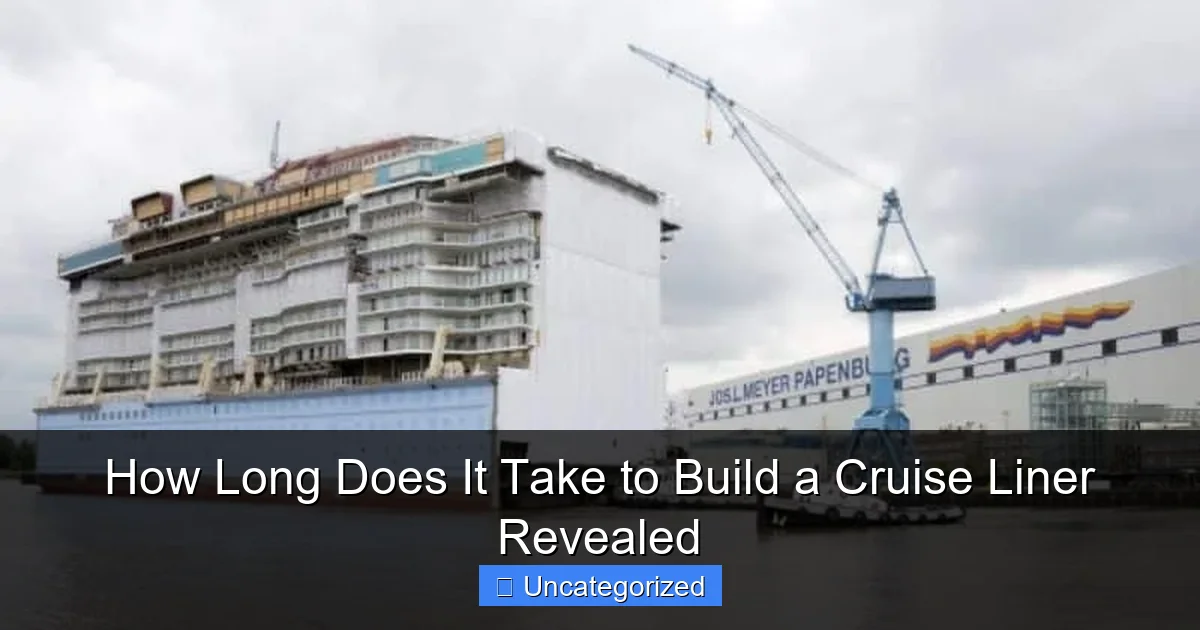
Featured image for how long does it take to build a cruise liner
Image source: cruisemummy.co.uk
Building a cruise liner typically takes 2 to 4 years, depending on size, complexity, and shipyard efficiency. From design and steel cutting to final outfitting and sea trials, the process involves meticulous planning and thousands of skilled workers to bring these floating cities to life.
Key Takeaways
- Planning takes 2-3 years: Design and approvals require extensive pre-construction work.
- Construction lasts 2-4 years: Depends on ship size and complexity.
- Outfitting is time-critical: Interior installations can delay final delivery if mismanaged.
- Sea trials are mandatory: Testing ensures safety and performance before handover.
- Delays are common: Supply chain issues can extend timelines significantly.
- New tech adds time: Eco-friendly systems may require extra R&D and integration.
📑 Table of Contents
- The Marvel of Modern Maritime Engineering
- 1. The Pre-Construction Phase: From Concept to Blueprint
- 2. Hull Construction and Block Assembly: The Birth of a Giant
- 3. Interior Outfitting: Creating a Floating Resort
- 4. Systems Integration and Sea Trials: Testing the Limits
- 5. Factors That Influence Build Time: Beyond the Blueprint
- 6. Case Studies: Real-World Timelines and Lessons Learned
- Conclusion: The Art and Science of Shipbuilding
The Marvel of Modern Maritime Engineering
When you step aboard a cruise liner, you’re not just entering a vacation destination—you’re stepping onto a floating city. These massive vessels boast everything from gourmet restaurants and Broadway-style theaters to ice rinks, water parks, and even rock-climbing walls. But have you ever wondered, how long does it take to build a cruise liner? The answer is as complex and fascinating as the ships themselves. From the first sketch to the maiden voyage, constructing a modern cruise ship is a monumental undertaking that can span several years and involve thousands of skilled professionals across multiple countries.
Building a cruise liner is not just about welding steel and installing plumbing—it’s about orchestrating a symphony of engineering, design, logistics, and safety compliance on an unprecedented scale. A single vessel can cost upwards of $1 billion, weigh over 200,000 gross tons, and carry more than 6,000 passengers and crew. The timeline to bring such a behemoth to life is influenced by design complexity, shipyard capacity, supply chain stability, regulatory requirements, and even global events. In this in-depth exploration, we’ll reveal the average time to build a cruise ship, break down the stages of construction, and uncover the real-world challenges that can accelerate or delay the process.
1. The Pre-Construction Phase: From Concept to Blueprint
The journey of building a cruise liner begins long before the first steel plate is cut. This pre-construction phase, often overlooked, is critical to the success and timeline of the entire project. It sets the foundation for everything that follows and can consume a significant portion of the overall development time.
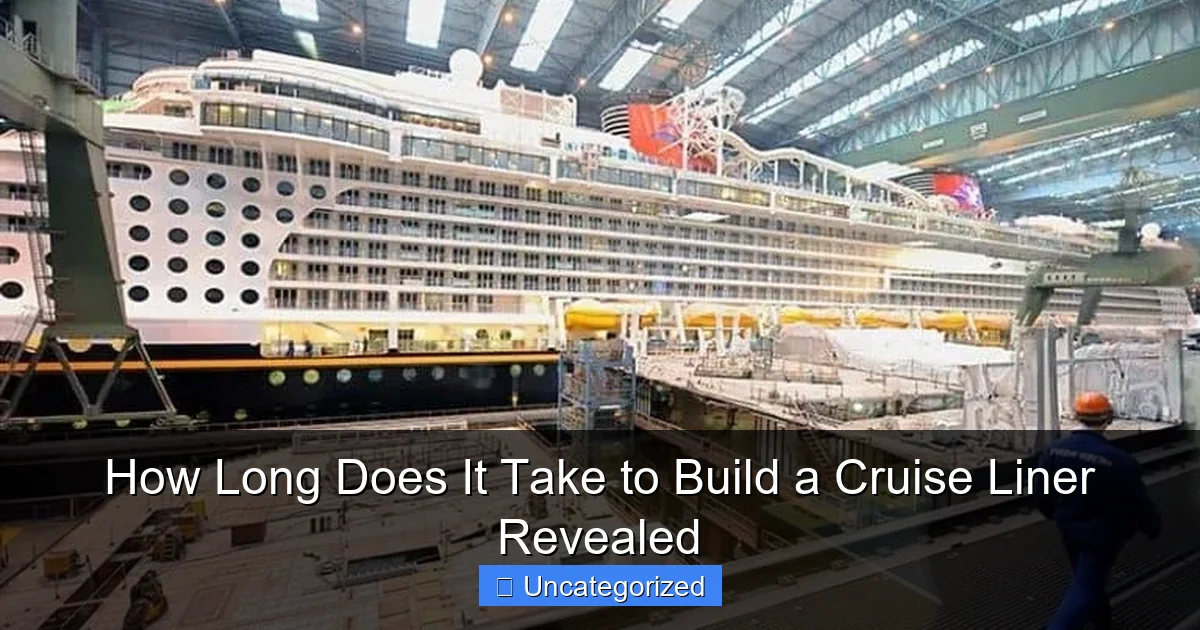
Visual guide about how long does it take to build a cruise liner
Image source: boatinggeeks.com
Initial Design and Feasibility Studies
The process kicks off with concept development, where cruise lines collaborate with naval architects, marine engineers, and interior designers to define the ship’s purpose, size, capacity, and target market. For example, Royal Caribbean’s Icon of the Seas, the world’s largest cruise ship upon launch, began its conceptual phase in 2016—four years before its scheduled delivery in 2024. During this stage, multiple design iterations are created, often using 3D modeling software like CATIA or Rhino, to test stability, propulsion efficiency, and passenger flow.
Feasibility studies assess the ship’s operational costs, fuel efficiency, environmental impact, and compliance with international maritime regulations (e.g., IMO Tier III emissions standards). These studies can take 6–12 months, especially if the ship introduces new technologies, such as LNG (liquefied natural gas) propulsion or hybrid power systems.
Contract Negotiation and Shipyard Selection
Once the concept is approved, the cruise line enters negotiations with shipbuilders. The world’s top cruise shipyards include Meyer Werft (Germany), Meyer Turku (Finland), Fincantieri (Italy), and Chantiers de l’Atlantique (France). These yards specialize in luxury and high-capacity vessels and often have multi-year backlogs.
- Lead time for shipyard availability can be 12–36 months, depending on demand and existing contracts.
- Negotiations include price, delivery date, performance guarantees, and penalty clauses for delays.
- Some cruise lines, like Carnival Corporation, have long-term partnerships with specific yards to streamline the process.
For instance, when MSC Cruises ordered the MSC World Europa, the contract with Chantiers de l’Atlantique was signed in 2018, with delivery in 2022—a 4-year gap between agreement and launch.
Regulatory and Safety Approvals
Before construction begins, the design must be submitted to classification societies such as Lloyd’s Register, DNV, or ABS. These organizations ensure the ship meets safety, stability, and environmental standards. The approval process includes:
- Structural integrity assessments
- Fire safety and evacuation plans
- Ballast water treatment systems
- Life-saving equipment compliance (SOLAS)
This phase can take 3–6 months and often involves multiple rounds of revisions. A single unresolved issue—like a flaw in the watertight compartment design—can delay the start of construction by weeks or even months.
2. Hull Construction and Block Assembly: The Birth of a Giant
Once approvals are secured, the physical construction begins. This phase is the most visible and labor-intensive part of the process, involving the fabrication and assembly of the ship’s massive steel hull.
Steel Cutting and Prefabrication
The first milestone is steel cutting, where computer-guided plasma cutters slice steel plates according to the ship’s digital blueprints. These plates are then formed into curved sections using hydraulic presses and welding robots. The prefabrication of individual blocks—modular sections of the hull—begins simultaneously.
- Each block can weigh between 50 and 300 tons.
- Blocks are built in specialized workshops to ensure precision and quality.
- Interior components like piping, electrical conduits, and insulation are often pre-installed.
For example, the hull of Celebrity Beyond (2022) was divided into 127 blocks, each requiring 2–4 weeks to fabricate. Prefabrication reduces on-site assembly time and improves safety by minimizing high-risk welding on the main construction dock.
Block Assembly and Hull Launch
Blocks are transported to the main construction dock and assembled in sequence, starting from the keel and moving upward. This process, called block erection, uses massive cranes capable of lifting hundreds of tons. Welding, alignment, and inspection of each joint are critical to structural integrity.
Once the hull is complete, the ship is launched—a ceremonial and technical event where the vessel is gently lowered into the water. This doesn’t mean construction is complete; the ship is now afloat but still requires outfitting. The hull construction phase typically takes:
- 12–18 months for mid-sized ships (140,000–180,000 GT)
- 18–24 months for megaships (200,000+ GT, like Icon of the Seas)
During the 2020 pandemic, Meyer Turku reported a 3-month delay in hull assembly for Carnival Celebration due to supply chain disruptions and reduced workforce capacity.
Outfitting the Lower Decks
After launch, work continues on the lower decks, which house the engine room, fuel tanks, ballast systems, and crew areas. This phase includes:
- Installation of main engines (e.g., Wärtsilä or MAN B&W)
- Propulsion systems (azimuth thrusters, pods)
- Electrical generators and switchboards
- HVAC and plumbing systems
Because these systems are complex and interdependent, integration challenges can arise. For instance, a misaligned engine mount may require disassembling and re-welding, adding weeks to the schedule.
3. Interior Outfitting: Creating a Floating Resort
While the hull is being built, the interior design team works in parallel to finalize finishes, furniture, and amenities. This phase transforms the steel shell into a luxurious, functional space for thousands of passengers.
Design Finalization and Material Sourcing
Interior design involves collaboration between architects, artists, and cruise line executives. Themes, color palettes, and materials are chosen to reflect the brand identity. For example, Norwegian Prima (2022) features a modern Scandinavian aesthetic with natural wood, stone, and neutral tones.
- Materials must be fire-resistant, durable, and easy to clean (e.g., FRP composites, treated textiles).
- Custom furniture is often manufactured in Europe or Asia and shipped to the shipyard.
- Sourcing delays—especially for rare materials like Italian marble or German glass—can add 2–4 months to the timeline.
During the 2021 global supply chain crisis, Fincantieri reported a 6-week delay in receiving bathroom fixtures for Costa Toscana due to port congestion in China.
Onboard Installation and Fit-Out
Interior installation begins after the hull is launched. Crews work deck by deck, starting from the lowest passenger levels and moving upward. Key installations include:
- Staterooms (cabins): 2,000–5,000 units per ship, each requiring 8–12 hours to fit out
- Public spaces: Restaurants, bars, theaters, spas, and retail shops
- Recreational facilities: Pools, water slides, fitness centers, and casinos
- Technical areas: Galley kitchens, laundry, and medical centers
Each stateroom requires:
- Furniture assembly
- Electrical and data connections
- Plumbing and ventilation
- Fire suppression systems
This phase typically takes 6–10 months, depending on the ship’s size and complexity. For Disney Wish (2022), the interior outfitting took 8 months, with over 1,000 workers on-site daily.
Quality Control and Branding
Before the ship is handed over, every detail is inspected. This includes:
- Functionality tests (e.g., door locks, lighting, HVAC)
- Brand compliance (e.g., logo placement, color accuracy)
- Passenger safety (e.g., emergency lighting, signage)
Disney, for instance, conducts a “soft opening” where crew members simulate guest experiences to identify issues. This final quality check can add 2–3 weeks to the schedule but is essential for brand reputation.
4. Systems Integration and Sea Trials: Testing the Limits
With the ship structurally and aesthetically complete, the focus shifts to integrating and testing all onboard systems. This phase ensures the vessel can operate safely and efficiently at sea.
Commissioning of Mechanical and Electrical Systems
All systems—propulsion, power, navigation, communication, and automation—are powered up and tested. This includes:
- Engine performance under load
- Stabilizer and rudder response
- Emergency power systems
- Integrated bridge systems (IBS)
For LNG-powered ships like Costa Smeralda, additional tests verify fuel safety, leak detection, and bunkering procedures. Any malfunction during commissioning requires immediate troubleshooting, which can delay sea trials by days or weeks.
Sea Trials: The Ultimate Test
Sea trials are conducted in open water and involve:
- Speed and maneuverability tests (e.g., crash stop, zigzag turns)
- Noise and vibration analysis
- Emergency drills (e.g., abandon ship, fire response)
- Environmental compliance (e.g., emissions, ballast water discharge)
Trials last 5–10 days and are observed by classification society inspectors. In 2023, MSC Euribia underwent 8 days of sea trials, during which a minor issue with the bow thruster was identified and repaired within 48 hours.
Sea trials typically take place 2–3 months before delivery. If major issues are found, additional trials may be required, extending the timeline.
Delivery and Flag Registration
Once sea trials are passed, the ship is officially delivered to the cruise line. The transfer includes:
- Handover of technical documentation
- Registration under a flag state (e.g., Bahamas, Malta, Panama)
- Final payment to the shipyard
Registration can take 1–2 weeks due to paperwork and inspections. For example, Virgin Voyages’ Scarlet Lady was delivered in 2020 but didn’t receive its Bahamian flag until two weeks later due to administrative delays.
5. Factors That Influence Build Time: Beyond the Blueprint
While the average time to build a cruise liner is 3 to 5 years, numerous external and internal factors can shorten or extend this timeline.
Design Complexity and Innovation
Ships with groundbreaking features—like Icon of the Seas’s six-slide water park or MSC World Europa’s LNG hybrid propulsion—require extensive R&D and testing, adding 6–12 months to development. First-of-class vessels (e.g., Carnival Horizon) often take longer than subsequent sister ships due to design refinements.
Supply Chain and Global Events
Disruptions in material supply, labor, or transportation can cause delays. The 2020–2022 pandemic led to:
- 3–6 month delays in steel and component deliveries
- Reduced workforce at shipyards (e.g., 30% capacity in early 2021)
- Port congestion affecting material transport
For example, Disney Wish’s delivery was delayed by 4 months due to pandemic-related supply issues.
Regulatory Changes and Environmental Standards
New regulations, such as IMO 2020 sulfur limits or CII (Carbon Intensity Indicator) ratings, may require design modifications mid-construction. In 2021, Carnival had to retrofit scrubbers on several ships under construction, adding $20 million and 3 months per vessel.
Shipyard Capacity and Workforce
Top shipyards often have multiple ships under construction simultaneously. Delays on one project can ripple through the schedule. Meyer Turku, for instance, reported a 2-month delay on Costa Toscana due to resource allocation for another vessel.
6. Case Studies: Real-World Timelines and Lessons Learned
To understand the variability in build times, let’s examine three recent cruise ships and their development timelines.
Case Study 1: Icon of the Seas (Royal Caribbean, 2024)
- Concept phase: 2016–2018 (2 years)
- Design & approval: 2018–2019 (1 year)
- Hull construction: 2019–2022 (3 years)
- Outfitting & interiors: 2022–2023 (1 year)
- Sea trials & delivery: 2023–2024 (1 year)
- Total time: 8 years (from concept to maiden voyage)
Key takeaway: Innovation and scale significantly extend build time. The ship’s 20 decks, 2,805 cabins, and 40+ dining venues required unprecedented coordination.
Case Study 2: Norwegian Prima (Norwegian Cruise Line, 2022)
- Contract signed: 2017
- Steel cutting: 2019
- Hull launch: 2020
- Delivery: 2022
- Total construction time: 3 years (2019–2022)
Key takeaway: Sister ships (Norwegian Viva) built on the same platform can be completed in 2.5 years due to streamlined processes.
Case Study 3: Disney Wish (Disney Cruise Line, 2022)
- Design finalization: 2017–2018
- Construction: 2018–2022 (4 years)
- Delivery delay: 4 months (pandemic-related)
- Maiden voyage: July 2022
Key takeaway: Even with strong partnerships (Meyer Werft), global events can disrupt timelines.
Summary Table: Average Build Times by Ship Type
| Ship Type | Size (GT) | Passenger Capacity | Average Build Time (Years) | Example |
|---|---|---|---|---|
| Mid-Size Luxury | 50,000–90,000 | 1,000–2,000 | 2.5–3.5 | Seabourn Venture |
| Large Resort | 140,000–180,000 | 3,000–4,000 | 3–4 | Norwegian Prima |
| Mega Cruise Ship | 200,000+ | 5,000–7,000 | 4–6 | Icon of the Seas |
| Sister Ship (2nd+) | Same as original | Same as original | 2–3 | Norwegian Viva |
Conclusion: The Art and Science of Shipbuilding
So, how long does it take to build a cruise liner? The answer isn’t a simple number—it’s a dynamic range shaped by ambition, innovation, and real-world challenges. On average, the process takes 3 to 5 years from contract to delivery, but it can stretch to 6–8 years for groundbreaking vessels like Icon of the Seas. Every phase—from concept and design to hull construction, outfitting, and sea trials—requires meticulous planning, global collaboration, and relentless attention to detail.
What makes this process remarkable is its balance of art and engineering. Behind every glittering chandelier and wave pool is a team of thousands, from welders and electricians to naval architects and interior designers, all working in harmony to create a floating masterpiece. As cruise lines push the boundaries with larger ships, greener technologies, and immersive experiences, the timeline may evolve—but the dedication to excellence remains constant.
For aspiring cruise travelers, understanding the time to build a cruise ship adds a new layer of appreciation for the journey they’re about to embark on. And for those in the maritime industry, these timelines serve as a roadmap for innovation, resilience, and the enduring human spirit of exploration.
Frequently Asked Questions
How long does it take to build a cruise liner from start to finish?
Building a cruise liner typically takes 2 to 4 years, depending on size, complexity, and shipyard capacity. The process includes design, construction, outfitting, and sea trials before delivery.
What factors affect how long it takes to build a cruise liner?
Key factors include vessel size (e.g., mega-ships vs. mid-sized), custom design features, supply chain delays, and workforce availability. Environmental regulations and technology integration (like LNG engines) can also extend timelines.
Why does it take so long to build a cruise liner compared to other ships?
Cruise liners require intricate interior outfitting (cabins, entertainment venues, kitchens) and rigorous safety systems, unlike cargo ships. Each phase—from steel cutting to final inspections—must meet strict maritime standards.
Can the timeline for building a cruise liner be shortened?
Some shipyards use modular construction to speed up the process, but cutting corners risks quality and safety. Most cruise lines prioritize thoroughness over speed to ensure passenger comfort and compliance.
How long does it take to build a cruise liner of 150,000+ gross tons?
Larger vessels (150,000+ GT) often take 3–5 years due to increased structural complexity, more amenities, and extended testing. For example, Royal Caribbean’s Oasis-class ships took over 4 years each.
What’s the fastest time a modern cruise liner has been built in?
The record is around 18–24 months for smaller, standardized ships (e.g., Costa Toscana), but these are exceptions. Most major cruise liners take longer to ensure flawless execution.