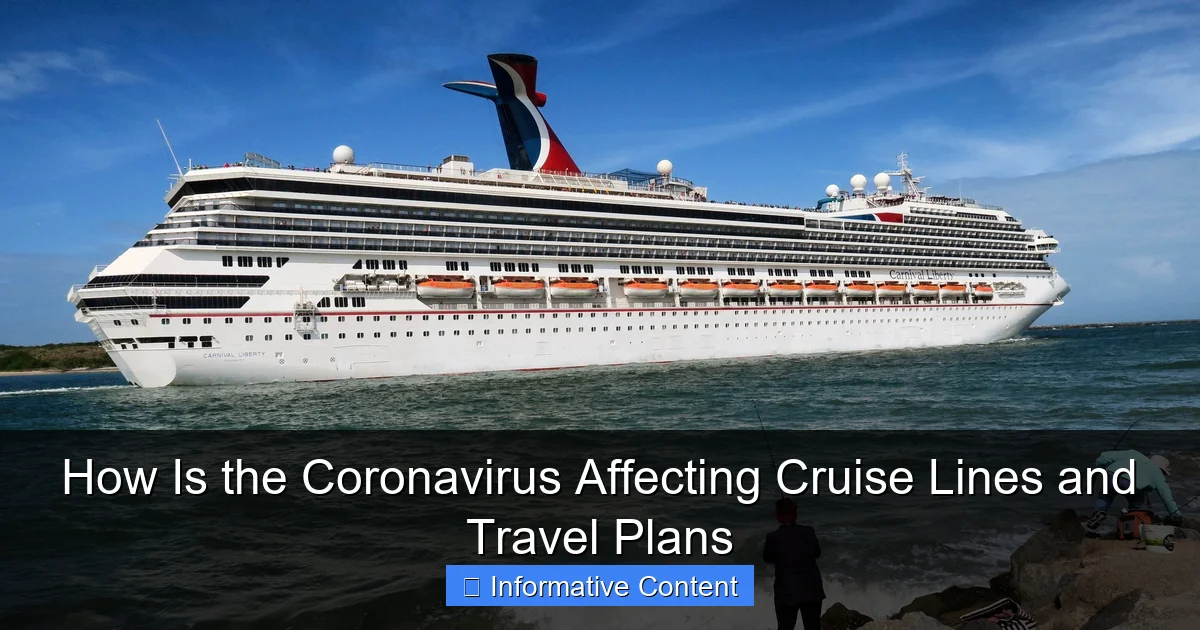
Featured image for how is the coronavirus affecting cruise lines
Image source: static01.nyt.com
The coronavirus pandemic has devastated the cruise industry, triggering mass cancellations, port closures, and strict health regulations that brought sailings to a near standstill. Major cruise lines face unprecedented financial losses and passenger distrust, while new safety protocols and delayed voyages continue to disrupt travel plans worldwide.
Key Takeaways
- Cruise lines suspended operations globally to curb virus spread and reassess safety protocols.
- Refunds and credits dominate as travelers cancel or reschedule bookings amid uncertainty.
- Health screenings are mandatory pre-boarding, with stricter onboard medical facilities now standard.
- Itinerary changes are frequent due to port closures and shifting travel restrictions.
- Demand dropped sharply but interest in future bookings remains with enhanced safety assurances.
- Insurance coverage expanded to include pandemic-related cancellations, a new industry norm.
📑 Table of Contents
- How Is the Coronavirus Affecting Cruise Lines and Travel Plans
- 1. The Immediate Fallout: Cancellations, Closures, and Financial Strain
- 2. New Health and Safety Protocols: What’s Changed on Board?
- 3. Shifting Traveler Behavior: Who’s Sailing Now, and Who’s Waiting?
- 4. The Economic Ripple Effect: Beyond the Cruise Ships
- 5. The Road Ahead: What’s Next for Cruise Travel?
- 6. Data Snapshot: How the Numbers Tell the Story
- Conclusion: Navigating the New Era of Cruise Travel
How Is the Coronavirus Affecting Cruise Lines and Travel Plans
Remember that dreamy cruise you were planning? The one with the endless buffets, the tropical ports, and the ocean breeze that promised to blow away your stress? Well, if you’ve been following the news, you know that the coronavirus (COVID-19) has thrown a wrench into those plans—and not just for a few people, but for an entire industry. Cruise lines, which once carried millions of passengers each year, suddenly found themselves in uncharted waters. Ships sat empty, itineraries were canceled, and travelers were left wondering, “When will it be safe to sail again?”
The impact of the pandemic on cruise travel goes far beyond canceled vacations. It’s reshaped how we think about safety, hygiene, and the very nature of group travel. For many, the idea of being on a ship with hundreds or even thousands of other people—once a selling point—now feels like a health risk. And while cruise lines are adapting with new protocols, the road to recovery is long and uncertain. In this post, we’ll dive into how the coronavirus is affecting cruise lines, what it means for travelers, and what the future of cruising might look like. Whether you’re a seasoned cruiser or just curious about the state of travel, this is your guide to what’s really happening.
1. The Immediate Fallout: Cancellations, Closures, and Financial Strain
Mass Cancellations and Suspended Operations
When the World Health Organization declared COVID-19 a pandemic in March 2020, cruise lines faced a brutal reality: they had to stop sailing. Almost overnight, itineraries were canceled, ships were anchored, and ports closed their doors. The U.S. Centers for Disease Control and Prevention (CDC) issued a No Sail Order, effectively grounding all U.S.-based cruises. This wasn’t just a minor delay—it was a full stop.
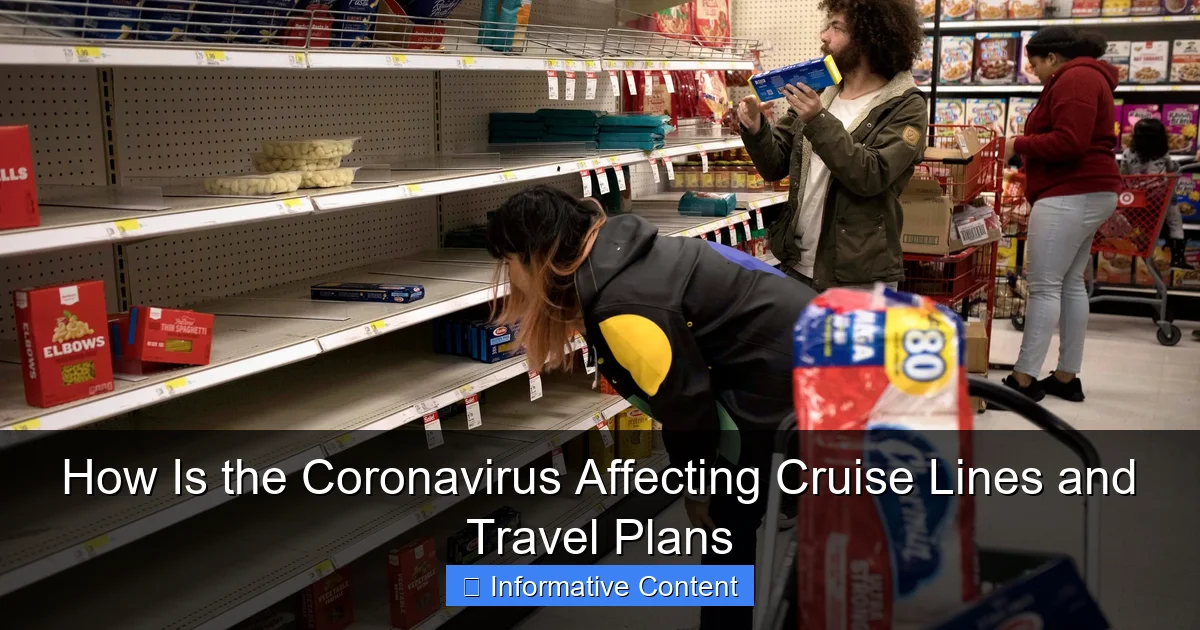
Visual guide about how is the coronavirus affecting cruise lines
Image source: static01.nyt.com
For example, Carnival Cruise Line, one of the largest operators, suspended all voyages in North America. Royal Caribbean and Norwegian Cruise Line followed suit. The impact was immediate: passengers scrambled to rebook, refunds took months, and some travelers lost money entirely. One family I spoke with had saved for two years for a Caribbean cruise. When it was canceled, they waited six months for a partial refund. “It felt like we were forgotten,” they said.
Financial Losses and Industry Layoffs
The financial toll was staggering. According to Cruise Lines International Association (CLIA), the cruise industry lost over $77 billion in economic activity in 2020 alone. Thousands of employees—crew members, travel agents, and onshore staff—were laid off or furloughed. Ships, which cost millions to operate, sat idle, draining company reserves.
To survive, cruise lines turned to cost-cutting measures. Carnival sold off older ships, Royal Caribbean delayed new vessel launches, and Norwegian paused expansion plans. Some lines even sold assets, like port facilities, to raise cash. The message was clear: survival came first.
Traveler Trust Erodes
Beyond money, the pandemic damaged trust. High-profile outbreaks—like the Diamond Princess in Japan, where over 700 people were infected—made headlines worldwide. Passengers described being quarantined for weeks, with limited medical care. These stories spread fast, and soon, “cruise” became synonymous with “risk.”
Even as vaccines rolled out, many travelers remained hesitant. A 2021 survey found that only 30% of Americans felt comfortable booking a cruise within a year. The industry’s challenge wasn’t just restarting operations—it was rebuilding confidence.
2. New Health and Safety Protocols: What’s Changed on Board?
Enhanced Cleaning and Sanitization
Cruise lines didn’t just resume sailing—they reinvented it. The first step? A massive overhaul of hygiene practices. Ships now use hospital-grade disinfectants and electrostatic sprayers to sanitize high-touch areas (think handrails, elevator buttons, and buffet utensils). Some lines, like Disney Cruise Line, installed UV-C light systems to kill germs in air ducts.
But it’s not just about chemicals. Crew members are trained in rigorous cleaning routines. One cruise line I researched now cleans staterooms twice daily instead of once. Public areas are sanitized hourly. Even the way food is served has changed: buffets, once a hallmark of cruising, are now staffed by servers to minimize touching shared items.
Health Screenings and Vaccination Requirements
Before boarding, passengers must pass multiple health checks. This includes:
- Pre-travel testing: Most lines require a negative PCR or antigen test 24-72 hours before departure.
- Temperature checks: Thermal scanners at embarkation detect fevers.
- Health questionnaires: Passengers must disclose symptoms or recent exposure.
Vaccination policies vary. Some lines, like Royal Caribbean and Celebrity Cruises, require all adult passengers to be fully vaccinated. Others, like Carnival, allow unvaccinated travelers but impose restrictions (e.g., no access to certain areas). A few smaller lines, like Windstar Cruises, have gone fully vaccine-required to create a “bubble” of safety.
Onboard Medical Facilities and Emergency Plans
Ships now carry more medical staff and equipment. For example, Norwegian Cruise Line upgraded its infirmaries to handle potential COVID cases, including isolation wards and ventilators. Crew members are trained in contact tracing and outbreak management.
But here’s the catch: even with these measures, outbreaks can still happen. In late 2021, a Carnival ship reported a “small number” of cases despite 100% vaccination. The line quickly isolated affected passengers and rerouted the ship. While no one was seriously ill, it highlighted that no system is foolproof.
3. Shifting Traveler Behavior: Who’s Sailing Now, and Who’s Waiting?
Demographic Shifts
The pandemic reshaped who’s cruising. Older travelers, once the backbone of the industry, are now the most cautious. Many are waiting for booster shots or avoiding travel altogether. Meanwhile, younger travelers—especially those in their 30s and 40s—are booking cruises faster. Why? They’re eager to “get out there” and have fewer health concerns.
Another trend: multi-generational trips. Families are using cruises to reunite after years apart. One couple I interviewed took their parents and kids on a Mediterranean cruise in 2022. “We needed this,” they said. “It was worth the extra precautions.”
Demand for Shorter and Closer Cruises
Long-haul cruises (e.g., transatlantic voyages) are still rare. Instead, travelers prefer:
- Short trips: 3-5 day “weekend” cruises from Florida or the West Coast.
- Domestic itineraries: Sailing to nearby ports (e.g., Bahamas, Mexico) instead of far-flung destinations.
- Private island visits: Lines like Royal Caribbean’s CocoCay offer controlled environments with fewer crowds.
This shift makes sense. Shorter cruises feel less risky, and domestic travel avoids the hassle of international entry rules.
Booking Flexibility and Cancellation Policies
To ease fears, cruise lines now offer generous cancellation policies. For example:
- Free changes: Royal Caribbean allows changes up to 48 hours before sailing.
- Future cruise credits: If you cancel, you get a voucher for a later trip.
- Travel insurance: Some lines bundle coverage that includes COVID-related cancellations.
Tip: Always read the fine print. Some policies only cover medical reasons, not general fear of infection.
4. The Economic Ripple Effect: Beyond the Cruise Ships
Port Communities Suffer
Cruise tourism supports millions of jobs worldwide. In the Caribbean, for example, ports like Nassau and St. Thomas rely on cruise passengers for 80% of their tourism revenue. When ships stopped coming, local businesses—restaurants, shops, tour operators—collapsed.
One tour guide in Jamaica told me, “I went from 20 bookings a week to zero. I had to sell my car to pay rent.” Even as cruises resume, many small operators are still struggling to recover.
Supply Chain Disruptions
Cruise lines depend on global supply chains for everything from food to fuel. The pandemic caused delays and shortages. For example, a shortage of fresh produce in 2021 forced some ships to skip stops in smaller ports. Crew members reported eating canned food for weeks.
Onboard amenities were also affected. A friend who sailed in 2022 said, “The spa was closed, and the gym had limited hours. Even the pool felt crowded because they’d reduced capacity.”
Environmental Concerns and Sustainability
The pause in cruising gave the environment a temporary break. With fewer ships, marine pollution dropped, and some wildlife returned to coastal areas. But now, as sailings resume, the industry faces pressure to adopt greener practices.
Some lines are responding. Carnival is investing in LNG-powered ships, and Royal Caribbean is testing hydrogen fuel cells. But critics argue these efforts are too slow. The pandemic, ironically, may have delayed meaningful change.
5. The Road Ahead: What’s Next for Cruise Travel?
Gradual Recovery and Optimism
The good news? The industry is bouncing back. In 2023, cruise bookings are at 75-80% of pre-pandemic levels, according to CLIA. New ships, like Carnival’s Celebration and Royal Caribbean’s Icon of the Seas, are launching with advanced safety features.
But recovery isn’t uniform. Luxury lines (e.g., Seabourn, Regent Seven Seas) are selling out fast, while budget lines face slower demand. This suggests travelers are willing to pay more for perceived safety and space.
Innovations and New Experiences
Cruise lines are experimenting with new concepts to attract passengers:
- “Bubble” cruises: Smaller ships with fully vaccinated passengers and crew.
- Tech upgrades: Apps for contactless check-in, digital menus, and virtual concierges.
- Wellness-focused trips: Cruises with yoga, meditation, and healthy dining options.
One line, Virgin Voyages, even introduced “no kids” cruises to cater to adults seeking a quieter experience.
Long-Term Changes in Travel Planning
The pandemic has made travelers more cautious. Here’s what to expect:
- More research: Passengers will scrutinize safety records and protocols.
- Last-minute bookings: Fewer people are committing to trips far in advance.
- Hybrid travel: Combining cruises with land-based stays to reduce risk.
Tip: Book with a travel agent. They can navigate cancellation policies and negotiate perks like onboard credits.
6. Data Snapshot: How the Numbers Tell the Story
| Metric | Pre-Pandemic (2019) | During Pandemic (2020-2021) | 2023 (Recovery Phase) |
|---|---|---|---|
| Passengers (annual) | 30 million | 4 million | 23 million |
| Revenue (global) | $150 billion | $77 billion lost | $120 billion (projected) |
| New Ship Orders | 40+ vessels | 15 delayed/canceled | 25+ in construction |
| Health Protocols | Standard | Enhanced (testing, masks, distancing) | Ongoing (vaccine mandates, contactless tech) |
| Traveler Confidence | High | Low (30% comfortable) | Moderate (60% comfortable) |
Source: Cruise Lines International Association (CLIA), industry reports, and traveler surveys.
Conclusion: Navigating the New Era of Cruise Travel
The coronavirus didn’t just pause cruising—it forced the industry to evolve. From enhanced safety measures to shifting traveler preferences, the changes are here to stay. But that doesn’t mean cruising is over. If anything, it’s more adaptable than ever.
For travelers, the key is to stay informed. Research your cruise line’s protocols, understand cancellation policies, and pack a sense of flexibility. And for the industry? The lesson is clear: trust is earned through transparency and consistency. The ships are sailing again, but the journey ahead is still full of unknowns.
So, should you book that cruise? If you’re vaccinated, comfortable with the risks, and choose a reputable line, the answer might be yes. Just remember: the ocean is vast, but the world is still healing. Take it slow, stay safe, and enjoy the ride—because after all, isn’t that what cruising is all about?
Frequently Asked Questions
How is the coronavirus affecting cruise lines and their operations?
The coronavirus has significantly disrupted cruise lines, leading to widespread itinerary cancellations, port closures, and enhanced health protocols. Many companies have paused operations or reduced fleets to comply with global travel restrictions and ensure passenger safety.
Are cruise lines offering refunds or credits due to COVID-19?
Yes, most major cruise lines are providing passengers with the option of full refunds or future cruise credits for canceled or postponed sailings. Policies vary by company, so travelers should check directly with their cruise line for specific terms.
What safety measures are cruise lines implementing because of the coronavirus?
Cruise lines have introduced rigorous sanitation procedures, mandatory pre-boarding health screenings, mask policies, and reduced passenger capacity to mitigate coronavirus risks. Some ships also feature upgraded air filtration systems and contactless services.
How is the coronavirus affecting cruise lines’ financial stability?
The pandemic has caused massive revenue losses for cruise lines, with some companies taking on debt or securing government aid to stay afloat. Recovery timelines depend on vaccination rates and the lifting of international travel bans.
Can I still book a cruise during the coronavirus pandemic?
Yes, many cruise lines are accepting bookings, but sailings may be subject to last-minute changes based on local health regulations. Flexible booking policies now allow for easier rescheduling or cancellations due to COVID-19 concerns.
How are cruise lines handling outbreaks onboard ships now?
Modern protocols require immediate isolation of symptomatic guests, rapid testing, contact tracing, and coordination with health authorities. Enhanced medical facilities and evacuation plans help manage outbreaks more effectively than earlier in the pandemic.