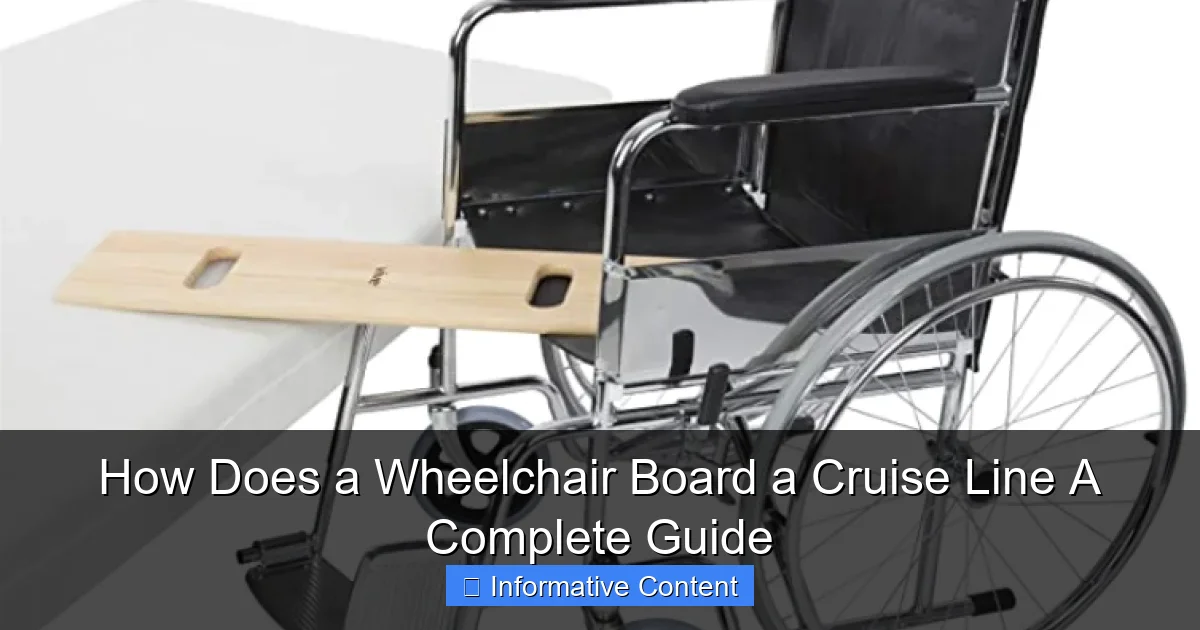
Featured image for how does a wheelchair board a cruise line
Image source: akamaimobility.com
Wheelchair users can board cruise ships seamlessly thanks to mandatory ADA-compliant accessibility features, including ramps, elevators, and accessible gangways. Cruise lines require advance notice to coordinate assistance, so contacting the cruise line and port agent at least 48 hours before departure ensures a smooth, stress-free embarkation process. From priority check-in to crew-assisted boarding, modern cruise terminals are equipped to accommodate mobility devices of all types.
Key Takeaways
- Notify the cruise line early: Ensure accessibility needs are documented during booking.
- Request accessible boarding: Schedule priority embarkation for smoother access.
- Verify port accessibility: Confirm wheelchair-friendly pathways at each port.
- Bring medical documentation: Carry prescriptions and equipment details onboard.
- Use onboard mobility aids: Reserve wheelchairs or scooters in advance.
- Review cabin accessibility: Confirm door width and bathroom features pre-cruise.
📑 Table of Contents
- How Does a Wheelchair Board a Cruise Line A Complete Guide
- Pre-Cruise Planning: Setting the Foundation for a Smooth Boarding
- Arrival at the Cruise Terminal: What to Expect
- Onboard Accessibility: Navigating the Ship
- Shore Excursions and Port Access
- Common Challenges and How to Overcome Them
- Final Tips and Encouragement: You’ve Got This
How Does a Wheelchair Board a Cruise Line A Complete Guide
Imagine the sun setting over the ocean, a gentle breeze brushing your face, and the sound of waves lulling you into a state of calm. For many, a cruise is a dream vacation. But if you use a wheelchair, you might wonder: How does a wheelchair board a cruise line? It’s a fair question. After all, cruise ships are massive, complex floating cities, and navigating them in a wheelchair can feel intimidating at first.
The good news? Modern cruise lines have made incredible strides in accessibility. From specialized boarding procedures to wheelchair-friendly cabins and activities, most major cruise companies now prioritize inclusive travel. But it’s not always a seamless experience. There are details to plan, questions to ask, and steps to take—both before and during your trip. This guide walks you through every stage of boarding a cruise ship in a wheelchair, from booking to disembarking. Whether you’re a first-time cruiser or a seasoned traveler, you’ll find practical tips, real-life examples, and insider advice to make your journey smooth, safe, and stress-free.
Pre-Cruise Planning: Setting the Foundation for a Smooth Boarding
Choose an Accessible Cruise Line
Not all cruise lines are created equal when it comes to accessibility. Some go above and beyond, while others still have room for improvement. Start by researching lines with strong reputations for wheelchair accessibility. Celebrity Cruises, Royal Caribbean, Princess Cruises, and Holland America are consistently rated among the most accessible. These lines offer:
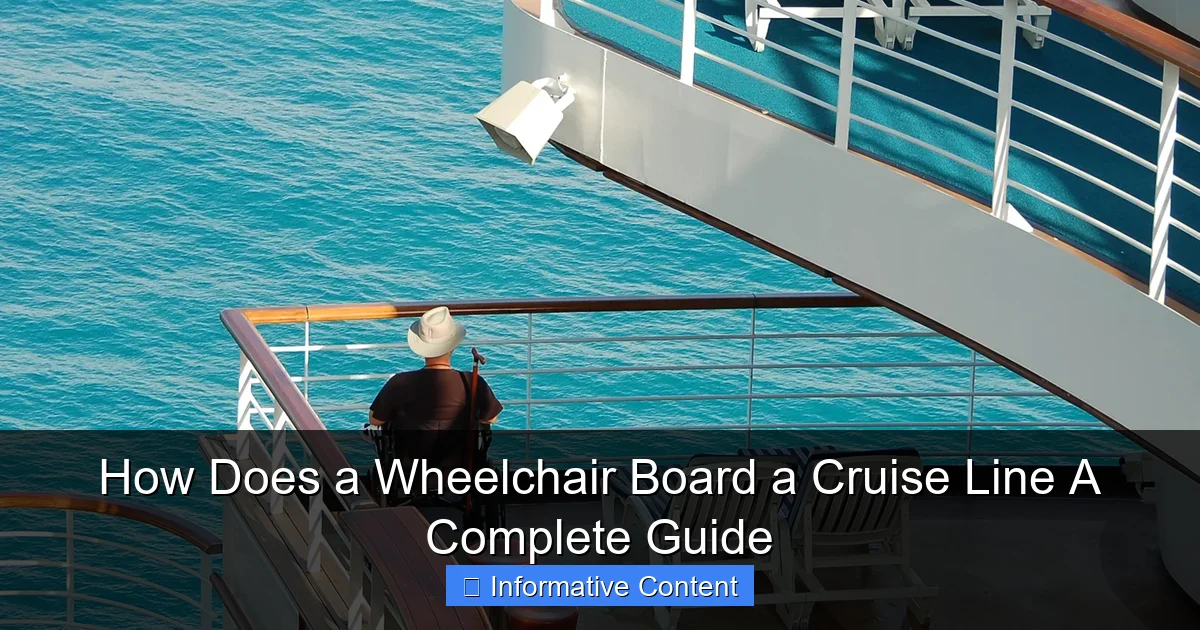
Visual guide about how does a wheelchair board a cruise line
Image source: thepointsguy.global.ssl.fastly.net
- Dedicated accessibility teams
- Wheelchair-accessible staterooms with roll-in showers
- Onboard medical centers with trained staff
- Accessible shore excursions
For example, Royal Caribbean’s “Accessibility Guide” is available online and details everything from cabin dimensions to elevator locations. Celebrity Cruises even offers a “Mobility Accessibility Specialist” to assist during the booking process.
Contact the Cruise Line Early
Don’t wait until the last minute. Call the cruise line’s accessibility department at least 60–90 days before your trip. Ask specific questions like:
- What type of boarding assistance is available?
- Can my wheelchair fit through cabin doorways and bathroom entrances?
- Are there accessible elevators and ramps throughout the ship?
- Do you offer oxygen equipment or power wheelchair charging stations?
One cruiser, Sarah from Oregon, shared: “I called Carnival and was told my electric wheelchair wouldn’t fit in a standard accessible cabin. They helped me switch to a larger suite with wider doorways. That call saved me from a major hassle.”
Book the Right Cabin
Accessible cabins aren’t just “regular rooms with a ramp.” They’re designed with mobility in mind. Look for:
- At least 32-inch-wide doorways
- Roll-in showers with grab bars and fold-down seats
- Lowered countertops and sinks
- Emergency call buttons within reach
- Clear floor space (minimum 5 feet turning radius)
Some cruise lines, like Norwegian Cruise Line, label cabins with “ADA-compliant” or “Mobility Accessible” tags. Always request a floor plan or 360-degree tour if available. And if you use a power wheelchair, confirm whether the cabin has enough outlets and space to charge it overnight.
Prepare Your Wheelchair for Travel
Your wheelchair is your lifeline. Protect it:
- Remove detachable parts (armrests, footrests, cushions) and pack them in a carry-on.
- Take photos of your chair from all angles—this helps with insurance or claims if it’s damaged.
- Bring a basic toolkit (hex keys, tire pump) in case of minor repairs.
- Label your chair with your name, cabin number, and contact info.
One tip from a veteran cruiser: “I bought a waterproof cover for my power chair. It rained during boarding, and my chair stayed dry. Simple, but worth it.”
Arrival at the Cruise Terminal: What to Expect
Arrive Early and Notify Staff
Most cruise lines recommend arriving 2–3 hours before departure. For wheelchair users, arriving early is even more important. It gives you time to:
- Complete check-in without feeling rushed
- Meet the accessibility team
- Ask questions about boarding procedures
When you arrive, head to the “Accessibility Desk” (if available) or look for staff wearing special lanyards or vests indicating they assist disabled guests. They’ll guide you through the process and often fast-track you through security and check-in.
Security and Screening
Security is mandatory, but cruise lines have adapted it for wheelchair users. Here’s what usually happens:
- You’ll be directed to a separate screening lane with more space.
- You can stay in your wheelchair while it’s scanned via a special machine (like a CT scanner).
- Staff will perform a hand wand search if needed—this is quick and respectful.
- Any medical equipment (oxygen tanks, IV poles) will be inspected separately.
Note: Power wheelchairs with lithium batteries are allowed, but you may need to provide battery specifications or a letter from your doctor. Always check the cruise line’s policy in advance.
Boarding the Ship: Ramps, Lifts, and Gangways
This is the moment you’ve been waiting for: boarding the ship. The method depends on the port, weather, and ship size. Here are the most common scenarios:
- Fixed gangway with ramp: The most common. A sturdy, non-slip ramp connects the terminal to the ship. Staff will guide you and may push you if needed.
- Portable wheelchair lift: Used when the gangway is too steep or narrow. The lift is a small platform that raises your chair to deck level. It’s slow but safe.
- Transfer via crew assistance: Rare, but sometimes staff will lift you (with your consent) into a smaller chair that fits the gangway. Always confirm this option in advance.
One cruiser, Mark from Florida, recalled: “In Miami, they used a lift. It took about 10 minutes, but the crew was super patient. They even held an umbrella over my chair while it rained.”
First Impressions: Getting Settled
Once on board, you’ll be directed to:
- A welcome desk for accessibility guests
- Your cabin (with assistance if needed)
- A mandatory safety drill (more on that below)
Crew members will often help you unpack, show you how to operate the cabin’s accessible features, and point out nearby elevators. Don’t hesitate to ask: “Where’s the nearest accessible restroom?” or “How do I call for help?”
Onboard Accessibility: Navigating the Ship
Elevators and Public Spaces
Most modern cruise ships have multiple accessible elevators with:
- Braille and audio floor indicators
- Wide doors (at least 36 inches)
- Handrails and emergency phones
But here’s the catch: Not all elevators stop at every deck. Some are for crew or service use only. Ask the accessibility team for a “wheelchair-friendly elevator map” or download the cruise line’s app (many have interactive deck plans).
Pro tip: Avoid peak times (like lunch or dinner) when elevators get crowded. If you’re in a power chair, consider charging it during off-peak hours to avoid long waits.
Dining and Entertainment
Restaurants, lounges, and theaters are generally accessible, but details matter:
- Tables: Look for ones with space under them (no crossbars). Many cruise lines have “wheelchair-height” tables.
- Buffets: Staff will assist you. Some lines, like Princess, have “accessible serving stations” with lower counters.
- Shows: Request an accessible seat when booking. These are often in the front or back for easy exit.
One cruiser’s story: “In the main dining room, the host saw my chair and immediately moved a table. No fuss, just kindness. That’s the kind of service you want.”
Pool and Spa Access
Swimming pools are a highlight, but access varies:
- Pool lifts: Many ships have hydraulic lifts that lower you into the water. Ask if it’s available and how to use it.
- Zero-entry pools: A gentle slope instead of steps. Found on newer ships like Royal Caribbean’s Symphony class.
- Spa: Some spas have roll-in showers and accessible treatment tables. Call ahead to confirm.
Note: Hot tubs are often not wheelchair-accessible due to high sides. But cruise lines are improving—Carnival now offers “accessible spa packages” with private sessions.
Medical and Emergency Preparedness
Peace of mind is priceless. Know that:
- All major cruise lines have onboard medical centers with staff trained in mobility-related emergencies.
- Emergency alarms have both audio and visual signals (flashing lights).
- Your cabin’s life jacket is stored in an accessible spot—usually under the bed or in a lower closet.
During the safety drill, crew will explain how to evacuate in a wheelchair. In rare emergencies, you’ll be assigned a “buddy” to assist you. Practice this drill with your buddy if possible.
Shore Excursions and Port Access
Choosing Accessible Excursions
Not all ports are wheelchair-friendly. Before booking:
- Check the cruise line’s “Accessible Shore Excursions” list. These are vetted for accessibility.
- Look for terms like “wheelchair-accessible bus,” “ramp,” or “level ground.”
- Read reviews from other disabled travelers (sites like Cruise Critic have dedicated forums).
Example: In St. Thomas, a “snorkeling tour” might sound fun, but coral reefs are often inaccessible. Instead, book a “glass-bottom boat tour” or “accessible beach day.”
Disembarking at Ports
Getting off the ship can be trickier than boarding. Methods include:
- Tender boats: Small boats that ferry passengers to shore. Most are not wheelchair-accessible. If you must use one, staff will help you transfer (but it’s often uncomfortable).
- Accessible tenders: Some lines, like Holland America, have boats with lifts. Request this option in advance.
- Direct dock access: Best case. The ship docks next to a pier, and you roll off via a ramp.
One cruiser’s tip: “In Cozumel, the ship docked right at the pier. No tender needed. I just rolled off and onto the sidewalk. So much easier!”
On-Land Navigation
Once ashore:
- Ask the cruise line for a “port accessibility guide” (many provide PDFs).
- Book a wheelchair-accessible taxi or van (some ports have them; others don’t).
- Carry a portable ramp for curbs or steps (lightweight ones fold to the size of a briefcase).
Pro tip: In European ports, cobblestone streets are common. Use a power chair with all-terrain tires or a manual chair with large, shock-absorbing wheels.
Common Challenges and How to Overcome Them
Long Lines and Crowds
Cruise terminals and onboard areas can get packed. To avoid stress:
- Use the “priority boarding” option (available to all mobility-impaired guests).
- Visit popular spots (like the pool or dining room) during off-peak hours.
- Ask crew to “save” an accessible table or seat if you’re running late.
Power Wheelchair Limitations
Power chairs are great—but not perfect. Watch out for:
- Battery life: Charging stations are limited. Charge overnight and use a battery monitor.
- Weight limits: Some lifts and tenders have weight restrictions (usually 600 lbs max).
- Turning radius: Tight corners in cabins or corridors can be tricky. Practice in your cabin first.
Staff Training Gaps
While most crew are helpful, some may lack training. If someone seems unsure:
- Politely ask to speak with the Accessibility Manager or Guest Services.
- Carry a “disability awareness card” (printable from the cruise line’s website) to explain your needs.
- Don’t hesitate to say: “I need X. Can you help me with that?”
Data Table: Cruise Line Accessibility Comparison
| Cruise Line | Accessible Cabins | Boarding Assistance | Accessible Excursions | Onboard Medical |
|---|---|---|---|---|
| Celebrity Cruises | Yes (32+ inch doors) | Ramps, lifts, crew | 100+ options | 24/7, trained staff |
| Royal Caribbean | Yes (roll-in showers) | Ramps, portable lifts | 50+ options | 24/7, defibrillators |
| Princess Cruises | Yes (ADA-compliant) | Ramps, crew | 75+ options | 24/7, oxygen available |
| Holland America | Yes (lower counters) | Ramps, accessible tenders | 60+ options | 24/7, mobility equipment |
| Carnival | Yes (limited availability) | Ramps, crew | 40+ options | 24/7, basic equipment |
Final Tips and Encouragement: You’ve Got This
Boarding a cruise ship in a wheelchair isn’t always easy. There will be moments of frustration, confusion, or even embarrassment. But here’s the truth: you belong here. Cruise lines are designed for all travelers, and the industry is improving every year.
Remember:
- Start planning early. The more you prepare, the smoother it’ll be.
- Ask questions. Crew members want to help—they just might not know how.
- Pack smart. Bring tools, backups, and a sense of humor.
- Advocate for yourself. If something isn’t working, speak up.
One last story: A friend of mine, who uses a power chair, went on her first cruise last year. She was nervous about boarding. But when she arrived, the crew greeted her by name, helped her onto the lift, and even decorated her cabin with a “Welcome Aboard” sign. “It felt like they were waiting for me,” she said. “Like I was part of the family.”
So, to answer the question: How does a wheelchair board a cruise line? With planning, patience, and a little help from the crew. It’s not always perfect, but it’s absolutely possible. And once you’re on board? You’ll have the time of your life—sipping a cocktail on the deck, watching the sunset, and knowing you conquered the journey. Bon voyage!
Frequently Asked Questions
How does a wheelchair board a cruise line?
Wheelchair users can board a cruise line via accessible ramps, lifts, or gangways designed for mobility devices. Most cruise lines require advance notice to ensure staff and equipment (like transfer chairs) are ready to assist during embarkation.
Do cruise lines provide wheelchairs for boarding?
While most cruise lines don’t rent wheelchairs for onboard use, they offer assistance with boarding and disembarking using crew-operated mobility devices. Guests are encouraged to bring their own wheelchair or mobility scooter for convenience.
What accessibility features help wheelchair users during cruise boarding?
Cruise lines use low-slope ramps, hydraulic lifts, and dedicated accessible pathways for smooth wheelchair boarding. Specialized crew members are trained to assist with transfers and secure mobility devices during embarkation.
How do I request wheelchair assistance when boarding a cruise?
Contact the cruise line’s accessibility department at least 48 hours before departure to arrange wheelchair boarding support. Include details about your mobility device and any transfer needs in the request.
Are there size restrictions for wheelchairs on cruise ships?
Most cruise lines accommodate standard and large wheelchairs, but some lifts or doorways may have width/weight limits. Check the cruise line’s mobility device policy before booking to avoid surprises during boarding.
Can I bring my own wheelchair on a cruise ship?
Yes, you can bring your own wheelchair or mobility scooter—most cruise lines welcome them as carry-on items. Ensure it’s labeled with your stateroom number for easy identification during boarding and disembarking.