Featured image for how do cruise lines fill their unsold cabins
Image source: voyagerinfo.com
Cruise lines use dynamic pricing and last-minute deals to fill unsold cabins, slashing prices days before departure to maximize occupancy. They also partner with travel agents, offer free upgrades, and promote repositioning cruises or themed voyages to attract bargain-seeking travelers. Insider tip: Booking within 60 days of sailing often scores the biggest discounts.
Key Takeaways
- Dynamic pricing adjusts rates in real-time to boost last-minute bookings.
- Exclusive deals target past guests and loyalty members first.
- Upgrade incentives entice travelers to book higher-tier cabins.
- Group discounts fill cabins faster through corporate or social groups.
- Repositioning cruises offer deep discounts to attract flexible travelers.
- Partnerships with travel agents and airlines help fill unsold inventory.
📑 Table of Contents
- How Do Cruise Lines Fill Their Unsold Cabins Secrets Revealed
- 1. Dynamic Pricing: The Art of Adjusting Prices in Real-Time
- 2. Last-Minute Deals and Flash Sales: Creating Urgency
- 3. Partnerships with Travel Agencies and Wholesalers
- 4. Loyalty Programs and Repeat Guest Incentives
- 5. Creative Marketing and Niche Targeting
- 6. Data Table: Cruise Line Strategies at a Glance
- Conclusion: The Hidden Machinery Behind Full Cruise Ships
How Do Cruise Lines Fill Their Unsold Cabins Secrets Revealed
Imagine standing on the deck of a luxurious cruise ship, the ocean breeze in your hair, a cocktail in hand, and the promise of adventure on the horizon. Now imagine that same ship, half-empty, with dozens of unsold cabins sitting idle. For cruise lines, this is a nightmare scenario—one they go to great lengths to avoid. Unsold cabins mean lost revenue, wasted resources, and a dent in the carefully crafted image of a full, vibrant ship. But how do these massive floating resorts ensure their cabins are filled, even at the last minute?
The answer lies in a complex, multi-layered strategy that blends marketing genius, data analytics, and a touch of psychology. Cruise lines don’t just rely on last-minute discounts or desperate promotions. They employ a mix of tactics, from partnerships with travel agents to dynamic pricing algorithms, to fill every last cabin. Whether you’re a savvy traveler looking for a bargain or a curious industry observer, understanding these strategies can help you book smarter—and maybe even uncover the secrets behind the cruise industry’s success.
1. Dynamic Pricing: The Art of Adjusting Prices in Real-Time
Dynamic pricing is one of the most powerful tools cruise lines use to fill unsold cabins. Unlike traditional retail, where prices remain static, cruise lines adjust fares based on demand, booking trends, and even external factors like weather or geopolitical events. This strategy ensures that cabins are sold at the highest possible price while still filling the ship.
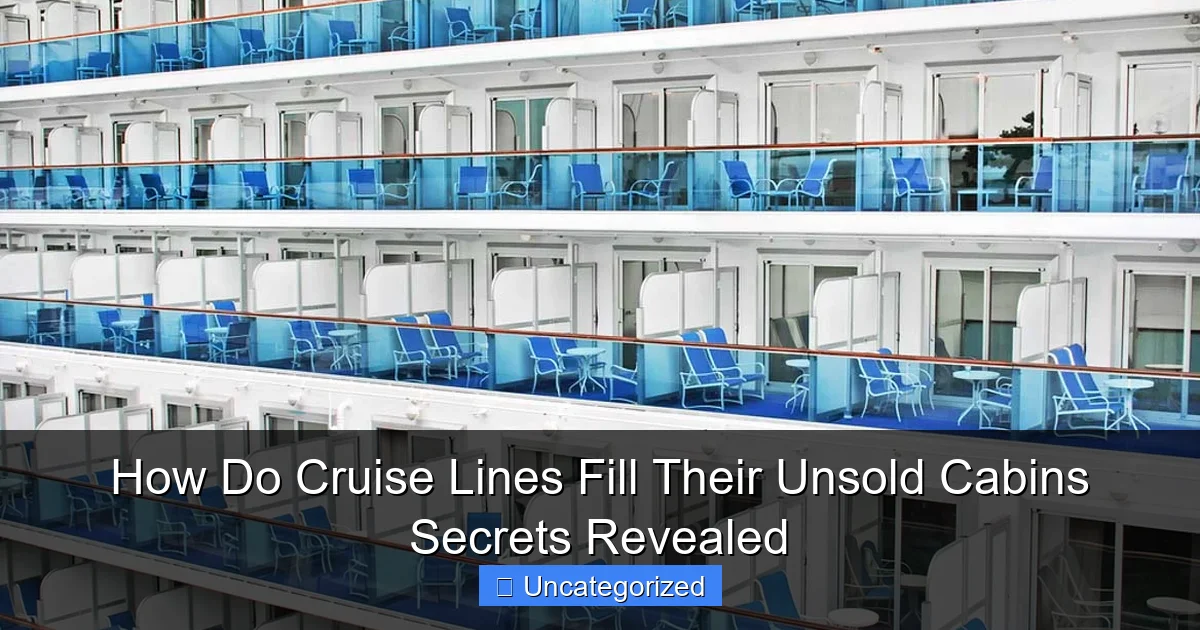
Visual guide about how do cruise lines fill their unsold cabins
Image source: cruisedeals.expert
How Dynamic Pricing Works
- Demand-Based Adjustments: As a sail date approaches, prices drop if bookings are slow. Conversely, if a cruise is selling out fast, prices may rise to capitalize on demand.
- Segmentation: Cruise lines segment customers based on booking history, loyalty status, and demographics. For example, a first-time cruiser might get a different offer than a repeat guest.
- Real-Time Analytics: Advanced algorithms analyze booking patterns, competitor pricing, and even social media trends to adjust prices daily or hourly.
Real-World Example: Carnival’s “Early Saver” Program
Carnival Cruise Line’s “Early Saver” program locks in low prices for early bookers but offers last-minute discounts if cabins remain unsold. This dual approach encourages early commitment while leaving room for flexibility as the sail date nears.
Tip for Travelers:
Monitor prices closely in the weeks leading up to your desired cruise. Use tools like CruiseSheet or VacationsToGo to track price drops and snag a deal.
2. Last-Minute Deals and Flash Sales: Creating Urgency
When cabins remain unsold as the sail date approaches, cruise lines turn to last-minute deals and flash sales. These tactics create a sense of urgency, encouraging travelers to book on the spot before the opportunity disappears.
Types of Last-Minute Offers
- Flash Sales: Limited-time discounts (e.g., 24-48 hours) advertised via email, social media, or the cruise line’s website.
- Standby Cruises: Discounted rates for passengers willing to wait until the last minute to confirm their cabin assignment.
- Open-Door Sales: Unsold cabins sold at a steep discount, often with minimal amenities (e.g., no balcony).
Example: Royal Caribbean’s “Last-Minute Getaways”
Royal Caribbean’s website features a dedicated section for last-minute deals, often slashing prices by 30-50% just weeks before departure. These deals are heavily promoted to attract spontaneous travelers.
Tip for Travelers:
Sign up for cruise line newsletters and follow them on social media to catch flash sales. Be flexible with dates and destinations to maximize your chances of scoring a deal.
3. Partnerships with Travel Agencies and Wholesalers
Cruise lines don’t rely solely on direct bookings. They partner with travel agencies, online travel agencies (OTAs), and wholesalers to distribute unsold inventory at discounted rates.
How These Partnerships Work
- Bulk Sales: Cruise lines sell blocks of cabins to wholesalers at a fixed price, who then resell them through agencies or OTAs.
- Exclusive Deals: Agencies negotiate special rates or perks (e.g., onboard credit) to incentivize bookings.
- Error Fares: Occasionally, agencies or OTAs list incorrect prices, creating “error fares” that can be snapped up for pennies on the dollar.
Example: Costco Travel’s Cruise Packages
Costco Travel partners with major cruise lines to offer exclusive packages, including discounts, free upgrades, and additional amenities. These deals are often cheaper than booking directly through the cruise line.
Tip for Travelers:
Compare prices across agencies and OTAs like Expedia, Travelocity, and Costco Travel. Don’t forget to check for hidden perks like onboard credit or free excursions.
4. Loyalty Programs and Repeat Guest Incentives
Cruise lines invest heavily in loyalty programs to retain repeat guests. These programs not only encourage repeat bookings but also help fill unsold cabins by offering exclusive deals to loyal customers.
Loyalty Program Benefits
- Discounts: Tiered pricing for repeat guests (e.g., 10% off after 5 cruises).
- Priority Access: Early booking options for popular sailings.
- Free or Reduced-Fare Cruises: Points-based rewards for frequent cruisers.
Example: Norwegian Cruise Line’s Latitudes Rewards
NCL’s Latitudes Rewards program offers free cruises, cabin upgrades, and onboard perks for members. The program also sends targeted emails with last-minute deals to fill unsold cabins.
Tip for Travelers:
Join cruise line loyalty programs early and book multiple cruises to unlock higher-tier benefits. Even if you’re not a frequent cruiser, sign up—you’ll get access to exclusive deals.
5. Creative Marketing and Niche Targeting
Cruise lines use creative marketing to attract niche audiences, from solo travelers to retirees. By tailoring promotions to specific demographics, they can fill cabins that might otherwise go unsold.
Niche Targeting Strategies
- Solo Travelers: Waived single supplements or dedicated solo lounges (e.g., Norwegian’s “Studio Cabins”).
- Group Cruises: Discounts for large groups (e.g., family reunions, corporate retreats).
- Themed Cruises: Specialty cruises for hobbies like cooking, music, or wellness.
Example: Virgin Voyages’ “Adults-Only” Cruises
Virgin Voyages targets millennials and Gen Z with its adults-only, no-tipping policy and trendy onboard experiences. This niche focus helps fill cabins that might appeal less to traditional cruisers.
Tip for Travelers:
If you’re part of a niche group (e.g., solo traveler, foodie, or retiree), look for cruise lines that cater to your interests. You’ll likely find better deals and more tailored experiences.
6. Data Table: Cruise Line Strategies at a Glance
| Strategy | Description | Example |
|---|---|---|
| Dynamic Pricing | Adjusts prices based on demand and booking trends | Carnival’s “Early Saver” program |
| Last-Minute Deals | Flash sales and standby cruises | Royal Caribbean’s “Last-Minute Getaways” |
| Travel Agency Partnerships | Bulk sales and exclusive discounts | Costco Travel’s cruise packages |
| Loyalty Programs | Rewards for repeat guests | NCL’s Latitudes Rewards |
| Niche Targeting | Tailored promotions for specific demographics | Virgin Voyages’ adults-only cruises |
Conclusion: The Hidden Machinery Behind Full Cruise Ships
Filling unsold cabins is a high-stakes game for cruise lines, and their success hinges on a blend of technology, psychology, and strategic partnerships. From dynamic pricing algorithms to niche marketing campaigns, these strategies ensure that ships sail full, revenue is maximized, and passengers enjoy unforgettable experiences. For travelers, understanding these tactics can unlock incredible deals—whether you’re a last-minute planner or a meticulous budgeter.
The next time you book a cruise, remember: behind that “limited-time offer” or “exclusive deal” is a finely tuned system designed to fill every cabin. Use this knowledge to your advantage, and you might just find yourself on the deck of a luxury liner, sipping a cocktail, and wondering how you got such a great deal. The secrets are out—now it’s your turn to sail away.
Frequently Asked Questions
How do cruise lines fill their unsold cabins at the last minute?
Cruise lines often slash prices through last-minute deals, flash sales, or partnerships with travel agents to fill unsold cabins. They may also offer free upgrades or onboard credits to attract bookings within weeks of departure.
What happens to unsold cruise cabins if they don’t fill them?
Unsold cabins are either heavily discounted, offered as complimentary upgrades to loyalty members, or given to crew. Some lines donate them to charities or use them for marketing giveaways to minimize revenue loss.
Can you get a cheap cruise by waiting for unsold cabins?
Yes! Booking last-minute deals is one of the best ways to score discounted cabins. Cruise lines prioritize filling ships over maximizing profit per cabin, so you’ll often find steep markdowns days before sailing.
Do cruise lines secretly fill unsold cabins with influencers?
Some do! Lines partner with travel influencers, bloggers, or media to showcase the ship experience in exchange for free or discounted stays. This strategy helps market the cruise while filling empty berths.
Why don’t cruise lines just lower prices earlier to avoid empty cabins?
They balance early-bird pricing (to attract budget-conscious travelers) with last-minute discounts. Dropping prices too soon could devalue the cruise or anger early bookers who paid full price.
Are unsold cabins given to travel agents to help fill cruise ships?
Absolutely. Travel agents receive bulk allocations or exclusive discounts to sell unsold cabins. They’re incentivized to move inventory fast, often passing savings to customers as part of package deals.