Featured image for how do cruise lines check for alcohol
Image source: i.ytimg.com
Cruise lines use a combination of technology, trained staff, and strict policies to detect and prevent unauthorized alcohol during embarkation and onboard. X-ray scanners, K-9 units, and manual bag checks are standard at security checkpoints, while facial recognition and purchase tracking help monitor consumption—ensuring compliance with age and quantity rules. These multi-layered measures keep passengers safe and maintain a responsible drinking environment.
Key Takeaways
- Inspections are routine: Luggage and carry-ons are scanned for alcohol before boarding.
- Sealed purchases allowed: Buy alcohol in ports but declare it to avoid confiscation.
- Smart packing helps: Use original packaging to prove duty-free compliance.
- Smartphone scans used: Some lines scan barcodes to verify alcohol authenticity.
- Age checks are strict: ID verification is mandatory at bars and onboard events.
- Smuggling risks penalties: Violations lead to fines, bans, or disembarkation.
📑 Table of Contents
- How Do Cruise Lines Check for Alcohol: A Complete Guide
- 1. Pre-Boarding Alcohol Policies and Passenger Agreements
- 2. Embarkation Day: The Gangway Screening Process
- 3. Onboard Alcohol Monitoring and Enforcement
- 4. Port Stops and Duty-Free Alcohol Rules
- 5. Consequences of Violating Alcohol Policies
- 6. Smart Strategies for Enjoying Alcohol on a Cruise
- Conclusion
How Do Cruise Lines Check for Alcohol: A Complete Guide
Picture this: You’ve spent months saving for your dream cruise vacation, packed your bags with excitement, and boarded the ship ready to relax. But as you head to your stateroom with a bottle of wine you brought from home, you’re stopped at the gangway and asked to surrender it. What just happened? Welcome to the world of cruise alcohol policies—a complex web of rules designed to keep passengers safe, maintain onboard revenue, and comply with international maritime law.
Cruise lines take alcohol enforcement seriously, and their methods of checking for and managing alcohol have become increasingly sophisticated. From high-tech scanners to well-trained staff, these companies employ multiple layers of security to prevent unauthorized alcohol from being smuggled onboard. Whether you’re a first-time cruiser or a seasoned traveler, understanding how cruise lines detect and handle alcohol can save you from unexpected confiscations, fines, or even being denied boarding. This guide will walk you through every aspect of how cruise lines check for alcohol, what you need to know before packing, and how to navigate these policies like a pro.
1. Pre-Boarding Alcohol Policies and Passenger Agreements
Understanding the Cruise Line’s Official Alcohol Policy
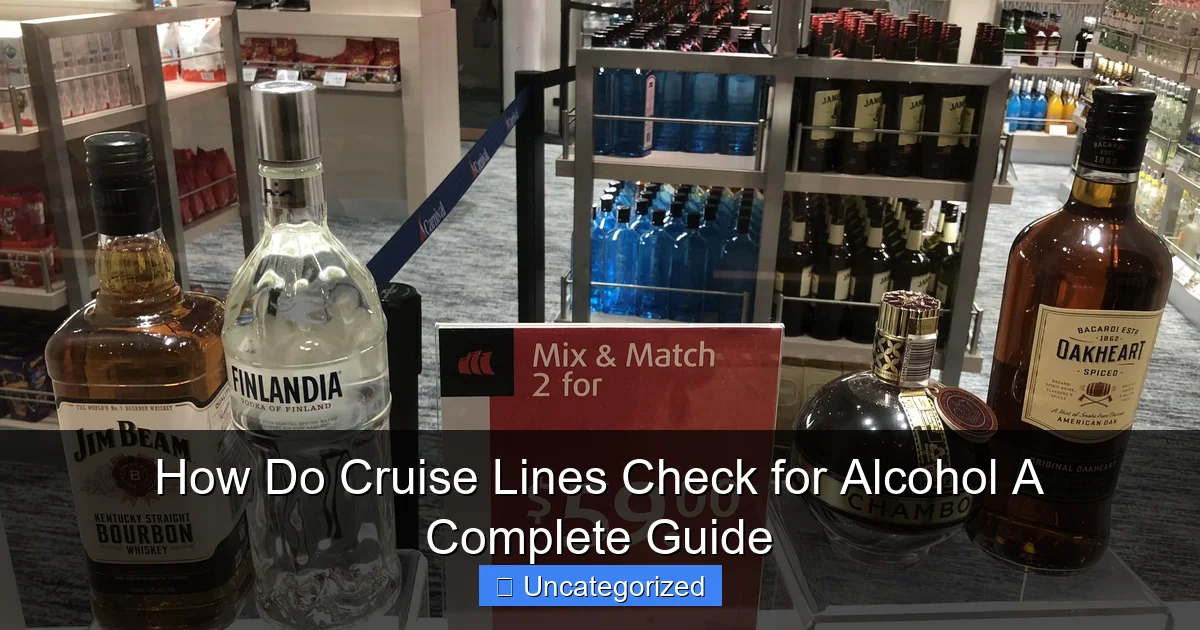
Every major cruise line has a clearly defined alcohol policy that passengers agree to when they book their trip. These policies vary slightly between companies but generally follow similar guidelines. For example, Carnival Cruise Line allows each passenger (21+) to bring one bottle of wine or champagne (750ml) on board during embarkation, but all other alcohol is prohibited. Royal Caribbean permits one bottle of wine or champagne per person at embarkation but confiscates beer and spirits. Norwegian Cruise Line (NCL) has a more restrictive policy—no alcohol is allowed to be brought on board at embarkation, though passengers can purchase duty-free alcohol during the cruise and have it delivered to their room at the end of the trip.
Visual guide about how do cruise lines check for alcohol
Image source: i.pinimg.com
These policies are not arbitrary. Cruise lines rely heavily on onboard alcohol sales for revenue, especially from specialty bars, wine tastings, and cocktail packages. According to a 2022 Cruise Market Watch report, beverage sales accounted for approximately 12–15% of total onboard revenue across major cruise lines. By restricting personal alcohol, cruise lines ensure that passengers purchase drinks onboard, supporting their business model.
Passenger Contracts and Legal Agreements
When you book a cruise, you sign a contract that includes the alcohol policy. This agreement is legally binding and is enforced through the cruise line’s terms and conditions. For instance, Royal Caribbean’s contract states: “Guests are not permitted to bring beer, spirits, or hard alcohol onboard for consumption or any other use.” Violating this agreement can result in penalties, including the confiscation of alcohol, fines, or even removal from the ship.
It’s crucial to read your cruise line’s policy before packing. Many travelers assume they can bring a few beers or a bottle of rum in their luggage, only to be surprised at the gangway. To avoid this, visit the cruise line’s official website and search for “alcohol policy” or “what to pack.” Most lines provide a downloadable PDF or webpage outlining exactly what is and isn’t allowed.
Tips for Compliance Before You Pack
- Check the policy for each cruise line: Don’t assume policies are the same across brands. For example, Princess Cruises allows one bottle of wine or champagne per person at embarkation, but Disney Cruise Line prohibits all alcohol at embarkation.
- Note the cruise itinerary: If your cruise includes a stop at a port where you plan to purchase alcohol (e.g., Jamaica or Mexico), check whether you can bring it back onboard. Most lines allow duty-free alcohol purchased during the cruise to be stored in a locker until the end of the trip.
- Label your wine bottle: If your line allows wine, ensure it’s in its original, unopened container with a receipt if possible. Some lines require the bottle to be sealed and in a clear bag.
- Consider the cruise length: A 3-day cruise may have stricter enforcement than a 10-day cruise, as shorter trips are more likely to involve alcohol-related incidents.
2. Embarkation Day: The Gangway Screening Process
Security Screening and Baggage Scanning
On embarkation day, every passenger and their luggage go through a multi-layered security check, similar to airport screening. This is where cruise lines begin their alcohol detection process. Baggage is run through X-ray scanners that can identify liquids, glass, and metal containers. Security officers are trained to spot suspicious shapes, such as beer cans disguised as shampoo bottles or liquor in hollowed-out books.
For example, a passenger once tried to smuggle in a 12-pack of beer by wrapping it in clothing and placing it in a carry-on. The X-ray revealed the distinct shape of aluminum cans, and the alcohol was immediately confiscated. Another common trick—using empty water bottles to carry liquor—is easily detected because the liquid density differs from water, and the bottles often lack the proper labeling.
Manual Bag Checks and K-9 Units
If the scanner flags a bag, it’s pulled aside for a manual inspection. Security personnel may open luggage, feel for unusual items, and use alcohol detection wands—electronic devices that sense ethanol vapors. Some cruise lines, especially larger ones like Carnival and Royal Caribbean, employ K-9 units trained to sniff out alcohol. These dogs are highly effective and can detect even small amounts of alcohol hidden in clothing or sealed containers.
One cruise passenger shared a story on a travel forum: “I put a mini-bottle of rum in my toiletry bag, thinking it wouldn’t be noticed. The dog sniffed it out in seconds, and the security officer gave me a stern warning.” This highlights how seriously cruise lines take enforcement—even small infractions are caught.
Passenger Interviews and Behavioral Cues
In addition to physical checks, security staff are trained to observe passenger behavior. Signs of nervousness, evasive answers, or inconsistent stories about luggage contents can trigger a closer inspection. For instance, if you claim your bag contains only clothes but it’s unusually heavy, staff may ask to see the contents.
Pro tip: If you’re carrying a legal amount of wine, declare it upfront. Most cruise lines require you to hand over your wine at the gangway, where it will be tagged and delivered to your stateroom. Being transparent avoids suspicion and speeds up the boarding process.
3. Onboard Alcohol Monitoring and Enforcement
Room Inspections and Steward Checks
Even after boarding, cruise lines continue to monitor alcohol. Room stewards are instructed to report any unauthorized alcohol they find during daily cleaning. This includes empty bottles, open containers, or suspicious packaging. For example, a passenger who brought a bottle of tequila in a suitcase might leave it open, only for the steward to discover it during turndown service.
Some cruise lines use random room inspections as a deterrent. While not as common as in the past, lines like Norwegian Cruise Line have been known to conduct surprise checks, especially on longer voyages or after reports of underage drinking. These inspections are typically brief but serve as a reminder that the rules are enforced.
Surveillance and Security Patrols
Cruise ships are equipped with hundreds of surveillance cameras covering public areas, hallways, and key entry points. Security personnel monitor these feeds in real-time and can track suspicious activity. If a passenger is seen carrying a beer can from their room to the pool deck, security may intervene.
Additionally, roving security teams patrol high-risk areas like pool decks, nightclubs, and late-night bars. They are trained to identify signs of intoxication, underage drinking, and attempts to sneak alcohol into restricted zones. For example, a group of friends trying to bring a bottle of vodka into a family-friendly lounge would be stopped and questioned.
Alcohol Detection Technology
Modern cruise lines are investing in advanced technology to detect alcohol. Some ships use smart lockers with weight sensors and vapor detectors to monitor duty-free alcohol stored onboard. If a locker is tampered with or opened early, an alert is sent to security.
Another innovation is biometric ID systems linked to alcohol purchases. For instance, Royal Caribbean’s “Waves” system uses facial recognition to verify a passenger’s age and drinking history before serving alcohol. If someone tries to use a fake ID or purchase drinks for minors, the system flags the transaction.
4. Port Stops and Duty-Free Alcohol Rules
Buying Alcohol in Port: What’s Allowed?
One of the most confusing aspects of cruise alcohol policies is what happens when you buy alcohol during a port stop. Most cruise lines allow passengers to purchase duty-free alcohol at international ports, but there are strict rules about when and how you can consume it.
For example, if you buy a bottle of rum in Cozumel, Mexico, you must present it to cruise security upon reboarding. The bottle will be tagged, stored in a secure locker, and delivered to your stateroom on the last day of the cruise. This policy prevents passengers from drinking the alcohol immediately, which could lead to overconsumption or safety issues.
Common Pitfalls and How to Avoid Them
- Forgetting to declare purchases: If you buy alcohol in port, you must declare it at the gangway. Failing to do so is considered smuggling and can result in penalties.
- Opening the bottle early: Even if you’re tempted to sneak a drink, opening a duty-free bottle before the designated time violates the policy. Security may inspect your room or monitor your behavior.
- Buying alcohol at U.S. ports: If your cruise stops at a U.S. port (e.g., Miami or Seattle), you cannot purchase alcohol for consumption onboard due to U.S. customs regulations. The alcohol must be declared and may be subject to taxes.
Example: A couple on a 7-day Caribbean cruise bought two bottles of rum in St. Thomas. They declared the bottles at reboarding, and the cruise staff stored them. On the final day, the bottles were delivered to their room with a note explaining the policy. They enjoyed the rum during their last night onboard without any issues.
Special Cases: Medical and Religious Exceptions
In rare cases, cruise lines may make exceptions for medical or religious reasons. For instance, a passenger with a medical condition that requires a specific alcoholic beverage (e.g., a rare medicinal wine) can request permission in advance. Similarly, Jewish passengers may request kosher wine for religious ceremonies. These requests must be submitted at least 30 days before the cruise and require documentation.
5. Consequences of Violating Alcohol Policies
Confiscation and Fines
The most common consequence of violating alcohol policies is confiscation. Unauthorized alcohol is typically stored in a secure area and not returned to the passenger. In some cases, cruise lines may charge a storage fee (e.g., $10–$20 per bottle) or a repackaging fee if the alcohol is returned at the end of the cruise.
Fines are less common but can occur for repeat offenses or serious violations. For example, a passenger caught smuggling multiple bottles of hard liquor might be fined $100–$500, depending on the cruise line.
Denial of Boarding and Removal from Ship
In extreme cases, cruise lines may deny boarding or remove a passenger from the ship. This usually happens if a passenger is intoxicated at embarkation, attempts to smuggle a large quantity of alcohol, or engages in disruptive behavior. According to Cruise Critic, several passengers have been removed from ships for trying to bring in cases of beer or hard liquor.
Real-life example: In 2021, a passenger on a Carnival cruise was removed from the ship in Nassau after security found 18 bottles of rum in his luggage. The cruise line cited a violation of their alcohol policy and safety concerns as the reason for removal.
Legal and Safety Implications
Beyond cruise line penalties, there are legal implications. Smuggling alcohol into a country (e.g., bringing rum from Jamaica into the U.S.) can result in fines or criminal charges under customs laws. Additionally, cruise lines have a duty to ensure passenger safety. Excessive drinking can lead to accidents, fights, or medical emergencies, which is why strict policies are in place.
6. Smart Strategies for Enjoying Alcohol on a Cruise
Work Within the System
Instead of trying to bypass alcohol policies, work within them. If your cruise line allows wine at embarkation, bring a high-quality bottle to enjoy in your room or at dinner. Many lines offer wine pairing dinners or wine tastings where you can sample premium options without breaking the rules.
Consider purchasing a beverage package if you plan to drink frequently. While these packages can be expensive (typically $50–$80 per day), they often include unlimited drinks, including premium cocktails, wine, and beer. For heavy drinkers, the package may save money compared to paying per drink.
Use Port Stops Wisely
Plan your alcohol purchases around port stops. Buy duty-free alcohol in countries with lower prices (e.g., rum in the Caribbean, wine in Italy), and enjoy it on the final day of the cruise. You can also use port stops to stock up on mixers (e.g., soda, juice) to make drinks in your room.
Stay Informed and Flexible
Alcohol policies can change, especially due to health concerns (e.g., during the pandemic) or new regulations. Stay updated by checking the cruise line’s website before your trip and reviewing any emails or app notifications. If you’re unsure about a specific item, call the cruise line’s customer service—it’s better to ask than to risk confiscation.
| Cruise Line | Wine at Embarkation | Beer/Spirits at Embarkation | Duty-Free Alcohol | Storage Fee |
|---|---|---|---|---|
| Carnival | 1 bottle (750ml) per person | Prohibited | Allowed, stored until end | $15 per bottle |
| Royal Caribbean | 1 bottle (750ml) per person | Prohibited | Allowed, stored until end | No fee |
| Norwegian Cruise Line | Prohibited | Prohibited | Allowed, stored until end | $15 per bottle |
| Princess Cruises | 1 bottle (750ml) per person | Prohibited | Allowed, stored until end | No fee |
| Disney Cruise Line | Prohibited | Prohibited | Allowed, stored until end | $25 per bottle |
Conclusion
Understanding how cruise lines check for alcohol is essential for a smooth and enjoyable vacation. From the moment you arrive at the terminal to the final day of your cruise, these companies employ a combination of technology, trained staff, and strict policies to enforce alcohol rules. While it may seem restrictive, these measures are in place to ensure passenger safety, maintain onboard revenue, and comply with international laws.
By familiarizing yourself with your cruise line’s alcohol policy, declaring purchases properly, and working within the system, you can enjoy your favorite drinks without the stress of confiscation or penalties. Whether you’re sipping a cocktail by the pool, enjoying a wine pairing at dinner, or celebrating with a bottle of duty-free rum on your final night, a little preparation goes a long way. So pack smart, stay informed, and cheers to a fantastic cruise experience—responsibly and within the rules.
Frequently Asked Questions
How do cruise lines check for alcohol when boarding?
Cruise lines use x-ray scanners and manual bag checks at embarkation to detect alcohol. Security personnel may open containers or confiscate bottles that violate the cruise’s alcohol policy.
Can cruise lines detect hidden alcohol in my luggage?
Yes, advanced screening technology and trained staff make it difficult to smuggle alcohol onboard. Cruise lines check for alcohol by inspecting luggage thoroughly, including using handheld detectors and K-9 units on some ships.
Do cruise lines check for alcohol in my carry-on or personal items?
Absolutely. Cruise lines check for alcohol in carry-ons, purses, and even duty-free shopping bags during boarding. Random secondary screenings may also occur to enforce alcohol policies.
How do cruise lines enforce alcohol limits after the initial check?
Some ships use RFID wristbands to track onboard purchases, while others rely on ID checks at bars and dining areas. Crew members are trained to identify intoxicated passengers or unauthorized alcohol.
Can I bring alcohol on a cruise if it’s sealed in original packaging?
Most cruise lines prohibit sealed alcohol in checked or carry-on luggage, but policies vary. Always review your cruise line’s rules—some allow it only on embarkation day or for specific itineraries.
What happens if a cruise line catches me with undeclared alcohol?
Confiscation is standard, and repeat offenders may face fines or disembarkation. Cruise lines check for alcohol strictly to maintain safety, so it’s best to comply with their policies.