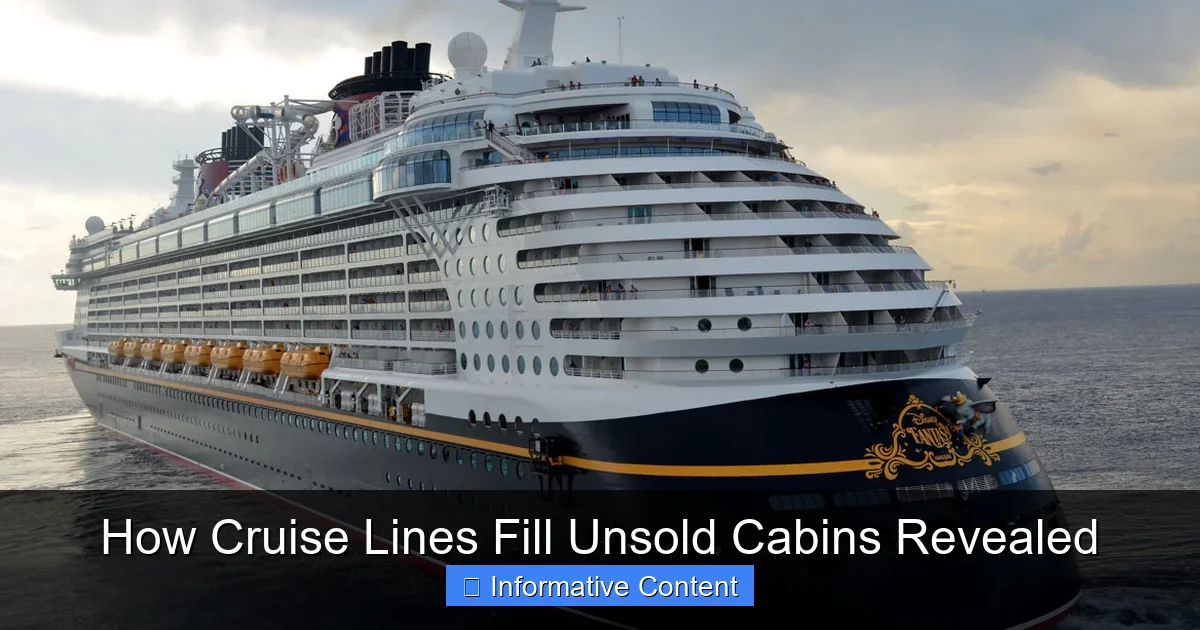
Featured image for how cruise lines fill those unsold cabins
Image source: cruisedeals.expert
Cruise lines use dynamic pricing and last-minute discounts to fill unsold cabins, slashing rates as departure dates approach. They partner with travel agents, offer free upgrades, and promote “mystery deals” to attract spontaneous bookings without devaluing their brand. Exclusive perks like onboard credits or free excursions further entice travelers to snag unsold staterooms at bargain rates.
Key Takeaways
- Dynamic pricing slashes cabin rates as departure nears to attract last-minute bookings.
- Upgrade auctions let passengers bid on unsold premium cabins for extra revenue.
- Loyalty perks fill empty cabins with free or discounted upgrades for repeat guests.
- Travel agents receive exclusive deals to sell unsold inventory through niche markets.
- Group discounts incentivize bulk bookings from corporate or event planners to fill cabins.
- Crew incentives reward staff for selling unused cabins via internal promotions.
📑 Table of Contents
- The Hidden World of Cruise Cabins: How Lines Turn Empty Berths Into Bookings
- 1. Dynamic Pricing: The Algorithm That Never Sleeps
- 2. Repositioning Cruises: The Secret to Ultra-Low Fares
- 3. Travel Agents and Wholesalers: The Invisible Sales Force
- 4. Last-Minute and “Flash” Sales: The 48-Hour Deals
- 5. Loyalty Programs and Past Passenger Discounts
- 6. The Data Behind the Deals: What Numbers Reveal
- Conclusion: Your Game Plan for Scoring the Best Deals
The Hidden World of Cruise Cabins: How Lines Turn Empty Berths Into Bookings
Picture this: You’re scrolling through your favorite cruise line’s website at 2 a.m., half-asleep but fully excited about the idea of a last-minute getaway. You click on a Caribbean voyage leaving in three days and gasp at the price — $399 for a balcony cabin. That’s half what you paid last summer for the same itinerary. How is this possible? And more importantly, how do cruise lines manage to fill those cabins that seem destined to sail empty?
As someone who’s worked in travel for over a decade and booked countless cruises (for myself and others), I’ve seen firsthand the behind-the-scenes strategies cruise lines use to avoid the financial nightmare of empty cabins. It’s not magic. It’s a mix of smart marketing, clever pricing, and a few tricks you probably didn’t know existed. In this post, we’ll pull back the curtain and reveal the real methods cruise lines use to turn those “unsold” berths into revenue — and how you can use these insights to score amazing deals.
1. Dynamic Pricing: The Algorithm That Never Sleeps
You’ve probably noticed that cruise prices change almost daily. One day a cabin is $1,200; the next, it’s $899. This isn’t random. It’s dynamic pricing — a system that adjusts prices in real-time based on supply and demand, booking patterns, and even external factors like weather or local events.
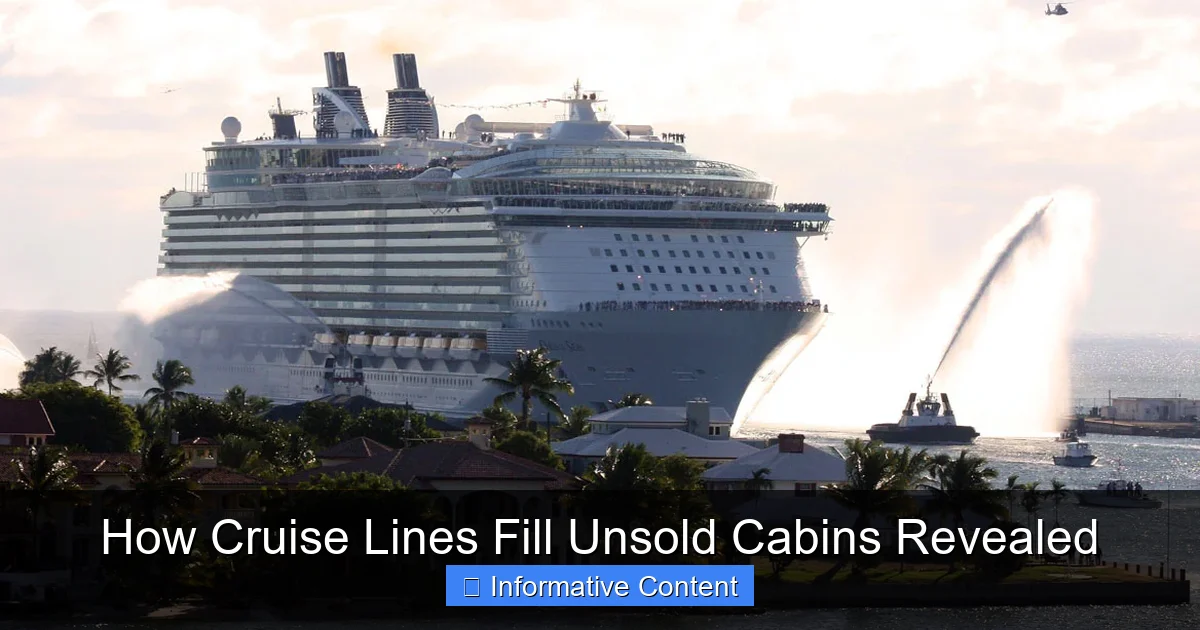
Visual guide about how cruise lines fill those unsold cabins
Image source: cruisedeals.expert
How Dynamic Pricing Works
Think of cruise pricing like airline tickets. The earlier you book, the better the rate — usually. But as the departure date nears, the algorithms kick in. If a ship is only 60% full two months out, the system starts lowering prices to attract more bookings. The goal? To get closer to 100% occupancy, which is critical for profitability.
- Early bird discounts: Incentives for booking 6–12 months ahead.
- Mid-season dips: Prices drop during “shoulder” seasons (e.g., late spring or early fall).
- Last-minute fire sales: As the departure date approaches, prices can plummet — sometimes by 50% or more.
For example, Royal Caribbean’s “Cruise Planner” tool uses machine learning to predict demand and adjust prices hourly. If a particular cabin category (say, oceanview) is selling slowly, the system automatically reduces the price and promotes it on the website and through email campaigns.
Real-World Example: The 7-Day Caribbean Fire Sale
In 2022, a Carnival cruise from Miami to the Eastern Caribbean was sitting at just 68% capacity 45 days before departure. The line slashed balcony cabin prices from $1,100 to $599 and launched a targeted email campaign to past cruisers. Within two weeks, occupancy jumped to 92%. The lesson? Wait too long, and you might miss the sweet spot — but wait just right, and you could save hundreds.
Pro Tip: Set Price Alerts
Use tools like CruiseSheet, Cruise Critic’s Price Watch, or even Google Flights (which now includes cruise data) to set up price alerts. When prices drop, you’ll get an email. This way, you’re not constantly checking — the deals come to you.
2. Repositioning Cruises: The Secret to Ultra-Low Fares
Have you ever seen a 14-day cruise from Alaska to California for $699? Or a transatlantic voyage from Europe to the Caribbean for $499? These aren’t mistakes — they’re repositioning cruises, and they’re one of the best-kept secrets in the industry.
What Are Repositioning Cruises?
At the end of a season, cruise ships need to move from one region to another. For example, after Alaska season ends in September, ships sail down the West Coast to reposition for Caribbean voyages. These one-way trips aren’t part of the regular schedule, so they often have fewer bookings. To fill them, lines offer steep discounts.
Repositioning cruises typically:
- Last 10–14 days (longer than average)
- Include more sea days (great for relaxation)
- Have lower prices — often 30–50% less than standard itineraries
Why They Work for Cruise Lines
Even at half price, these cruises generate revenue. The ship still sails, and the line earns from onboard spending (drinks, excursions, spa services). Plus, they attract a specific type of traveler: budget-savvy, flexible, and open to adventure.
Real-World Example: The Transatlantic Bargain
In 2023, Norwegian Cruise Line repositioned the Norwegian Encore from Barcelona to Miami. A 12-day transatlantic cruise started at $899 — less than $75 per night. The catch? Six sea days. But for travelers who wanted a slow-paced trip with time to enjoy the ship, it was a steal. By departure day, occupancy was 95%, thanks to last-minute bookings from Europe and North America.
Pro Tip: Be Flexible With Travel Dates
Repositioning cruises only run once per season (usually spring and fall). If you can shift your vacation dates, you might find a gem. Check sites like RepositioningCruises.com or ask a travel agent for “repos” — they often have access to deals not advertised publicly.
3. Travel Agents and Wholesalers: The Invisible Sales Force
You might think booking directly with the cruise line is the cheapest option. But here’s a surprise: travel agents and wholesalers often have better deals — especially for unsold cabins.
How Agents Get Discounts
Cruise lines allocate a portion of their inventory to travel agencies and tour operators. These partners buy cabins in bulk (sometimes 100+ at a time) at a steep discount — say, 20–30% off retail. They then resell them to consumers, often bundling extras like free gratuities, onboard credit, or airfare.
For example, a $1,000 cabin might be sold to a wholesaler for $700. The wholesaler then offers it to you for $850 — still a $150 savings — and keeps the $150 profit. The cruise line gets $700 (better than $0), and you get a deal.
The Power of “Guarantee Cabins”
Many agents offer “guarantee” bookings. You pay a lower price, and the line assigns you a cabin — but you don’t get to choose the location. You might end up in a less desirable area (e.g., near the engine room), but the savings can be significant.
-
<
- Pros: Lower price, often includes free extras (e.g., $100 onboard credit)
- Cons: No cabin selection, risk of a noisy or inconvenient location
Real-World Example: The All-Inclusive Package
A luxury travel agency booked 200 cabins on a Holland America Alaska cruise at a 25% discount. They bundled the cabins with free airfare from major U.S. cities and offered a $200 onboard credit. The package sold out in three weeks — even though the cruise line’s direct bookings were lagging. The line filled cabins, the agent made a profit, and customers got a premium experience at a mid-range price.
Pro Tip: Use a Trusted Agent
Look for agents who specialize in cruises (e.g., Cruise Planners, Avoya Travel). They often have access to “exclusive” deals not available on the cruise line’s website. And yes, their service is usually free — they get paid by the cruise line, not you.
4. Last-Minute and “Flash” Sales: The 48-Hour Deals
Ever received an email at 8 p.m. on a Tuesday: “Flash Sale! 7-Day Caribbean Cruise — $399!” These last-minute sales are a key tool for filling cabins that are still empty within 30–60 days of departure.
How Flash Sales Work
Cruise lines monitor booking pace weekly. If a ship isn’t on track to sell out, the marketing team launches a flash sale. These are often:
- Time-limited (24–72 hours)
- Geotargeted (e.g., only for residents of certain states)
- Promoted via email, social media, and affiliate websites
The goal is urgency. The line knows that most people plan vacations weeks or months in advance, so a sudden discount can trigger impulse bookings.
The Psychology of Scarcity
Flash sales often include phrases like “Only 50 Cabins Left!” or “Deal Ends at Midnight!” This creates fear of missing out (FOMO), a powerful motivator. Even if you weren’t planning a cruise, a $499 deal might make you think, “Why not?”
Real-World Example: The 48-Hour Caribbean Blitz
In 2021, Princess Cruises had 120 balcony cabins unsold on a 7-day Eastern Caribbean sailing — 60 days out. They launched a 48-hour sale at $599, down from $1,199. The sale was promoted on Facebook, Instagram, and through email. Within two days, 100 cabins were booked. The line filled 83% of the remaining inventory — and avoided a near-empty ship.
Pro Tip: Act Fast — But Be Smart
Flash sales can be great, but don’t book without checking:
- Departure date: Can you take time off work?
- Itinerary: Are the ports appealing?
- Reviews: Check recent passenger ratings for the ship.
Also, remember that flash sales often exclude extras like airfare or excursions. Factor those costs in.
5. Loyalty Programs and Past Passenger Discounts
Here’s a truth bomb: Cruise lines value repeat customers more than new ones. If you’ve sailed with a line before, you’re a “past passenger” — and you get special treatment.
The Power of Loyalty
Cruise loyalty programs (e.g., Royal Caribbean’s Crown & Anchor Society, Carnival’s VIFP Club) reward repeat bookings with:
- Exclusive discounts (often 10–20% off)
- Free upgrades (e.g., oceanview to balcony)
- Priority boarding and dining
- Onboard credits ($50–$200)
But the real magic? Lines use past passenger data to target unsold cabins. If a cabin isn’t booked 90 days out, the line might email its loyalty members: “We have 10 balcony cabins left on the Harmony of the Seas — 25% off for you!”
How It Works Behind the Scenes
When a cruise line analyzes its inventory, it prioritizes:
- Full-fare bookings (new customers)
- Group bookings (corporate, weddings, etc.)
- Loyalty bookings (past passengers)
- Last-minute discounts (everyone else)
So if you’re a loyal cruiser, you get first dibs on unsold cabins — at a discount.
Real-World Example: The VIFP Club Windfall
A Carnival VIFP Gold member received an email 75 days before a 5-day Bahamas cruise: “We have 5 oceanview cabins left — 30% off for you!” The cabin was originally $899; the member booked it for $629. The line filled the cabin, and the member felt valued — a win-win.
Pro Tip: Join the Loyalty Program
Even if you’ve only sailed once, join the line’s loyalty program. It’s free, and you’ll start getting targeted offers. Also, ask about “past passenger” discounts when booking — sometimes they’re not advertised.
6. The Data Behind the Deals: What Numbers Reveal
Let’s look at the hard facts. How often do cruise lines actually sail with empty cabins? And what do the numbers say about their strategies?
Occupancy Rates: The Industry Standard
Most cruise lines aim for 100% occupancy — but they rarely hit it. Why? Because they count “double occupancy,” meaning a cabin with two people counts as one unit. A ship with 2,000 cabins can have 4,000 passengers at 100% occupancy.
However, “empty” cabins (with zero passengers) are a different story. Here’s a breakdown of typical occupancy by booking window:
| Time Before Departure | Average Occupancy | Typical Discount | Common Strategy |
|---|---|---|---|
| 12+ months | 30–40% | 10–15% off | Early bird promotions |
| 6–12 months | 50–65% | 15–20% off | Dynamic pricing adjustments |
| 3–6 months | 70–80% | 20–30% off | Flash sales, agent deals |
| 1–3 months | 85–92% | 30–50% off | Last-minute fire sales |
| 0–30 days | 95–98% | 40–60% off | Guarantee cabins, repositioning |
Note: These are industry averages based on data from CLIA (Cruise Lines International Association) and internal reports from major lines. Actual numbers vary by itinerary, ship size, and season.
What the Data Tells Us
- Most cabins are filled by 30 days out. The real fire sales happen in the final month.
- Discounts increase exponentially as departure nears. A 30% off deal at 60 days might become 50% off at 14 days.
- Repositioning and last-minute cruises have the highest discounts — often 50% or more.
Pro Tip: Use the Data to Your Advantage
If you’re flexible, wait until the final 30 days. But if you need time to plan (e.g., work schedules, childcare), book 3–6 months out — when discounts are still good, but the selection is better.
Conclusion: Your Game Plan for Scoring the Best Deals
So, how do cruise lines fill those unsold cabins? It’s a mix of technology (dynamic pricing algorithms), strategy (flash sales, repositioning cruises), and relationships (travel agents, loyalty programs). But the real takeaway? You can use these same tactics to save hundreds — or even thousands — on your next cruise.
Here’s your action plan:
- Set price alerts for your dream itinerary.
- Be flexible with dates — consider repositioning cruises.
- Use a travel agent to access exclusive deals.
- Join loyalty programs and watch for past passenger offers.
- Wait for the sweet spot — 30–60 days before departure for the best discounts.
Remember, empty cabins are a cruise line’s worst nightmare. But for you? They’re an opportunity. With a little patience and smart planning, you can turn that “unsold” cabin into your dream vacation — at a fraction of the price. Happy sailing!
Frequently Asked Questions
How do cruise lines fill unsold cabins at the last minute?
Cruise lines often use last-minute discounts, flash sales, and promotions through travel agents to fill unsold cabins. They may also partner with third-party websites to offer heavily reduced fares to attract last-minute bookers.
What strategies do cruise lines use to sell empty cabins?
Cruise lines leverage dynamic pricing, offering unsold cabins at lower rates as the departure date approaches. They also bundle perks like onboard credits, free upgrades, or drink packages to make the deals more appealing.
Do cruise lines ever give away unsold cabins for free?
While rare, cruise lines may offer free or deeply discounted cabins to loyalty program members or as compensation for past inconveniences. This helps maintain customer satisfaction while minimizing empty rooms.
How do cruise lines fill unsold cabins through travel agents?
Travel agents receive exclusive access to discounted inventory, allowing them to offer clients deals not available directly from the cruise line. This partnership helps move unsold cabins while keeping the cruise line’s public pricing intact.
Are there secret ways to find unsold cruise cabins?
Yes, checking cruise line newsletters, last-minute travel sites, and social media deals can reveal unsold cabins at steep discounts. Being flexible with dates and destinations also increases your chances of snagging these hidden deals.
Why do cruise lines discount unsold cabins instead of leaving them empty?
Even at a lower price, filling a cabin generates some revenue, whereas an empty cabin costs money in terms of operational overhead. Discounts ensure a fuller ship, which also enhances the onboard experience for guests.