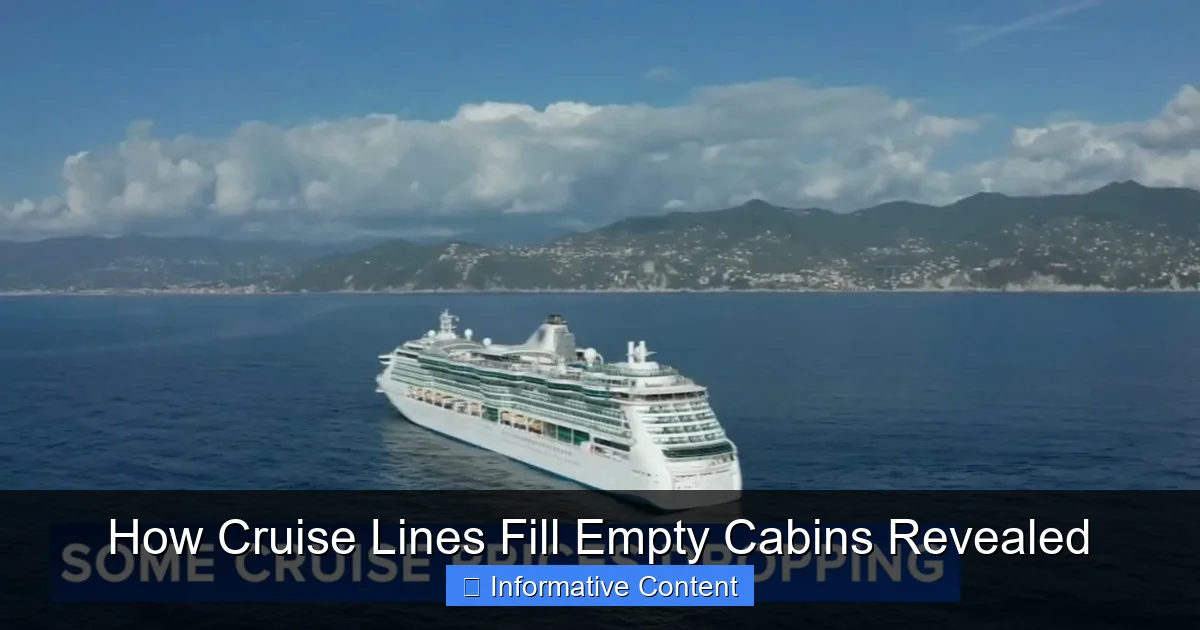
Featured image for how cruise lines fill empty cabins
Image source: cdn.abcotvs.com
Cruise lines use dynamic pricing and last-minute deals to fill empty cabins, slashing prices by up to 70% as departure dates near. They also partner with travel agents, offer free upgrades, and bundle perks like onboard credits or drink packages to entice bookings. Exclusive loyalty program incentives and repositioning cruises to new routes further help fill unsold inventory efficiently.
Key Takeaways
- Dynamic pricing adjusts fares in real-time to maximize cabin occupancy.
- Last-minute deals attract spontaneous travelers with steep discounts.
- Upgrades and incentives entice bookings by offering added value.
- Partner collaborations leverage travel agents and loyalty programs for bulk sales.
- Repositioning cruises fill cabins by offering unique itineraries at lower prices.
- Group bookings secure large blocks of cabins for events or organizations.
📑 Table of Contents
- How Cruise Lines Fill Empty Cabins Revealed
- 1. Dynamic Pricing: The Art of Adjusting Fares in Real-Time
- 2. Last-Minute and “Fire Sale” Deals: Turning Panic into Profit
- 3. Travel Agents and Third-Party Sellers: The Hidden Pipeline
- 4. Loyalty Programs and Past Guest Incentives
- 5. Strategic Partnerships and Bundling
- 6. Data Table: How Cruise Lines Fill Empty Cabins (By Tactic)
- Conclusion: How to Use This Knowledge to Your Advantage
How Cruise Lines Fill Empty Cabins Revealed
Imagine this: You’re scrolling through your favorite travel website late at night, eyes heavy, when suddenly—a flash sale for a luxury cruise at half the price. Your dream vacation, suddenly within reach. But why is it so cheap? The answer might surprise you. Cruise lines, like any business, hate empty seats—or in this case, empty cabins. When a ship sets sail with unsold rooms, it’s not just a loss of revenue; it’s a missed opportunity to maximize profits from food, drinks, excursions, and onboard spending.
So how do cruise lines ensure their floating hotels don’t sail half-empty? It’s a mix of smart pricing, clever marketing, strategic partnerships, and sometimes, a little bit of magic. From last-minute deals to secret discounts, they’ve developed a playbook to fill every cabin, even at the eleventh hour. In this post, we’ll pull back the curtain on how cruise lines fill empty cabins—revealing the tactics, timing, and tricks they use to turn vacancies into revenue. Whether you’re a budget-savvy traveler or just curious about the cruise industry’s inner workings, you’ll walk away with insider knowledge to score the best deals.
1. Dynamic Pricing: The Art of Adjusting Fares in Real-Time
One of the most powerful tools in a cruise line’s arsenal is dynamic pricing. Unlike airlines or hotels, cruise lines don’t just set a price and stick to it. Instead, they constantly adjust fares based on demand, booking trends, and even the weather. Think of it like a seesaw: when demand is low, prices drop to attract more buyers. When cabins fill up, prices rise to maximize revenue from late bookers.

Visual guide about how cruise lines fill empty cabins
Image source: flightspro.co.uk
How Dynamic Pricing Works
Imagine a 7-night Caribbean cruise launching in 12 months. Initially, the cruise line sets a base price—say, $1,200 per person. But as the departure date nears, they monitor booking patterns. If only 60% of cabins are sold six months out, the system automatically triggers a price reduction. Maybe it drops to $999, then $799, and so on. The goal? Fill as many cabins as possible before the ship leaves port.
Cruise lines use sophisticated algorithms that analyze:
- Historical booking data for similar itineraries
- Competitor pricing
- Seasonal demand (e.g., winter cruises to the Caribbean sell faster)
- Economic indicators and consumer spending trends
For example, Royal Caribbean’s “Cruise Planner” system adjusts prices daily based on real-time demand. If a cabin category isn’t selling well, it might offer a “free balcony upgrade” or a $100 onboard credit—essentially a disguised discount.
When to Book for the Best Deals
Here’s the insider tip: the best time to book a cruise isn’t always early. While booking 10–12 months in advance can lock in lower rates, the real bargains come 60–90 days before departure. Why? That’s when cruise lines panic about unsold inventory. They’ll slash prices, offer free upgrades, or even throw in airfare to fill those empty cabins.
One traveler, Sarah from Ohio, booked a last-minute 10-day Alaska cruise for $699 per person—half the original price—just 45 days before departure. “I kept an eye on the cruise line’s website and signed up for their email alerts,” she said. “When they dropped the price, I pounced.”
2. Last-Minute and “Fire Sale” Deals: Turning Panic into Profit
When a ship is about to sail with empty cabins, cruise lines pull out the big guns: last-minute deals and “fire sales.” These are not just discounts—they’re strategic, time-sensitive offers designed to create urgency and FOMO (fear of missing out).
How Last-Minute Deals Work
Typically, these deals appear 30–60 days before departure. The cruise line might:
- Drop prices by 30–60%
- Offer free balcony upgrades (a balcony cabin at an oceanview price)
- Include free drink packages or specialty dining
- Add onboard credits ($100–$200 per person)
For example, Norwegian Cruise Line (NCL) runs a “Last-Minute Getaway” program, offering 7-night cruises from $399 per person. These deals are often marketed through:
- Email blasts to past cruisers
- Social media ads (especially Facebook and Instagram)
- Travel agent networks
- Third-party deal sites like Cruise.com or VacationsToGo
The Psychology of “Fire Sales”
“Fire sale” is a term used in the industry for ultra-last-minute deals—sometimes just 1–2 weeks before departure. These are the cruise line’s “Hail Mary” plays. The goal isn’t to make a profit on the cabin itself but to get someone onboard to spend on:
- Drinks (alcohol packages, cocktails)
- Specialty dining (steakhouses, Italian restaurants)
- Excursions (shore tours)
- Spa and retail
One study by Cruise Market Watch found that passengers who book last-minute spend 25% more per day onboard than early bookers. Why? They’re often more spontaneous and less price-sensitive once they’re on the ship.
Pro tip: Sign up for cruise line newsletters and set up Google Alerts for phrases like “[Cruise Line] last-minute deals.” Many deals are only available for 24–48 hours, so speed matters.
3. Travel Agents and Third-Party Sellers: The Hidden Pipeline
While many travelers book directly through cruise lines, a significant portion of cabins are sold through travel agents and third-party sellers. These partners act as a buffer, absorbing excess inventory when direct bookings slow down.
How Travel Agents Fill Cabins
Travel agents get access to “block space”—pre-purchased cabins at a discounted rate. For example, an agent might buy 20 oceanview cabins on a 14-day Mediterranean cruise for $800 each (vs. the $1,200 retail price). They then sell them at a markup, but if they don’t sell out, they can:
- Offer deep discounts to fill the block
- Bundled with airfare, hotels, or insurance
- Use as incentives for loyal clients
For the cruise line, this is a win-win. They get guaranteed revenue upfront, even if the agent sells the cabins later at a discount. It’s a form of “inventory outsourcing.”
Third-Party Deal Sites: The Bargain Hunters’ Paradise
Websites like VacationsToGo, Cruise.com, and Costco Travel specialize in last-minute cruise deals. They work with cruise lines to offer:
- Exclusive discounts (e.g., “$1 deposits” or “free gratuities”)
- Group pricing (even if you’re not in a group)
- Price-matching guarantees
For example, VacationsToGo’s “90-Day Ticker” lists cruises with the biggest price drops in the last 90 days. In 2023, they helped sell over 1.2 million cruise cabins—many of them last-minute.
Tip: Always compare prices across multiple sites. A deal on Cruise.com might be cheaper than the cruise line’s own website, but a travel agent might offer a better package.
4. Loyalty Programs and Past Guest Incentives
Cruise lines know that repeat customers are gold. They’re more likely to book again, spend more onboard, and refer friends. So, they use loyalty programs to fill empty cabins by rewarding past guests.
How Loyalty Programs Work
Most cruise lines have tiered loyalty programs. For example, Royal Caribbean’s Crown & Anchor Society has:
- Silver: 3–5 points (basic perks like priority boarding)
- Gold: 6–29 points (free laundry, drink discounts)
- Platinum: 30+ points (free balcony upgrades, spa credits)
The more you cruise, the more perks you unlock. But here’s the twist: cruise lines often offer exclusive deals to loyalty members to fill unsold cabins.
Targeted Offers for Past Guests
If you’ve cruised with a line before, you might get emails like:
- “We miss you! Book your next cruise by [date] and get $200 onboard credit.”
- “Exclusive for Diamond members: 50% off balcony cabins on our next Alaska sailing.”
- “Refer a friend and get a free cruise!”
These offers are often time-limited and only available to loyalty members. For example, Carnival Cruise Line’s “VIFP Club” (Very Important Fun Person) sends out “Flash Sales” to members just 30 days before departure.
Real example: A family from Texas booked a last-minute cruise to Bermuda after getting a “Diamond Member Exclusive” email from Royal Caribbean. They got a free balcony upgrade and $150 onboard credit—just for being loyal guests.
5. Strategic Partnerships and Bundling
Sometimes, cruise lines can’t fill cabins on their own. So, they partner with other companies to create bundled packages that make the deal too good to pass up.
Airfare + Cruise Bundles
One of the most common partnerships is with airlines. Cruise lines offer “air-inclusive” packages, where your flight is booked automatically with your cruise. For example:
- “Book a 7-night Caribbean cruise and get free round-trip airfare from New York.”
- “Fly free from 50+ U.S. cities on select sailings.”
These deals are often subsidized by the cruise line. They might pay the airline $200–$300 per passenger, but it’s worth it to fill a cabin. The key is volume—the more cabins they fill, the lower the effective cost per passenger.
Hotel + Cruise Packages
Cruise lines also partner with hotels for “land + sea” packages. For example, a 10-day vacation might include:
- 2 nights in a hotel in Miami (pre-cruise)
- 7-night cruise to the Bahamas
- 1 night in a hotel in Orlando (post-cruise)
These packages are often sold through travel agencies or third-party sites. They’re popular with first-time cruisers who want a seamless experience.
Corporate and Group Bookings
Cruise lines also work with corporations, nonprofits, and social groups to fill cabins. For example:
- A company books 50 cabins for a team-building retreat.
- A church group books 100 cabins for a “faith-based cruise.”
- A university books cabins for a study-abroad program.
These groups often get discounted rates or free cabins for the organizer. It’s a way to fill cabins while building long-term relationships.
6. Data Table: How Cruise Lines Fill Empty Cabins (By Tactic)
| Tactic | When It’s Used | Typical Discount | Best For |
|---|---|---|---|
| Dynamic Pricing | 6–12 months before departure | 10–30% off | Early bookers who want to lock in lower rates |
| Last-Minute Deals | 30–90 days before departure | 30–60% off | Spontaneous travelers with flexible schedules |
| Fire Sales | 1–2 weeks before departure | 50–70% off | Risk-takers who can pack quickly |
| Travel Agents | Anytime (but best 6–90 days out) | 15–40% off | Travelers who want personalized service |
| Loyalty Offers | 30–60 days before departure | $100–$300 onboard credit | Repeat cruisers |
| Bundled Packages | 6–12 months before departure | Free airfare or hotel | First-time cruisers or families |
Remember: The deeper the discount, the closer to departure. But the best deals often come with strings attached—like non-refundable deposits or limited cabin categories. Always read the fine print.
Conclusion: How to Use This Knowledge to Your Advantage
Now that you know how cruise lines fill empty cabins, you can use these tactics to your advantage. Whether you’re a budget traveler or a luxury cruiser, there’s a deal out there with your name on it. Here’s how to get it:
- Be flexible: The more flexible you are with dates and destinations, the better the deals you’ll find.
- Sign up for alerts: Get emails from cruise lines, travel agents, and deal sites. Set Google Alerts for your dream cruise.
- Book at the right time: For the best prices, aim for 60–90 days before departure. But if you’re a repeat cruiser, check for loyalty offers.
- Compare prices: Don’t just book the first deal you see. Compare cruise lines, agents, and third-party sites.
- Don’t fear last-minute: A “fire sale” can be a golden opportunity—if you’re ready to go.
At the end of the day, cruise lines are in the business of filling cabins—not just selling them. By understanding their strategies, you can turn their desperation into your dream vacation. So next time you see a flash sale or a last-minute deal, don’t hesitate. That empty cabin? It’s waiting for you.
Frequently Asked Questions
How do cruise lines fill empty cabins at the last minute?
Cruise lines use last-minute deals, flash sales, and discounted upgrades to fill unsold cabins. They may also partner with travel agents to offer exclusive promotions to their clients. These tactics create urgency and attract budget-conscious travelers.
Why do cruise lines offer free upgrades to fill empty cabins?
Free upgrades are a cost-effective way to entice guests to book while avoiding direct price reductions. By offering a higher-category cabin for the same price, cruise lines enhance perceived value without lowering base fares, helping them fill empty cabins quickly.
How do cruise lines use loyalty programs to fill empty cabins?
Loyalty program members often receive early access to unsold inventory or exclusive discounts. Cruise lines reward repeat customers with perks like onboard credit or free nights, encouraging them to book last-minute trips and fill empty cabins.
What role do travel agents play in how cruise lines fill empty cabins?
Travel agents receive access to unsold inventory through private portals and can offer clients unique deals or packages. Their networks help cruise lines reach niche markets and fill empty cabins faster than direct sales.
Do cruise lines ever give away empty cabins for free?
Rarely, but some lines offer free or heavily discounted cabins as contest prizes, influencer perks, or compensation for service issues. These strategies generate goodwill and free marketing while filling otherwise empty cabins.
How do dynamic pricing models help cruise lines fill empty cabins?
Dynamic pricing adjusts fares in real-time based on demand, lowering prices as the sail date nears. This data-driven approach ensures competitive rates, helping cruise lines fill empty cabins without devaluing their brand.