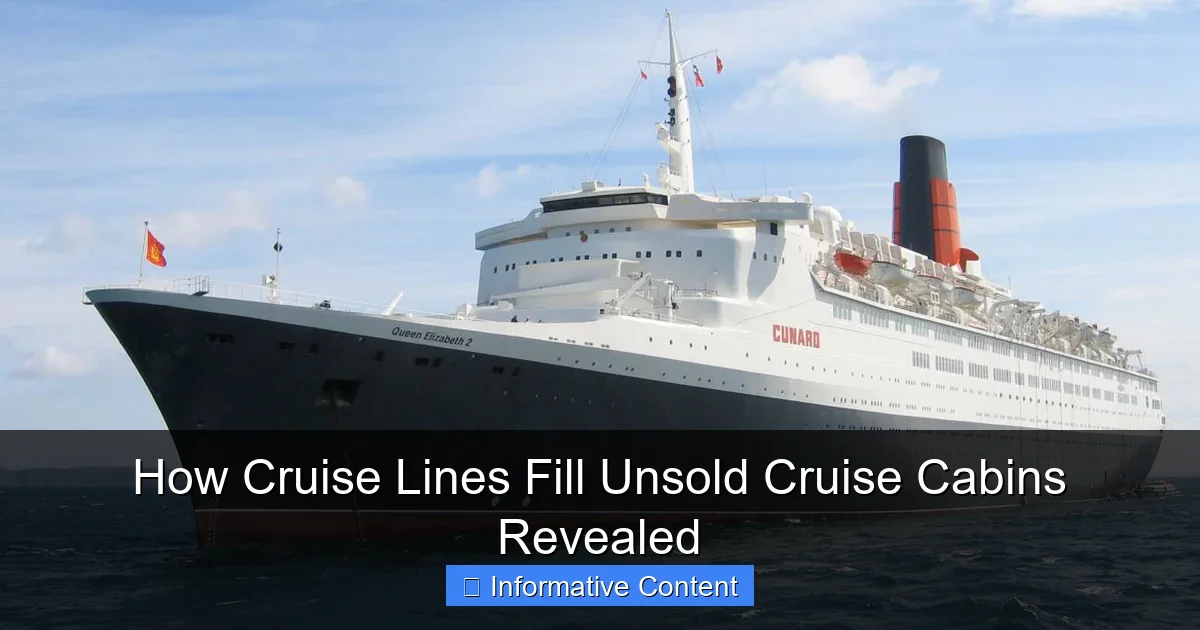
Featured image for how cruise lines fill all those unsold cruise cabins
Image source: cruisedeals.expert
Cruise lines use dynamic pricing and last-minute discounts to fill unsold cabins, slashing rates as departure dates near. They also partner with travel agents, offer free upgrades, and bundle perks like onboard credits or free excursions to entice bookings. Exclusive deals for loyalty members and flash sales on social media further ensure every cabin generates revenue—even if at a lower margin.
Key Takeaways
- Dynamic pricing adjusts fares in real-time to fill empty cabins.
- Last-minute deals target spontaneous travelers with steep discounts.
- Travel agents receive exclusive offers to boost unsold inventory.
- Loyalty programs reward repeat customers with free or upgraded cabins.
- Group bookings secure bulk sales for events or corporate retreats.
- Cabin upgrades incentivize passengers to switch at a minimal cost.
- Charter cruises allow third parties to lease entire ships affordably.
📑 Table of Contents
- How Cruise Lines Fill Unsold Cruise Cabins Revealed
- Dynamic Pricing: The Engine Behind Cabin Sales
- Last-Minute Deals and Flash Sales
- Third-Party Partnerships and Wholesalers
- Repositioning Cruises and One-Way Sails
- Onboard Upselling and Cabin Upgrades
- Data Table: Common Tactics to Fill Unsold Cabins
- Conclusion: The Art and Science of Filling Cabins
How Cruise Lines Fill Unsold Cruise Cabins Revealed
Ever stared at a cruise ship in port and wondered, “How do they possibly fill all those cabins?” You’re not alone. With hundreds—sometimes thousands—of staterooms per vessel, the logistics of filling every single one can seem like a puzzle only a mathematician could solve. But cruise lines have turned this challenge into a finely tuned science. And the best part? Their tactics often result in incredible deals for savvy travelers.
Imagine this: You’re browsing last-minute vacation deals and stumble upon a luxury seven-day Caribbean cruise for less than your monthly phone bill. Sounds too good to be true? It’s not magic—it’s strategy. Cruise lines don’t want empty cabins. Every unsold bed is a lost revenue opportunity, and in an industry where margins can be thin, those empty rooms hurt. Over the years, cruise companies have developed a mix of pricing tactics, marketing strategies, and behind-the-scenes partnerships to ensure that by departure day, the ship sails full.
In this post, we’ll pull back the curtain on how cruise lines fill unsold cruise cabins. We’ll explore the smart (and sometimes sneaky) ways they attract guests, from dynamic pricing to last-minute discounts, and even how they quietly offload inventory to third parties. Whether you’re a budget traveler hunting for a steal or just curious about the cruise industry’s inner workings, you’ll walk away with practical tips—and maybe a few tricks to save big on your next voyage.
Dynamic Pricing: The Engine Behind Cabin Sales
One of the most powerful tools cruise lines use is dynamic pricing. Think of it like airline ticket pricing, but on water. Prices aren’t set in stone. Instead, they shift based on demand, time, season, and even how many cabins are left.
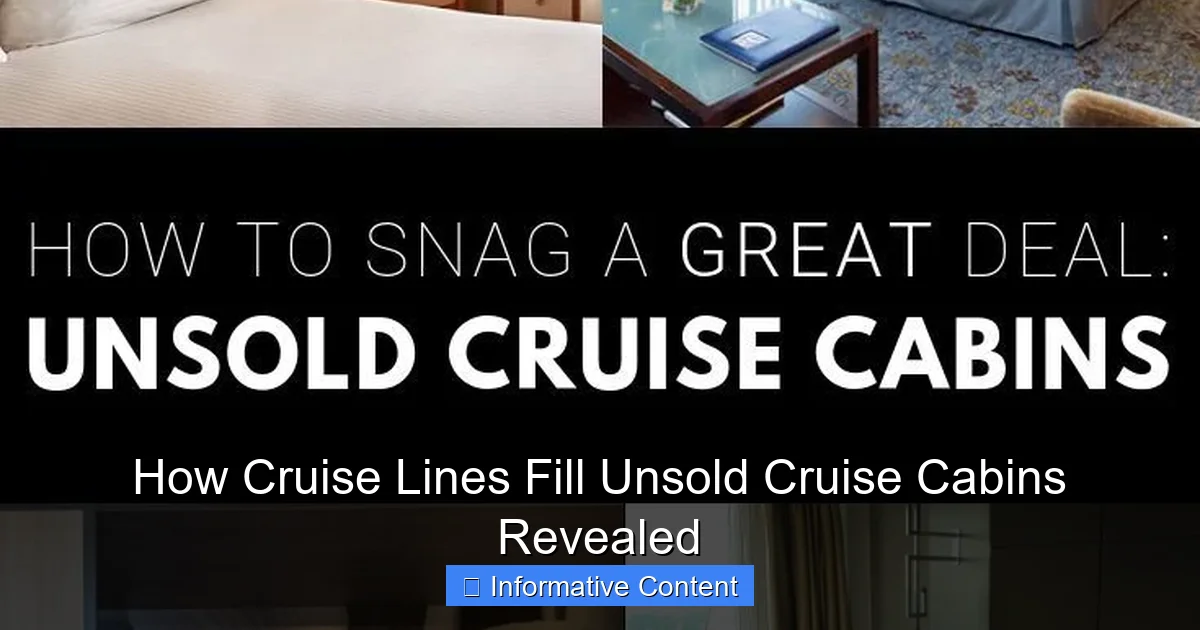
Visual guide about how cruise lines fill all those unsold cruise cabins
Image source: i.pinimg.com
How Dynamic Pricing Works
Imagine a cruise line launching a new itinerary. Initially, they offer early-bird discounts to build buzz and lock in early bookers. As the departure date nears and more cabins sell, prices rise. But if demand is lower than expected—say, a sudden storm hits the region or a competing cruise offers a free drink package—the line will drop prices to stimulate interest.
This system uses real-time data. Algorithms track:
- How many cabins are sold
- How fast they’re selling
- Booking trends by region and demographic
- Competitor pricing
- Historical performance of similar itineraries
For example, Royal Caribbean’s Price Drop Protection program actually refunds the difference if prices drop after you book—this encourages early bookings because travelers know they won’t lose out. But if you wait too long, you might get a lower price… or you might miss out entirely.
Why It Works
Dynamic pricing creates urgency. When you see a price drop notification or a “limited availability” alert, it triggers a psychological response: “If I don’t book now, I’ll miss out.” Cruise lines use countdown timers, flashing banners, and email subject lines like “Only 3 cabins left at this price!” to amplify this effect.
And it’s not just about lowering prices. Sometimes, they’ll offer value-added incentives instead. For instance, a $500 price cut might be less appealing than a free balcony upgrade or onboard credit. This way, the base fare stays high (good for revenue), but the perceived value skyrockets (great for conversion).
Real-World Example
In 2023, Norwegian Cruise Line ran a “Free at Sea” promotion where guests could pick two free perks: free drinks, free specialty dining, free shore excursions, or free Wi-Fi. This wasn’t a price cut—it was a value boost. And it worked. Bookings surged, and unsold cabins vanished within weeks.
Pro tip: If you’re flexible with dates and destinations, monitor pricing trends. Use tools like CruiseSheet or CruiseCritic’s Price Watch to track when prices drop. Often, the biggest discounts appear 60–90 days before departure.
Last-Minute Deals and Flash Sales
When the clock is ticking and cabins are still empty, cruise lines turn to last-minute deals and flash sales. These are the golden tickets for budget-conscious travelers—but they come with risks and rewards.
What Are Last-Minute Deals?
These are discounted fares offered within 60 days of departure—sometimes as close as 7–14 days out. The logic? A $1,000 cabin that’s 90% empty is better than a $0 cabin. So, cruise lines slash prices to fill the gaps.
For example, a 7-night Alaska cruise might list at $1,400 per person. But if 50 cabins are still open two weeks before sailing, the price might drop to $699. That’s a 50% discount—and it’s not uncommon.
Flash Sales: Scarcity + Speed
Flash sales are short-term, high-urgency promotions. They’re often promoted via email, social media, or the cruise line’s app. The key? Limited time and limited inventory.
Picture this: You get an email at 9 a.m. on a Tuesday: “Flash Sale: 7-Night Mediterranean Cruise from $499! Only 20 cabins available—ends tonight at midnight.” The scarcity creates urgency. The low price grabs attention. And the short window prevents overthinking.
Carnival Cruise Line runs flash sales every few weeks, often tied to holidays or special events (like “National Vacation Day”). In 2022, they offered a 5-night Bahamas cruise for $399—including a free balcony upgrade. The sale lasted 48 hours. It sold out in under 24.
Risks and Rewards for Travelers
Last-minute deals are a double-edged sword. The pros:
- Huge savings (often 30–70% off)
- Opportunity to try luxury lines at budget prices
- Spontaneity and adventure
<
But the cons:
- Fewer cabin choices (you might get an interior room with no view)
- Harder to coordinate with friends or family
- Airfare costs might eat into savings (last-minute flights are expensive)
- Less time to plan excursions or get passports ready
Pro tip: If you’re going last-minute, book a flexible airfare (refundable or changeable) or drive to the port. And always check if the cruise line offers a “guarantee” cabin—you’ll get the lowest fare, but the exact room is assigned at check-in.
Third-Party Partnerships and Wholesalers
Here’s a secret most travelers don’t know: you’re not always buying directly from the cruise line. A huge chunk of unsold inventory is quietly funneled through third-party partners—wholesalers, travel agencies, and online platforms.
How Wholesalers Work
Wholesalers like Vacations To Go, Cruise.com, and Expedia buy large blocks of cabins at deep discounts—sometimes 30–50% off retail. They then resell them to consumers, often with added perks (free gratuities, onboard credit, etc.) to make the deal sweeter.
Why do cruise lines do this? Because it guarantees revenue. Instead of gambling on selling 500 cabins at $1,000 each, they sell 500 to a wholesaler at $600 each—still profitable, and with zero marketing cost.
Travel Agencies and Incentive Programs
Travel agents aren’t just for honeymoons. Many are part of consortiums (like Travel Leaders or Virtuoso) that have negotiated special rates with cruise lines. These agencies get access to “exclusive” deals you won’t find on the cruise line’s website.
For example, a travel agent might offer a 7-night Caribbean cruise with:
- $200 onboard credit
- Free gratuities
- Priority boarding
- And a price $150 lower than the cruise line’s site
These deals are often called “agency-only” or “consortium specials.” And they’re a major way cruise lines fill cabins without slashing their own prices publicly.
Corporate and Group Sales
Cruise lines also partner with corporations, alumni groups, and affinity organizations. Think: “Harvard Alumni Caribbean Cruise” or “Tech Startup Retreat at Sea.” These groups book 20–100 cabins at once, often at a discounted rate.
And don’t forget incentive travel. Companies use cruises as rewards for top employees. Instead of a bonus check, you get a free trip. The company gets a tax write-off, and the cruise line gets guaranteed bookings.
Pro tip: If you’re part of a club, alumni group, or professional network, ask if they have a cruise partnership. You might score a private event, group discount, or exclusive perks.
Repositioning Cruises and One-Way Sails
Ever heard of a “repositioning cruise”? These are one-way voyages where ships move between regions—like from Alaska to Hawaii in the fall, or from the Mediterranean to the Caribbean in the spring. And they’re a goldmine for filling unsold cabins.
Why Repositioning Cruises Exist
Cruise ships don’t stay in one place year-round. They follow the sun. In summer, they’re in Alaska or Europe. In winter, they head south. But instead of sailing empty, they turn these repositioning legs into full-blown vacations.
These cruises are usually longer (10–14 days) and often include multiple sea days. But they come with big perks:
- Lower base fares (often 20–40% off similar-length cruises)
- Unique itineraries (e.g., transatlantic crossings)
- Less crowded ships
- Opportunity to visit multiple regions in one trip
How They Fill Cabins
Repositioning cruises are marketed as “adventure cruises” or “bucket list trips.” Cruise lines promote them as a chance to:
- Experience life at sea for extended periods
- Visit off-the-beaten-path ports
- Enjoy a slower, more relaxed pace
They also partner with travel bloggers, influencers, and niche tour operators to reach specific audiences. For example, a repositioning cruise from Barcelona to Miami might be promoted to retirees, solo travelers, or photography enthusiasts.
Real-World Example
In 2023, Holland America Line repositioned the Zuiderdam from Alaska to California. The 14-day cruise included stops in Seattle, Vancouver, San Francisco, and Los Angeles. The base price? $899 per person—less than $65 per day. It sold out in three weeks.
Pro tip: Repositioning cruises are ideal if you’re flexible with dates and don’t mind one-way travel. Book your return flight separately (often cheaper than round-trip). And check if the cruise line offers a “fly-and-cruise” package to save on airfare.
Onboard Upselling and Cabin Upgrades
Here’s a clever trick: fill cabins now, then make more money later. Cruise lines don’t just want you on the ship—they want you to spend more once you’re onboard.
How Upselling Works
When you book a lower-category cabin (like an interior or oceanview), you’re often offered an upgrade. The pitch: “For just $99 more, enjoy a balcony with ocean views!” This is called upselling—and it’s highly effective.
Why? Because:
- It’s easier to sell an upgrade than a full cabin
- Guests are already committed (they’re on the ship)
- The perceived value is high (“only $99 for a balcony?”)
Cruise lines use data to target likely upgraders. For example, couples on a honeymoon or families celebrating a milestone might get personalized offers via email or the cruise app.
Bid-to-Upgrade Programs
Some lines, like Princess and Celebrity, run “bid-to-upgrade” programs. You place a bid (e.g., $150) for a higher cabin category. If your bid is accepted, you get the upgrade. If not, you keep your original cabin.
This creates excitement and competition. And it fills higher-category cabins that might otherwise go unsold.
Onboard Sales and Promotions
Once you’re onboard, the real magic happens. Cruise directors and guest services staff push:
- Drink packages
- Specialty dining
- Spa treatments
- Excursion bookings
- Future cruise deposits
And yes—they’ll still try to sell you a cabin upgrade. The logic? You’re already on the ship, experiencing the luxury. Why not move to a suite with a butler?
Pro tip: If you’re on a tight budget, book the lowest cabin category. Then, wait until the second or third day to see if upgrades are still available. Prices often drop as departure nears.
Data Table: Common Tactics to Fill Unsold Cabins
| Tactic | How It Works | Best For | Traveler Tip |
|---|---|---|---|
| Dynamic Pricing | Prices rise/fall based on demand and inventory | Flexible travelers, deal hunters | Monitor prices 60–90 days out |
| Last-Minute Deals | Discounts within 60 days of departure | Spontaneous travelers, retirees | Book refundable airfare |
| Third-Party Sales | Wholesalers and agencies buy bulk cabins | Everyone (often better deals than direct) | Compare prices on Vacations To Go, Expedia |
| Repositioning Cruises | One-way sails during seasonal moves | Adventure seekers, retirees | Book return flight separately |
| Onboard Upselling | Upgrade offers during the cruise | Guests who love luxury | Bid low for upgrades; wait for price drops |
Conclusion: The Art and Science of Filling Cabins
Filling a cruise ship isn’t just about selling cabins—it’s about maximizing revenue at every stage. Cruise lines use a mix of pricing psychology, strategic partnerships, and onboard sales to turn empty rooms into profitable experiences.
For travelers, this is great news. It means more deals, more flexibility, and more opportunities to cruise for less. Whether you’re snagging a last-minute bargain, bidding for a balcony upgrade, or joining a group cruise, the system is designed to benefit both sides.
So the next time you see a cruise ship sailing full, remember: behind those gleaming decks and bustling pools is a team of revenue managers, marketers, and sales pros working around the clock to fill every cabin. And if you play your cards right, you might just be the one enjoying that ocean view at half the price.
Now that you know how cruise lines fill unsold cruise cabins, you’re armed with the knowledge to find the best deals. Be patient, be flexible, and don’t be afraid to wait. The perfect cruise—and the perfect price—might be just a few clicks away.
Frequently Asked Questions
How do cruise lines fill unsold cruise cabins at the last minute?
Cruise lines use dynamic pricing and last-minute deals to attract bookings, slashing prices or offering perks like onboard credits. They also partner with travel agents and flash-sale websites to offload remaining inventory quickly.
What happens to unsold cabins on a cruise ship?
Unsold cruise cabins are often discounted heavily, given to loyalty program members, or used for crew upgrades. In some cases, they’re offered to employees or charity auctions to minimize empty beds.
Can you get a free cruise if a ship isn’t full?
While rare, cruise lines sometimes offer unsold cabins to high-tier loyalty members or as contest prizes. More commonly, they’re sold at steep discounts rather than given away for free.
How do cruise lines avoid empty cabins without lowering prices?
They bundle unsold cruise cabins with free airfare, drink packages, or excursions to add value without cutting base fares. This strategy maintains perceived pricing while filling seats.
Do cruise lines overbook cabins like airlines?
Yes, some cruise lines overbook cabins based on historical no-show rates, but they’re less aggressive than airlines. If oversold, they may offer compensation or upgrades to volunteers.
Why don’t cruise lines just leave cabins empty instead of discounting?
Empty cabins mean lost revenue on food, drinks, and onboard spending, which are major profit sources. Filling them—even at a discount—maximizes overall profitability per sailing.