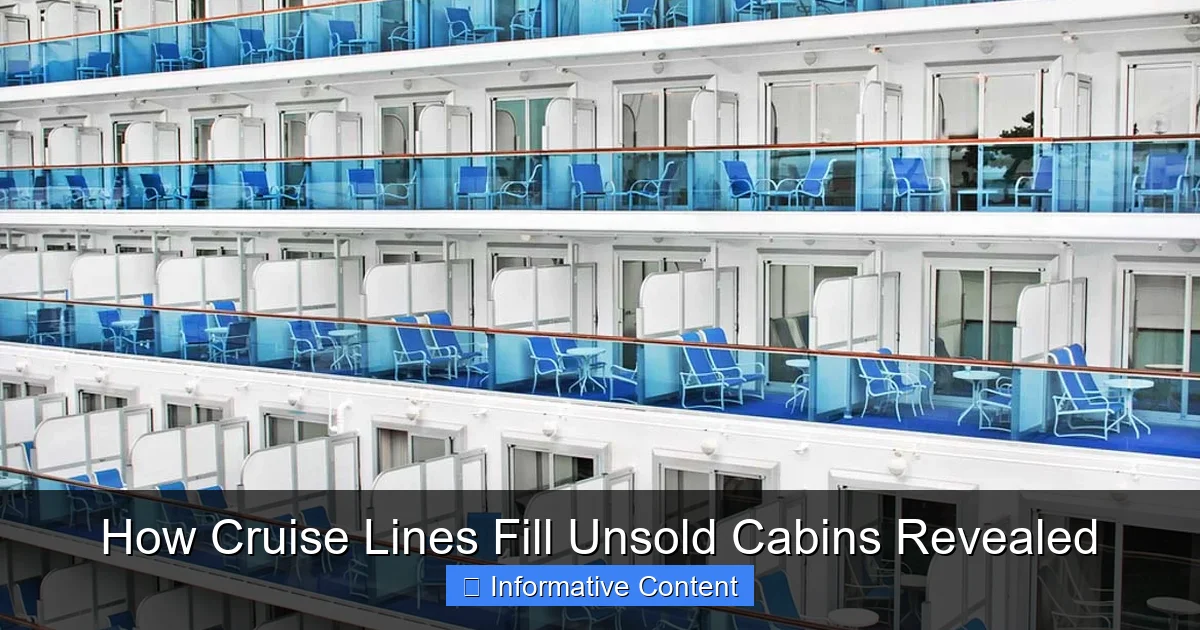
Featured image for how cruise lines fill all their unsold cruise cabins
Image source: cruisedeals.expert
Cruise lines use dynamic pricing and last-minute deals to fill unsold cabins, slashing prices days before departure to maximize occupancy. They also partner with travel agents, offer free upgrades, and promote “guaranteed” cabin sales to move inventory fast. These tactics ensure nearly every cabin sells—even if at a discount—keeping revenue steady and ships full.
Key Takeaways
- Dynamic pricing adjusts rates in real-time to attract last-minute bookings.
- Exclusive deals target loyalty members to fill remaining cabins fast.
- Partner networks sell unsold inventory through travel agents and affiliates.
- Upgrade incentives entice booked guests to pay more, freeing lower-tier cabins.
- Charters and blocks sell cabins in bulk to groups or event organizers.
- Last-minute auctions offer steep discounts to fill empty berths quickly.
📑 Table of Contents
- How Cruise Lines Fill Unsold Cabins Revealed
- The Psychology of Dynamic Pricing
- Last-Minute Deals and Flash Sales
- Strategic Partnerships and Group Bookings
- Loyalty Programs and Past Passenger Perks
- Charters, Repositioning Cruises, and “Mystery” Cruises
- Data-Driven Tactics: The Numbers Behind the Strategy
- Conclusion
How Cruise Lines Fill Unsold Cabins Revealed
Imagine this: You’re browsing cruise deals online, and suddenly you see a 7-day Caribbean cruise for $399. That’s less than $60 per day! You click excitedly, thinking you’ve stumbled upon a once-in-a-lifetime deal. But then you wonder: How can cruise lines afford to sell tickets so cheaply? Are they losing money? The truth is, they’re not. In fact, they’re masters at filling unsold cabins—often at rock-bottom prices—while still turning a profit.
Every cruise ship has a finite number of cabins, and unsold inventory is a major financial risk. A single empty cabin on a 3,000-passenger ship means thousands of dollars lost. To avoid this, cruise lines use a mix of smart pricing, clever marketing, and strategic partnerships to fill every bed. Whether it’s last-minute deals, loyalty perks, or creative incentives, these tactics ensure that ships sail as close to capacity as possible. In this guide, we’ll pull back the curtain on how cruise lines fill unsold cabins—and how you can score incredible deals if you know where to look.
The Psychology of Dynamic Pricing
One of the most powerful tools cruise lines use to fill unsold cabins is dynamic pricing. This isn’t just about slashing prices at the last minute. It’s a sophisticated algorithm-driven strategy that adjusts fares based on demand, time, and market trends. Think of it like an airplane ticket: Prices go up as the departure date nears and seats fill up, but they might drop dramatically if the ship is sailing half-empty.
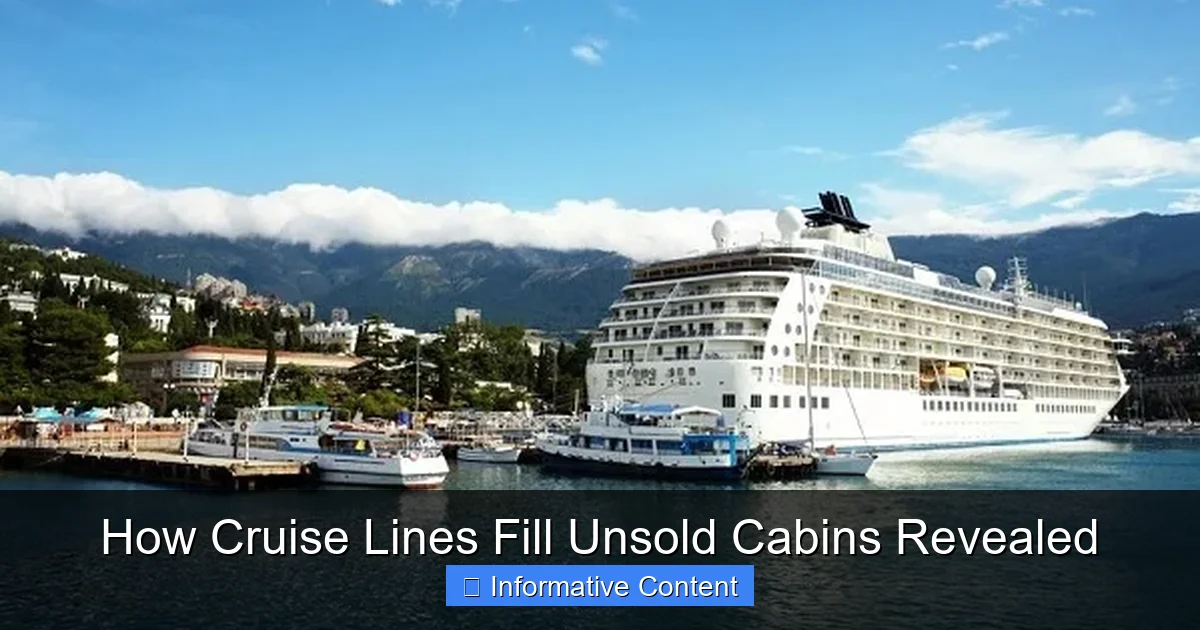
Visual guide about how cruise lines fill all their unsold cruise cabins
Image source: thedailylife.com
How Dynamic Pricing Works
- Early bird pricing: Cruise lines start with high prices to capture customers who book 12-18 months in advance. These early bookers often pay more, but they’re also the most committed.
- Mid-season adjustments: As the departure date approaches, the cruise line’s revenue management team monitors booking trends. If certain cabins (like oceanview or balcony) aren’t selling, they might offer discounts to fill them.
- Last-minute fire sales: Within 60 days of departure, prices often drop sharply. This is when you’ll see those eye-catching deals like “$499 for a week in the Caribbean.”
For example, Royal Caribbean uses a system called “Price Optimization” to adjust fares in real time. If a cruise isn’t 80% booked 90 days before departure, the system automatically triggers discounts. This ensures the ship sails with minimal empty cabins, even if it means lower per-passenger revenue.
Why It Works
Dynamic pricing taps into human psychology. Early bookers feel they’re getting a “fair” price, while last-minute buyers feel like they’ve scored a steal. Cruise lines also use fear of missing out (FOMO)—limited-time offers, countdown timers, and phrases like “only 3 cabins left at this price” create urgency.
Pro tip: If you’re flexible with dates, wait until 60-90 days before departure to book. This is when you’ll find the deepest discounts. But be warned: The trade-off is limited cabin choices. You might end up with a windowless interior room or a less desirable deck.
Last-Minute Deals and Flash Sales
When unsold cabins pile up, cruise lines don’t panic. They turn to last-minute deals and flash sales—time-limited promotions designed to move inventory fast. These deals are often promoted via email, social media, or third-party travel sites.
Types of Last-Minute Offers
- “Cruise Now, Pay Later” plans: Some lines offer 0% financing to make last-minute trips more affordable. For example, Carnival’s “Pay with Affirm” lets you split payments over 3-24 months.
- Free upgrades: Instead of lowering the price, cruise lines might offer a free balcony upgrade on an interior cabin. This feels like a win for the customer but costs the line almost nothing (since the balcony was already empty).
- “Buy One, Get One 50% Off” (BOGO): These deals are common in the off-season. They attract couples or groups while ensuring both beds are filled.
Flash sales, on the other hand, are all about speed. A cruise line might email subscribers: “48-hour sale! 7-day Alaska cruise from $599!” The short window creates urgency, and the deep discount pulls in bargain hunters.
Real-World Example: Norwegian Cruise Line (NCL)
In 2022, NCL ran a flash sale offering 7-day cruises to the Bahamas for $399—half the regular price. The catch? The sale lasted just 72 hours, and only a limited number of cabins were available. Within 24 hours, the deal was sold out. This tactic filled hundreds of unsold cabins while making customers feel like they’d “won” the lottery.
Pro tip: Sign up for cruise line newsletters and follow them on social media. Flash sales are rarely advertised on third-party sites like Expedia. Also, check sites like Cruise Critic or Vacations To Go—they aggregate last-minute deals from multiple lines.
Strategic Partnerships and Group Bookings
Not all unsold cabins are filled by individual travelers. Cruise lines also partner with third parties to move inventory. These partnerships are a win-win: The third party gets a bulk discount, and the cruise line fills empty beds.
Corporate and Incentive Travel
Companies often book group cruises as employee incentives or team-building events. For example, a tech startup might charter an entire deck for a “workation” cruise. Cruise lines offer bulk discounts (sometimes 20-30% off) to secure these contracts. Even if the per-cabin revenue is lower, the guaranteed occupancy is worth it.
Travel Agencies and Tour Operators
Many agencies buy unsold cabins in bulk at a steep discount and resell them as “packaged deals” (cruise + flights + hotels). For instance, Costco Travel offers exclusive cruise packages that include free onboard credit or room upgrades. These deals are only possible because the agency negotiated a bulk rate with the cruise line.
Military and Senior Discounts
Cruise lines also fill cabins by targeting specific demographics. Military members, seniors, and AAA members often get exclusive rates. For example, Royal Caribbean offers “Military Appreciation” discounts—up to 25% off for active-duty personnel. These deals are promoted directly to the target audience, ensuring the cabins get filled.
Pro tip: If you’re part of an affinity group (like a veterans’ association or a senior club), ask if they have cruise partnerships. You might score a better deal than going solo.
Loyalty Programs and Past Passenger Perks
Repeat customers are gold to cruise lines. They’re more likely to book again, spend on extras (like spa treatments or excursions), and refer friends. To keep them coming back, cruise lines offer loyalty programs with exclusive perks—including access to unsold cabins.
How Loyalty Programs Fill Cabins
- Priority waitlisting: Loyalty members get first dibs on waitlisted cabins. If a cabin opens up, they’re notified before the general public.
- Free upgrades: High-tier members (like Diamond on Carnival or Platinum on Princess) often get automatic upgrades when higher-category cabins go unsold.
- “Past Passenger” sales: Cruise lines send targeted emails to past guests with special rates. These deals are often 10-20% cheaper than public prices.
For example, Disney Cruise Line’s “Castaway Club” gives members early access to bookings and exclusive discounts. A family that’s sailed with Disney twice might get a “Platinum” offer: “Book your next cruise and get a free stateroom for your kids!” This fills the cabin and locks in future revenue.
The Hidden Power of “Free” Onboard Credit
Many loyalty deals include onboard credit—a set amount you can spend on drinks, excursions, or spa services. For the cruise line, this is a smart move. They’re not giving away cash; they’re encouraging you to spend more onboard. And if you don’t use it all? The unused credit becomes pure profit.
Pro tip: If you’re a repeat cruiser, always book under your loyalty number. Even if you’re not a high-tier member, you’ll get perks like free drink packages or priority dining.
Charters, Repositioning Cruises, and “Mystery” Cruises
When traditional methods don’t work, cruise lines get creative. They fill unsold cabins with unconventional tactics—like charters, repositioning cruises, and even “mystery” cruises.
Charters and Full-Ship Buyouts
Some companies or organizations charter an entire ship for a private event. For example, a music festival might rent a Carnival ship for a “floating concert.” The cruise line gets guaranteed revenue, even if the per-passenger rate is lower than retail. The charterer, meanwhile, gets a unique experience (and bragging rights).
Repositioning Cruises
When cruise lines move ships between regions (like from Alaska to the Caribbean in fall), they offer repositioning cruises. These trips are often longer (10-14 days) and cheaper than regular itineraries. They’re a great way to fill cabins that would otherwise sit empty during the transition.
“Mystery” Cruises
Some lines offer “mystery” cruises where the destination isn’t revealed until departure. Passengers pay a flat rate and get a surprise itinerary. These cruises are usually priced below market value to attract adventurous travelers. For example, Holland America ran a “Mystery Alaska Cruise” in 2023—guests didn’t know which ports they’d visit until they boarded. The gamble paid off: The ship sailed at 95% capacity.
Pro tip: If you love surprises and don’t mind longer trips, look for repositioning or mystery cruises. They’re often the best value in the industry.
Data-Driven Tactics: The Numbers Behind the Strategy
Behind every unsold cabin is a team of analysts crunching numbers. Cruise lines use data to predict demand, adjust pricing, and even forecast which cabins will go unsold. Here’s a look at the key metrics they track:
| Metric | Description | Example |
|---|---|---|
| Occupancy Rate | Percentage of cabins sold. Most lines aim for 90-100%. | A ship with 2,000 cabins at 85% occupancy = 300 unsold cabins. |
| Days to Departure (DTD) | How close the cruise is to departure. Pricing changes based on DTD. | Cruises with 30+ DTD get discounts; those with 0-10 DTD get price hikes. |
| Booking Curve | How bookings trend over time. A flat curve means discounts are likely. | If bookings slow at 120 DTD, the line might offer a flash sale. |
| Cabin Mix | Breakdown of cabin types (interior, oceanview, balcony, suite). | If balcony cabins sell out fast, the line might upgrade interior bookings for free. |
For example, Carnival uses a system called “Carnival Horizon” to track real-time booking data. If a cruise to Mexico isn’t selling well, the system automatically triggers a “Kids Sail Free” promotion to attract families. The result? A 15% boost in bookings within a week.
Pro tip: Use sites like Cruise Planner to track pricing trends. If a cruise’s price drops repeatedly, it’s a sign the line is struggling to fill cabins—and you might get an even better deal by waiting.
Conclusion
Filling unsold cabins isn’t about desperation—it’s about strategy. Cruise lines combine dynamic pricing, last-minute deals, partnerships, loyalty programs, and creative tactics to ensure every bed is filled. For travelers, this is great news. If you’re flexible, patient, and willing to take a few risks, you can score incredible deals on dream vacations.
Remember: The key is to think like a cruise line. Book early for the best cabin selection, but wait until the last 60-90 days for the deepest discounts. Join loyalty programs, sign up for newsletters, and don’t be afraid to ask for perks. And if you’re feeling adventurous, try a repositioning or mystery cruise—you might just end up with the trip of a lifetime.
At the end of the day, cruise lines want you on board. They’ll go to great lengths to fill those unsold cabins—and that’s your golden ticket to savings.
Frequently Asked Questions
How do cruise lines fill unsold cabins at the last minute?
Cruise lines use last-minute deals, flash sales, and dynamic pricing to attract last-minute bookers. They partner with travel agencies and offer steep discounts to ensure cabins don’t go empty.
What happens to unsold cruise cabins?
Unsold cabins are often bundled into package deals, given to loyalty members, or auctioned off via third-party sites. Some are also used for crew accommodations or complimentary upgrades.
How do cruise lines fill unsold cabins with loyal customers?
Frequent cruisers receive exclusive offers, free upgrades, or heavily discounted rates via loyalty programs. This strategy rewards repeat travelers while filling otherwise empty cabins.
Do cruise lines give away unsold cabins for free?
Rarely, but they may offer free or nearly free cabins to VIPs, influencers, or as contest prizes to generate buzz. More often, they’re deeply discounted instead of given away entirely.
How do travel agents help fill unsold cruise cabins?
Agents receive access to unsold inventory at lower rates and market them as exclusive deals. This helps cruise lines maintain demand without publicly slashing prices.
Why do cruise lines discount unsold cabins instead of leaving them empty?
Even a heavily discounted fare generates revenue that covers variable costs (food, amenities, etc.). An empty cabin earns nothing, so filling it—even cheaply—maximizes profit.