Featured image for how are cruise lines positioned in the market
Image source: coherentmarketinsights.com
Cruise lines are aggressively repositioning themselves as premium, experience-driven vacation options, moving beyond traditional mass-market perceptions to target affluent travelers and younger demographics with themed itineraries, luxury amenities, and immersive shore excursions. Sustainability and digital innovation—like contactless tech and AI-driven personalization—are now key differentiators, helping brands like Royal Caribbean, Carnival, and Norwegian Cruise Line capture market share in a post-pandemic travel boom.
Key Takeaways
- Cruise lines target diverse demographics with tailored experiences for families, couples, and solo travelers.
- Premium and luxury segments grow as demand for exclusivity and high-end amenities rises.
- Sustainability is a key differentiator with eco-friendly ships and carbon-neutral initiatives gaining traction.
- Itinerary innovation drives bookings through unique destinations and extended port stays.
- Tech integration enhances onboard experiences via apps, AI, and seamless digital services.
- Health and safety protocols remain critical to rebuilding trust and ensuring passenger confidence.
📑 Table of Contents
- How Are Cruise Lines Positioned in the Market Today?
- 1. The Luxury Tier: Exclusivity, Service, and Experience
- 2. The Mass-Market Segment: Fun, Value, and Family-Friendly Cruising
- 3. The Premium Tier: Balancing Comfort and Affordability
- 4. Adventure and Expedition Cruising: The Rise of Niche Travel
- 5. Themed and Lifestyle Cruising: Cruising as a Community
- 6. The Data Behind the Positioning: Market Share, Trends, and Consumer Insights
- Conclusion: Finding the Right Fit for Your Travel Style
How Are Cruise Lines Positioned in the Market Today?
Imagine standing on the deck of a massive ship, the ocean breeze in your hair, as you watch the sunset over the horizon. You’re not alone—thousands of others are sharing this moment, from families sipping mocktails at the pool to retirees dancing under the stars. Cruises have long been a symbol of leisure, adventure, and escape. But behind the glamour of onboard entertainment and all-you-can-eat buffets lies a complex, highly competitive industry where cruise lines fight for every passenger.
Today, the cruise industry isn’t just about floating hotels with buffets and bingo nights. It’s a dynamic, segmented market where brands position themselves in unique ways to attract different types of travelers. Some promise luxury and exclusivity, while others focus on affordability, family fun, or adventure. The positioning of cruise lines has evolved dramatically in the past decade—driven by changing consumer preferences, technological advances, and even global events like the pandemic. So, how exactly are cruise lines positioned in the market today? Whether you’re a first-time cruiser or a seasoned traveler, understanding this landscape can help you choose the right ship for your next vacation.
1. The Luxury Tier: Exclusivity, Service, and Experience
When you think of luxury cruising, names like Regent Seven Seas Cruises, Silversea, and Oceania Cruises likely come to mind. These lines aren’t just selling a vacation—they’re selling an experience defined by intimacy, elegance, and personalized service. Their market positioning revolves around exclusivity, high-end amenities, and a sense of refinement that appeals to affluent travelers.

Visual guide about how are cruise lines positioned in the market
Image source: thumbs.dreamstime.com
Smaller Ships, Fewer Passengers
Luxury cruise lines typically operate smaller vessels (often under 1,000 passengers), which allows for a more intimate atmosphere. For example, Silversea’s Silver Muse carries only 596 guests, enabling a guest-to-staff ratio of nearly 1:1. This means you’re not just a room number—you’re a name, a preference, a returning guest. The smaller size also allows access to boutique ports and hidden coves that mega-ships can’t reach.
All-Inclusive Perks as Standard
Unlike mass-market lines where extras like drinks, gratuities, and excursions cost extra, luxury lines include nearly everything. On Regent Seven Seas, for instance, your fare covers premium beverages, Wi-Fi, shore excursions, and even business-class airfare on select sailings. This “no surprise” pricing model appeals to travelers who value simplicity and predictability.
Curated Itineraries and Cultural Immersion
Luxury lines often design itineraries with cultural depth in mind. Oceania’s “Culinary Discovery Tours” let guests cook with local chefs in Tuscany or explore spice markets in Marrakech. These aren’t just sightseeing trips—they’re immersive experiences that connect travelers with local traditions, art, and cuisine.
Tip: If you’re considering a luxury cruise, look beyond the price tag. Ask: Does the line offer unique excursions? How personalized is the service? Do they cater to dietary or accessibility needs? These details often separate truly exceptional luxury from just another high-priced trip.
2. The Mass-Market Segment: Fun, Value, and Family-Friendly Cruising
At the other end of the spectrum, mass-market cruise lines like Carnival Cruise Line, Norwegian Cruise Line (NCL), and Royal Caribbean International dominate the industry in terms of volume. These brands position themselves as accessible, fun, and packed with activities—perfect for families, first-time cruisers, and those looking for a “bang for their buck” vacation.
Visual guide about how are cruise lines positioned in the market
Image source: assets.theedgemarkets.com
Big Ships, Big Entertainment
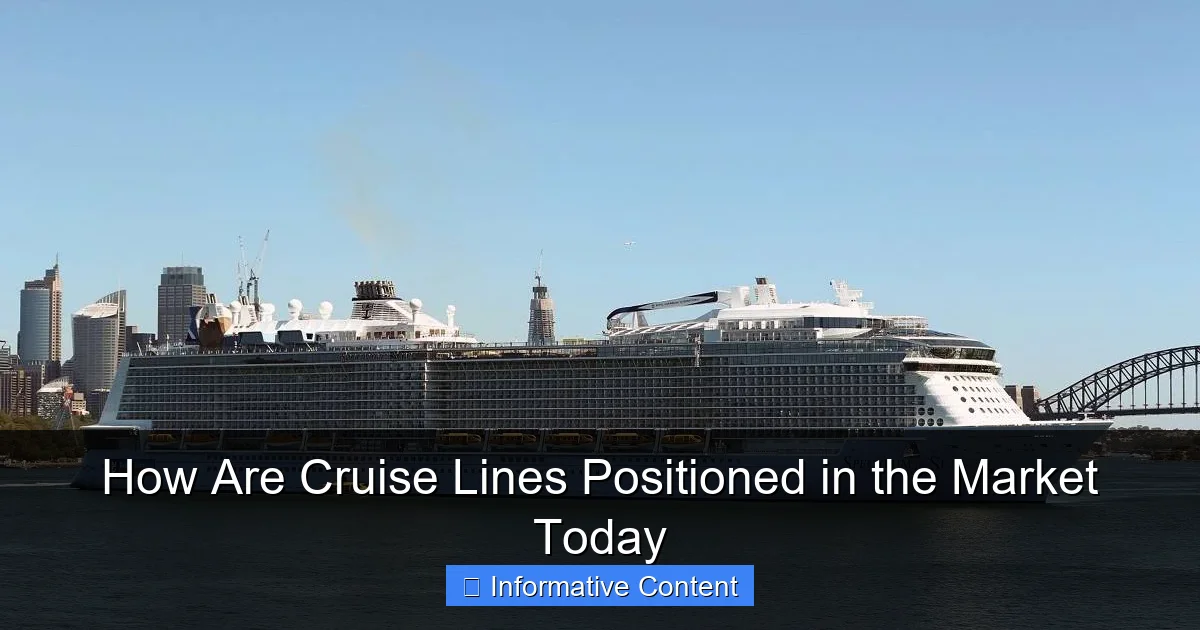
Mass-market lines are known for their “floating cities.” Royal Caribbean’s Wonder of the Seas, for example, can carry over 6,000 guests and features a zip line, ice rink, surf simulator, and even a Central Park with real trees. The goal? Keep everyone entertained—from toddlers to grandparents—without ever leaving the ship.
Value-Driven Pricing with Add-Ons
While base fares are often low (sometimes under $100 per person, per day), mass-market lines use a “base price + extras” model. You’ll pay extra for drinks, specialty dining, Wi-Fi, spa treatments, and shore excursions. This “à la carte” approach allows them to keep advertised prices competitive while still generating high revenue from onboard spending.
Family-Centric Design
These lines excel at catering to families. Carnival’s “Camp Ocean” offers age-specific kids’ clubs, while NCL’s “Splash Academy” includes themed activities and teen lounges. Many ships also feature family staterooms, multi-generational dining options, and kid-friendly pools. Royal Caribbean even has a “Family Harbor” neighborhood with exclusive lounges and activities.
Tip: To get the best value on a mass-market cruise, book early for lower fares, consider off-peak travel, and budget for add-ons. Use the cruise line’s app to track spending and set daily limits to avoid surprise bills at the end of the trip.
3. The Premium Tier: Balancing Comfort and Affordability
Sitting between luxury and mass-market, premium cruise lines like Holland America Line, Princess Cruises, and Costa Cruises offer a more refined experience than budget lines—without the six-figure price tags. They’re ideal for travelers who want comfort, reliability, and a touch of elegance, but don’t need the ultra-exclusive perks of a luxury brand.
Mid-Sized Ships and Mature Audiences
Premium lines typically attract older, more experienced cruisers—often couples and retirees. Their ships are mid-sized (1,500–3,000 passengers), striking a balance between intimacy and variety. Holland America’s Koningsdam, for instance, features a Music Walk with live jazz and classical performances, appealing to travelers who appreciate culture over adrenaline.
Enhanced Service and Amenities
While not all-inclusive, premium lines offer elevated service. Princess Cruises’ “MedallionClass” uses wearable technology for contactless check-in, personalized service, and keyless stateroom entry. Holland America includes a welcome bottle of sparkling wine and daily fresh fruit in your room—small touches that add up.
Destination-Focused Cruising
Premium lines often specialize in specific regions. Princess is known for its Alaska cruises, while Holland America has a strong presence in the Mediterranean and Northern Europe. They invest in local partnerships, offering excursions led by regional experts and onboard enrichment programs like cooking demos and cultural lectures.
Tip: Premium lines are great for repeat cruisers who want a familiar, reliable experience. Look for loyalty programs—many offer perks like priority boarding, free laundry, and onboard credits after a few sailings.
4. Adventure and Expedition Cruising: The Rise of Niche Travel
As travelers seek more meaningful, off-the-beaten-path experiences, adventure and expedition cruise lines have surged in popularity. Brands like Lindblad Expeditions, Quark Expeditions, and Hurtigruten are redefining cruising by focusing on exploration, sustainability, and education.
Small, Purpose-Built Ships
Expedition ships are small—often under 200 passengers—and designed for rough seas and remote destinations. Lindblad’s National Geographic Endurance has an ice-strengthened hull for polar regions and a fleet of Zodiac boats for up-close wildlife viewing. These ships are built for access, not entertainment.
Expert-Led Experiences
What sets expedition lines apart is their onboard experts: marine biologists, historians, and naturalists who lead lectures, guide excursions, and share insights. On a Quark Arctic voyage, you might hear a glaciologist explain climate change while watching icebergs calve into the sea. It’s education as entertainment.
Sustainability and Conservation Focus
Many expedition lines partner with environmental organizations. Hurtigruten has pledged to be carbon-neutral by 2050 and uses hybrid-powered ships. Lindblad collaborates with National Geographic, funding research and conservation projects. Travelers are drawn to brands that align with their values.
Tip: Expedition cruising isn’t for everyone—it’s more about the journey than the amenities. If you’re considering one, pack layers, motion sickness remedies, and an open mind. The best experiences often happen when plans change due to weather or wildlife sightings.
5. Themed and Lifestyle Cruising: Cruising as a Community
Beyond traditional categories, some cruise lines are carving out unique niches by catering to specific lifestyles, hobbies, or communities. This includes LGBTQ+ friendly cruises, music festivals at sea, wellness retreats, and even “workation” cruises for digital nomads.
LGBTQ+ Inclusive Experiences
Lines like Atlantis Events and Vacaya offer full-ship charters designed for LGBTQ+ travelers. These cruises feature drag shows, queer-themed parties, and inclusive programming. Even mainstream lines like Royal Caribbean and Celebrity have dedicated LGBTQ+ sailings, with Pride-themed events and onboard ambassadors.
Music and Festival Cruises
Imagine a floating Coachella or Lollapalooza. Brands like Norwegian Cruise Line partner with music festivals to host “cruise to concerts.” The “Rock Boat” series, for example, features indie bands performing poolside and in intimate venues. These cruises attract die-hard fans and create a sense of community.
Wellness and Digital Nomad Cruises
As remote work becomes mainstream, lines like Virgin Voyages and MSC Cruises are introducing “workation” packages with high-speed Wi-Fi, co-working spaces, and wellness programs. Virgin’s “Recharge” voyages include fitness classes, meditation sessions, and digital detox options. MSC’s “Work from Sea” packages offer extended stays with business amenities.
Tip: Themed cruises are a great way to meet like-minded people. If you’re considering one, research the community vibe—some are more party-focused, others more relaxed. And always check if the cruise line has a clear policy on inclusivity and safety.
6. The Data Behind the Positioning: Market Share, Trends, and Consumer Insights
To truly understand how cruise lines are positioned, it helps to look at the numbers. The cruise industry is highly concentrated, with a few major players dominating the market—and their strategies reflect broader trends in consumer behavior.
| Cruise Line | Market Segment | Fleet Size (Ships) | Key Positioning | 2023 Passenger Capacity (Est.) |
|---|---|---|---|---|
| Royal Caribbean | Mass-Market | 26 | Innovation, entertainment, family fun | 1.2 million |
| Carnival Cruise Line | Mass-Market | 24 | Value, affordability, party atmosphere | 1.1 million |
| Norwegian Cruise Line | Mass-Market | 18 | Freestyle cruising, flexibility, dining variety | 600,000 |
| Princess Cruises | Premium | 15 | Reliability, destination focus, enrichment | 450,000 |
| Holland America | Premium | 11 | Classic elegance, mature audiences, cultural depth | 300,000 |
| Regent Seven Seas | Luxury | 6 | All-inclusive, ultra-luxury, small ships | 40,000 |
| Silversea | Luxury | 12 | Exclusivity, personalized service, expedition options | 35,000 |
| Lindblad Expeditions | Expedition | 10 | Adventure, education, sustainability | 8,000 |
The data reveals a clear pattern: mass-market lines dominate in volume, while luxury and expedition lines focus on niche, high-value experiences. In 2023, the global cruise industry carried over 30 million passengers, with North America and Europe as the largest markets. But growth is also coming from Asia and Latin America, where rising middle classes are discovering cruising for the first time.
Another trend? Personalization. Cruise lines are using data analytics and AI to tailor marketing, dining, and activities to individual preferences. Royal Caribbean’s “Ways to Sail” tool, for example, lets guests customize their trip before booking. Meanwhile, sustainability is becoming a key differentiator—lines that invest in eco-friendly ships and practices are gaining favor with younger travelers.
And let’s not forget the impact of the pandemic. While 2020–2021 were devastating, the industry has rebounded faster than expected. In fact, 2023 saw record bookings, with many travelers prioritizing experiences over material goods. Cruise lines responded with enhanced health protocols, flexible cancellation policies, and more transparent communication.
Conclusion: Finding the Right Fit for Your Travel Style
So, how are cruise lines positioned in the market today? The answer isn’t one-size-fits-all. From the opulent suites of Regent to the adrenaline-pumping thrills of Royal Caribbean, from the educational depth of Lindblad to the inclusive joy of Atlantis, each brand has carved out a unique space. The key is understanding your own travel goals, budget, and preferences—and matching them to the right line.
Are you a first-time cruiser looking for fun and affordability? Carnival or Norwegian might be perfect. Craving luxury and privacy? Regent or Silversea will treat you like royalty. Interested in learning about glaciers and penguins? Quark or Hurtigruten are calling your name. Or maybe you just want to dance the night away with fellow music lovers? The Rock Boat awaits.
The beauty of today’s cruise market is its diversity. No matter your age, interests, or travel style, there’s a ship—and a story—waiting for you. And as the industry continues to evolve, with new ships, technologies, and destinations, the options will only grow. So the next time you’re dreaming of the open sea, don’t just think “cruise.” Think experience. Because in today’s market, that’s exactly what cruise lines are selling.
Now, grab your sunscreen, pack your curiosity, and set sail—your perfect cruise is out there, perfectly positioned just for you.
Frequently Asked Questions
How are cruise lines positioned in the market compared to other vacation options?
Cruise lines are positioned as all-inclusive, hassle-free vacations offering curated experiences, from luxury to adventure. They compete with land-based resorts by bundling accommodations, dining, and entertainment into one price, appealing to travelers seeking convenience and value.
What factors influence how cruise lines are positioned in the market?
Key factors include target demographics (families, retirees, luxury seekers), itinerary diversity, onboard amenities, and pricing tiers. Sustainability efforts and unique experiences (e.g., expedition cruises) also shape positioning to stand out in a competitive industry.
How are luxury cruise lines positioned differently from mainstream brands?
Luxury cruise lines emphasize exclusivity, personalized service, and high-end amenities (e.g., private balconies, gourmet dining) at premium prices. Mainstream brands focus on volume, affordability, and family-friendly activities to attract broader audiences.
How are cruise lines positioned for younger travelers or millennials?
Brands like Virgin Voyages and Carnival cater to younger crowds with vibrant nightlife, social activities, and shorter itineraries. They leverage digital marketing and Instagram-worthy designs to position cruising as a trendy, social experience.
What role does sustainability play in how cruise lines are positioned today?
Eco-conscious travelers are driving demand for greener practices, leading brands to highlight LNG-powered ships, waste reduction, and shore excursions with local communities. This positions cruise lines as evolving to meet environmental expectations.
How do niche cruise lines position themselves in the market?
Niche lines (e.g., river cruises, expedition voyages) target specific interests like cultural immersion or wildlife exploration. They differentiate through specialized itineraries, smaller ships, and expert-led activities, appealing to travelers seeking unique, offbeat experiences.