
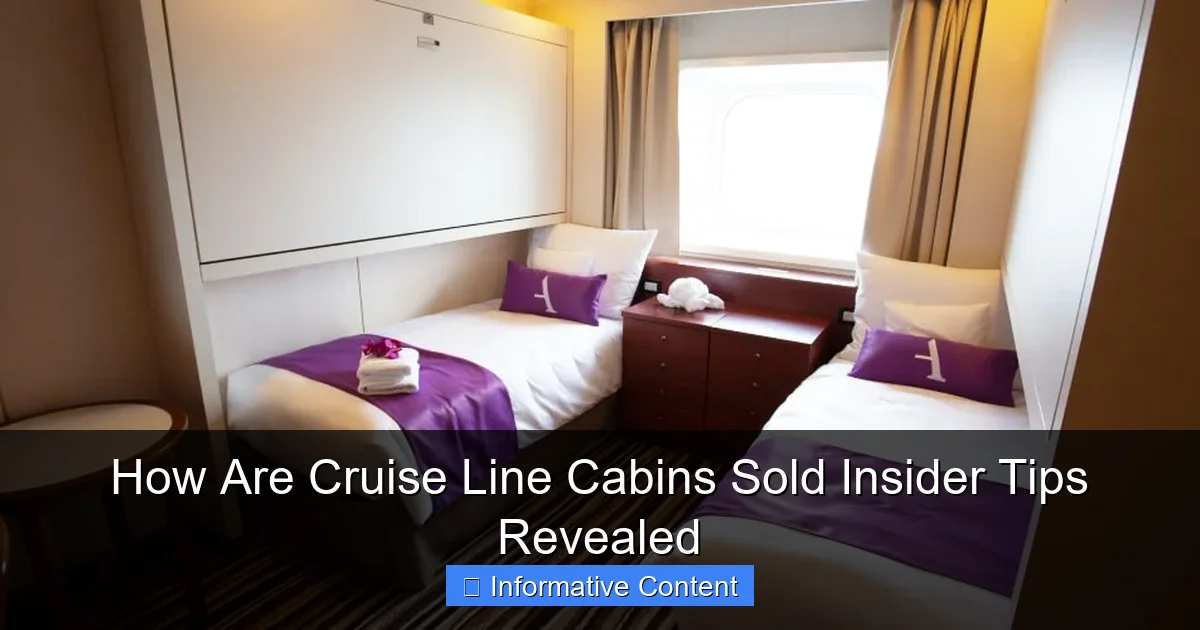
Featured image for how are cruise line cabins sold
Image source: expertcruise.com
Cruise line cabins are primarily sold through dynamic pricing models that adjust based on demand, season, and booking timing—often starting with early-bird promotions and last-minute deals. Insiders reveal that booking directly with cruise lines or using travel agents with bulk-buying power can unlock exclusive discounts, upgrades, and onboard credits often unavailable online. Understanding cabin categories, location trade-offs, and hidden fees is key to securing the best value.
Key Takeaways
- Book early: Secure lower prices and prime cabin locations before inventory shrinks.
- Upgrade bids: Use post-booking upgrade offers to score premium cabins affordably.
- Last-minute deals: Leverage unsold inventory for deep discounts near departure dates.
- Group perks: Book with friends to unlock bulk discounts or free cabins.
- Suite secrets: Suites often include free amenities—ask about unadvertised inclusions.
- Loyalty pays: Join cruise line programs for exclusive access to pre-sales and upgrades.
📑 Table of Contents
- How Are Cruise Line Cabins Sold? Insider Tips Revealed
- The Cabin Hierarchy: From Budget to Luxury
- How Pricing Works: The Dynamic Puzzle
- Booking Channels: Who Sells the Cabins?
- Cabin Selection: Strategy and Pitfalls
- Upgrades and Hidden Opportunities
- Data Table: Average Cabin Prices by Category (7-Night Cruise)
- Final Thoughts: Book Smarter, Cruise Happier
How Are Cruise Line Cabins Sold? Insider Tips Revealed
Imagine this: You’re sipping a piña colada on a sun-drenched deck, the ocean stretching endlessly before you, when suddenly you realize—your cabin is right above the noisy engine room. Or worse, you’re stuck with a view of a lifeboat instead of the sparkling sea. It happens more than you’d think. Cruise line cabins aren’t just randomly assigned; they’re sold through a complex, multi-layered system that can feel like a game of strategy. And if you don’t know the rules, you might end up paying more for less.
Whether you’re a first-time cruiser or a seasoned traveler, understanding how cruise line cabins are sold can make or break your vacation experience. From pricing tricks to hidden upgrades, the cabin selection process is far from simple. But don’t worry—this insider guide breaks down the entire system in plain English. No jargon, no fluff, just practical tips to help you book smarter, save money, and avoid cabin nightmares. So grab a coffee (or a cocktail, we won’t judge), and let’s dive into the fascinating world of cruise cabin sales.
The Cabin Hierarchy: From Budget to Luxury
Not all cruise cabins are created equal. Cruise lines use a tiered system to categorize cabins based on location, size, view, and amenities. Knowing this hierarchy is your first step to booking the perfect room—without overpaying.
Visual guide about how are cruise line cabins sold
Image source: familytravellerimages.s3.eu-west-2.amazonaws.com
Inside Cabins: The Budget-Friendly Option
Inside cabins are the most affordable and often the first to sell out. They have no windows or natural light, which might sound unappealing, but they’re a smart choice for travelers who plan to spend most of their time exploring the ship or ashore. Think of them as cozy sleeping pods—perfect for catching up on rest after a day of excursions.
- Best for: Solo travelers, families on a budget, night owls.
- Pro tip: Some inside cabins are located mid-ship, which means less motion during rough seas. Ask your agent for a “mid-ship inside” if you’re prone to seasickness.
- Example: Royal Caribbean’s “Interior” cabins on Symphony of the Seas start at around $700 per person for a 7-night Caribbean cruise.
Oceanview Cabins: A Glimpse of the Sea
These cabins have a fixed window or porthole, offering natural light and a view—though it might be partially obstructed by a lifeboat or life raft. While they cost more than inside cabins, they’re still a solid mid-range option.
- Best for: Travelers who want light and a view without the balcony price tag.
- Pro tip: Check the cabin map carefully. Some oceanview cabins have “obstructed view” labels. Avoid these unless you’re getting a significant discount.
- Example: Carnival’s “Ocean View” cabins on the Carnival Breeze often include portholes and start at $900 per person for a 5-night Bahamas cruise.
Balcony Cabins: The Sweet Spot
Balcony cabins are the most popular category for a reason. They offer a private outdoor space, fresh air, and unobstructed views. They’re pricier than inside or oceanview cabins but often worth the extra cost for the experience.
- Best for: Couples, relaxation seekers, early risers who want coffee with a view.
- Pro tip: Not all balconies are equal. “Standard” balconies are smaller and face other cabins. “Deluxe” or “Aft” balconies are larger and offer better privacy and views. Pay attention to balcony size in the cabin description.
- Example: Norwegian Cruise Line’s “Balcony” cabins on the Norwegian Encore start around $1,300 per person for a 7-night Alaska cruise.
Suites: Luxury and Perks
Suites are the top-tier option, offering more space, premium amenities (like butler service or concierge access), and often exclusive perks like priority boarding, free drinks, or spa credits.
- Best for: Special occasions, large families, luxury travelers.
- Pro tip: Some suites come with “keycard access” to private lounges or sun decks. These perks can save you money on extras like specialty dining or spa treatments.
- Example: Princess Cruises’ “Mini-Suite” on the Discovery Princess includes a larger balcony, separate living area, and access to the Lotus Spa’s hydrotherapy pool—starting at $2,000 per person.
How Pricing Works: The Dynamic Puzzle
Unlike hotel rooms, cruise cabin prices aren’t fixed. They fluctuate based on demand, time, and even your booking method. This is called dynamic pricing, and it’s one of the biggest factors in how cruise line cabins are sold.

Visual guide about how are cruise line cabins sold
Image source: a.storyblok.com
Early Bird vs. Last-Minute Deals
Cruise lines use a “funnel” pricing model. When a cruise first opens for sale, the cheapest cabins (usually inside and oceanview) are released at a low price to attract early bookers. As those sell out, prices rise for the remaining cabins. By the time the cruise is 6–8 weeks away, prices can spike—especially for balcony cabins.
- Early bird advantage: Book 12–18 months in advance for the lowest prices and best cabin selection.
- Last-minute gamble: If you’re flexible, you can snag deals 60–90 days before departure when cruise lines discount unsold cabins. But beware: the best cabins are long gone.
- Real-world example: A 7-night Alaska cruise with Holland America started at $899 (inside cabin) when booking 15 months out. By 45 days before departure, the same cabin was $1,399.
Seasonal and Route-Based Pricing
Demand varies by season and route. A Caribbean cruise in December (peak season) will cost more than the same cruise in September (hurricane season). Similarly, Alaska cruises are pricier in July than in May.
- Pro tip: Book “shoulder seasons” (just before or after peak) for lower prices and fewer crowds. For example, a Mediterranean cruise in late October can be 30% cheaper than in August.
- Data point: According to Cruise Critic, average balcony cabin prices for a 7-night Caribbean cruise in December are 42% higher than in September.
Group and Promotional Discounts
Cruise lines often offer discounts for:
- Groups of 8+ passengers (e.g., family reunions)
- Military, seniors, or AAA members
- Special promotions (e.g., “Kids Sail Free” or “Free Airfare”)
But here’s the catch: These discounts usually apply only to the base fare. Taxes, port fees, and gratuities are still full price. Always calculate the total cost before assuming you’re getting a deal.
Booking Channels: Who Sells the Cabins?
You’ve probably booked a cruise through a travel agent, a cruise line website, or a third-party site like Expedia. But not all booking channels are equal. Each has pros, cons, and hidden advantages.
Direct Booking with the Cruise Line
Booking directly through the cruise line (e.g., Carnival.com or RoyalCaribbean.com) gives you:
- Access to the full cabin inventory
- Direct customer service
- Flexibility to make changes (sometimes for free)
Downside: Cruise lines rarely offer the lowest prices here. They use this channel to upsell extras like drink packages or excursions.
Insider tip: If you book directly, call the cruise line’s customer service and ask for a “price drop protection.” Some lines will refund the difference if prices drop within 24–48 hours.
Travel Agents: The Secret Weapon
A good travel agent can be your best ally. They:
- Have access to “agent-only” discounts and promotions
- Can request specific cabins (e.g., “mid-ship balcony, away from elevators”)
- Handle all the paperwork and changes
Real-world story: A reader once told me her agent secured a free upgrade to a suite after noticing a cabin was mispriced. The agent didn’t charge extra for this service—it was part of the package.
Pro tip: Look for agents who specialize in cruising (e.g., “Master Cruise Counselor” certified). They know the nuances of cabin selection better than generalists.
Third-Party Sites: Bargains or Traps?
Websites like Expedia, Costco Travel, or Priceline often advertise “discounts” on cruise cabins. But be cautious:
- Pros: Bundled deals (e.g., “Cruise + Airfare + Hotel”) can save money.
- Cons: Third-party sites may not let you choose your cabin. You might end up with a “guarantee” cabin (assigned at check-in) instead of your preferred location.
Example: A “Balcony Guarantee” on Expedia might sound like a deal, but it could land you a cabin next to the noisy theater or near the elevator. Always read the fine print.
Cabin Selection: Strategy and Pitfalls
Choosing your cabin isn’t just about price and view. Location matters—a lot. A poorly placed cabin can ruin your cruise, even if it’s the most luxurious suite on the ship.
Proximity to Key Areas
Here’s a quick guide to cabin placement:
- Avoid: Cabins near the engine room (lower decks, aft), elevators (noisy), or nightclubs (late-night noise).
- Prefer: Mid-ship cabins (less motion), upper decks (better views), or near stairwells (quicker access to decks).
Real-world example: A family once booked a “Deluxe Balcony” on a Disney cruise, only to find it was right below the pool deck. The sound of kids splashing kept them awake until midnight. Oops.
Special Needs and Accessibility
Most cruise lines have accessible cabins with wider doors, roll-in showers, and grab bars. But they’re limited in number and often sell out fast.
- Pro tip: Book accessible cabins as early as possible, even if you don’t need them. Some travelers book them for the extra space, then cancel last-minute—creating opportunities for others.
- Data point: Carnival has ~20 accessible cabins per ship. On a 4,000-passenger ship, that’s less than 1% of total cabins.
Guarantee Cabins: The Risk vs. Reward
Some bookings (especially third-party or last-minute deals) come with “guarantee” cabins. This means you’ll get a cabin in your chosen category (e.g., “Balcony”), but the exact location isn’t assigned until check-in.
- Risk: You might get stuck with a cabin near the noisy gym or under the buffet.
- Reward: If the cruise line oversells a category, you might get a free upgrade.
Insider tip: If you book a guarantee cabin, arrive early at the port. Check-in staff often assign cabins on a “first-come, first-served” basis. The earlier you check in, the better your chances of a good cabin.
Upgrades and Hidden Opportunities
Want a better cabin without paying full price? There are ways to score upgrades—some obvious, some not.
Onboard Upgrades
At check-in, cruise lines often offer “onboard upgrades” to available cabins. These can be 30–50% cheaper than booking the cabin outright.
- Pro tip: Ask at the check-in desk, but don’t rely on it. Upgrades are limited and sell out fast.
- Real-world example: A couple paid $150 for a balcony upgrade on a 7-night cruise. The same cabin cost $600 extra if booked in advance.
Loyalty Programs
Frequent cruisers earn points through cruise line loyalty programs (e.g., Royal Caribbean’s Crown & Anchor Society). Higher tiers get perks like:
- Priority check-in
- Complimentary upgrades
- Free cabin amenities (e.g., robes, slippers)
Insider tip: Join the loyalty program even if you’ve only cruised once. Some lines offer “fast-track” to higher tiers for repeat bookings.
Price Drop Refunds
If the price of your cabin drops after you book, you might be eligible for a refund. Some cruise lines (e.g., Norwegian) offer this automatically. Others require you to request it.
- Pro tip: Use price-tracking tools like CruiseSheet or Cruiseline.com to monitor fare changes.
- Data point: Norwegian Cruise Line offers a “Best Price Guarantee”—if prices drop, they refund the difference as a credit for future cruises.
Data Table: Average Cabin Prices by Category (7-Night Cruise)
| Cabin Category | Average Price (Per Person) | Best Booking Timeframe | Upgrade Potential |
|---|---|---|---|
| Inside | $700–$1,000 | 12–18 months out | Low (rarely upgraded) |
| Oceanview | $900–$1,300 | 9–12 months out | Medium (often to balcony) |
| Balcony | $1,300–$1,800 | 6–9 months out | High (to mini-suite) |
| Mini-Suite/Suite | $1,800–$3,000+ | 3–6 months out | Very High (to owner’s suite) |
Final Thoughts: Book Smarter, Cruise Happier
Now you know the truth: how cruise line cabins are sold isn’t magic—it’s a mix of psychology, timing, and strategy. The cabin you choose affects everything from your sleep quality to your vacation mood. But with the right knowledge, you can avoid the pitfalls and book with confidence.
Here’s your cheat sheet:
- Book early for the best prices and cabin selection.
- Use a travel agent to access hidden deals and cabin requests.
- Check cabin maps and avoid noisy or poorly placed rooms.
- Stay flexible for last-minute deals or onboard upgrades.
- Leverage loyalty programs for free perks and upgrades.
Remember, the goal isn’t to get the cheapest cabin—it’s to get the right cabin for your needs. Whether you’re chasing sunsets from a balcony or just need a quiet place to recharge, understanding the system puts you in control. So next time you book a cruise, don’t just click “Buy Now.” Do your homework, ask questions, and use these insider tips to cruise smarter. Your future self will thank you—especially when you’re sipping that piña colada in the perfect cabin.
Frequently Asked Questions
How are cruise line cabins sold to ensure the best deal?
Cruise lines use dynamic pricing, adjusting cabin costs based on demand, season, and booking time. To get the best deal, book early for early-bird discounts or wait for last-minute promotions if your schedule is flexible.
What’s the difference between inside, oceanview, and balcony cabins in pricing?
Cabin categories directly impact pricing: inside cabins are the most affordable, oceanview adds a window/price bump, and balcony cabins cost more for outdoor space. Suites are premium, often including perks like priority boarding or concierge service.
How are cruise line cabins sold with promotions or discounts?
Lines offer limited-time deals like “kids sail free,” onboard credit, or reduced deposits. Signing up for cruise line newsletters or using a travel agent can unlock exclusive promotions not advertised publicly.
Can I choose my exact cabin, or is it assigned later?
Most lines let you select a specific cabin during booking, but some budget options use “guarantee” cabins (assigned later). Early bookers typically get the best pick of locations, like midship or higher decks.
Why do prices fluctuate so much for the same cruise?
Cruise lines use algorithms to adjust pricing based on occupancy, competitor rates, and historical data. Booking during a price dip—or using a “best price guarantee”—can save hundreds.
Are third-party sites or travel agents better for booking cabins?
Third-party sites may offer package deals, but travel agents often provide perks like cabin upgrades or onboard credit. Agents can also navigate complex promotions, making them ideal for first-time cruisers.