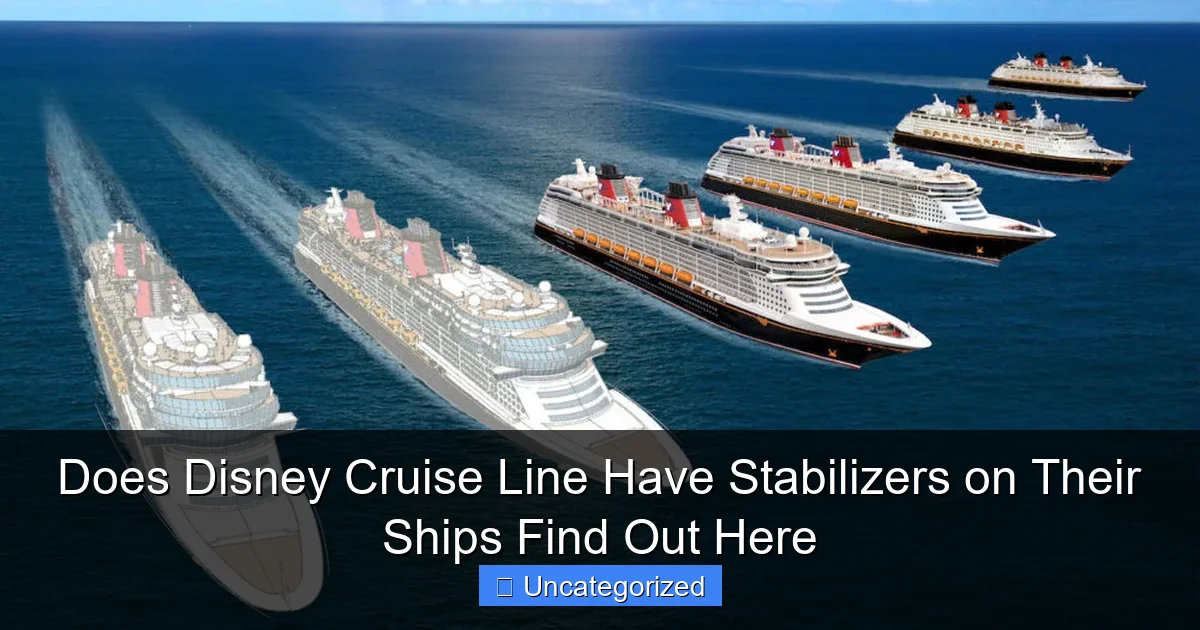
Featured image for does disney cruise line have stabilizers on their ships
Image source: cruisefever.net
Yes, Disney Cruise Line ships are equipped with advanced stabilizers to minimize motion and ensure a smoother, more comfortable sailing experience. These state-of-the-art fin stabilizers significantly reduce side-to-side rolling, helping guests—especially those prone to seasickness—enjoy their voyage with greater ease and confidence.
Key Takeaways
- Yes, all Disney ships have stabilizers to reduce motion and enhance comfort.
- Stabilizers minimize seasickness by counteracting wave-induced rolling.
- Advanced systems ensure smooth sailing, even in rough waters.
- Families benefit most with calmer decks and better onboard experiences.
- Check ship specs pre-booking to understand stabilizer types and effectiveness.
- Stabilizers don’t eliminate motion but significantly improve ride quality.
📑 Table of Contents
- The Magic of Disney Cruising: A Smooth Sailing Experience
- What Are Ship Stabilizers and Why Do They Matter?
- Do Disney Cruise Line Ships Have Stabilizers? The Full Breakdown
- How Disney’s Stabilizers Work in Real-World Conditions
- Beyond Stabilizers: Additional Comfort Features on Disney Ships
- Comparing Disney’s Stabilizers to Other Cruise Lines
- Final Thoughts: Is a Disney Cruise Right for You?
The Magic of Disney Cruising: A Smooth Sailing Experience
When families dream of a Disney Cruise Line vacation, they often picture enchanting character meet-and-greets, Broadway-style shows, and immersive themed experiences. But behind the magic lies a sophisticated engineering marvel that ensures your vacation stays smooth and comfortable—even when the ocean isn’t. One of the most common questions prospective cruisers ask is: Does Disney Cruise Line have stabilizers on their ships? The answer isn’t just a technical detail—it’s a crucial factor that can make or break your cruise experience, especially if you or your loved ones are prone to seasickness.
Imagine setting sail from Port Canaveral on a Disney Wish, the ocean breeze in your hair, only to feel the ship lurch with every wave. For many, that’s a recipe for discomfort. But Disney Cruise Line understands that a magical vacation should never be derailed by rocky seas. From the early days of the Disney Magic to the latest Disney Treasure, Disney has invested heavily in maritime technology to ensure stability, safety, and comfort. This blog post dives deep into the world of ship stabilizers, exploring how Disney Cruise Line leverages cutting-edge engineering to keep your voyage as smooth as possible. Whether you’re a first-time cruiser or a seasoned sailor, understanding how stabilizers work can help you plan a more enjoyable and stress-free trip.
What Are Ship Stabilizers and Why Do They Matter?
Understanding the Basics of Marine Stabilization
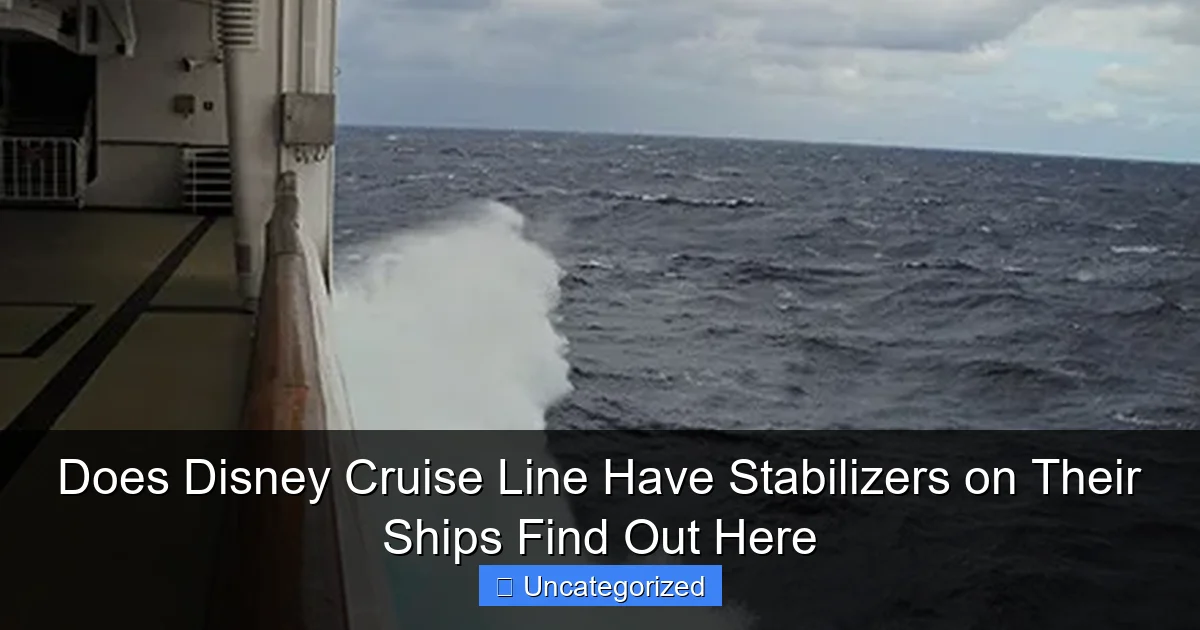
Ship stabilizers are mechanical systems designed to reduce the rolling motion of a vessel caused by waves. Without stabilizers, ships naturally sway side-to-side (roll) and front-to-back (pitch), which can lead to discomfort, seasickness, and even safety concerns. The primary types of stabilizers used in modern cruise ships include:
Visual guide about does disney cruise line have stabilizers on their ships
Image source: beyondships2.com
- Fin Stabilizers: Retractable fins that extend from the hull and use hydrodynamic forces to counteract rolling. These are the most common type on large cruise ships.
- Bilge Keels: Fixed appendages attached to the hull that increase resistance to rolling motion.
- Active vs. Passive Systems: Active stabilizers (like fin systems) use sensors and hydraulics to adjust in real-time, while passive systems (like bilge keels) rely on fixed design.
For Disney Cruise Line, which caters to families, children, and guests of all ages, minimizing motion is not just a luxury—it’s a necessity. The company’s commitment to comfort means they prioritize technologies that reduce perceived motion, ensuring that even on choppy days, the ship feels stable.
How Stabilizers Impact the Cruise Experience
The presence of stabilizers directly influences passenger comfort. On a ship without stabilizers, waves as small as 1–2 feet can cause noticeable rolling. With stabilizers, this motion can be reduced by up to 80–90%, making the difference between a relaxing day at sea and a queasy afternoon in your stateroom. For Disney, this is especially important because:
- Children are more sensitive to motion and can become ill quickly.
- Families with elderly relatives or those with medical conditions need predictability and stability.
- Onboard activities—from dining to deck parties—rely on a steady environment.
Disney Cruise Line’s focus on family-friendly cruising means they go beyond basic stabilization. Their ships are engineered to minimize not just rolling, but also pitching and heaving, creating a “floating resort” experience even on open waters.
Do Disney Cruise Line Ships Have Stabilizers? The Full Breakdown
Stabilizers Across the Disney Fleet
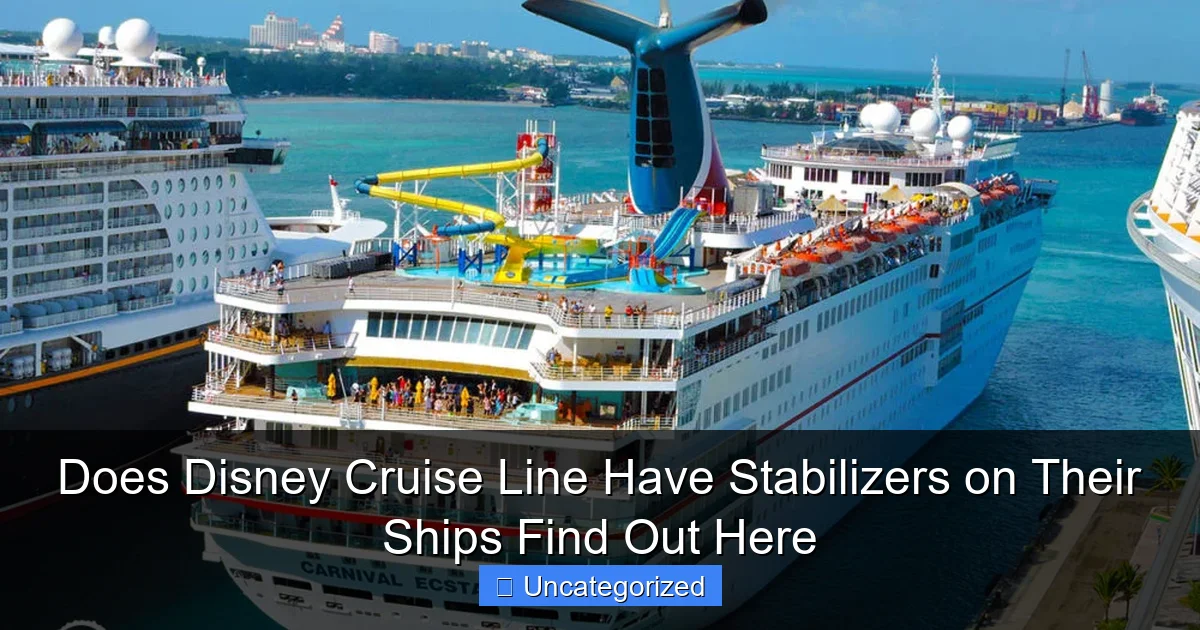
Yes, every Disney Cruise Line ship is equipped with advanced fin stabilizers. This includes all four vessels in the current fleet:
Visual guide about does disney cruise line have stabilizers on their ships
Image source: cruisefever.net
- Disney Magic (launched 1998)
- Disney Wonder (launched 1999)
- Disney Dream (launched 2011)
- Disney Fantasy (launched 2012)
- Disney Wish (launched 2022)
- Disney Treasure (launching 2024)
Each ship features retractable fin stabilizers mounted on the hull below the waterline. These fins are computer-controlled and adjust automatically based on sea conditions, ship speed, and wave frequency. For example, the Disney Dream and Fantasy, part of the “Dream-class,” use four stabilizer fins (two on each side), while the newer Wish and Treasure feature advanced active fin systems with enhanced responsiveness and energy efficiency.
Technical Specifications and Engineering Insights
Disney Cruise Line collaborates with leading maritime engineers and shipbuilders (such as Meyer Werft in Germany) to design stabilization systems tailored to each vessel. Key technical features include:
- Real-Time Sensors: Gyroscopes and accelerometers monitor the ship’s motion 24/7, feeding data to the stabilization computer.
- Hydraulic Actuators: These power the fins, allowing them to pivot and adjust within seconds.
- Retractable Design: Fins retract when the ship is in port or at low speeds to reduce drag and improve fuel efficiency.
- Redundancy: Multiple systems ensure that if one stabilizer fails, others compensate to maintain stability.
For instance, the Disney Wish uses state-of-the-art active fin stabilizers with AI-assisted predictive algorithms. These systems anticipate wave patterns based on weather forecasts and adjust the fins preemptively, offering a smoother ride even in unpredictable conditions.
How Disney’s Stabilizers Work in Real-World Conditions
Performance in Different Seas and Itineraries
The effectiveness of stabilizers depends on sea conditions, ship speed, and itinerary. Disney Cruise Line operates in diverse environments—from the calm Caribbean to the sometimes-choppy Gulf of Mexico and even transatlantic crossings. Here’s how their stabilizers perform in real-world scenarios:
- Caribbean Cruises (7-night Eastern/Western): Typically calm waters, but occasional squalls can cause short bursts of chop. Stabilizers reduce rolling by 70–80%, making seasickness rare.
- Bahamas Short Breaks (3–4 nights): Shallow waters near islands can create wave interference. Disney’s fin systems adjust rapidly to maintain comfort.
- Transatlantic Crossings (e.g., Europe to Florida): Open ocean with larger swells. Stabilizers work continuously, and the ship’s hull design (deep V-shape) complements their performance.
- Alaska Cruises (7-night itineraries): Cold, sometimes rough seas. The Disney Wonder’s stabilizers are optimized for these conditions, with enhanced fin size and responsiveness.
Passenger Feedback and Real-Life Examples
Numerous cruisers report that Disney ships feel “surprisingly steady” even in rough seas. For example:
- A family on a Disney Fantasy transatlantic cruise noted that during a 10-foot swell, the ship rolled only slightly, and their children played games on deck without issue.
- On a Disney Wish Alaska voyage, a guest with chronic seasickness stated they didn’t need medication—unlike on previous non-Disney cruises.
- Disney’s crew often receives praise for “smooth sailing” in guest surveys, with stabilizers cited as a key factor.
Disney also uses weather routing technology to avoid the worst storms, further enhancing stability. This proactive approach, combined with stabilizers, ensures that even if waves are high, the ship’s motion remains manageable.
Beyond Stabilizers: Additional Comfort Features on Disney Ships
Hull Design and Weight Distribution
Stabilizers aren’t the only factor in a smooth ride. Disney Cruise Line employs a holistic approach to stability, including:
- Hull Shape: Disney ships have a deep-V hull design, which cuts through waves rather than riding on top, reducing slamming and pitching.
- Low Center of Gravity: Heavy equipment (engines, water tanks) is placed low in the ship, minimizing roll.
- Ballast Systems: Adjustable water tanks shift weight to counterbalance waves, complementing stabilizer fins.
For example, the Disney Dream’s hull was engineered to minimize resistance and motion, with stabilizers acting as the “final layer” of comfort.
Onboard Amenities for Motion Sensitivity
Even with stabilizers, some guests may still feel motion. Disney offers several onboard solutions:
- Mid-Ship Staterooms: Located near the ship’s center of gravity, these cabins experience the least motion. Disney recommends booking mid-ship for first-time cruisers.
- Motion Sickness Kits: Available at Guest Services, including wristbands, ginger chews, and over-the-counter remedies.
- Medical Support: Onboard physicians can prescribe stronger medications if needed.
- Virtual Balconies (Inside Cabins): While not related to motion, these screens showing real-time exterior views can help reduce disorientation.
Pro Tip: If you’re sensitive to motion, book a stateroom on Deck 6 or 7 (mid-ship) and avoid aft or forward cabins. Also, spend time on lower decks (closer to the waterline) during rough weather.
Comparing Disney’s Stabilizers to Other Cruise Lines
Disney vs. Major Competitors: A Technical Comparison
How does Disney’s stabilization technology stack up against other family-friendly cruise lines? Below is a comparison of key features:
| Cruise Line | Stabilizer Type | Fin Size/Count | Additional Stability Features | Notable Itineraries |
|---|---|---|---|---|
| Disney Cruise Line | Active Fin (Retractable) | 4–6 fins, large surface area | Deep-V hull, ballast systems | Caribbean, Alaska, Transatlantic |
| Carnival Cruise Line | Active Fin | 4 fins, moderate size | Standard hull, limited ballast | Caribbean, Bahamas |
| Royal Caribbean | Active Fin + Azipod | 4–6 fins, advanced AI control | Pod propulsion, dynamic positioning | Global (including Antarctica) |
| Norwegian Cruise Line | Active Fin | 4 fins, standard | Standard hull | Mediterranean, Alaska |
| MSC Cruises | Active Fin (newer ships) | 4 fins, eco-efficient | Hybrid propulsion | Europe, Caribbean |
While most major lines use active fin stabilizers, Disney’s systems are optimized for family comfort rather than sheer size or speed. For example, Royal Caribbean’s Oasis-class ships have larger stabilizers but prioritize capacity over motion control. Disney’s focus on mid-sized ships (2,500–4,000 passengers) allows for better weight distribution and more responsive stabilization.
Why Disney Stands Out
Disney doesn’t just install stabilizers—they integrate them into a broader comfort strategy. Their ships are designed to feel “land-like” at sea, with:
- Wider decks for stability.
- Lower passenger-to-space ratios than mass-market lines.
- Proactive crew training to address motion concerns.
This attention to detail is why Disney consistently ranks high in passenger satisfaction surveys for ride comfort.
Final Thoughts: Is a Disney Cruise Right for You?
The answer to “Does Disney Cruise Line have stabilizers on their ships?” is a resounding yes—and they’re some of the most advanced in the industry. From the Disney Magic to the Disney Treasure, every vessel is equipped with computer-controlled fin stabilizers that work tirelessly to reduce rolling and pitching. Combined with thoughtful hull design, ballast systems, and onboard amenities, Disney has created a cruising experience that’s as smooth as it is magical.
For families, this means fewer worries about seasickness and more time to enjoy character breakfasts, fireworks at sea, and Broadway-quality entertainment. For first-time cruisers, it’s a confidence booster, knowing that even if the weather turns rough, the ship is engineered to handle it. And for seasoned travelers, it’s proof that Disney doesn’t just sell a vacation—they sell peace of mind.
When planning your next cruise, remember: stabilizers are just one piece of the puzzle. Book mid-ship staterooms, pack motion remedies, and trust in Disney’s engineering. Whether you’re sailing to Castaway Cay, exploring Alaska’s glaciers, or crossing the Atlantic, you can rest easy knowing that the magic of Disney extends far below the waterline. Smooth sailing isn’t just a hope—it’s a promise.
Frequently Asked Questions
Does Disney Cruise Line have stabilizers on their ships?
Yes, all Disney Cruise Line ships are equipped with advanced stabilizer systems to minimize motion and provide a smoother sailing experience. These stabilizers help reduce the rocking sensation, especially in rough seas.
How do stabilizers on Disney Cruise Line ships work?
Disney Cruise Line ships use retractable fin stabilizers that extend from the hull to counteract rolling motion. The system automatically adjusts based on sea conditions to enhance passenger comfort.
Are the stabilizers effective on Disney Cruise Line ships?
Absolutely. The stabilizers on Disney Cruise Line ships are highly effective, significantly reducing side-to-side movement. This makes the journey more comfortable, even for those prone to seasickness.
Which Disney Cruise Line ships have stabilizers?
Every ship in the Disney Cruise Line fleet, including the Disney Magic, Wonder, Dream, Fantasy, and the newer Wish, features state-of-the-art stabilizer technology. No matter which ship you choose, you’ll benefit from reduced motion.
Do Disney Cruise Line stabilizers eliminate seasickness?
While stabilizers greatly reduce motion, they can’t completely eliminate seasickness in all conditions. However, most guests report minimal discomfort thanks to the ships’ advanced stabilizer systems.
Why does Disney Cruise Line use stabilizers on their ships?
Disney Cruise Line prioritizes guest comfort, and stabilizers are key to ensuring a smooth ride. By minimizing ship movement, they create a more enjoyable experience for families, especially those with young children.