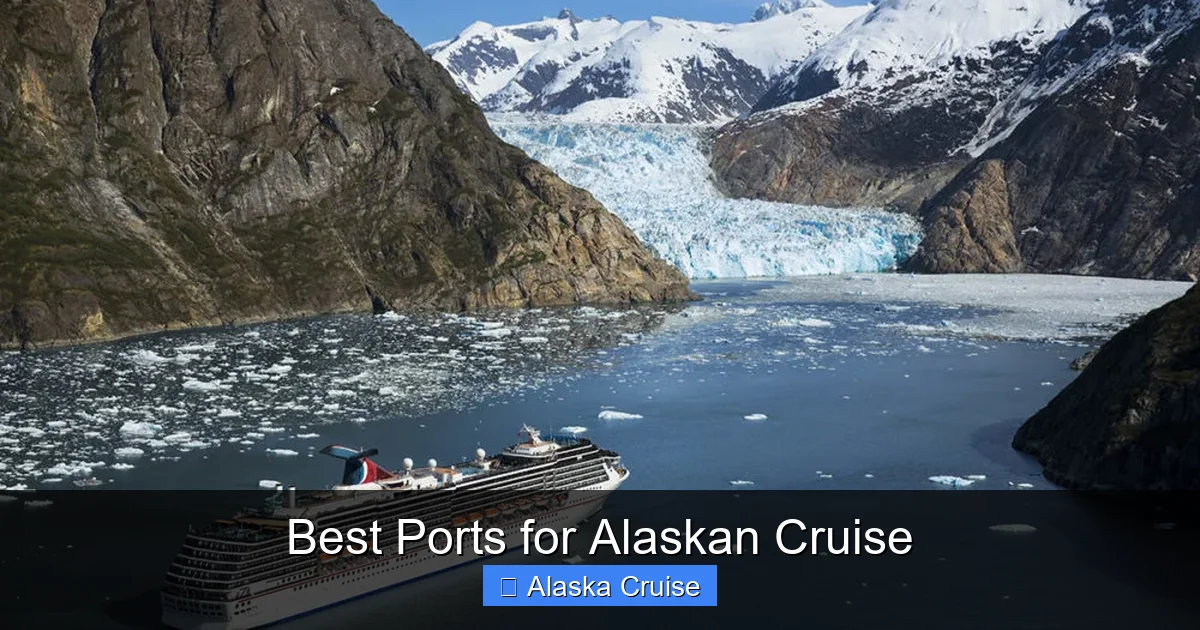
Alaska’s top cruise ports offer breathtaking scenery, rich wildlife, and unique cultural experiences. From glacier views in Juneau to native heritage in Ketchikan, each stop delivers unforgettable moments. Choosing the right ports enhances your Alaskan cruise adventure.
Key Takeaways
- Juneau is Alaska’s capital and a must-visit port: Accessible only by air or sea, it offers glacier tours, whale watching, and historic charm.
- Ketchikan celebrates Native Alaskan culture: Known as the “Salmon Capital of the World,” it features totem poles, rainforest hikes, and vibrant arts.
- Skagway brings Gold Rush history to life: Walk historic streets, ride the White Pass Railway, and explore frontier-era saloons.
- Glacier Bay National Park is a natural wonder: A UNESCO site with towering glaciers, icebergs, and marine wildlife—best viewed from the ship.
- Hubbard Glacier offers dramatic ice views: One of the largest tidewater glaciers, it calves massive ice chunks into the sea.
- Victoria, BC, adds a touch of Europe: A charming Canadian stop with gardens, tea rooms, and British colonial architecture.
- Plan excursions wisely: Book popular tours early and pack layers for changing weather at every port.
📑 Table of Contents
- Introduction to Alaskan Cruise Ports
- Why Port Selection Matters on an Alaskan Cruise
- Juneau: Alaska’s Capital by Sea
- Ketchikan: The Salmon Capital of the World
- Skagway: Gateway to the Gold Rush
- Glacier Bay National Park: A UNESCO Wonder
- Hubbard Glacier: Nature’s Ice Show
- Victoria, BC: A Taste of Europe in North America
- Conclusion: Planning Your Perfect Alaskan Cruise
Introduction to Alaskan Cruise Ports
Imagine cruising through icy fjords, watching glaciers calve into the sea, and spotting humpback whales breaching just off the ship’s bow. That’s the magic of an Alaskan cruise—a journey through one of the world’s last great wildernesses. But what makes these cruises truly unforgettable are the ports of call. Each stop offers a unique slice of Alaska’s natural beauty, history, and culture.
From the bustling boardwalks of Ketchikan to the gold rush echoes of Skagway, the best ports for an Alaskan cruise deliver more than just scenic views. They provide immersive experiences—whether you’re hiking through temperate rainforests, learning about Native Alaskan traditions, or riding a historic railway through mountain passes. With so many incredible destinations, choosing the right itinerary can feel overwhelming. That’s why understanding what each port offers is key to planning your dream trip.
Why Port Selection Matters on an Alaskan Cruise
Not all Alaskan cruise itineraries are created equal. Some focus on glacier viewing, while others emphasize cultural immersion or wildlife spotting. The ports you visit will shape your entire experience, so it’s important to know what to expect. For example, a cruise that includes both Juneau and Glacier Bay will give you a mix of urban charm and raw natural power. Meanwhile, a route through Ketchikan and Skagway leans more into history and indigenous heritage.
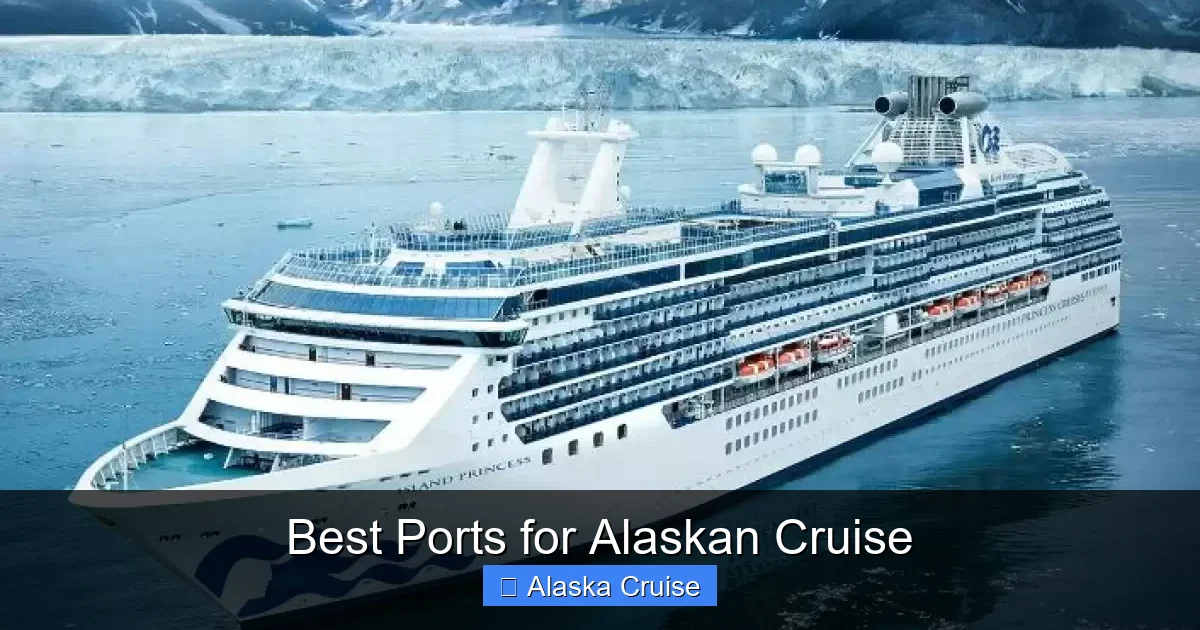
Visual guide about Best Ports for Alaskan Cruise
Image source: accentontravel.com
Another factor is timing. Most Alaskan cruises run from May to September, with peak season in July and August. During these months, ports are busiest, but wildlife is most active and weather is mildest. If you prefer fewer crowds and lower prices, consider shoulder seasons like late May or early September. Just be prepared for cooler temperatures and shorter daylight hours.
Finally, consider the cruise line and ship size. Larger ships may have limited access to certain ports due to draft restrictions, while smaller vessels can navigate narrower channels and offer more intimate shore excursions. No matter your preference, the best ports for an Alaskan cruise will leave you in awe.
Juneau: Alaska’s Capital by Sea
Nestled between rugged mountains and the Gastineau Channel, Juneau is Alaska’s capital—and one of its most captivating cruise ports. Unlike most state capitals, Juneau is only accessible by boat or plane, giving it a remote, frontier feel. This unique access adds to its charm, making it a standout stop on any Alaskan cruise.
Top Attractions in Juneau
One of Juneau’s biggest draws is the Mendenhall Glacier, located just 12 miles from downtown. This 13-mile-long glacier is one of the most accessible in Alaska, with a visitor center, hiking trails, and photo-worthy views. The Nugget Falls trail leads to a stunning waterfall cascading from the glacier’s edge—perfect for a short, scenic hike.
For wildlife lovers, Juneau offers some of the best whale-watching opportunities in the state. Humpback whales feed in the rich waters of the Inside Passage from spring through fall. Many cruise lines offer guided whale-watching tours, often including a stop at the Auke Bay harbor. You might also spot sea lions, harbor seals, and bald eagles.
History buffs will enjoy the Alaska State Museum, which showcases Native Alaskan art, gold rush artifacts, and natural history exhibits. Nearby, the Last Chance Mining Museum offers a glimpse into Juneau’s gold-mining past, with preserved tunnels and equipment from the late 1800s.
Excursion Ideas and Tips
Popular excursions in Juneau include helicopter tours over the glacier, dog sledding on a glacier (yes, really!), and salmon fishing charters. If you’re short on time, a trolley tour of downtown covers the highlights, including the historic Governor’s Mansion and the Red Dog Saloon—a favorite among cruise passengers.
Pro tip: Wear layers and waterproof shoes. Juneau is rainy, even in summer, and trails can be muddy. Also, book popular tours like helicopter rides in advance—they sell out quickly during peak season.
Ketchikan: The Salmon Capital of the World
Known as the “Salmon Capital of the World,” Ketchikan is a vibrant port town built on stilts over the Tongass Narrow. Its colorful buildings, totem poles, and lush rainforest setting make it one of the most picturesque stops on an Alaskan cruise. But beyond the postcard views, Ketchikan offers deep cultural roots and outdoor adventures.
Celebrating Native Alaskan Heritage
Ketchikan is home to the largest collection of totem poles in the world, many of which are displayed at the Totem Heritage Center and Totem Bight State Historical Park. These intricately carved poles tell stories of clans, legends, and ancestral spirits. The nearby Clan House at Totem Bight is a full-scale replica of a traditional Tlingit longhouse, offering insight into indigenous life.
The Alaska Indian Arts center allows visitors to watch Native artists at work, carving totem poles, weaving cedar bark, and crafting silver jewelry. Many cruise passengers take home handmade souvenirs, supporting local artisans and preserving cultural traditions.
Outdoor Adventures and Wildlife
Ketchikan sits at the edge of the Tongass National Forest, the largest national forest in the U.S. This temperate rainforest is teeming with life—black bears, Sitka deer, and countless bird species. The Rainforest Canopy Trail offers a guided zipline experience through the treetops, while the Herring Cove Trail leads to a quiet beach perfect for spotting eagles and otters.
For a truly Alaskan experience, try a salmon bake—a traditional feast of grilled salmon, wild berries, and sourdough bread, often held in a forest clearing. Many cruise lines partner with local operators to offer these cultural dinners as part of shore excursions.
Tips for Visiting Ketchikan
Ketchikan is walkable, with most attractions within a 15-minute stroll from the cruise dock. Wear sturdy shoes for uneven boardwalks and bring a rain jacket—this is one of the rainiest places in Alaska. If you’re interested in fishing, consider a half-day charter; Ketchikan’s waters are rich with king, silver, and pink salmon during the summer months.
Skagway: Gateway to the Gold Rush
Step back in time in Skagway, a preserved Gold Rush town that feels like a living museum. In the late 1890s, over 100,000 prospectors passed through Skagway on their way to the Klondike gold fields. Today, the town’s false-front buildings, wooden sidewalks, and historic saloons transport visitors to the era of stampedes and saloons.
The White Pass & Yukon Route Railway
No visit to Skagway is complete without a ride on the White Pass & Yukon Route Railway, often called the “Gateway to the Klondike.” This narrow-gauge railroad climbs 2,865 feet in just 20 miles, crossing steep cliffs and looping through tunnels. The journey offers breathtaking views of waterfalls, glaciers, and mountain peaks.
The train ride takes about 3.5 hours round-trip and includes a narrated history of the Gold Rush. Many passengers choose the one-way train ride up and a bus or shuttle back, allowing more time to explore Skagway.
Historic Sites and Local Charm
Skagway’s downtown is a National Historic Landmark, with over 50 preserved buildings from the Gold Rush era. Visit the Klondike Gold Rush National Historical Park Visitor Center to learn about the hardships faced by stampeders. The Red Onion Saloon offers live music and “soiled dove” tours—a cheeky look at Skagway’s brothel history.
For a quieter experience, hike the Chilkoot Trail, the route many prospectors took to reach the gold fields. The trail begins near town and offers a glimpse into the grueling journey that defined the era. Guided hikes are available for those who want historical context.
Excursion Tips
Skagway is small, so most excursions start and end near the cruise dock. Book the train ride early—it’s one of the most popular activities. If you’re traveling with kids, the Gold Rush Days event (held in July) features reenactments, gold panning, and period costumes. Pack warm clothes; even in summer, mountain weather can be chilly.
Glacier Bay National Park: A UNESCO Wonder
While not a traditional “port” with shops and restaurants, Glacier Bay National Park is one of the most awe-inspiring stops on an Alaskan cruise. This UNESCO World Heritage Site spans over 3.3 million acres of pristine wilderness, including fjords, rainforests, and active glaciers.
Glacier Viewing and Wildlife
As your ship navigates the bay, you’ll pass towering tidewater glaciers like the Margerie Glacier and Grand Pacific Glacier. These glaciers calve massive ice chunks into the water, creating thunderous splashes and floating icebergs. The sight is both beautiful and humbling—a reminder of nature’s power.
Glacier Bay is also a haven for wildlife. Keep your binoculars handy for humpback whales, orcas, sea otters, and harbor seals. On land, brown bears forage along the shoreline, and bald eagles soar above the treetops. Park rangers often come aboard to give presentations, sharing insights about the ecosystem and conservation efforts.
Best Time to Visit
Glacier Bay is typically visited between May and September, when the weather is mild and wildlife is active. July and August offer the best glacier views, as calving is most dramatic during warmer months. However, earlier in the season, you may see more ice and fewer crowds.
Note: Only two cruise ships are allowed in Glacier Bay per day, and they must travel at reduced speeds to protect wildlife. This means your experience will be peaceful and immersive—no racing ships or loud crowds.
Tips for Glacier Bay
Bring a warm jacket, even on sunny days—temperatures drop near the glaciers. Use the ship’s telescopes or bring your own for better wildlife viewing. If you’re prone to seasickness, stay on deck during calving events; the movement can be intense. And don’t forget your camera—this is one of the most photogenic parts of the cruise.
Hubbard Glacier: Nature’s Ice Show
One of the largest tidewater glaciers in North America, Hubbard Glacier is a must-see on any Alaskan cruise. Spanning 7 miles wide and over 700 feet tall, it advances about 10 feet per day—faster than most glaciers. This movement creates constant calving, with icebergs breaking off and crashing into Disenchantment Bay.
What to Expect
As your ship approaches the glacier, you’ll feel the temperature drop and hear the deep rumble of ice shifting. The glacier’s blue ice is a result of compressed snow over centuries, creating a stunning contrast against the dark water. Icebergs of all sizes float nearby, some large enough to be mistaken for small islands.
Unlike Glacier Bay, Hubbard Glacier is not a national park, so there are no ranger talks. However, cruise staff often provide commentary over the ship’s speakers. Some ships offer special viewing areas on the upper decks or even outdoor lounges with heated seats.
Wildlife and Scenery
The waters around Hubbard Glacier are rich with marine life. You might spot seals resting on ice floes, orcas hunting in the distance, and seabirds diving for fish. On clear days, the surrounding mountains reflect in the calm water, creating a mirror-like effect.
Tips for Viewing
Arrive early to secure a good viewing spot on deck. Bring binoculars and a zoom lens for photos. The glacier is most active in the afternoon, so plan your time accordingly. And remember—calving can happen without warning, so stay alert for the thunderous sound of ice falling.
Victoria, BC: A Taste of Europe in North America
While not in Alaska, Victoria, British Columbia, is a popular final stop on many Alaskan cruises. This charming city on Vancouver Island blends British colonial elegance with Pacific Northwest beauty. With its manicured gardens, afternoon tea, and cobblestone streets, Victoria feels like a slice of Europe on the edge of the continent.
Top Sights in Victoria
The Butchart Gardens is a must-visit. These 55-acre floral displays include the Sunken Garden, Rose Garden, and Japanese Garden, all bursting with color from spring to fall. Many cruise passengers take a shuttle or taxi from the port to spend a few hours exploring.
Downtown Victoria is walkable and full of character. Visit the Royal BC Museum to learn about the region’s natural and cultural history. The Inner Harbour is lined with street performers, cafes, and the iconic Fairmont Empress Hotel, where you can enjoy traditional afternoon tea.
Cultural and Culinary Highlights
Victoria has a strong First Nations presence. The Thunderbird Park features totem poles and traditional longhouses, while the Royal BC Museum includes exhibits on indigenous cultures. For a taste of local cuisine, try fresh seafood at a waterfront restaurant or sample craft beer at one of the city’s many breweries.
Tips for Visiting
Victoria is a short tender ride from the cruise ship. Wear comfortable shoes for walking and bring a light jacket—coastal weather can be cool and breezy. If you have time, take a harbor cruise to see the city from the water or visit the historic Craigdarroch Castle.
Conclusion: Planning Your Perfect Alaskan Cruise
Choosing the best ports for an Alaskan cruise is about balancing nature, history, and culture. Whether you’re marveling at glaciers in Glacier Bay, learning about Native heritage in Ketchikan, or riding a historic train in Skagway, each stop offers something unique. The key is to match your itinerary to your interests—whether that’s wildlife, adventure, or quiet reflection.
Remember to book popular excursions early, pack for variable weather, and allow time to simply soak in the scenery. Alaska’s ports aren’t just destinations—they’re experiences that stay with you long after the cruise ends. So set sail, keep your camera ready, and prepare for the adventure of a lifetime.
Frequently Asked Questions
What is the best time to visit Alaskan cruise ports?
The best time for an Alaskan cruise is from late May to early September. July and August offer the warmest weather and most active wildlife, while shoulder seasons provide fewer crowds and lower prices.
Can you walk from the cruise ship to the towns in Alaska?
Yes, in most ports like Juneau, Ketchikan, and Skagway, the downtown areas are within walking distance of the cruise docks. Victoria requires a short tender ride, but the city center is easily walkable once you arrive.
Are shore excursions worth it on an Alaskan cruise?
Absolutely. Shore excursions like helicopter tours, whale watching, and train rides offer unique experiences you can’t get on your own. Book early, as popular tours sell out quickly.
Do I need to bring special clothing for Alaskan cruise ports?
Yes, pack layers, a waterproof jacket, and sturdy shoes. Weather can change quickly, and many activities involve walking on trails or wet boardwalks.
Is Glacier Bay included on all Alaskan cruises?
No, Glacier Bay is only included on select itineraries, primarily those operated by Holland America and certain luxury lines. Check your cruise details before booking.
Can you see whales from the ship in Alaskan ports?
Yes, especially in Juneau and near Glacier Bay. Humpback whales are commonly spotted from the deck, particularly during feeding season in summer months.