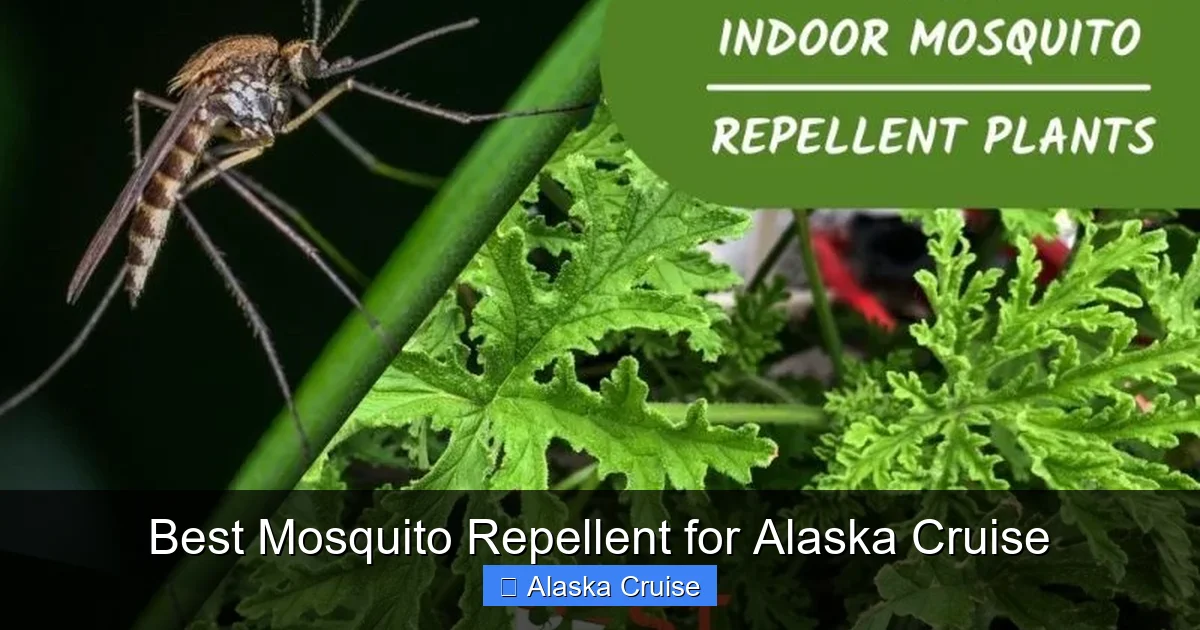
Mosquitoes may not be the first thing you think of when planning an Alaska cruise, but they’re a real concern in certain coastal and inland areas. Choosing the right mosquito repellent can make your trip more comfortable and enjoyable. This guide covers the best options, application tips, and what to avoid for a bite-free Alaskan adventure.
Key Takeaways
- Mosquitoes are present in Alaska: Especially in coastal rainforests, river valleys, and during summer months, mosquitoes thrive in Alaska’s wet, temperate zones.
- DEET is highly effective: Repellents with 20–30% DEET offer long-lasting protection and are recommended by health experts for Alaska’s mosquito-prone areas.
- Picaridin is a great DEET alternative: Odorless, non-greasy, and equally effective, Picaridin is ideal for sensitive skin and family use.
- Permethrin-treated clothing adds extra defense: Spraying clothes, shoes, and gear with permethrin creates a powerful barrier mosquitoes avoid.
- Natural repellents have limited effectiveness: While pleasant-smelling, oils like citronella or eucalyptus often wear off quickly and may not deter aggressive Alaskan mosquitoes.
- Timing and location matter: Mosquito activity peaks at dawn and dusk, especially near water or dense vegetation—plan outdoor activities accordingly.
- Pack smart and test before you go: Bring multiple repellent types, do a patch test, and reapply as directed for maximum protection.
📑 Table of Contents
- Why Mosquito Protection Matters on an Alaska Cruise
- Understanding Alaska’s Mosquito Problem
- Top Mosquito Repellent Ingredients to Look For
- Best Mosquito Repellent Products for Alaska Cruises
- How to Apply Mosquito Repellent Correctly
- What to Avoid When Choosing a Repellent
- Packing Tips for Your Alaska Cruise
- Conclusion: Stay Protected and Enjoy Alaska
Why Mosquito Protection Matters on an Alaska Cruise
When you imagine an Alaska cruise, you probably picture glaciers calving into icy waters, humpback whales breaching, and bald Eagles soaring above snow-capped peaks. What might not come to mind? Mosquitoes. But here’s the truth: Alaska has mosquitoes—lots of them.
While your cruise ship itself will be mosquito-free, many Alaska cruise itineraries include excursions on land, such as hiking in Tongass National Forest, kayaking in Glacier Bay, or visiting remote villages like Ketchikan or Haines. These areas, especially in summer, are prime mosquito territory. The combination of abundant rainfall, standing water, and dense vegetation creates the perfect breeding ground for these persistent pests.
Alaska’s mosquito season typically runs from late May through August, peaking in June and July. Coastal rainforests and river valleys—common stops on cruise routes—are particularly notorious for mosquito swarms. A single bite might seem harmless, but mosquitoes can carry diseases like West Nile virus (rare but possible) and cause itchy, swollen reactions that can ruin a scenic hike or wildlife-watching moment.
That’s why packing the best mosquito repellent for Alaska cruise travel isn’t just a suggestion—it’s a smart move. The right repellent can mean the difference between a blissful outdoor adventure and a miserable, itchy ordeal. In this guide, we’ll walk you through everything you need to know to stay protected, from active ingredients to application tips and top product recommendations.
Understanding Alaska’s Mosquito Problem
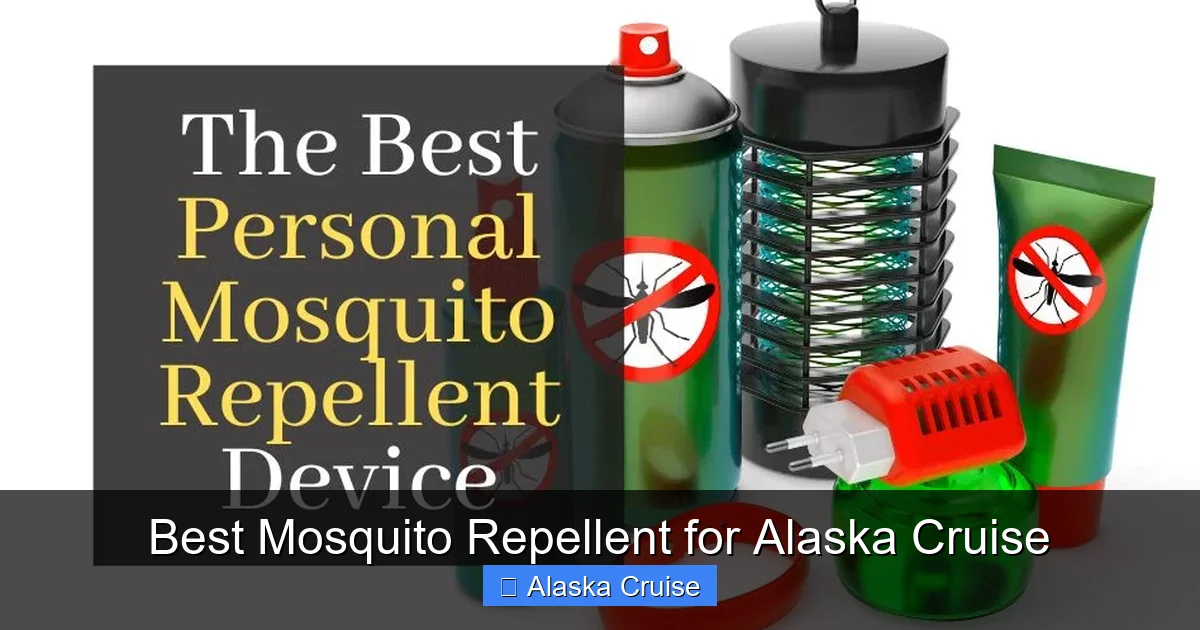
Visual guide about Best Mosquito Repellent for Alaska Cruise
Image source: gadgets-club.com
Where Do Mosquitoes Thrive in Alaska?
Alaska may be known for its cold climate, but during the summer months, temperatures in coastal regions can reach the 60s and 70s Fahrenheit—perfect for mosquito activity. The state’s extensive wetlands, rivers, and dense temperate rainforests provide ideal habitats. Areas like the Inside Passage, which many cruise ships travel through, are especially prone to mosquito populations.
For example, Ketchikan—often called the “Rainforest Capital of Alaska”—receives over 160 inches of rain annually. This creates countless puddles, streams, and damp forest floors where mosquitoes breed. Similarly, the Mendenhall Glacier area near Juneau and the trails around Skagway are known for mosquito swarms during peak season.
Even in more developed port towns, mosquitoes can be a problem near harbors, campgrounds, and hiking trails. If your cruise includes a shore excursion to a remote lodge or a guided nature walk, you’re likely to encounter them.
When Are Mosquitoes Most Active?
Mosquitoes in Alaska are most active during the warmer months, especially from June to August. They tend to be most aggressive during dawn and dusk—times when many travelers are out exploring or enjoying scenic views. Windy or overcast days can increase mosquito activity, as they prefer calm, humid conditions.
Interestingly, Alaska’s long summer days mean mosquitoes have extended feeding windows. With nearly 20 hours of daylight in June, these pests are out and about for much of the day. That’s why consistent protection is essential, even if you’re only stepping off the ship for a few hours.
Are Alaskan Mosquitoes Dangerous?
While Alaskan mosquitoes are more of a nuisance than a major health threat, they can still cause discomfort. Their bites often result in larger, more itchy welts than those from mosquitoes in other regions, possibly due to differences in species or individual immune responses.
Though rare, there have been isolated cases of mosquito-borne illnesses in Alaska, including West Nile virus. However, the risk is low compared to tropical destinations. The bigger concern is the sheer number of mosquitoes—some areas are described as “mosquito clouds” that can overwhelm unprepared visitors.
Top Mosquito Repellent Ingredients to Look For
Not all mosquito repellents are created equal. To choose the best mosquito repellent for Alaska cruise travel, it’s important to understand the active ingredients and how they work.
DEET: The Gold Standard
DEET (N,N-diethyl-meta-toluamide) has been used for over 60 years and remains the most effective mosquito repellent available. The Centers for Disease Control and Prevention (CDC) and the Environmental Protection Agency (EPA) both recommend DEET for protection against mosquitoes, ticks, and other biting insects.
For Alaska’s aggressive mosquito populations, a repellent with 20–30% DEET is ideal. This concentration provides 6–8 hours of protection, depending on sweat, humidity, and activity level. Lower concentrations (like 10%) may only last 2–3 hours—too short for a full day of exploring.
DEET works by confusing mosquitoes’ sense of smell, making it harder for them to detect human scent. It’s safe for adults and children over 2 months old when used as directed. Some people worry about DEET’s strong smell or greasy feel, but modern formulations are much improved—many are now odorless, non-greasy, and fast-drying.
Picaridin: A Modern Alternative
Picaridin (also known as icaridin) is a synthetic compound that mimics a natural compound found in pepper plants. It’s been used in Europe and Australia for decades and is now widely available in the U.S.
Picaridin is just as effective as DEET against mosquitoes, but with several advantages: it’s odorless, non-greasy, and less likely to damage plastics or synthetic fabrics. It’s also gentle on skin, making it a great choice for children and people with sensitive skin.
A 20% Picaridin solution offers protection similar to 20–30% DEET—around 6–8 hours. It’s approved by the CDC and EPA and is increasingly recommended by travel health professionals.
Oil of Lemon Eucalyptus (OLE) and PMD
Oil of Lemon Eucalyptus (OLE) is a plant-based repellent that contains PMD (para-menthane-3,8-diol), a refined version of the natural oil. The CDC recognizes OLE as an effective repellent, offering protection comparable to low-concentration DEET.
However, OLE has limitations. It typically lasts only 4–6 hours and is not recommended for children under 3 years old. It also has a strong scent that some find unpleasant. While it’s a good option for those seeking a natural alternative, it may not be sufficient for Alaska’s heavy mosquito pressure.
Other Natural Repellents: Do They Work?
Many travelers are drawn to natural repellents made from essential oils like citronella, lavender, peppermint, or tea tree oil. While these can have mild repellent properties, they generally offer short-lived protection—often less than 2 hours.
In Alaska’s mosquito-heavy environments, natural oils are unlikely to provide reliable defense. They may work in light mosquito activity but will likely fail during peak swarms. Additionally, the EPA does not regulate most natural repellents, so their efficacy and safety aren’t always verified.
Permethrin: The Clothing Treatment
While not a skin-applied repellent, permethrin is a powerful tool in mosquito defense. It’s an insecticide that can be sprayed on clothing, shoes, hats, and gear. When mosquitoes land on treated fabric, they are repelled or killed on contact.
Permethrin is odorless after drying and remains effective through multiple washes (up to 6–10, depending on the product). It’s safe for humans and pets when used correctly and is recommended by the CDC for travel to mosquito-prone areas.
For Alaska cruise excursions, treating your hiking pants, socks, and backpack with permethrin adds an extra layer of protection—especially when combined with a skin-applied repellent.
Best Mosquito Repellent Products for Alaska Cruises
Now that you know what to look for, here are some of the top-rated mosquito repellents that are ideal for Alaska cruise travel.
1. Sawyer Products Premium Insect Repellent (20% Picaridin)
This is one of the most popular repellents among outdoor enthusiasts. The 20% Picaridin formula is odorless, non-greasy, and safe for use on skin and clothing. It provides up to 12 hours of protection against mosquitoes, ticks, and biting flies.
Sawyer’s repellent is also effective against no-see-ums and chiggers—common in Alaskan forests. The spray bottle is compact and TSA-approved, making it easy to pack in your carry-on. Many travelers appreciate that it doesn’t damage Gore-Tex or other technical fabrics.
2. OFF! Deep Woods VIII (25% DEET)
A classic choice for serious mosquito protection, OFF! Deep Woods contains 25% DEET and is designed for extreme conditions. It offers up to 8 hours of protection and is highly effective in dense, buggy areas.
The aerosol spray provides even coverage, and the formula is water-resistant. While it has a slight odor, it’s less noticeable than older DEET formulations. This is a great option if you’re planning extended hikes or camping trips during your cruise.
3. Repel Lemon Eucalyptus Natural Insect Repellent
For travelers who prefer a plant-based option, Repel’s Lemon Eucalyptus formula is one of the best natural choices. It contains 30% OLE and provides up to 6 hours of protection.
The spray has a fresh, clean scent and dries quickly. It’s DEET-free and safe for adults and children over 3. While not as long-lasting as DEET or Picaridin, it’s a solid backup or for lighter mosquito activity.
4. Ben’s 30% DEET Tick & Insect Repellent
Ben’s is a favorite among hikers and campers. This 30% DEET formula is highly concentrated for maximum protection. It comes in a compact, leak-proof bottle that’s perfect for travel.
The spray is fine and even, reducing the risk of over-application. It’s also effective against ticks, which can be present in Alaskan forests. Ben’s is often recommended by travel clinics for high-risk areas.
5. Permethrin Spray for Clothing and Gear
Pair any skin repellent with a permethrin treatment for full protection. Sawyer’s Permethrin Spray is a top choice—it’s easy to apply, odorless when dry, and lasts through multiple washes.
Spray your hiking clothes, socks, and backpack 24–48 hours before your trip to allow proper drying. This creates a barrier that mosquitoes avoid, significantly reducing bites.
How to Apply Mosquito Repellent Correctly
Using repellent isn’t just about spraying it on—it’s about applying it correctly for maximum effectiveness.
Step-by-Step Application Guide
1. Read the label: Always follow the manufacturer’s instructions for use, especially regarding concentration and reapplication.
2. Apply to exposed skin: Cover arms, legs, neck, and ankles—common bite zones. Avoid hands, eyes, and mouth.
3. Don’t spray under clothing: Apply repellent to skin or over clothing, not underneath. This ensures proper coverage and reduces absorption.
4. Use enough: A light mist isn’t enough. Apply a thin, even layer—just enough to cover the skin without soaking it.
5. Reapply as needed: Sweat, water, and rubbing can reduce effectiveness. Reapply every 4–8 hours, or sooner if you’re swimming or sweating heavily.
6. Wash off at night: Once you’re back indoors, wash treated skin with soap and water to remove residue.
Tips for Travelers
– Do a patch test: Try the repellent on a small area of skin 24 hours before your trip to check for irritation.
– Pack a travel-sized bottle: Bring a small, TSA-compliant container in your carry-on for reapplication during excursions.
– Use a combination approach: Combine skin repellent with permethrin-treated clothing for the best defense.
– Avoid repellent on sunburned or broken skin: This can increase irritation or absorption.
What to Avoid When Choosing a Repellent
Not all products are worth your money—or your safety. Here’s what to steer clear of.
Wristbands and Ultrasonic Devices
Mosquito-repellent wristbands and ultrasonic devices are widely marketed but largely ineffective. Studies show that wristbands containing citronella or other oils offer minimal protection—only covering a small area around the wrist.
Ultrasonic devices, which claim to emit sounds that repel mosquitoes, have been tested repeatedly and found to have no real effect. The Federal Trade Commission has even taken action against companies making false claims about these products.
Homemade or Unregulated Repellents
DIY repellents made from essential oils may seem appealing, but they lack consistent formulation and testing. Without proper dilution, some oils can cause skin irritation or allergic reactions.
Stick to EPA-registered products, which have been tested for safety and effectiveness. Look for the EPA registration number on the label.
Overusing DEET on Children
While DEET is safe for children over 2 months, it should be used cautiously. The American Academy of Pediatrics recommends using no more than 30% DEET on children and avoiding application to hands, eyes, and mouth.
For younger kids, Picaridin or OLE may be gentler alternatives. Always supervise application and reapply only as needed.
Packing Tips for Your Alaska Cruise
Packing the right repellent is just the first step. Here’s how to prepare for mosquito protection on your cruise.
What to Bring
– A primary repellent (DEET or Picaridin-based)
– A backup bottle (travel-sized)
– Permethrin spray for clothing
– Long-sleeve shirts and pants (lightweight, breathable)
– A hat with a brim or mosquito net
– Insect-repellent wipes (for quick touch-ups)
What to Leave Behind
– Heavy, bulky repellents (opt for travel sizes)
– Multiple natural oils (they’re unlikely to help)
– Perfumes or scented lotions (these can attract insects)
Storage Tips
Keep repellents in a cool, dry place—avoid direct sunlight or extreme heat. Store them in your checked luggage or a secure toiletry bag. Make sure caps are tightly sealed to prevent leaks.
Conclusion: Stay Protected and Enjoy Alaska
An Alaska cruise is a once-in-a-lifetime experience, and you deserve to enjoy every moment—without the distraction of itchy mosquito bites. While mosquitoes may not be the star of the show, they’re a real part of the Alaskan wilderness, especially during summer excursions.
By choosing the best mosquito repellent for Alaska cruise travel—whether it’s a trusted DEET formula, a gentle Picaridin spray, or a combination of both—you can explore with confidence. Add permethrin-treated clothing and smart application habits, and you’ll be well-prepared for whatever the Alaskan frontier throws your way.
Remember, the goal isn’t to eliminate all mosquitoes—it’s to minimize their impact on your adventure. With the right preparation, you can focus on what really matters: the breathtaking landscapes, incredible wildlife, and unforgettable memories.
So pack your repellent, lace up your hiking boots, and get ready for an Alaskan journey that’s as comfortable as it is spectacular.
Frequently Asked Questions
Do I really need mosquito repellent on an Alaska cruise?
Yes, especially if your cruise includes land excursions. While the ship itself is mosquito-free, areas like Ketchikan, Juneau, and Skagway can have heavy mosquito activity during summer months.
Is DEET safe to use on children?
DEET is safe for children over 2 months old when used as directed. Use concentrations of 10–30% and avoid applying to hands, eyes, or mouth. Picaridin is a gentler alternative for young kids.
How long does mosquito repellent last in Alaska’s climate?
Most repellents last 4–8 hours, but sweat, humidity, and activity can reduce effectiveness. Reapply every 4–6 hours, especially during peak mosquito times at dawn and dusk.
Can I bring mosquito repellent on a cruise ship?
Yes, most cruise lines allow repellent in checked or carry-on luggage. Choose TSA-approved sizes (under 3.4 oz for carry-ons) and avoid aerosol cans if restricted by your cruise line.
Are natural repellents effective in Alaska?
Natural repellents like citronella or essential oils offer limited protection and may not deter aggressive Alaskan mosquitoes. For reliable defense, choose EPA-registered products with DEET, Picaridin, or OLE.
Should I treat my clothes with permethrin?
Yes, permethrin-treated clothing adds a powerful layer of protection. Spray your hiking gear 24–48 hours before your trip and let it dry completely. It remains effective through multiple washes.