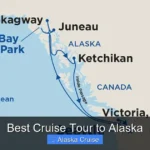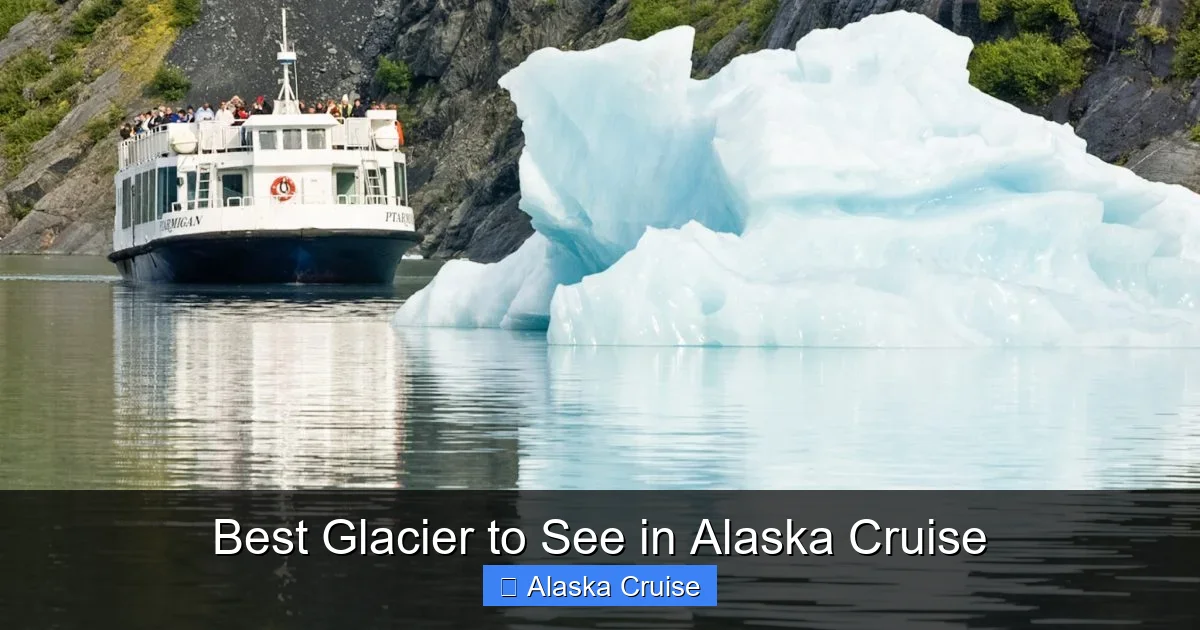
Choosing the best glacier to see in Alaska cruise depends on your interests, but Hubbard Glacier stands out for its size, accessibility, and dramatic calving events. This guide breaks down the top glaciers you’ll encounter, what makes each unique, and how to make the most of your icy adventure at sea.
Imagine standing on the deck of a cruise ship, the crisp Alaskan air filling your lungs, as a wall of ancient ice rises from the sea. In the distance, a thunderous crack echoes across the water—a massive chunk of glacier breaks free and crashes into the ocean. This is the magic of seeing a glacier in Alaska, and it’s an experience that stays with you long after the voyage ends.
Alaska is home to over 100,000 glaciers, covering nearly 29,000 square miles. These frozen rivers of ice have been carving the landscape for thousands of years, creating some of the most dramatic and beautiful scenery on Earth. For cruise passengers, witnessing a glacier up close is often the highlight of the trip. But with so many incredible options, which one should you prioritize?
The answer depends on what you’re looking for. Do you want sheer scale and power? Then Hubbard Glacier might be your top pick. Are you drawn to serene beauty and wildlife? Tracy Arm’s Sawyer Glaciers could be perfect. Or maybe you prefer a glacier you can hike to after your cruise? Mendenhall Glacier near Juneau offers that rare combination of accessibility and natural wonder.
In this guide, we’ll explore the best glaciers to see on an Alaska cruise, what makes each one special, and how to choose the right one for your adventure. Whether you’re a first-time cruiser or a seasoned traveler, this guide will help you make the most of your icy encounter in the Last Frontier.
Key Takeaways
- Hubbard Glacier is the largest tidewater glacier in North America and a top highlight on many Alaska cruise routes, offering massive ice calving and awe-inspiring views.
- Mendenhall Glacier near Juneau is easily accessible and perfect for shore excursions, hiking, and photography, even if you’re not on a cruise.
- Tracy Arm’s Sawyer Glaciers are surrounded by towering fjords and offer intimate, up-close encounters with ice and wildlife like seals and bears.
- Glacier Bay National Park features multiple active glaciers and is a UNESCO World Heritage Site, ideal for nature lovers and photographers.
- Weather and timing greatly affect glacier visibility—summer months (May to September) offer the best conditions for viewing and calving activity.
- Wildlife sightings are common near glaciers, including humpback whales, sea lions, and bald eagles, enhancing the overall experience.
- Choose your cruise itinerary wisely—some routes focus on specific glaciers, so match your preferences with the right ship and schedule.
📑 Table of Contents
- Why Glaciers Are a Must-See on an Alaska Cruise
- Hubbard Glacier: The Crown Jewel of Alaska Cruises
- Mendenhall Glacier: Accessible Wonder Near Juneau
- Tracy Arm and the Sawyer Glaciers: A Fjord Adventure
- Glacier Bay National Park: A UNESCO Treasure
- Tips for Seeing Glaciers on an Alaska Cruise
- Conclusion: Choosing Your Perfect Glacier Experience
Why Glaciers Are a Must-See on an Alaska Cruise
Glaciers are more than just frozen water—they’re living, moving landscapes that shape the environment around them. On an Alaska cruise, glaciers offer a rare chance to witness the raw power of nature in real time. Unlike mountains or forests, glaciers are dynamic. They advance and retreat, calve icebergs, and reflect light in dazzling shades of blue.
One of the most thrilling aspects of seeing a glacier from a cruise ship is the sound. The deep groans and sudden cracks of calving ice create an auditory experience you can’t get anywhere else. It’s nature’s symphony, played out on a massive scale. And when a chunk of ice the size of a building crashes into the water, the resulting wave can rock your ship—safely, of course, but with enough force to remind you of nature’s might.
Beyond the spectacle, glaciers are vital to Alaska’s ecosystem. They feed rivers, support marine life, and influence local weather patterns. Many glaciers are also indicators of climate change, with scientists studying their retreat to understand global warming. Seeing them in person adds a layer of meaning—you’re not just a tourist; you’re a witness to Earth’s changing story.
For photographers, glaciers offer endless inspiration. The contrast between dark rock, turquoise water, and brilliant white ice creates stunning compositions. Early morning light, when the sun hits the ice at a low angle, brings out the deep blues hidden within the glacier’s core. And if you’re lucky, you might catch a rainbow forming in the mist of a calving event.
But glaciers aren’t just for sightseeing. They’re also gateways to adventure. Many cruise lines offer optional excursions like kayaking near glaciers, hiking on ice fields, or even helicopter tours that land on the ice. These activities let you get even closer to the action and create memories that go beyond the typical cruise experience.
Hubbard Glacier: The Crown Jewel of Alaska Cruises
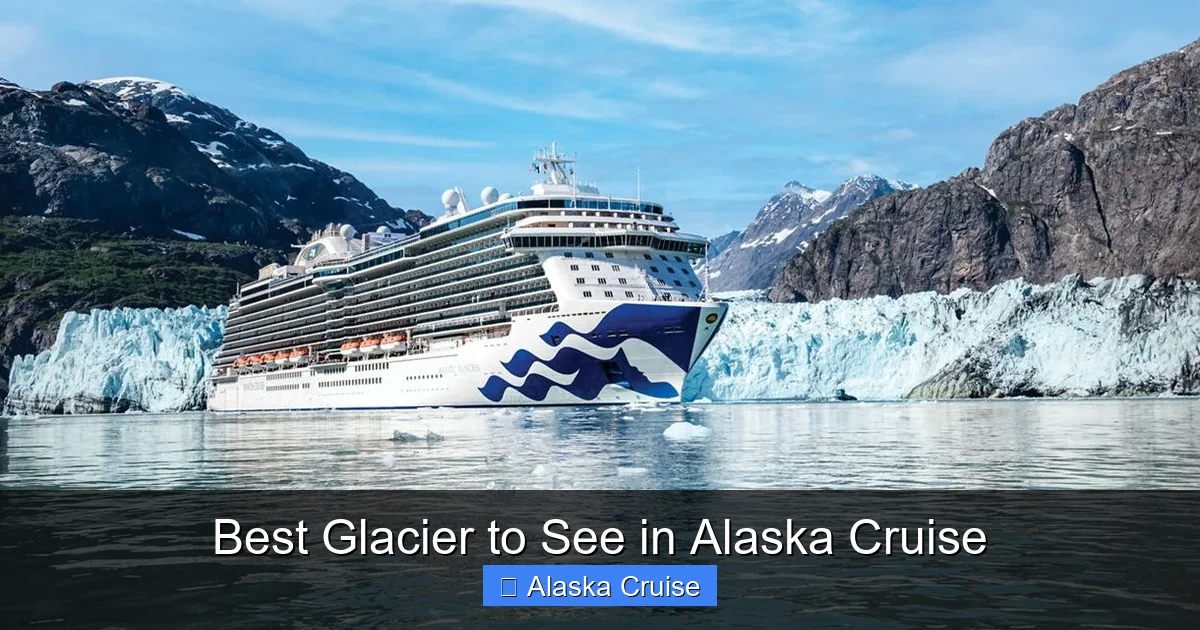
Visual guide about Best Glacier to See in Alaska Cruise
Image source: assets.princess.com
If there’s one glacier that dominates the Alaska cruise scene, it’s Hubbard Glacier. Located in Disenchantment Bay near Yakutat, this massive ice formation is the largest tidewater glacier in North America. Stretching over 7 miles wide and rising up to 400 feet above the water, Hubbard Glacier is a true natural wonder.
What makes Hubbard so special is its size and activity. Unlike many glaciers that are retreating, Hubbard has been advancing for decades. In fact, it’s grown so much that it has occasionally blocked the entrance to Russell Fjord, creating a temporary lake. This rare behavior has earned it the nickname “the galloping glacier.”
When cruise ships approach Hubbard, the experience is nothing short of dramatic. The ship slows to a crawl, allowing passengers to take in the full scale of the ice wall. The glacier’s surface is a mosaic of crevasses, seracs (towering ice formations), and deep blue meltwater pools. As the ship gets closer, the sound of cracking ice becomes more frequent—a reminder that this glacier is alive and constantly changing.
One of the best times to see Hubbard is in the late afternoon, when the low sun casts long shadows across the ice, highlighting its textures and colors. The reflection of the glacier in the calm waters of Disenchantment Bay creates a mirror-like effect that’s perfect for photography.
Wildlife is also abundant in the area. Keep an eye out for harbor seals resting on icebergs, bald eagles soaring overhead, and even the occasional sea otter. Humpback whales are known to feed in the nutrient-rich waters near the glacier, adding another layer of excitement to the experience.
Most major cruise lines include Hubbard Glacier on their itineraries, especially those sailing the Gulf of Alaska route. Ships typically spend several hours in the area, giving passengers plenty of time to enjoy the view from multiple decks. Some lines even offer naturalist talks or live commentary to explain the glacier’s geology and history.
Mendenhall Glacier: Accessible Wonder Near Juneau
While Hubbard Glacier impresses with its scale, Mendenhall Glacier wins points for accessibility. Located just 12 miles from downtown Juneau, this glacier is one of the most visited in Alaska—and for good reason. It’s easily reachable by car, shuttle, or even a short flight from the cruise port, making it a favorite for shore excursions.
Mendenhall stretches over 13 miles and flows from the Juneau Icefield down to Mendenhall Lake. What sets it apart is the variety of ways you can experience it. You can view it from the visitor center, hike the trails around the lake, or even take a guided ice walk onto the glacier itself.
The Mendenhall Glacier Visitor Center is a great starting point. It offers exhibits on glacier science, local wildlife, and the Tlingit culture. From the observation deck, you can see the glacier’s face and the turquoise lake it feeds. The center also has a café and gift shop, making it a comfortable stop even in unpredictable weather.
For a more active experience, try the Nugget Falls Trail. This moderate hike takes you along the lake and ends at a stunning waterfall that cascades down a cliff face near the glacier. The trail is well-maintained and offers several viewpoints, including one where you can see the glacier and waterfall in the same frame—a photographer’s dream.
If you’re feeling adventurous, consider a guided glacier trek. Companies like Alaska Nature Guides offer half-day tours that include crampons, ice axes, and safety gear. These tours take you onto the glacier’s surface, where you can explore crevasses, blue ice caves, and meltwater streams. It’s a surreal experience, walking on ice that’s thousands of years old.
One thing to keep in mind: Mendenhall Glacier is retreating. Scientists estimate it could disappear from view from the visitor center by 2070. So seeing it now is a chance to witness a vanishing wonder. The retreat has also created new landscapes, like the growing lake and exposed rock, which are fascinating in their own right.
Tracy Arm and the Sawyer Glaciers: A Fjord Adventure
For a more intimate and dramatic glacier experience, head to Tracy Arm. This narrow fjord, located near Juneau, is often described as one of the most beautiful places in Alaska. It’s home to two active tidewater glaciers—South Sawyer and North Sawyer—both of which calve icebergs directly into the water.
What makes Tracy Arm special is its setting. The fjord is flanked by towering granite cliffs that rise over 3,000 feet on either side. Waterfalls cascade down the rock faces, and old-growth forests cling to the slopes. The water is a deep, glassy green, reflecting the sky and surrounding peaks like a mirror.
Cruise ships that enter Tracy Arm typically do so early in the morning, when the water is calmest. The journey into the fjord is slow and peaceful, allowing passengers to soak in the scenery. As you get closer to the glaciers, the air grows colder, and the sound of dripping water and cracking ice becomes more pronounced.
The Sawyer Glaciers are smaller than Hubbard, but their location makes them incredibly photogenic. South Sawyer Glacier, in particular, is known for its frequent calving. Watching a wall of ice break off and crash into the water is both thrilling and humbling. The resulting icebergs float in the fjord, some as large as houses, creating a surreal landscape.
Wildlife is abundant in Tracy Arm. Harbor seals often rest on icebergs, using them as safe platforms to give birth and nurse their pups. Black bears can sometimes be spotted along the shoreline, foraging for berries or salmon. And if you’re lucky, you might see a humpback whale or orca swimming in the fjord.
Because Tracy Arm is narrow and remote, not all cruise ships can enter. Smaller ships and expedition vessels are more likely to make the journey, offering a more personalized experience. Some lines also offer kayaking excursions in the fjord, allowing you to paddle among the icebergs and get even closer to the glaciers.
Glacier Bay National Park: A UNESCO Treasure
Glacier Bay National Park is a UNESCO World Heritage Site and one of the most protected natural areas in the world. Located near Gustavus, Alaska, the park is home to over a dozen active glaciers, including the famous Margerie and Grand Pacific Glaciers.
What sets Glacier Bay apart is its diversity. Unlike other glacier destinations that focus on a single ice formation, Glacier Bay offers a panoramic view of multiple glaciers, each with its own character. Margerie Glacier, for example, is known for its deep blue ice and frequent calving. Grand Pacific Glacier, on the other hand, is slower-moving and often surrounded by icebergs.
The park is also a haven for wildlife. Humpback whales, sea otters, and harbor seals are common, and brown bears can often be seen along the shoreline. The park’s rich marine ecosystem supports a variety of fish, birds, and marine mammals, making it a hotspot for nature lovers.
Cruise ships that visit Glacier Bay typically spend a full day in the park, often with a National Park Service ranger on board to provide commentary. The ranger explains the park’s geology, ecology, and conservation efforts, adding depth to the experience.
One of the best ways to see Glacier Bay is from the water. The park’s fjords are deep and narrow, allowing ships to get close to the glaciers without disturbing the environment. The silence of the bay, broken only by the sound of calving ice, creates a sense of peace and wonder.
Tips for Seeing Glaciers on an Alaska Cruise
Seeing a glacier is a highlight of any Alaska cruise, but a little preparation can make the experience even better. Here are some practical tips to help you get the most out of your icy adventure.
First, dress in layers. Even in summer, it can be cold near glaciers, especially on deck. Bring a waterproof jacket, warm hat, and gloves. Sunglasses and sunscreen are also essential—the ice reflects sunlight, increasing your exposure.
Second, bring binoculars. While the ship gets close, binoculars let you see details like crevasses, wildlife, and calving events that might be hard to spot with the naked eye.
Third, be patient. Glaciers don’t calve on schedule. Sometimes you’ll see multiple events in an hour; other times, you might wait in silence. Use the time to enjoy the scenery, take photos, or chat with fellow passengers.
Fourth, choose your cruise line wisely. Some lines, like Holland America and Princess, have long-standing relationships with Glacier Bay and offer expert naturalists on board. Others, like UnCruise Adventures, focus on small-ship expeditions with more intimate glacier experiences.
Finally, respect the environment. Glaciers are fragile ecosystems. Stay on designated paths, don’t disturb wildlife, and follow your guide’s instructions. Remember, you’re a guest in one of the most pristine places on Earth.
Conclusion: Choosing Your Perfect Glacier Experience
There’s no single “best” glacier to see in Alaska—each offers something unique. Hubbard Glacier wows with its size and power, Mendenhall Glacier charms with its accessibility, Tracy Arm dazzles with its fjord setting, and Glacier Bay impresses with its diversity and protection.
Your choice will depend on your interests, cruise itinerary, and travel style. If you want drama and scale, go for Hubbard. If you prefer a mix of glacier and city life, Mendenhall is ideal. For a remote, immersive experience, Tracy Arm or Glacier Bay might be your best bet.
No matter which glacier you see, one thing is certain: you’ll leave Alaska with memories that last a lifetime. The sight of ancient ice rising from the sea, the sound of calving echoing across the water, and the feeling of standing in one of Earth’s last wild places—these are the moments that define an Alaska cruise.
So pack your bags, bring your camera, and get ready for the adventure of a lifetime. The glaciers of Alaska are waiting.
Frequently Asked Questions
Which glacier is the most accessible from a cruise ship?
Mendenhall Glacier near Juneau is the most accessible, located just 12 miles from the cruise port. You can reach it by shuttle, taxi, or even a short flight, making it a popular shore excursion.
Can you walk on a glacier during an Alaska cruise?
Yes, many cruise lines offer guided glacier treks as optional excursions. These tours provide safety gear and take you onto the ice for a hands-on experience, often near Mendenhall or in Glacier Bay.
What time of year is best to see glaciers in Alaska?
The best time is from May to September, when weather is milder, daylight is long, and calving activity is at its peak. July and August are the most popular months for cruising.
Do all Alaska cruises visit glaciers?
Most do, but the specific glaciers vary by itinerary. Gulf of Alaska routes often include Hubbard Glacier, while Inside Passage cruises may feature Tracy Arm or Glacier Bay.
Are glaciers safe to view from a cruise ship?
Yes, cruise ships maintain a safe distance from active calving zones. Trained crew and naturalists monitor conditions to ensure passenger safety while providing close-up views.
Why do glaciers appear blue?
Glacier ice appears blue because the dense, compressed ice absorbs all colors of light except blue, which is scattered and reflected back to our eyes.