Experience the breathtaking beauty of Alaska’s glaciers on a day cruise that combines comfort, education, and awe-inspiring scenery. From towering ice formations to playful marine life, these cruises offer a front-row seat to nature’s grandeur—perfect for travelers seeking adventure without an overnight stay.
Imagine standing on the deck of a ship, the crisp Alaskan air filling your lungs, as a wall of blue ice rises hundreds of feet above the water. Below, the ocean churns with chunks of ancient glacier freshly calved into the sea. Around you, the silence is broken only by the distant cry of a bald eagle and the occasional splash of a breaching humpback whale. This is the magic of the best glacier day cruise in Alaska—a once-in-a-lifetime experience that blends natural wonder, adventure, and education into a single unforgettable day.
Alaska’s coastline is home to some of the most dramatic and accessible glaciers on Earth. Unlike glaciers tucked away in remote mountain ranges, many of Alaska’s tidewater glaciers flow directly into the ocean, creating a dynamic and ever-changing landscape. A day cruise offers the perfect way to witness this spectacle without the need for multi-day expeditions or strenuous hiking. Whether you’re cruising through the icy waters of Glacier Bay National Park, exploring the fjords near Juneau, or navigating the serene bays around Seward, you’re guaranteed jaw-dropping views and moments that will stay with you long after the journey ends.
What makes a glacier day cruise truly special is the combination of comfort and immersion. Modern vessels are designed with large panoramic windows, heated indoor lounges, and spacious outdoor decks, ensuring you can enjoy the views no matter the weather. Onboard naturalists provide live commentary, sharing fascinating insights about glacial formation, climate change, and the rich biodiversity of the region. And with departures timed to maximize wildlife sightings and optimal lighting for photography, these cruises are crafted to deliver the full Alaskan experience in just a few hours.
Key Takeaways
- Stunning Glacier Views: Get up close to massive tidewater glaciers like Margerie and Johns Hopkins, where you can witness calving events and hear the thunderous crack of ice.
- Wildlife Spotting Opportunities: See humpback whales, sea lions, harbor seals, bald eagles, and porpoises in their natural habitat along the coast.
- Expert Naturalist Guides: Learn about glacial geology, marine ecosystems, and local history from knowledgeable onboard naturalists.
- Comfortable and Safe Vessels: Modern ships with heated cabins, large viewing decks, and stable designs ensure a smooth and enjoyable ride in all weather.
- Flexible Day Trip Options: Most cruises last 4–8 hours and depart from popular ports like Juneau, Skagway, and Seward, fitting easily into cruise itineraries or land tours.
- Eco-Friendly Practices: Reputable operators follow strict environmental guidelines to minimize impact on fragile ecosystems.
- Perfect for All Ages: Whether you’re traveling solo, as a couple, or with family, glacier day cruises offer something magical for everyone.
📑 Table of Contents
Why Choose a Glacier Day Cruise in Alaska?
Alaska is synonymous with wild, untamed nature, and its glaciers are among the most iconic natural features on the planet. But why opt for a day cruise instead of other ways to see the ice? The answer lies in accessibility, safety, and the sheer scale of what you can experience in a short time.
First, a glacier day cruise brings you closer to the action than most land-based viewpoints. While you can see glaciers from trails or scenic overlooks, nothing compares to being on the water, where you can hear the deep groans of shifting ice and feel the cool mist from a calving event. These cruises often navigate into narrow inlets and fjords that are impossible to reach by foot, offering views of glaciers from angles you simply can’t get elsewhere.
Second, day cruises are ideal for travelers with limited time. Many visitors to Alaska are on cruise ships or short land tours, and a full-day glacier excursion fits perfectly into a tight schedule. Most depart early in the morning and return by late afternoon, allowing you to explore towns like Juneau or Skagway before or after your adventure.
Third, these cruises are designed with comfort and safety in mind. Alaska’s weather can be unpredictable, with sudden fog, wind, or rain. Reputable operators use stable, well-maintained vessels with experienced captains who know the waters intimately. Heated cabins, restrooms, and snack bars ensure you stay comfortable, even on chilly days.
Finally, a glacier day cruise is a sustainable way to experience Alaska’s natural wonders. Responsible tour companies follow strict guidelines to protect marine life and minimize their environmental footprint. By choosing a certified eco-friendly operator, you can enjoy the beauty of the glaciers while supporting conservation efforts.
Top Glacier Day Cruise Destinations in Alaska
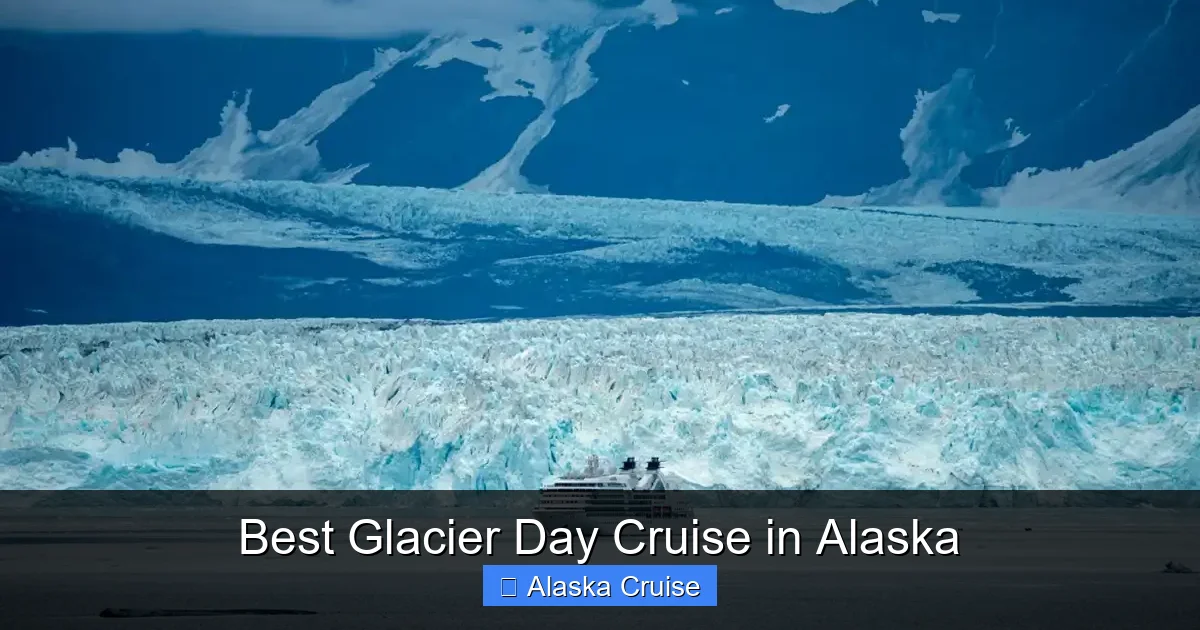
Visual guide about Best Glacier Day Cruise in Alaska
Image source: alaskaitinerary.com
Alaska is vast, and its glaciers are spread across several stunning regions. The best glacier day cruise for you will depend on where you’re staying or cruising, but here are the top destinations that consistently deliver unforgettable experiences.
Glacier Bay National Park (Near Gustavus)
Glacier Bay is a UNESCO World Heritage Site and one of the most celebrated glacier destinations in the world. Accessible primarily by small cruise ships or day tours from Gustavus, this protected park is home to over a dozen active tidewater glaciers, including the famous Margerie and Lamplugh Glaciers.
A typical day cruise here takes you deep into the bay, where towering walls of ice rise from the water like ancient cathedrals. The Margerie Glacier, in particular, is known for its frequent calving events—when massive chunks of ice break off and crash into the sea, sending up plumes of water and echoing booms that reverberate across the bay. The park is also a haven for wildlife, with humpback whales feeding in the nutrient-rich waters and brown bears roaming the shores.
One of the best ways to experience Glacier Bay is on a small-ship cruise operated by companies like Alaskan Dream Cruises or the National Park Service’s official tour boats. These vessels carry fewer passengers, allowing for a more intimate experience and better access to remote areas. Most tours include a stop at Bartlett Cove, where you can visit the park visitor center and learn about the region’s natural and cultural history.
Tracy Arm Fjord (Near Juneau)
Just a short boat ride from Juneau, Tracy Arm is a narrow, winding fjord surrounded by steep granite cliffs and cascading waterfalls. At its end lie the twin Sawyer Glaciers—North and South Sawyer—which calve directly into the deep, turquoise waters of the fjord.
A day cruise through Tracy Arm is like stepping into a postcard. The silence is profound, broken only by the drip of melting ice and the occasional call of a mountain goat high on the cliffs. As your boat inches closer to the glaciers, you’ll be awed by the sheer scale of the ice walls, some of which rise over 300 feet above the water.
Wildlife sightings are common here, too. Harbor seals often rest on floating icebergs, while black bears forage along the shoreline. On clear days, you might even spot a moose wading in the shallow coves. Because Tracy Arm is narrower than other fjords, the sense of enclosure and drama is heightened, making it one of the most photogenic glacier destinations in Alaska.
Popular operators like Harv and Marv’s Outback Charters and Major Marine Tours offer day trips to Tracy Arm, with options for kayaking or guided hikes once you reach the glacier’s edge. These tours often include a stop at the historic Gold Creek, where you can learn about Juneau’s gold mining past.
Kenai Fjords National Park (Near Seward)
Located on the Kenai Peninsula, Kenai Fjords National Park is home to the Harding Icefield, one of the largest ice fields in the United States. While the icefield itself is only accessible by helicopter or strenuous hike, the park’s tidewater glaciers—like Holgate and Aialik—are easily reached by boat.
A day cruise from Seward takes you into the heart of the fjords, where you’ll glide past glaciers that spill directly into the ocean. The Holgate Glacier is a favorite among visitors for its active calving and dramatic blue ice. The surrounding waters are teeming with marine life, including orcas, sea otters, and puffins.
One of the unique aspects of a Kenai Fjords cruise is the chance to see glaciers from multiple angles. Some tours include a stop at a sea lion rookery or a guided kayak excursion, allowing you to paddle among icebergs and get even closer to the ice. Companies like Kenai Fjords Tours and Major Marine Tours offer a range of options, from half-day wildlife cruises to full-day glacier adventures.
Hubbard Glacier (Near Yakutat)
Though less accessible than other destinations, Hubbard Glacier is worth the effort for those seeking a truly remote experience. At over 7 miles wide and 700 feet tall, it’s one of the largest tidewater glaciers in North America.
Day cruises to Hubbard Glacier typically depart from Yakutat or nearby cruise ships, offering a rare chance to see a glacier that’s still advancing—unlike most glaciers, which are retreating due to climate change. The sheer size of Hubbard is staggering, and the calving events here are among the most powerful in Alaska.
Because of its remote location, tours to Hubbard Glacier are less frequent and often more expensive. However, for travelers looking to escape the crowds and witness one of nature’s true giants, it’s an unparalleled experience.
What to Expect on a Glacier Day Cruise
So, what does a typical day on a glacier cruise look like? While each tour varies slightly depending on the operator and destination, most follow a similar pattern designed to maximize your experience.
Departure and Check-In
Most cruises depart early in the morning—between 7:00 and 9:00 AM—to take advantage of calm seas and optimal lighting. You’ll meet at a designated dock, usually in a town like Juneau, Seward, or Skagway, where you’ll check in, receive a safety briefing, and board the vessel.
Many operators provide complimentary coffee, tea, and light snacks upon boarding. Some even offer rain gear or binoculars for rent, though it’s a good idea to bring your own layers and a waterproof jacket.
Onboard Experience
Once underway, you’ll have access to both indoor and outdoor viewing areas. The indoor lounge typically features large windows, comfortable seating, and a snack bar. This is a great place to warm up, enjoy a meal, or listen to the naturalist’s commentary.
Outdoor decks are where the real action happens. You’ll want to dress in layers, as temperatures can drop significantly once you’re on the water. Don’t forget sunglasses, sunscreen, and a camera with extra batteries—Alaska’s light can be intense, especially when reflecting off the ice.
Throughout the cruise, a naturalist or guide will provide live commentary, explaining the geology of the glaciers, the history of the region, and the wildlife you’re likely to see. Many tours also include a short educational presentation or a Q&A session.
Glacier Viewing and Calving
As you approach the glacier, the boat will slow down and often stop at a safe distance—usually about 100–200 yards—to allow for viewing and photography. This is when the real magic happens. You’ll hear the glacier “sing” as it shifts and cracks, and you may witness a calving event, where a massive chunk of ice breaks off and crashes into the water.
Calving can be unpredictable, but experienced captains know the best spots and times to maximize your chances. Some glaciers, like Margerie and Holgate, are particularly active and offer frequent calving displays.
Wildlife Encounters
While the glaciers are the main attraction, the wildlife is equally captivating. Keep your eyes peeled for:
– **Humpback whales:** Often seen feeding in the nutrient-rich waters near glaciers.
– **Sea lions and harbor seals:** Frequently spotted lounging on icebergs or rocky outcrops.
– **Bald eagles:** Soaring overhead or perched in tall trees along the shoreline.
– **Porpoises and dolphins:** Racing alongside the boat in playful bursts.
– **Puffins and other seabirds:** Nesting on cliffs and diving for fish.
Your naturalist will point out these animals and explain their behaviors, making the experience both fun and educational.
Return and Debrief
After spending 1–2 hours near the glacier, the boat will begin its return journey. This is a great time to relax, review your photos, or chat with fellow passengers. Some operators offer a light lunch or snack on the way back, while others provide a summary of the day’s highlights.
Most cruises return to port by 3:00 or 4:00 PM, giving you plenty of time to explore the town or catch a connecting flight.
Tips for Choosing the Best Glacier Day Cruise
With so many options available, how do you choose the right cruise for your trip? Here are some practical tips to help you make the best decision.
Research the Operator
Not all cruise companies are created equal. Look for operators with strong safety records, experienced captains, and knowledgeable naturalist guides. Read reviews on sites like TripAdvisor or Google to see what past passengers have to say.
Reputable companies will also be transparent about their environmental practices. Ask if they follow guidelines set by organizations like the Alaska SeaLife Center or the National Park Service.
Consider the Size of the Vessel
Smaller boats (under 100 passengers) offer a more intimate experience and can navigate closer to glaciers and wildlife. Larger ships may be more stable in rough seas but can feel crowded and less personal.
If you’re prone to motion sickness, opt for a larger, more stable vessel. If you want a quieter, more immersive experience, go small.
Check the Itinerary and Duration
Some cruises focus solely on glaciers, while others combine glacier viewing with wildlife tours, kayaking, or cultural stops. Decide what’s most important to you.
Also, consider the length of the cruise. Half-day tours (4–5 hours) are great for those with limited time, while full-day excursions (7–8 hours) allow for more exploration and a deeper experience.
Book in Advance
Glacier day cruises are popular, especially during peak season (May to September). Book your tour as early as possible to secure your spot and get the best rates.
Many operators offer online booking with instant confirmation, making it easy to plan ahead.
Dress Appropriately
Alaska’s weather can change quickly, even in summer. Dress in layers, starting with a moisture-wicking base layer, adding a fleece or sweater, and topping it off with a waterproof jacket and pants.
Don’t forget:
– Warm hat and gloves
– Non-slip, waterproof footwear
– Sunglasses and sunscreen
– Binoculars and a camera with extra batteries
Bring Snacks and Water
While most cruises offer snacks and drinks, it’s a good idea to bring your own water bottle and a few energy bars. You’ll be outside for long periods, and staying hydrated and fueled is important.
Safety and Environmental Responsibility
Safety is a top priority on any glacier day cruise. Reputable operators follow strict protocols to ensure passenger well-being, including:
– Life jackets for all passengers
– Regular safety drills and briefings
– Experienced captains with local knowledge
– Emergency communication systems
Environmental responsibility is equally important. Alaska’s ecosystems are fragile, and human activity can have lasting impacts. Look for tours that:
– Maintain a safe distance from wildlife
– Avoid disturbing nesting birds or marine mammals
– Use eco-friendly cleaning products and waste disposal methods
– Support local conservation efforts
By choosing a responsible operator, you help protect the very landscapes you’ve come to admire.
Conclusion
A glacier day cruise in Alaska is more than just a sightseeing trip—it’s a journey into the heart of one of the world’s last great wildernesses. Whether you’re marveling at the towering walls of ice in Glacier Bay, gliding through the serene waters of Tracy Arm, or spotting whales in Kenai Fjords, you’ll be reminded of the raw power and beauty of nature.
These cruises offer the perfect blend of adventure, education, and comfort, making them ideal for travelers of all ages and interests. With expert guides, stunning scenery, and unforgettable wildlife encounters, it’s no wonder that the best glacier day cruise in Alaska is a bucket-list experience for so many.
So pack your bags, dress in layers, and get ready to witness the magic of Alaska’s glaciers up close. It’s a day you’ll never forget.
Frequently Asked Questions
How close can you get to a glacier on a day cruise?
Most cruises maintain a safe distance of about 100–200 yards from the glacier face to protect both passengers and the environment. This allows for stunning views and photography while minimizing the risk from calving events.
Is a glacier day cruise suitable for children?
Yes, most glacier day cruises are family-friendly and welcome children of all ages. Many operators provide life jackets in child sizes and offer engaging commentary to keep kids interested.
What should I wear on a glacier cruise?
Dress in warm, waterproof layers, including a base layer, fleece, and a rain jacket. Wear non-slip shoes, a hat, gloves, and bring sunglasses and sunscreen. Weather can change quickly, so preparation is key.
Can I see whales on a glacier day cruise?
Absolutely! Humpback whales, orcas, and other marine mammals are commonly spotted near glaciers, especially in areas like Kenai Fjords and Glacier Bay. Your naturalist guide will help you identify them.
Are glacier day cruises affected by weather?
Yes, weather can impact visibility and sea conditions. However, most operators run tours in all but the worst weather. If your cruise is canceled due to safety concerns, you’ll typically receive a full refund or rescheduling option.
Do I need to book a glacier cruise in advance?
Yes, especially during peak season (June–August). Popular tours fill up quickly, so booking early ensures you get your preferred date and departure time.