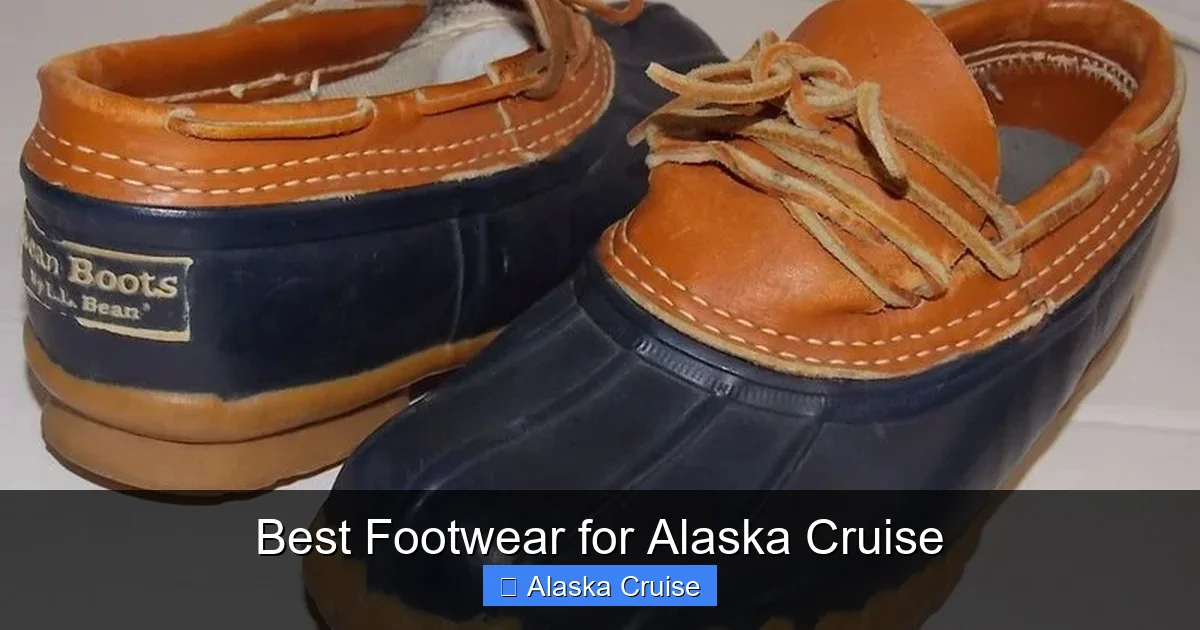
Choosing the best footwear for Alaska cruise travel is essential for comfort, safety, and enjoyment. With unpredictable weather, wet decks, and rugged shore excursions, you need shoes that keep your feet dry, warm, and supported. From waterproof boots to grippy deck shoes, we’ve got you covered.
Key Takeaways
- Waterproofing is non-negotiable: Alaska’s frequent rain and wet conditions demand shoes that keep your feet dry, especially on deck and during landings.
- Insulation matters in cold weather: Even in summer, temperatures can drop, so insulated footwear helps maintain warmth during early mornings and glacier visits.
- Traction is critical for safety: Slippery decks and rocky shorelines require soles with excellent grip to prevent slips and falls.
- Comfort and support are essential: Long days of walking and exploring mean you need cushioned, supportive shoes that won’t cause blisters or fatigue.
- Versatility saves space and weight: Pack shoes that work for multiple activities—like a hybrid hiking shoe that doubles as a deck shoe—to minimize luggage.
- Quick-drying materials are a must: If your shoes get wet, they should dry fast to avoid discomfort and odor buildup.
- Don’t forget the socks: Merino wool or synthetic moisture-wicking socks enhance comfort and warmth, even in damp conditions.
📑 Table of Contents
- Why Footwear Matters on an Alaska Cruise
- Understanding Alaska’s Climate and Terrain
- Top Features to Look for in Alaska Cruise Footwear
- Best Types of Footwear for Alaska Cruises
- Packing Tips: How Many Shoes Do You Really Need?
- Socks: The Unsung Hero of Foot Comfort
- Common Mistakes to Avoid
- Conclusion: Step Into Your Alaska Adventure with Confidence
Why Footwear Matters on an Alaska Cruise
An Alaska cruise is one of the most breathtaking travel experiences you can have. From towering glaciers and wildlife sightings to charming coastal towns and lush rainforests, the scenery is nothing short of magical. But with that beauty comes a unique set of challenges—especially when it comes to what you wear on your feet.
Alaska’s weather is famously unpredictable. One moment you’re basking in sunshine, and the next, you’re caught in a sudden downpour or walking through misty, damp trails. The ship’s decks can be slick, shore excursions often involve uneven terrain, and temperatures can vary dramatically from morning to evening. That’s why choosing the best footwear for Alaska cruise adventures isn’t just a suggestion—it’s a necessity.
Imagine stepping off the gangway onto a rocky beach, only to feel your shoes slipping with every step. Or worse, spending hours on a glacier tour with cold, wet feet because your boots aren’t insulated. These aren’t just minor inconveniences—they can ruin an otherwise perfect day. The right shoes keep you safe, comfortable, and ready to enjoy every moment of your journey.
This guide will walk you through everything you need to know about selecting the ideal footwear for your Alaska cruise. Whether you’re planning to hike through Tongass National Forest, explore Juneau’s historic streets, or simply relax on deck while watching whales breach, we’ll help you find shoes that match your itinerary and keep your feet happy.
Understanding Alaska’s Climate and Terrain
Visual guide about Best Footwear for Alaska Cruise
Image source: clmedia.s3.amazonaws.com
Before diving into specific shoe recommendations, it’s important to understand the environment you’ll be navigating. Alaska’s coastal regions—where most cruises travel—are part of a temperate rainforest climate. That means rain is common, even in the summer months. Average daytime temperatures during cruise season (May to September) range from 50°F to 70°F (10°C to 21°C), but it can feel cooler with wind and humidity.
Weather Patterns to Expect
Rainfall is frequent, especially in southeastern Alaska, which includes popular ports like Ketchikan and Sitka. You might experience light drizzle one hour and a steady rain the next. Fog is also common, reducing visibility and making surfaces damp. Even on sunny days, morning dew and mist can leave trails and decks wet.
Temperatures can drop significantly at night or during early morning excursions. If you’re visiting a glacier or taking a zodiac tour near icy waters, wind chill can make it feel much colder. Layering your clothing is smart, but don’t overlook your feet—cold toes can quickly ruin your mood.
Terrain Challenges
Shore excursions often take you off the beaten path. You might walk on muddy trails, rocky shorelines, wooden boardwalks, or even snow-covered paths near glaciers. Some hikes are well-maintained, while others are rugged and uneven. Cruise ships themselves have metal decks that become slippery when wet, and gangways can be steep and slick.
Wildlife viewing tours may require you to stand for long periods on damp ground or in small boats where spray is common. Even walking through small towns like Skagway or Haines can involve cobblestone streets or gravel paths that demand stable footing.
Understanding these conditions helps explain why the best footwear for Alaska cruise travel must be more than just stylish. It needs to be functional, durable, and adaptable to a wide range of environments.
Top Features to Look for in Alaska Cruise Footwear
Not all shoes are created equal—especially when it comes to handling Alaska’s demanding conditions. Here are the key features to prioritize when selecting your footwear.
Waterproof Construction
This is the number one priority. Look for shoes made with waterproof membranes like Gore-Tex or eVent, or treated with durable water repellent (DWR) coatings. Sealed seams and high-quality materials like full-grain leather or synthetic waterproof fabrics prevent water from seeping in.
Avoid canvas or mesh shoes unless they’re specifically designed to be quick-drying and water-resistant. Even then, they may not hold up in heavy rain or puddles. A good test: if water beads up and rolls off the surface, you’re on the right track.
Insulation for Warmth
While Alaska isn’t freezing in summer, it’s not warm either. Insulated boots or shoes with thermal linings help retain body heat, especially during early morning departures or glacier visits. Look for insulation rated for 200g to 400g of Thinsulate or similar materials—enough to keep you warm without overheating during active excursions.
Note: Over-insulating can cause sweat buildup, which leads to dampness. Choose breathable insulation that wicks moisture away from your skin.
Superior Traction and Grip
Slippery surfaces are a real hazard. Shoes with deep, multidirectional lugs and rubber outsoles (like Vibram) provide excellent grip on wet rocks, metal decks, and muddy trails. Avoid smooth soles or fashion-focused designs that prioritize looks over function.
Some shoes feature specialized tread patterns designed for marine environments—ideal for ship decks and boat landings. If you plan to do a lot of hiking, consider trail-running shoes or lightweight hiking boots with aggressive tread.
Comfort and Support
You’ll be on your feet for hours—whether exploring towns, hiking, or standing on deck watching wildlife. Look for shoes with cushioned midsoles, arch support, and a roomy toe box. Break them in before your trip to avoid blisters.
Consider shoes with removable insoles so you can customize the fit or replace them with orthotics if needed. A well-fitted shoe should feel snug but not tight, with no pinching or rubbing.
Quick-Drying Materials
Even the best waterproof shoes can get wet from the inside—from sweat or accidental immersion. Shoes made with quick-drying synthetics or mesh panels dry faster than leather or heavy fabrics. This is especially important if you’re packing light and wearing the same shoes multiple days in a row.
Lightweight and Packable
Cruise luggage space is limited. Choose shoes that are lightweight and, if possible, foldable or compressible. Avoid heavy, bulky boots unless absolutely necessary. A good pair of versatile shoes can often replace two or three less functional pairs.
Best Types of Footwear for Alaska Cruises
Now that you know what to look for, let’s explore the best shoe types for different activities and conditions.
Waterproof Hiking Boots
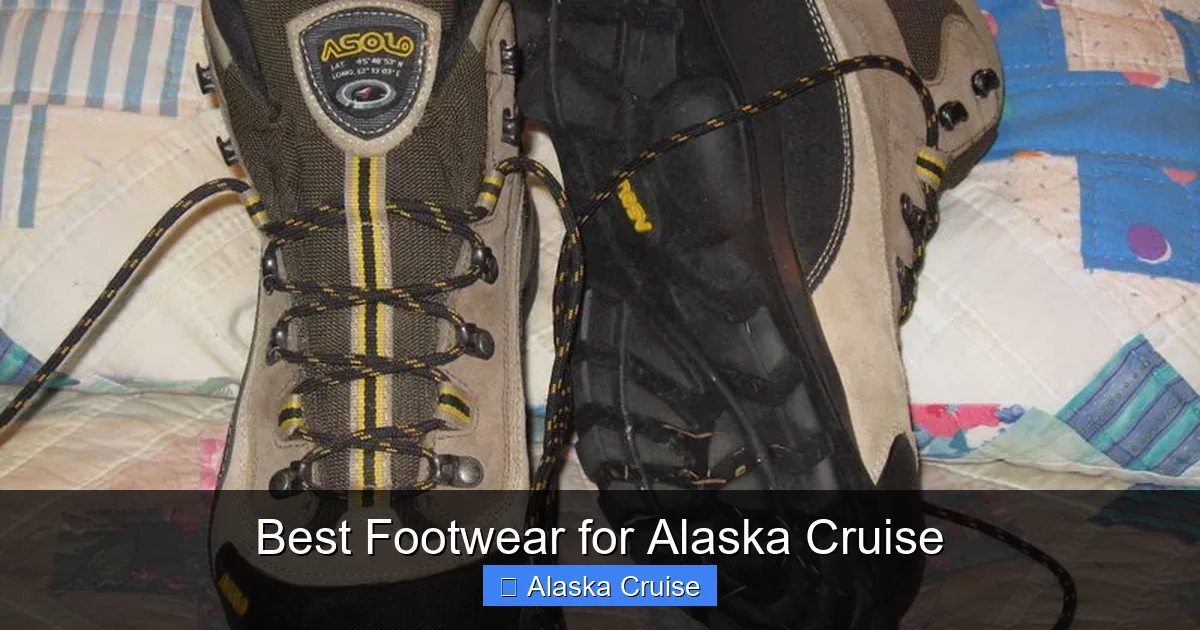
These are ideal for rugged shore excursions, glacier walks, and forest hikes. Look for mid-cut or high-cut boots that offer ankle support and protection from rocks and roots. Brands like Merrell, Salomon, and Keen offer excellent options with Gore-Tex lining and Vibram soles.
Example: The Merrell Moab 3 Waterproof is a favorite among travelers for its comfort, durability, and reliable waterproofing. It’s lightweight enough for long walks but sturdy enough for uneven terrain.
Tip: Pair these with merino wool socks for added warmth and moisture control.
Hybrid Trail Shoes
If you prefer something lighter than a full boot, hybrid trail shoes are a great compromise. They offer the grip and support of hiking shoes with the flexibility of sneakers. Many are waterproof and quick-drying, making them perfect for both ship decks and light trails.
Example: The Salomon X Ultra 4 GTX combines a sleek design with serious performance. It’s lightweight, breathable, and handles wet conditions with ease.
These are excellent for travelers who want one pair of shoes that can do it all—from walking through towns to short nature hikes.
Deck Shoes and Non-Slip Boat Shoes
For time spent on the ship, especially on wet decks, non-slip deck shoes are essential. These are typically low-cut, lightweight, and designed specifically for marine environments. Look for rubber soles with deep grooves and a snug fit to prevent slipping.
Example: The Sperry Top-Sider Authentic Original is a classic choice. It’s stylish, functional, and trusted by sailors for decades. Newer models feature advanced non-slip technology and quick-dry uppers.
Avoid leather-soled dress shoes—they’re dangerous on wet metal surfaces.
Insulated Waterproof Boots
If you’re cruising in early spring or late fall, or visiting colder regions like Glacier Bay, insulated boots are a smart choice. These are especially useful for early morning wildlife tours or glacier landings where snow may still be present.
Example: The Sorel Caribou Boot offers excellent warmth and waterproofing. It’s heavier than hiking boots, so reserve it for cold-weather excursions.
For most summer cruises, lighter insulated shoes or well-layered socks may suffice.
Water Shoes or Aqua Socks
If your itinerary includes kayaking, paddleboarding, or beach landings, water shoes are a must. They protect your feet from sharp rocks, shells, and cold water while providing grip on wet surfaces.
Example: The Aleader Water Shoes are lightweight, quick-drying, and offer good traction. They’re perfect for short water activities and can be worn over socks for extra warmth.
Note: These aren’t suitable for hiking or long walks—use them only for water-based activities.
Casual Walking Shoes
For exploring towns like Juneau or Ketchikan, a comfortable pair of casual walking shoes is useful. Look for waterproof or water-resistant options with good cushioning.
Example: The Ecco Soft 7 is a stylish, comfortable shoe that handles light rain and urban terrain with ease. It’s not for hiking, but it’s perfect for strolling through shops and cafes.
Packing Tips: How Many Shoes Do You Really Need?
One of the biggest challenges of cruise travel is packing efficiently. You don’t want to overpack, but you also don’t want to be stuck with the wrong shoes. Here’s a smart approach:
The 2-3 Shoe Rule
Most travelers can get by with just two or three pairs:
1. **Primary Excursion Shoe:** A waterproof hiking boot or hybrid trail shoe for shore activities.
2. **Deck Shoe:** A non-slip, quick-drying boat shoe for ship use.
3. **Optional Casual Shoe:** A lightweight, comfortable shoe for town walks or dinners.
If you’re doing multiple water activities, add a pair of water shoes. Avoid packing dress shoes unless your cruise line has formal nights—and even then, consider stylish yet functional options.
Maximize Versatility
Choose shoes that can multitask. For example, a hybrid trail shoe can work for hiking, walking on deck, and exploring towns. This reduces the need for multiple pairs.
Pack Smart
Use shoe bags or stuff shoes with socks to save space. Place heavier boots at the bottom of your suitcase. Consider packing a small shoe dryer or moisture-absorbing packets to keep shoes fresh between uses.
Break Them In
Never wear new shoes on your cruise. Break them in during the weeks leading up to your trip to avoid blisters and discomfort.
Socks: The Unsung Hero of Foot Comfort
Great shoes are only part of the equation. The right socks make a huge difference in comfort, warmth, and moisture management.
Choose the Right Material
Avoid cotton socks—they retain moisture and take forever to dry. Instead, opt for:
– **Merino Wool:** Naturally moisture-wicking, odor-resistant, and warm even when wet. Ideal for cold or damp conditions.
– **Synthetic Blends:** Materials like CoolMax or polyester wick sweat and dry quickly. Great for active excursions.
– **Wool-Synthetic Hybrids:** Combine the best of both worlds—warmth, breathability, and durability.
Layering Socks
In colder conditions, wear a thin moisture-wicking liner sock under a thicker wool sock. This helps manage sweat and adds insulation without cramping your toes.
Pack Extra Pairs
Bring at least one pair of socks per day, plus a few extras. Wet socks can ruin your day, so having dry backups is essential.
Common Mistakes to Avoid
Even experienced travelers make footwear mistakes on Alaska cruises. Here’s what to watch out for:
Wearing Fashion Over Function
Those cute sandals or leather loafers might look great in photos, but they’re impractical and unsafe. Prioritize performance over style.
Ignoring the Weather Forecast
Check the forecast for your ports of call. If rain is expected, make sure your shoes are ready. Don’t assume sunny skies will last.
Overpacking Shoes
Every extra pair takes up valuable space and adds weight. Stick to versatile, multi-use footwear.
Forgetting to Test Traction
Before your trip, test your shoes on wet surfaces. If they slip on your bathroom floor, they’ll be dangerous on a ship deck.
Neglecting Foot Care
Bring blister pads, foot powder, and a small first-aid kit. Even the best shoes can cause issues if your feet aren’t cared for.
Conclusion: Step Into Your Alaska Adventure with Confidence
An Alaska cruise is a journey of a lifetime, and your footwear plays a crucial role in how much you enjoy it. The best footwear for Alaska cruise travel isn’t just about staying dry—it’s about staying safe, comfortable, and ready for anything.
From waterproof hiking boots that tackle rugged trails to non-slip deck shoes that keep you steady on wet metal, the right shoes let you focus on the experience, not your feet. Pair them with quality socks, pack smart, and avoid common pitfalls, and you’ll be set for adventure.
Remember, Alaska rewards preparation. The more you plan, the more you’ll enjoy. So lace up, step out, and embrace the wild beauty of the Last Frontier—one confident step at a time.
Frequently Asked Questions
Do I need waterproof shoes for an Alaska cruise?
Yes, waterproof shoes are essential. Alaska’s frequent rain and wet conditions mean your feet will stay dry and comfortable only with proper waterproof footwear.
Can I wear sneakers on an Alaska cruise?
Regular sneakers aren’t ideal unless they’re waterproof and have good traction. Look for trail-running or hybrid shoes designed for wet, uneven terrain.
Are hiking boots necessary for an Alaska cruise?
Hiking boots are recommended if you plan to do rugged shore excursions. For lighter walks, hybrid trail shoes or waterproof walking shoes may suffice.
What kind of socks should I wear on an Alaska cruise?
Choose merino wool or moisture-wicking synthetic socks. Avoid cotton, as it retains moisture and can lead to cold, uncomfortable feet.
How many pairs of shoes should I pack?
Two to three pairs are usually enough: one for excursions, one for the ship, and optionally one for casual wear. Prioritize versatility.
Can I wear sandals on an Alaska cruise?
Sandals are not recommended due to cold temperatures, wet conditions, and slippery decks. If you bring them, reserve them for indoor use only.