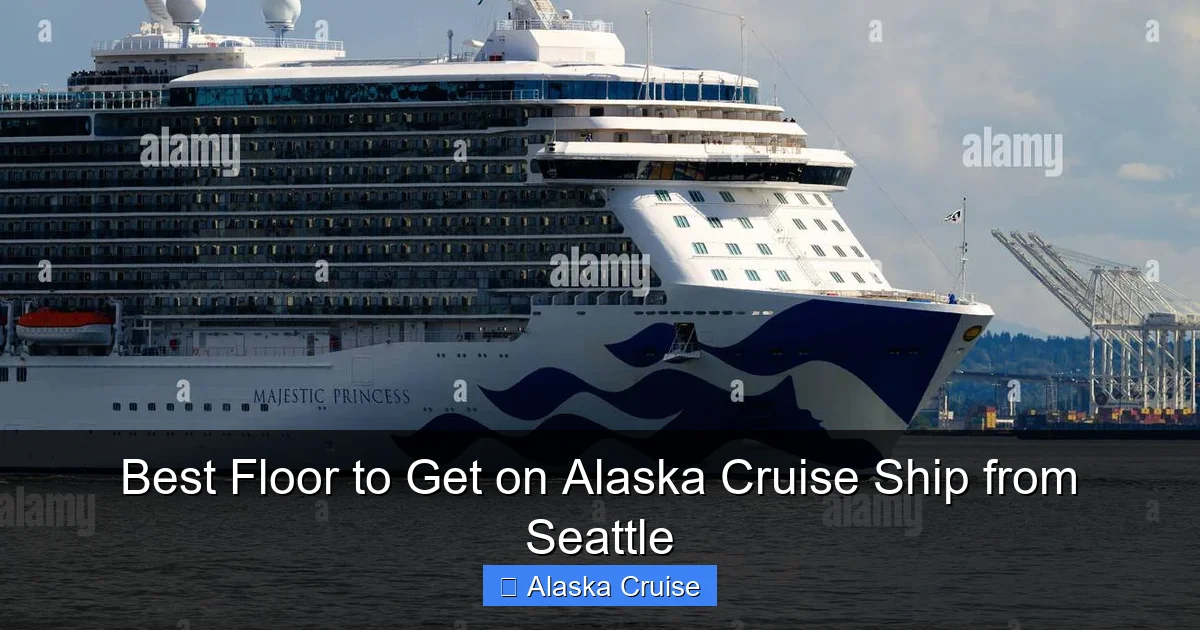
Choosing the best floor to get on an Alaska cruise ship from Seattle can dramatically improve your experience. Higher decks offer breathtaking views and quieter spaces, while mid-level floors provide easy access to dining and activities. Your ideal floor depends on priorities like scenery, convenience, and budget.
Planning an Alaska cruise from Seattle is one of the most exciting travel decisions you can make. The rugged coastline, towering glaciers, and abundant wildlife create a once-in-a-lifetime experience. But before you even step aboard, one of the most important choices you’ll make is selecting the right floor—or deck—on your cruise ship. It might seem like a small detail, but the deck you choose can significantly impact your comfort, convenience, and overall enjoyment of the journey.
Alaska cruises are unique because the scenery is the main attraction. Unlike tropical cruises where the focus is on beaches and onboard activities, Alaska cruises are all about the views. Whether you’re sailing past snow-capped mountains, watching humpback whales breach, or marveling at a calving glacier, you’ll want to be in the best possible position to take it all in. That’s why choosing the best floor to get on an Alaska cruise ship from Seattle isn’t just about where your cabin is—it’s about maximizing your access to Alaska’s natural wonders.
But it’s not just about the views. The deck you choose also affects how easily you can get around the ship, how much noise you’ll hear, and even how much you’ll pay. Some decks are closer to the action—dining rooms, pools, and entertainment venues—while others offer peace and quiet. Some are more prone to motion, while others stay steadier in rough seas. And of course, higher decks often come with higher price tags. So how do you decide? Let’s break it down deck by deck, so you can make the smartest choice for your Alaska adventure.
Key Takeaways
- Higher decks (10–14) offer panoramic views of glaciers, wildlife, and coastal scenery—ideal for photographers and nature lovers.
- Mid-level floors (6–9) balance convenience and views, with quick access to main dining rooms, theaters, and lounges.
- Lower decks (3–5) are more budget-friendly and often quieter, but may have limited ocean views or interior cabins.
- Forward and aft cabins provide unique perspectives—forward for sunrise views, aft for sunset and wake views.
- Mid-ship cabins reduce motion sickness due to less sway, making them ideal for sensitive travelers.
- Balcony cabins on upper decks maximize Alaska’s beauty, especially in scenic areas like Tracy Arm or Glacier Bay.
- Check your ship’s deck plan before booking—layouts vary by cruise line and vessel.
📑 Table of Contents
- Why Deck Selection Matters on an Alaska Cruise
- Understanding Cruise Ship Deck Layouts
- Best Floors for Scenic Views and Photography
- Mid-Level Decks: The Balance of Convenience and Comfort
- Lower Decks: Budget-Friendly and Quiet
- Special Considerations: Forward, Aft, and Mid-Ship Cabins
- Tips for Choosing the Best Floor for Your Alaska Cruise
- Conclusion
Why Deck Selection Matters on an Alaska Cruise
When you’re cruising through the Inside Passage or approaching Glacier Bay, every deck offers a different experience. The right floor can mean the difference between a good trip and a great one. On an Alaska cruise, the scenery changes constantly—dense forests give way to icy fjords, and quiet coves open up to massive ice fields. Being on the right deck ensures you don’t miss a moment.
One of the biggest reasons deck selection matters is visibility. Alaska’s beauty is best appreciated from open decks and balconies, especially during scenic cruising days. If your cabin is on a lower deck with no view, you might spend more time searching for a spot to watch the landscape unfold. But if you’re on a higher deck with a balcony, you can enjoy the views from the comfort of your room—even in the early morning or late evening when public decks might be crowded.
Another factor is convenience. Mid-level decks are often closest to key amenities like the main dining room, theater, and guest services. If you’re someone who likes to pop back to your cabin between activities, being near the elevators and stairwells can save you time and energy. On the other hand, if you prefer a quieter environment, upper decks may offer more privacy, especially if you’re staying in a suite or a cabin away from high-traffic areas.
Motion is another consideration. Ships tend to rock more on the upper and lower decks, while mid-ship areas experience less movement. If you’re prone to seasickness, choosing a mid-level, mid-ship cabin can make a big difference. And while Alaska’s waters are generally calmer than open ocean routes, wind and weather can still cause some sway—especially in areas like the Gulf of Alaska.
Finally, budget plays a role. Higher decks with ocean views or balconies are typically more expensive. But if you’re planning to spend a lot of time in your cabin enjoying the scenery, the extra cost might be worth it. Conversely, if you’ll be out exploring ports or on deck most of the time, a lower-cost interior or oceanview cabin on a mid-level deck could be a smarter choice.
Understanding Cruise Ship Deck Layouts
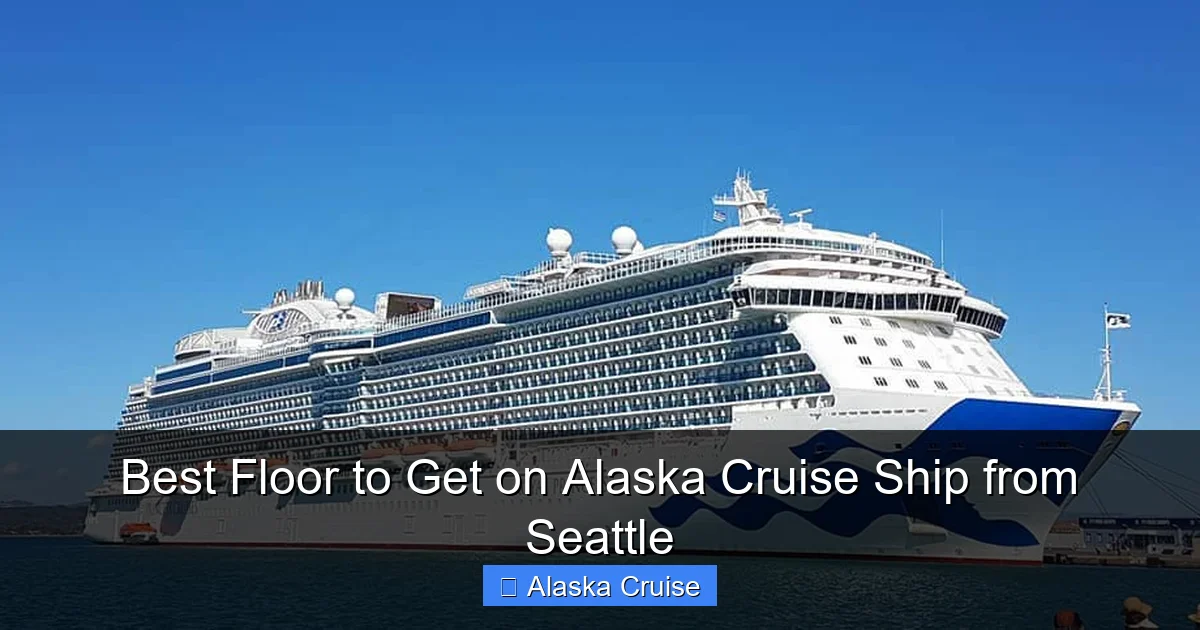
Visual guide about Best Floor to Get on Alaska Cruise Ship from Seattle
Image source: cruisestoalaska.com
Before diving into which floor is best, it helps to understand how cruise ships are structured. Most modern Alaska cruise ships from Seattle—whether operated by Holland America, Princess, Norwegian, or Royal Caribbean—have between 10 and 15 passenger decks. These are numbered from the bottom up, starting with Deck 3 or 4 (the lowest passenger-accessible level) and going up to Deck 14 or 16.
Each deck serves a different purpose. Lower decks often house interior cabins, crew areas, and technical spaces. Mid-level decks typically contain a mix of cabins, dining venues, and entertainment spaces. Upper decks are usually reserved for premium cabins, suites, and open deck areas like pools, sun decks, and observation lounges.
One key thing to note is that not all decks are created equal. Some ships have “promenade decks” with outdoor walking paths, while others have “verandah decks” with balcony cabins. Some decks may be partially enclosed or have limited views due to lifeboats or structural elements. That’s why it’s essential to review your specific ship’s deck plan before booking.
For example, on a Holland America ship like the Nieuw Amsterdam, Deck 10 features spacious verandah cabins with great views, while Deck 6 houses the main dining room and Lido Deck (Deck 11) offers outdoor pools and lounging areas. On a Princess Cruises ship like the Grand Princess, the Skywalkers Nightclub is on Deck 17, offering panoramic views, while the main theater is on Deck 6.
Understanding these layouts helps you visualize where you’ll be spending your time. If you love dining with a view, you might want a cabin near the specialty restaurants on upper decks. If you prefer quick access to the pool, a mid-level deck near the Lido might be ideal. And if you’re traveling with kids, being close to the youth centers and family-friendly venues can be a big plus.
Best Floors for Scenic Views and Photography
If you’re traveling to Alaska for the views—and let’s be honest, who isn’t?—then choosing a higher deck is almost always the best move. Decks 10 through 14 are typically the sweet spot for maximizing your access to Alaska’s stunning landscapes. These floors offer elevated perspectives that let you see farther and capture more of the coastline, mountains, and wildlife.
One of the biggest advantages of higher decks is the unobstructed views. On lower decks, lifeboats, railings, or other cabins can block your sightlines. But on upper decks, especially those with forward or aft-facing cabins, you’ll have a clear view of the horizon. This is especially important during scenic cruising days when the ship slows down to pass glaciers like Hubbard Glacier or Tracy Arm Fjord.
Photographers will particularly appreciate upper decks. The higher vantage point allows for sweeping shots of the coastline, dramatic mountain backdrops, and even aerial views of wildlife like sea lions on rocky outcrops. Plus, many upper decks have open observation areas or glass-enclosed lounges where you can shoot without interference from crowds.
For example, on a Norwegian Cruise Line ship like the Norwegian Bliss, Deck 16 features The Waterfront—an open-air promenade with bars and seating that wraps around the ship. This is one of the best spots for photography, especially at sunrise or sunset. Similarly, on a Royal Caribbean ship like the Radiance of the Seas, the Viking Crown Lounge on Deck 14 offers 360-degree views and is a favorite among cruisers for scenic cruising.
Even if you don’t have a balcony, being on a higher deck gives you easier access to the best viewing spots. Public decks like the Sun Deck or Promenade Deck are usually located on the upper levels, so you won’t have to climb multiple flights of stairs to get there. And during peak viewing times—like when the ship enters Glacier Bay—these areas can get crowded, so being nearby means you can arrive early and secure a good spot.
That said, higher decks aren’t perfect. They can be windier, especially in Alaska’s cooler climate, and some travelers find the motion more noticeable. But for most people, the trade-off is worth it. After all, you’re not going to Alaska to stay indoors—you’re going to see the world’s most spectacular natural scenery.
Mid-Level Decks: The Balance of Convenience and Comfort
While upper decks offer the best views, mid-level decks—typically Decks 6 through 9—are often the most practical choice for many cruisers. These floors strike a balance between accessibility, comfort, and cost, making them ideal for travelers who want convenience without sacrificing too much in terms of views or quiet.
One of the biggest advantages of mid-level decks is proximity to key amenities. Most main dining rooms, theaters, and guest services are located on these floors, so you won’t have to trek up and down the ship constantly. For example, on a Carnival cruise from Seattle, the main dining room is often on Deck 7, and the theater on Deck 6. If you’re staying on Deck 8, you’re just a short walk away from both.
This is especially helpful if you’re traveling with children or older adults who may have difficulty with stairs or long walks. Being close to elevators and stairwells also means less time spent navigating the ship and more time enjoying your vacation.
Mid-level decks also tend to be quieter than lower decks, which can be near noisy areas like the engine room or crew zones. And while they may not offer the same panoramic views as upper decks, many mid-level cabins still have ocean views or even small balconies. On some ships, like the Celebrity Solstice, Deck 9 features spacious verandah cabins with excellent views and easy access to the main pool deck.
Another benefit is stability. Mid-level, mid-ship cabins experience less motion than those at the bow or stern, making them a great choice for travelers prone to seasickness. Even though Alaska’s waters are generally calm, occasional swells can occur, especially when crossing the Gulf of Alaska. Staying in the center of the ship helps minimize the rocking sensation.
Finally, mid-level decks often offer better value. Cabins on these floors are usually less expensive than those on upper decks, but still provide good views and comfort. If you’re looking to save money without sacrificing too much, this is a smart compromise.
Lower Decks: Budget-Friendly and Quiet
For travelers on a budget or those who prioritize peace and quiet, lower decks—Decks 3 through 5—can be an excellent choice. These floors are typically the most affordable and often the least crowded, making them ideal for travelers who don’t mind sacrificing a little view for savings and serenity.
One of the main advantages of lower decks is cost. Interior and oceanview cabins on these floors are usually the cheapest options on the ship. If you’re planning to spend most of your time exploring ports, on deck, or in onboard activities, you might not need a balcony or high-floor view. In that case, a lower-deck cabin can free up your budget for excursions, dining, or souvenirs.
Lower decks are also generally quieter. They’re farther from the hustle and bustle of pools, theaters, and nightclubs, which are usually located on mid and upper decks. If you’re a light sleeper or just prefer a calm environment, staying on a lower deck can help you get a good night’s rest.
However, there are some trade-offs. Views are often limited—interior cabins have no windows, and oceanview cabins may have obstructed sightlines due to lifeboats or other structures. Also, lower decks can feel more confined, and some travelers report a slight increase in motion compared to mid-level cabins.
That said, many cruisers find that the savings and quiet outweigh the drawbacks. And if you’re traveling during shoulder season or booking last-minute, lower-deck cabins can be a great deal.
Special Considerations: Forward, Aft, and Mid-Ship Cabins
Beyond deck level, the location of your cabin on the ship also matters. Forward (front), aft (back), and mid-ship cabins each offer unique advantages.
Forward cabins provide stunning sunrise views and are often quieter since they’re farther from the engine noise at the back. They’re great for early risers who want to catch the first light over the water.
Aft cabins offer sunset views and a unique perspective of the ship’s wake. They’re also close to the stern, which can be a prime spot for whale watching. However, they may experience more vibration from the engines.
Mid-ship cabins are the most stable and experience the least motion. They’re ideal for travelers prone to seasickness and offer a balanced view of the scenery.
Tips for Choosing the Best Floor for Your Alaska Cruise
When deciding on the best floor to get on an Alaska cruise ship from Seattle, consider your priorities. Are you a photographer? Go high. Need convenience? Choose mid-level. On a budget? Look lower. Always check the ship’s deck plan and read reviews from past passengers. And don’t forget to factor in your travel style—whether you’ll be in your cabin often or out exploring.
Conclusion
Choosing the best floor on your Alaska cruise from Seattle is about balancing views, convenience, comfort, and cost. Higher decks offer the best scenery, mid-level decks provide easy access to amenities, and lower decks are budget-friendly and quiet. By understanding your ship’s layout and your own preferences, you can select the perfect deck for an unforgettable Alaskan adventure.
Frequently Asked Questions
What is the best deck for avoiding seasickness on an Alaska cruise?
The mid-ship, mid-level decks (usually Decks 6–9) are best for minimizing motion. These areas experience the least sway, making them ideal for travelers prone to seasickness.
Are balcony cabins worth the extra cost on an Alaska cruise?
Yes, especially if you plan to spend time in your cabin enjoying the views. Balcony cabins on upper decks offer private access to Alaska’s stunning scenery, particularly during scenic cruising days.
Which deck is closest to the main dining room and theater?
Mid-level decks (Decks 6–9) are typically closest to the main dining room, theater, and other key venues, making them convenient for frequent diners and showgoers.
Can I see glaciers from lower decks?
It’s possible, but views may be obstructed by lifeboats or other cabins. For the best glacier views, choose a higher deck with an unobstructed forward or side view.
Are upper decks windier on an Alaska cruise?
Yes, upper decks can be windier, especially in cooler weather. Bring a windbreaker or jacket if you plan to spend time on open decks.
How do I find my ship’s deck plan before booking?
Visit the cruise line’s website and look for the ship’s deck plan under the “Ship Info” or “Cabins” section. You can also use third-party sites like Cruise Critic for detailed layouts and reviews.