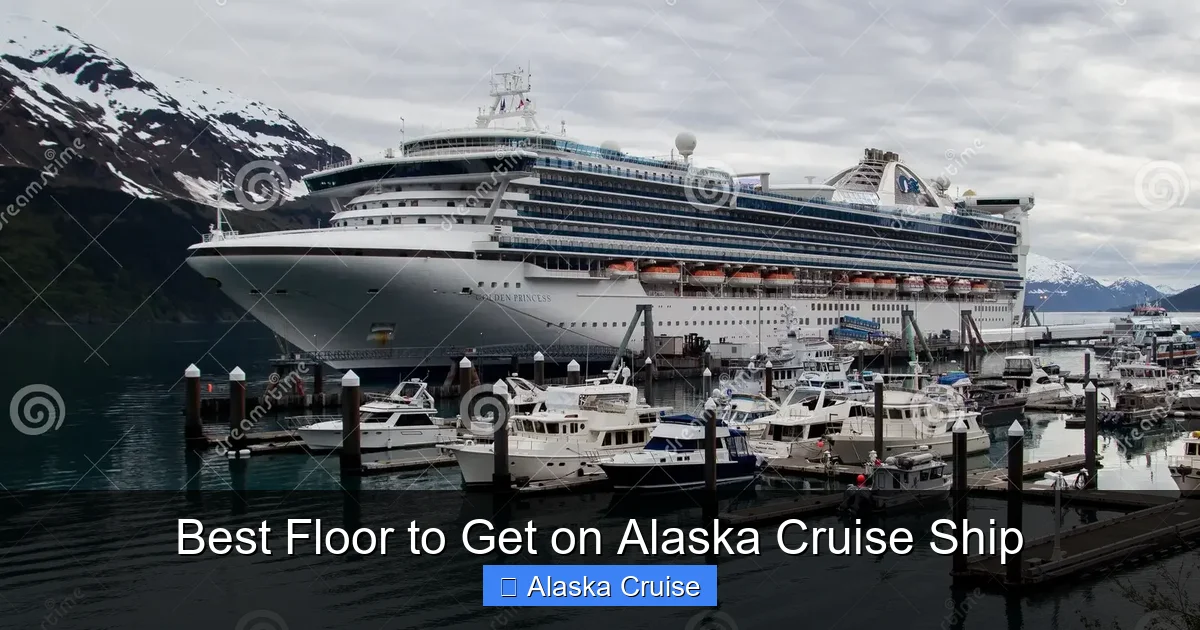
Choosing the best floor on an Alaska cruise ship can dramatically enhance your experience. From breathtaking glacier views to convenient access to dining and activities, your deck level matters. This guide breaks down every factor to help you pick the perfect spot for your Alaskan adventure.
Key Takeaways
- Higher decks offer panoramic views: Ideal for spotting wildlife and glaciers, especially on scenic cruising days.
- Mid-ship cabins provide stability: Less motion sickness and smoother sailing, perfect for first-time cruisers.
- Lower decks are quieter and more affordable: Great for budget travelers who prioritize sleep over views.
- Forward and aft cabins have unique pros and cons: Forward offers sunrise views but more motion; aft provides sunset views and quieter nights.
- Proximity to amenities matters: Being near elevators, dining, or lounges can save time and energy.
- Balcony cabins on upper decks maximize Alaska’s beauty: Private outdoor space enhances wildlife and scenery viewing.
- Consider your travel style: Families, couples, and solo travelers may prioritize different deck features.
📑 Table of Contents
Why Your Deck Choice Matters on an Alaska Cruise
When planning an Alaska cruise, most travelers focus on itineraries, excursions, and onboard dining. But one decision that’s often overlooked—yet incredibly impactful—is choosing the best floor to get on an Alaska cruise ship. Your deck level can influence everything from how you experience Alaska’s dramatic landscapes to how comfortable you feel during rough seas.
Alaska’s cruising routes are unlike any other. You’ll sail past towering glaciers, dense rainforests, and snow-capped mountains. Wildlife like whales, sea lions, and bald eagles are common sights. The weather can shift quickly, and the seas—especially in the Inside Passage or near the Gulf of Alaska—can get choppy. All of this means your cabin location isn’t just about convenience; it’s about maximizing your enjoyment and minimizing discomfort.
Think of your cruise ship as a floating city. Just like in a building, different floors serve different purposes. Upper decks are like penthouse suites—great views, but potentially more wind and motion. Lower decks are like basement apartments—quiet and stable, but with limited scenery. Mid-level decks offer a balanced mix of both. Your ideal floor depends on your priorities: Do you want to wake up to a glacier outside your window? Or do you prefer a peaceful, motion-free sleep after a long day of exploring?
In this guide, we’ll walk you through every factor to consider when choosing the best floor on an Alaska cruise ship. Whether you’re a first-time cruiser or a seasoned sailor, these insights will help you make an informed decision that enhances your Alaskan adventure.
Understanding Cruise Ship Deck Layouts
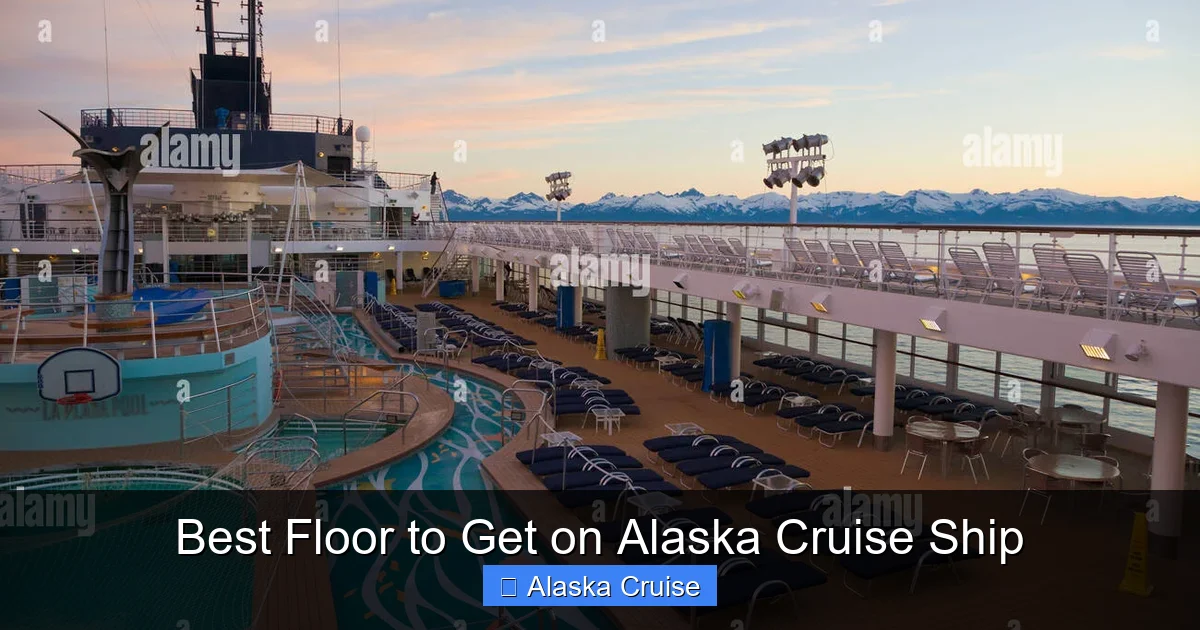
Visual guide about Best Floor to Get on Alaska Cruise Ship
Image source: c8.alamy.com
Before diving into which floor is best, it’s important to understand how cruise ships are structured. Most modern Alaska cruise ships—whether from lines like Holland America, Princess, Royal Caribbean, or Norwegian—follow a similar vertical layout.
Lower Decks: The Foundation
The lowest passenger decks (often labeled Deck 2, 3, or 4) are closest to the waterline. These cabins are typically interior or oceanview, with no balconies. They’re usually the most affordable options and are located near the ship’s center of gravity, which means they experience the least motion. This makes them ideal for travelers prone to seasickness.
However, the trade-off is limited views. You’ll mostly see water or other ships, and you’ll need to head upstairs to enjoy Alaska’s scenic highlights. These decks are also farther from popular amenities like pools, theaters, and restaurants, which means more walking or elevator use.
Mid-Level Decks: The Sweet Spot
Decks 5 through 8 are often considered the “sweet spot” for many cruisers. These levels offer a balance of stability, accessibility, and views. Cabins here may include oceanview or balcony options, and they’re usually close to key facilities like the main dining room, buffet, and guest services.
Because they’re near the ship’s center, mid-level cabins experience less rocking in rough seas. They’re also convenient for families with kids—close enough to the pool deck but not so high that you’re constantly climbing stairs or waiting for elevators.
Upper Decks: The Vista Levels
The top passenger decks (Deck 9 and above) are where you’ll find the best views—and often the most expensive cabins. These decks feature large balconies, floor-to-ceiling windows, and prime spots for watching glaciers calve or whales breach. Many upper decks also house specialty restaurants, lounges, and observation areas.
But with great views come some drawbacks. Upper decks experience more wind, especially when the ship is moving fast or in open water. They’re also more affected by ship motion, which can be an issue in rough seas. Additionally, these decks can be noisy due to proximity to public areas like the pool, gym, or entertainment venues.
Specialty Decks: Suites and Exclusive Areas
Some ships feature exclusive decks for suite guests or loyalty program members. These areas often include private lounges, concierge services, and premium amenities. While not necessary for most travelers, they can offer a more luxurious and quiet experience—especially on longer Alaska itineraries.
Understanding these deck categories helps you narrow down your options. But the “best” floor also depends on your personal preferences, travel style, and what you value most during your cruise.
Best Floor for Scenic Views and Wildlife Spotting
If your main goal is to soak in Alaska’s jaw-dropping scenery, then choosing a higher deck is your best bet. Alaska cruises are famous for their slow, scenic sailing through narrow channels like the Inside Passage, Tracy Arm Fjord, and Glacier Bay. These are the moments when the ship slows down, and everyone rushes to the rails to watch glaciers calve, mountains rise from the sea, and wildlife appear in the distance.
Why Higher Decks Win for Views
Higher decks offer unobstructed, panoramic views. Imagine sipping your morning coffee on a private balcony as a humpback whale surfaces just 50 yards from the ship. Or watching the sun rise over the snow-capped peaks of the Tongass National Forest from a lounge chair on the top deck. These experiences are hard to beat.
On ships with multi-deck atriums or glass-walled lounges, upper decks often have elevated observation areas. For example, on Princess Cruises’ ships, the “Wake View Bar” on the aft upper deck offers a unique perspective of the ship’s wake—and the coastline disappearing behind you.
Balcony Cabins: Your Private Viewing Deck
If you’re serious about Alaska’s scenery, a balcony cabin on an upper deck is worth the extra cost. Unlike oceanview cabins with small windows, balconies let you step outside, feel the cool Alaskan air, and hear the sounds of nature—waves, birds, even the crack of a calving glacier.
Many cruisers report that their balcony became their favorite spot on the ship. It’s a private retreat for reading, relaxing, or simply watching the world go by. And during scenic cruising days, you won’t need to fight for space on the public decks—your balcony is your front-row seat.
Best Decks for Glacier Viewing
When sailing through Glacier Bay or near Hubbard Glacier, the ship often stops or slows to a crawl. This is when higher decks shine. The further up you are, the better your angle for seeing the full height of the glacier walls—some of which rise over 300 feet above the water.
On some ships, the top deck (Deck 12 or 14) has a dedicated viewing area or even a telescope. These spots are especially popular during glacier days, so booking a cabin nearby can save you time and hassle.
Wildlife Spotting from Above
Higher decks also give you a better vantage point for spotting wildlife. From above, you can see pods of orcas swimming alongside the ship, sea lions basking on rocks, and even bears foraging along the shoreline. Binoculars are helpful, but even without them, the elevated view makes a big difference.
One cruiser shared how they spotted a family of sea otters playing in the kelp beds—from their balcony on Deck 11—while others on lower decks missed it entirely.
Tips for Maximizing Your View
– Book a cabin on the port or starboard side depending on the itinerary. For example, on a southbound cruise through the Inside Passage, the starboard side often offers better views of the mainland.
– Choose a cabin toward the front (forward) or back (aft) of the ship for wider sightlines.
– Avoid cabins directly below public decks (like the pool or sun deck) to reduce noise and foot traffic.
If scenic views are your top priority, aim for a balcony cabin on Deck 9 or higher. It’s one of the best ways to experience Alaska’s natural wonders up close.
Best Floor for Comfort and Stability
While views are important, comfort is equally crucial—especially on an Alaska cruise, where weather and sea conditions can be unpredictable. If you’re prone to motion sickness or simply want a peaceful night’s sleep, your deck choice can make a big difference.
Why Mid-Ship and Lower Decks Are More Stable
Cruise ships are designed with stability in mind, but motion is still felt more strongly at the top and ends of the ship. The most stable area is near the center of the ship, around the mid-point vertically and horizontally. This is where the ship’s center of gravity is located, so it rocks the least in rough seas.
Lower decks, especially those in the middle of the ship, experience the least motion. This makes them ideal for travelers who are sensitive to swaying or who want to avoid seasickness. Even on calm days, you’ll notice less rocking in these areas.
Mid-Level Decks: The Best of Both Worlds
Decks 5 through 8, particularly those in the middle of the ship, offer a great balance of stability and convenience. You’re high enough to have decent views and easy access to amenities, but low enough to avoid excessive motion.
These decks are also typically quieter than upper levels, as they’re farther from noisy public areas like the pool, gym, and nightclubs. If you value a good night’s sleep—especially after a long day of excursions—mid-level cabins are a smart choice.
Lower Decks for Budget and Quiet
If you’re traveling on a budget or just don’t care about views, lower decks can be a great option. Interior cabins on Deck 3 or 4 are often the most affordable and are located in the most stable part of the ship. They’re also usually quieter, as they’re farther from high-traffic areas.
Some cruisers even prefer interior cabins because they stay cooler and darker, making them ideal for sleeping in—especially during Alaska’s long summer days when the sun sets late.
Forward and Aft Cabins: Pros and Cons
Cabins at the very front (forward) or back (aft) of the ship have unique characteristics. Forward cabins often have the best sunrise views and are close to the bow, which is a popular spot for scenic viewing. However, they experience more motion, especially in rough seas.
Aft cabins, on the other hand, offer stunning sunset views and are often quieter, as they’re farther from the main public areas. They’re also close to the ship’s wake, which can be mesmerizing to watch. But like forward cabins, they can feel more movement.
If stability is your top concern, avoid forward and aft cabins—especially on upper decks. Instead, aim for mid-ship cabins on lower or mid-level decks.
Tips for a Comfortable Stay
– Choose a cabin in the middle of the ship for the smoothest ride.
– Avoid upper decks if you’re prone to motion sickness.
– Consider a mid-level balcony cabin for a balance of view and stability.
– Use motion sickness remedies like wristbands or medication if needed.
Comfort isn’t just about avoiding seasickness—it’s about feeling relaxed and at ease throughout your trip. Choosing the right floor can help you enjoy your cruise to the fullest.
Best Floor for Families and Accessibility
Traveling with kids or family members with mobility needs? Your deck choice can significantly impact your cruise experience. Families often have different priorities than solo travelers or couples—convenience, safety, and proximity to activities are key.
Mid-Level Decks for Family-Friendly Access
For families, mid-level decks (Decks 5–8) are often the best choice. These levels are typically close to family-friendly amenities like the kids’ club, pool, buffet, and main dining room. This means less time spent navigating the ship and more time enjoying activities together.
Many family cabins—especially those with connecting rooms or suites—are located on these decks. They’re also easier to access for strollers or wheelchairs, as they’re closer to elevators and ramps.
Proximity to Kids’ Clubs and Pools
If you’re traveling with young children, being near the kids’ club can be a lifesaver. Most ships place their youth centers on mid-level decks, often near the pool area. This allows parents to drop off kids and head to a nearby lounge or restaurant without going far.
Similarly, being close to the pool deck means quick access for swim time, ice cream, or sunbathing. Upper decks may have the best views, but they can be a long walk—or a wait for the elevator—away from these family hotspots.
Accessibility Considerations
For travelers with mobility challenges, lower and mid-level decks are usually the most accessible. These areas are closer to elevators, medical centers, and accessible restrooms. Many ships also offer accessible cabins on these decks, with wider doorways, roll-in showers, and grab bars.
Avoid upper decks if you have difficulty with stairs or long walks. While elevators are available, they can get crowded during peak times, especially on large ships.
Quiet Zones vs. Activity Areas
Families with babies or light sleepers may want to avoid decks near noisy areas like the theater, nightclub, or pool. Upper decks near the pool can be loud during the day, while lower decks near the engine room may have more vibration.
Instead, look for mid-level cabins in quieter sections of the ship—away from elevators and public spaces. Some ships even have designated “quiet zones” on certain decks.
Tips for Families
– Book connecting cabins or family suites on mid-level decks.
– Choose a cabin near the kids’ club and pool for convenience.
– Avoid upper decks if you have strollers or mobility concerns.
– Request a cabin away from elevators and noisy areas for better sleep.
Choosing the right floor can make your family cruise smoother, safer, and more enjoyable for everyone.
Best Floor for Couples and Solo Travelers
While families prioritize convenience, couples and solo travelers often seek relaxation, romance, and personal space. Your deck choice can enhance these experiences in unique ways.
Upper Decks for Romance and Privacy
For couples, upper decks with balcony cabins offer a romantic setting. Imagine watching the Northern Lights from your private balcony, or sharing a bottle of wine as the sun sets over the Pacific. These moments are made even more special when you have your own outdoor space.
Many upper decks also feature adults-only lounges, quiet sunbathing areas, and specialty dining venues. These spaces are perfect for couples looking to escape the crowds and enjoy some alone time.
Quiet Cabins for Solo Travelers
Solo travelers often value peace and quiet. Lower or mid-level cabins in quieter sections of the ship can provide a peaceful retreat. Interior cabins on lower decks are especially good for this, as they’re away from noise and foot traffic.
Some cruise lines also offer solo traveler cabins—smaller, more affordable rooms designed for individuals. These are often located on mid-level decks, close to social areas but not in the middle of the action.
Social vs. Solitude
If you’re a social solo traveler, you might prefer a mid-level cabin near the main lounges, bars, and dining areas. This makes it easier to meet people and join group activities.
On the other hand, if you’re looking to unwind and recharge, a higher deck with a balcony can offer solitude with a view. You can enjoy the scenery at your own pace, without the crowds.
Tips for Couples and Solo Travelers
– Choose a balcony cabin on an upper deck for romance and views.
– Look for adults-only areas on higher decks for quiet relaxation.
– Solo travelers should consider solo cabins or quiet mid-level rooms.
– Avoid noisy decks if you value peace and privacy.
Your deck choice can shape the tone of your cruise—whether it’s romantic, relaxing, or socially engaging.
Final Tips for Choosing the Best Floor
With so many factors to consider, how do you pick the best floor for your Alaska cruise? Here are some final tips to help you decide:
– **Prioritize your needs:** Are views, comfort, or convenience most important?
– **Check the deck plan:** Most cruise lines publish deck plans online. Use them to compare cabin locations.
– **Read reviews:** Look for feedback from past cruisers about specific decks and cabins.
– **Consider the itinerary:** Scenic cruising days favor higher decks; rough seas favor lower ones.
– **Book early:** The best cabins—especially mid-ship balconies—sell out fast.
– **Ask your travel agent:** They can recommend cabins based on your preferences and budget.
Ultimately, the best floor on an Alaska cruise ship is the one that matches your travel style and enhances your experience. Whether you’re chasing glaciers, seeking comfort, or simply looking to unwind, the right deck can make all the difference.
Frequently Asked Questions
What is the best floor for avoiding seasickness on an Alaska cruise?
The most stable area is near the center of the ship on lower or mid-level decks. Cabins on Decks 3–6, especially mid-ship, experience the least motion and are best for avoiding seasickness.
Are balcony cabins worth it on an Alaska cruise?
Yes, especially on upper decks. A private balcony lets you enjoy Alaska’s scenery, wildlife, and fresh air without fighting for space on public decks. It’s a game-changer for scenic cruising days.
Which side of the ship has better views in Alaska?
It depends on the itinerary. On southbound cruises through the Inside Passage, the starboard (right) side often offers better views of the mainland and glaciers. Check your route before booking.
Are upper deck cabins noisier on a cruise ship?
They can be, especially if located near the pool, gym, or entertainment venues. Look for cabins away from high-traffic areas or consider mid-level decks for a quieter experience.
Can I change my cabin deck after booking?
It’s unlikely, but you can request a change through the cruise line or your travel agent. Upgrades may be available for a fee, especially if you’re flexible with cabin type.
Do lower deck cabins have less natural light?
Interior cabins on lower decks have no windows, while oceanview cabins have small portholes. If natural light is important, consider a mid-level oceanview or balcony cabin.