
Embarking on your first Alaska cruise is an unforgettable adventure filled with glaciers, wildlife, and stunning coastal scenery. This guide covers everything you need to know—from choosing the right cruise line and itinerary to packing essentials and maximizing your time in port—so you can enjoy a smooth, stress-free voyage through America’s last frontier.
Key Takeaways
- Choose the right cruise line: Family-friendly options like Disney and Royal Caribbean offer great first-time experiences, while luxury lines like Holland America and Princess provide more refined service.
- Book a 7-day itinerary: Most first-time cruisers find a week-long trip ideal—long enough to see highlights, short enough to avoid fatigue.
- Pack layers and rain gear: Alaska’s weather is unpredictable; waterproof jackets, warm layers, and sturdy shoes are essential.
- Prioritize glacier viewing: Don’t miss iconic stops like Hubbard Glacier or Glacier Bay—book excursions early for the best views.
- Plan shore excursions wisely: Mix wildlife tours, cultural experiences, and light hiking to get a well-rounded taste of Alaska.
- Travel between May and September: This is the peak cruising season with milder weather, longer daylight, and active wildlife.
- Consider a land-and-sea combo: Extend your trip with a pre- or post-cruise stay in Denali or Fairbanks for a fuller Alaskan experience.
📑 Table of Contents
- Why an Alaska Cruise Is the Perfect First-Time Adventure
- Choosing the Right Cruise Line for Your First Alaska Adventure
- Best Itineraries for First-Time Cruisers
- What to Expect Onboard: Dining, Activities, and Daily Life
- Packing Tips for Your First Alaska Cruise
- Maximizing Your Shore Excursions
- Best Time to Go: Timing Your First Alaska Cruise
- Final Tips for a Smooth First-Time Experience
- Conclusion: Your Alaska Adventure Awaits
Why an Alaska Cruise Is the Perfect First-Time Adventure
If you’ve never been on a cruise before, Alaska might not be the first destination that comes to mind. But it should be. With its dramatic fjords, towering glaciers, abundant wildlife, and charming coastal towns, Alaska offers a uniquely immersive experience that’s both awe-inspiring and accessible—even for cruise newcomers.
Unlike tropical cruises that focus mainly on beach time and onboard activities, an Alaska cruise is all about the destination. The scenery changes constantly, from misty rainforests to snow-capped peaks, and every day brings a new adventure. Whether you’re watching a glacier calve into the sea, spotting humpback whales breaching in the distance, or strolling through a historic gold rush town, you’ll feel like you’re stepping into a postcard.
What makes Alaska especially great for first-timers is the balance between relaxation and exploration. You get the comfort and convenience of a floating hotel—complete with meals, entertainment, and cozy cabins—while also having the freedom to explore wild, remote landscapes. There’s no need to pack and unpack every few days; your ship does the traveling for you. Plus, most Alaska cruises follow a predictable schedule, docking in the morning and departing by evening, which makes planning excursions simple.
Choosing the Right Cruise Line for Your First Alaska Adventure
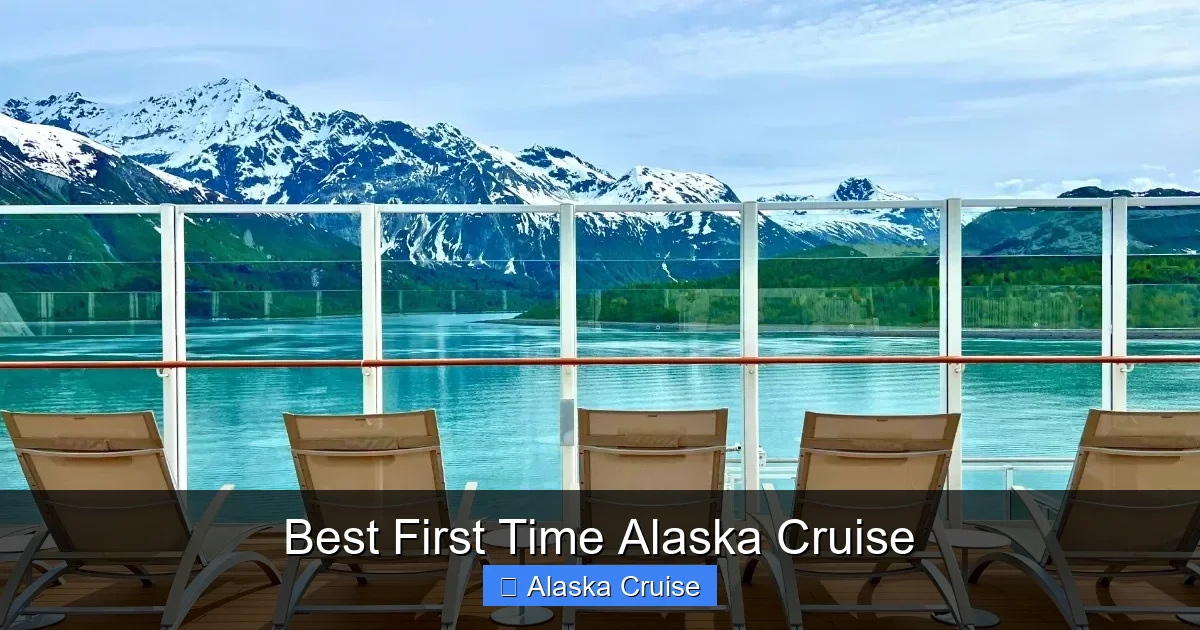
Visual guide about Best First Time Alaska Cruise
Image source: eatsleepcruise.com
With so many cruise lines sailing to Alaska, picking the right one can feel overwhelming. The good news? Most major lines offer excellent Alaska itineraries, but they cater to different travel styles. Here’s a breakdown to help you decide.
Family-Friendly Options: Fun for All Ages
If you’re traveling with kids or want a lively, activity-packed cruise, consider lines like Disney Cruise Line or Royal Caribbean. Disney is known for its top-tier service, character meet-and-greets, and kid-focused programming, making it a hit with families. Their Alaska itineraries often include themed events and educational activities about wildlife and nature.
Royal Caribbean, on the other hand, offers a mix of adventure and entertainment. Think rock climbing walls, surf simulators, and Broadway-style shows—all while cruising past glaciers. Their ships are large and bustling, perfect if you enjoy a vibrant atmosphere and plenty of onboard options.
Luxury and Comfort: A More Refined Experience
For a more relaxed and elegant voyage, Holland America Line and Princess Cruises are standout choices. Both have long-standing reputations for excellent service, spacious cabins, and enriching onboard programming—like lectures by naturalists and historians.
Princess Cruises is especially popular among first-timers because of its “North to Alaska” program, which includes enhanced shore excursions, local cuisine, and cultural demonstrations. Their ships often feature glass-walled atriums with panoramic views, perfect for glacier watching.
Holland America leans slightly more traditional, with a focus on culinary excellence and destination immersion. Their Alaska cruises frequently include visits to smaller ports like Ketchikan and Wrangell, offering a more intimate experience.
Adventure and Expedition-Style Cruises
If you’re drawn to the wild side of Alaska, consider smaller ships from lines like UnCruise Adventures or Lindblad Expeditions. These companies operate smaller vessels that can navigate narrow channels and remote inlets, giving you access to untouched wilderness.
While these cruises may lack the glitz of mega-ships, they make up for it with expert guides, Zodiac landings, and up-close wildlife encounters. They’re ideal for travelers who want a more active, educational experience—though they may not suit those looking for constant entertainment or luxury amenities.
Best Itineraries for First-Time Cruisers
Most first-time Alaska cruisers opt for a 7-day roundtrip itinerary departing from Seattle or Vancouver. These routes offer a balanced mix of scenic cruising, port stops, and onboard relaxation—without the complexity of one-way sailings.
Inside Passage Route: The Classic Choice
The Inside Passage is the most popular Alaska cruise route, and for good reason. It winds through protected waters along the coast, offering calm seas and stunning views of forested islands, snow-dusted mountains, and cascading waterfalls.
A typical 7-day Inside Passage cruise might include stops in:
– Ketchikan: Known as the “Salmon Capital of the World,” this charming town offers boardwalks, totem poles, and opportunities to see bears fishing in nearby streams.
– Juneau: Alaska’s capital is accessible only by boat or plane. Don’t miss a helicopter tour to Mendenhall Glacier or a whale-watching excursion.
– Skagway: Step back in time in this Gold Rush-era town. Ride the historic White Pass & Yukon Route Railway for breathtaking mountain views.
This route is ideal for first-timers because it’s predictable, scenic, and packed with iconic sights. Plus, sailing roundtrip means no extra flights or transfers—just board in Seattle or Vancouver and return the same way.
Gulf of Alaska Route: Glaciers and Wilderness
For a more dramatic experience, consider a one-way Gulf of Alaska cruise that sails from Seattle or Vancouver to Seward (near Anchorage) or Whittier. These itineraries often include a transit through Glacier Bay National Park or a stop at Hubbard Glacier, one of the largest tidewater glaciers in North America.
While one-way cruises require more planning—like booking a flight home from Anchorage—they offer a deeper dive into Alaska’s wild side. You’ll spend more time at sea, with longer stretches of glacier viewing and wildlife spotting. This route is perfect if you’re combining your cruise with a land tour of Denali National Park.
Extended and Land-and-Sea Packages
Many cruise lines offer land-and-sea combos, where you spend a few days exploring Alaska’s interior before or after your cruise. For example, you might fly into Fairbanks, take a train to Denali to see North America’s tallest peak, then board your ship in Whittier.
These packages are excellent for first-timers who want the full Alaska experience. You get the best of both worlds: the comfort of a cruise and the adventure of a land tour. Just be sure to book early, as these trips fill up fast.
What to Expect Onboard: Dining, Activities, and Daily Life
One of the biggest questions first-time cruisers have is: “What will I do all day?” The answer? Plenty—but it’s up to you how much or how little you participate.
Dining: From Casual to Gourmet
Most Alaska cruises offer a mix of dining options. Main dining rooms serve multi-course meals with rotating menus, often featuring fresh seafood like Alaskan king crab and halibut. Buffet restaurants are great for quick bites, while specialty venues (like steakhouse or sushi bars) may require a reservation and small upcharge.
Don’t miss the chance to try local flavors. Many ships partner with Alaskan chefs to offer regional dishes—think reindeer sausage, smoked salmon, or wild berry desserts. Dietary restrictions? No problem. Cruise lines are generally very accommodating with vegetarian, gluten-free, and allergy-friendly options.
Entertainment and Enrichment
Evenings on an Alaska cruise are rarely dull. Most ships offer live music, comedy shows, and Broadway-style productions. But the real stars are the destination lectures and naturalist programs.
Naturalists and guest speakers often host talks about glaciers, wildlife, and indigenous cultures. These sessions are not only educational but also help you appreciate what you’re seeing the next day. Some ships even have glass-enclosed observation lounges where you can watch the scenery while sipping hot cocoa.
Daily Routine: A Sample Day at Sea
A typical day on an Alaska cruise might look like this:
– 7:00 AM: Wake up to views of misty fjords. Head to the buffet for breakfast.
– 9:00 AM: Attend a lecture on glacier formation or marine wildlife.
– 11:00 AM: Relax on deck with a book or enjoy a coffee in the café.
– 1:00 PM: Lunch in the main dining room, followed by a nap or spa visit.
– 3:00 PM: Watch a glacier calve from the observation deck—bring binoculars!
– 6:00 PM: Dinner, then a show or live music in the evening.
– 9:00 PM: Stargaze on the upper deck or enjoy a nightcap at the bar.
The pace is relaxed, but there’s always something to do if you want it. And because the scenery is so captivating, many passengers spend hours just gazing out at the passing landscape.
Packing Tips for Your First Alaska Cruise
Packing for Alaska is different from a Caribbean cruise. The weather can change quickly, and you’ll want to be prepared for rain, wind, and cool temperatures—even in summer.
Essential Clothing
– Waterproof jacket: A must-have. Look for one with a hood and breathable fabric.
– Layered clothing: Pack thermal base layers, fleece or wool mid-layers, and a warm outer shell.
– Sturdy, waterproof shoes: You’ll be walking on wet docks and uneven terrain. Avoid flip-flops.
– Hat and gloves: Even in July, it can be chilly on deck, especially near glaciers.
– Swimwear: For the hot tub or pool—yes, people do use them, even in Alaska!
Gear and Accessories
– Binoculars: Essential for spotting whales, bears, and eagles from a distance.
– Camera with zoom lens: You’ll want to capture those glacier calving moments.
– Reusable water bottle: Stay hydrated, especially on excursion days.
– Daypack: For carrying snacks, water, and extra layers during shore tours.
– Sunscreen and sunglasses: The sun reflects off snow and water, so protection is key.
What Not to Bring
Avoid overpacking. Cabins are cozy, and you’ll likely spend most of your time in a few key outfits. Leave behind:
– Formal wear (unless you’re on a luxury line with dress-up nights)
– Excessive electronics (outlets are limited)
– Hairdryers (most cabins provide them)
Pro tip: Many cruise lines offer laundry services, so you can pack light and wash clothes mid-trip.
Maximizing Your Shore Excursions
Shore excursions are one of the best parts of an Alaska cruise—but they can also be pricey. Here’s how to get the most value.
Book Early
Popular tours—like helicopter rides to glaciers, whale-watching cruises, or dog sledding on a glacier—sell out fast. Book as soon as your cruise line opens reservations, usually 6–12 months in advance.
Mix It Up
Don’t do the same type of tour every day. Balance high-adrenaline activities with relaxed cultural experiences. For example:
– Day 1: Whale-watching in Juneau
– Day 2: Visit a Native cultural center in Ketchikan
– Day 3: Scenic train ride in Skagway
– Day 4: Kayaking in a quiet cove
Consider Independent Tours
Cruise line excursions are convenient and reliable, but they’re often more expensive. You can save money by booking directly with local operators—just make sure they’re reputable and guarantee to get you back to the ship on time.
Free Time in Port
Don’t underestimate the joy of exploring on your own. Many ports have walkable downtown areas with shops, cafes, and museums. In Juneau, you can hike to the base of Mendenhall Glacier on a well-marked trail. In Ketchikan, stroll the Creek Street boardwalk and watch salmon swim upstream.
Just remember: Ships wait for no one. Always allow extra time to return, especially if you’re taking a taxi or shuttle.
Best Time to Go: Timing Your First Alaska Cruise
Alaska’s cruise season runs from mid-May to mid-September, but each month offers a different experience.
– May and June: Fewer crowds, lower prices, and blooming wildflowers. Wildlife is active, and daylight lasts up to 18 hours.
– July and August: Peak season. Warmest weather, but also the most tourists. Book early.
– September: Cooler temperatures, fall colors, and fewer ships. Wildlife is still active, and you might see the northern lights in the northern regions.
For first-timers, late June to early August is ideal. The weather is most predictable, and all excursions are running at full capacity.
Final Tips for a Smooth First-Time Experience
– Arrive a day early: Flights can be delayed, especially in Seattle or Vancouver. Spend the night before in a hotel near the port.
– Download the cruise app: Most lines have apps for daily schedules, menus, and excursion info.
– Bring motion sickness remedies: Even in calm waters, some people feel queasy. Wristbands, ginger candies, or medication can help.
– Stay connected: Wi-Fi is available but expensive. Consider a satellite messenger if you plan to hike or explore remote areas.
– Be flexible: Weather can alter schedules. If a glacier viewing is canceled due to fog, enjoy the extra time in port or onboard.
Conclusion: Your Alaska Adventure Awaits
A first-time Alaska cruise is more than a vacation—it’s a journey into one of the world’s most breathtaking natural wonders. From the thunderous crack of a calving glacier to the silent glide of a whale through icy waters, every moment feels magical.
With the right cruise line, itinerary, and preparation, your trip can be seamless, enriching, and unforgettable. Whether you’re traveling solo, as a couple, or with family, Alaska welcomes you with open arms—and endless beauty.
So pack your layers, charge your camera, and get ready to fall in love with the Last Frontier. Your adventure begins the moment you step aboard.
Frequently Asked Questions
What is the best month for a first-time Alaska cruise?
The best time is typically late June to early August, when weather is mild, wildlife is active, and all excursions are available. However, May and September offer fewer crowds and lower prices.
Do I need to book shore excursions in advance?
Yes, especially for popular tours like glacier helicopter rides or whale watching. These often sell out months in advance, so book as soon as reservations open.
Is Alaska cold on a cruise?
It can be, even in summer. Daytime temperatures range from 50°F to 70°F, but it’s colder on deck near glaciers. Pack layers and a waterproof jacket.
Can I see the northern lights on an Alaska cruise?
It’s rare, as most cruises end by mid-September. For the best chance, consider a late-season cruise or a land extension further north, like Fairbanks.
Are Alaska cruises family-friendly?
Absolutely. Lines like Disney, Royal Caribbean, and Princess offer kids’ clubs, family activities, and educational programs tailored to young travelers.
What should I pack for an Alaska cruise?
Essentials include waterproof clothing, warm layers, sturdy shoes, binoculars, a camera, and a daypack. Don’t forget sunscreen and motion sickness remedies.