An expedition cruise in Alaska offers a front-row seat to nature’s greatest show—glaciers calving, whales breaching, and bears foraging in pristine wilderness. Unlike traditional cruises, these intimate voyages focus on exploration, education, and authentic encounters with Alaska’s wild beauty.
Imagine standing on the deck of a sleek, ice-strengthened vessel as a wall of blue ice cracks and crashes into the sea—sending up a plume of mist and echoing across the fjord. Around you, a pod of humpback whales surfaces, their flukes slicing through the glassy water. Onshore, a brown bear lumbers along a salmon-rich riverbank, completely undisturbed. This isn’t a scene from a nature documentary—it’s the reality of an expedition cruise in Alaska.
Alaska’s rugged coastline, carved by ancient glaciers and teeming with wildlife, is one of the last true wilderness frontiers on Earth. While traditional cruise ships offer comfort and entertainment, an expedition cruise Alaska adventure is built around discovery. These voyages prioritize exploration over luxury, education over entertainment, and immersion over itinerary. With small ships, expert guides, and a spirit of adventure, they deliver an experience that’s as enriching as it is awe-inspiring.
Unlike mass-market cruises that dock in bustling ports like Juneau or Ketchikan, expedition cruises venture into remote regions such as the Gulf of Alaska, the Aleutian Islands, and the rarely visited waters of the Inside Passage. They’re designed for travelers who want to go deeper—literally and figuratively. Whether you’re kayaking past icebergs in Tracy Arm Fjord, hiking through moss-covered rainforests on Baranof Island, or scanning the horizon for orcas from a Zodiac, every moment feels intentional and alive.
Key Takeaways
- Small ships access remote areas: Expedition vessels carry fewer passengers, allowing access to secluded fjords, hidden coves, and protected wildlife zones that larger ships can’t reach.
- Expert-led excursions enhance the experience: Naturalists, marine biologists, and local guides lead Zodiac tours, kayaking trips, and shore hikes with deep ecological insights.
- Wildlife sightings are frequent and unforgettable: Expect close encounters with humpback whales, orcas, sea otters, puffins, and brown bears—especially in places like Glacier Bay and the Inside Passage.
- Glacier viewing is a highlight: Witness massive tidewater glaciers like Hubbard and Margerie calving icebergs into the sea, often with thunderous splashes.
- Itineraries emphasize flexibility: Unlike fixed schedules, expedition cruises adapt daily based on weather, wildlife activity, and sea conditions for optimal experiences.
- Sustainability matters: Leading operators follow strict eco-guidelines to minimize environmental impact and support local communities.
- Best time to go is May through September: Summer offers milder weather, longer daylight, and peak wildlife activity, though shoulder seasons provide fewer crowds and unique photo opportunities.
📑 Table of Contents
Why Choose an Expedition Cruise in Alaska?
Alaska is vast, wild, and unpredictable—and that’s exactly why an expedition cruise is the best way to explore it. These journeys are built for curiosity. Instead of following a rigid schedule, they respond to nature. If a pod of whales is spotted off the starboard bow, the captain may alter course for a closer look. If a glacier is actively calving, the ship might linger for hours so guests can witness the spectacle.
One of the biggest advantages of an expedition cruise is access. Large cruise ships are limited to major ports and well-trodden routes. But expedition vessels—often under 200 passengers—can navigate narrow channels, shallow bays, and icy waters that bigger ships can’t. This means you’ll visit places few tourists ever see: secluded inlets, uninhabited islands, and protected marine reserves.
Another key benefit is the focus on learning. Onboard naturalists and guest lecturers—often PhDs in marine biology, geology, or indigenous studies—share their knowledge through daily presentations, guided walks, and informal chats over dinner. You’ll leave not just with photos, but with a deeper understanding of Alaska’s ecosystems, climate challenges, and cultural history.
And let’s not forget the wildlife. Alaska is one of the best places on the planet to see animals in their natural habitat. On an expedition cruise, you’re not just hoping to spot a whale—you’re almost guaranteed to. From the playful sea otters of Glacier Bay to the towering brown bears of Admiralty Island, the encounters are frequent, intimate, and unforgettable.
Small Ships, Big Adventures
Size matters when it comes to expedition cruising. Smaller ships mean fewer crowds, more personalized service, and greater flexibility. Most expedition vessels in Alaska carry between 50 and 150 passengers, creating an intimate atmosphere where you can get to know your fellow travelers and crew.
These ships are also purpose-built for exploration. They feature reinforced hulls for navigating icy waters, advanced navigation systems, and a fleet of Zodiacs and kayaks for shore excursions. Many have observation lounges with floor-to-ceiling windows, outdoor decks with heated seating, and even hydrophones to listen to whale songs beneath the surface.
One standout example is the National Geographic Sea Bird, operated by Lindblad Expeditions. This 62-passenger ship offers all the comforts of a boutique hotel but with the agility of a research vessel. It frequently visits remote areas like the San Juan Islands and the Tongass National Forest, where guests can paddle among sea lions or hike through old-growth cedar forests.
Another excellent option is the Ultramarine by Quark Expeditions. With a capacity of just 199 guests, it features two twin-engine helicopters for aerial tours and a fleet of 20 Zodiacs—more than any other ship in its class. This allows for simultaneous landings and extended exploration time in places like the rarely visited St. Matthew Island.
Expert Guides Make the Difference
What truly sets an expedition cruise apart is the quality of its guides. These aren’t just tour leaders—they’re scientists, photographers, and storytellers who bring Alaska’s landscapes to life.
Take Dr. Sarah Jenkins, a marine biologist who leads excursions for UnCruise Adventures. On a recent trip to Tracy Arm, she explained how glacial melt affects local salmon populations and pointed out subtle changes in water color that signal underwater currents. Her insights transformed a scenic cruise into a living classroom.
Similarly, indigenous guides from local Tlingit and Haida communities often join expeditions to share traditional knowledge. They might demonstrate how to weave cedar bark, tell stories of ancestral migrations, or explain the spiritual significance of certain landmarks. These cultural exchanges add depth and authenticity to the journey.
Many ships also employ professional photographers who offer tips on capturing the perfect shot—whether it’s a breaching whale at golden hour or a bear catching salmon in a misty river. Some even provide free photo workshops and editing sessions.
Top Destinations on an Alaska Expedition Cruise
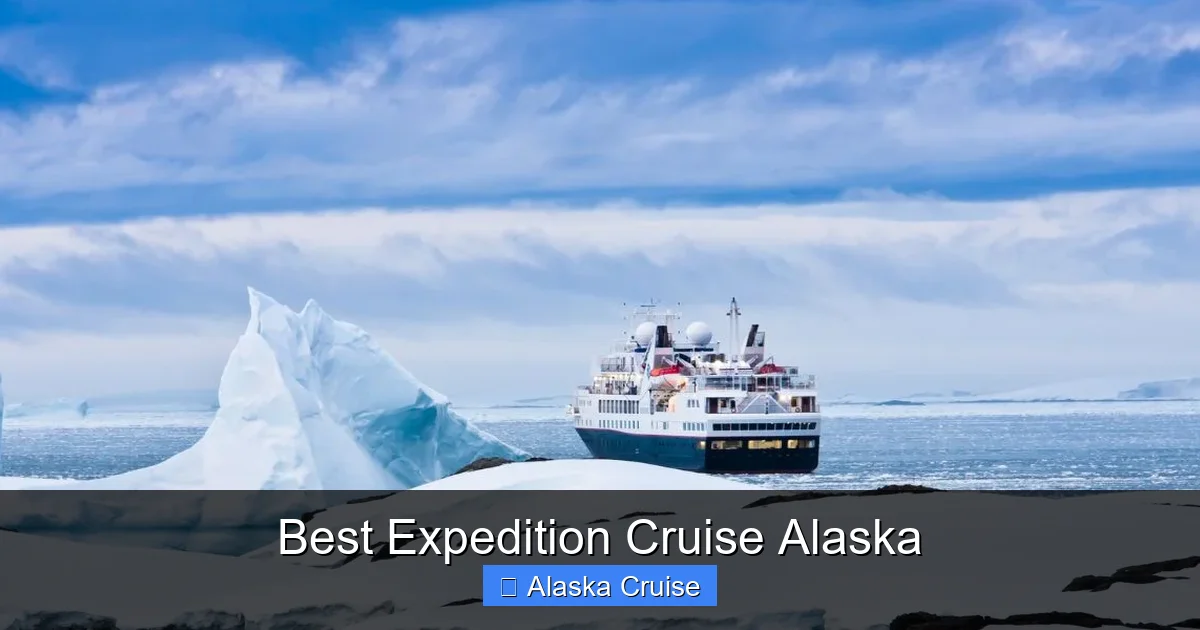
Visual guide about Best Expedition Cruise Alaska
Image source: cruisemummy.co.uk
Alaska’s coastline stretches over 6,600 miles—longer than the entire U.S. mainland coast. An expedition cruise lets you explore its most dramatic and biodiverse regions, often in ways that land-based tours can’t match.
Glacier Bay National Park
A UNESCO World Heritage Site, Glacier Bay is one of Alaska’s crown jewels. This 3.3-million-acre park is home to over a dozen active tidewater glaciers, including the famous Margerie and Lamplugh Glaciers. Ships glide silently through the bay, often stopping just a few hundred yards from towering ice walls.
The best time to visit is July and August, when the glaciers are most active. You might witness a calving event—where a chunk of ice the size of a skyscraper breaks off and crashes into the water. The sound is thunderous, and the resulting wave can rock the ship. Naturalists on board explain how these glaciers form, move, and contribute to sea level rise.
Shore excursions include guided walks on the Bartlett Cove rainforest trail and Zodiac tours to observe harbor seals resting on ice floes. Some ships even offer kayaking among the icebergs—a surreal experience that feels like paddling through a frozen dream.
Tracy Arm and Endicott Arm
These twin fjords, located south of Juneau, are often called “Alaska’s fjordland” for their steep granite walls, cascading waterfalls, and abundant wildlife. Tracy Arm is home to the Sawyer Glaciers, which calve dramatically into the sea. Endicott Arm features the Dawes Glacier and the stunning Fords Terror—a narrow, U-shaped canyon that feels like a natural cathedral.
Zodiac tours here are especially thrilling. Guides navigate through fields of icebergs, often getting close enough to hear the “singing” of melting ice—a phenomenon caused by trapped air bubbles escaping. You might spot black bears foraging along the shoreline or mountain goats perched on cliffs.
One guest recalled a moment when a humpback whale surfaced just 20 feet from their Zodiac, exhaling a cloud of mist that caught the morning sun. “It was like the ocean was saying hello,” they said.
The Inside Passage
Stretching from Washington State to the Gulf of Alaska, the Inside Passage is a network of protected waterways dotted with islands, forests, and indigenous villages. It’s the most popular route for Alaska cruises, but expedition ships take it to the next level.
Instead of just docking in Ketchikan or Wrangell, they explore hidden coves like Rudyerd Bay, where sea otters play in kelp forests, or Tongass National Forest, the largest national forest in the U.S. Some itineraries include visits to remote Tlingit villages, where guests can learn about traditional totem carving or participate in a potlatch ceremony.
Wildlife is abundant here. Orcas are frequently spotted near the San Juan Islands, while bald eagles nest in towering spruce trees along the shoreline. In spring, you might see gray whales migrating north from Baja California—traveling over 12,000 miles round-trip.
The Gulf of Alaska and Prince William Sound
For a more off-the-beaten-path experience, some expedition cruises venture into the Gulf of Alaska. This region includes destinations like College Fjord, where 26 glaciers spill down from the Chugach Mountains, and the wildlife-rich waters of Prince William Sound.
Here, you’ll find massive colonies of seabirds, including puffins and murres, as well as sea lions, porpoises, and even the occasional minke whale. The sound is also home to the famous Columbia Glacier, one of the fastest-retreating glaciers in the world—a sobering reminder of climate change.
One unique feature of these voyages is the chance to visit remote research stations or fish hatcheries. Guests might meet scientists studying salmon populations or learn how sustainable fishing practices support local economies.
Wildlife Encounters: The Heart of the Experience
Alaska is one of the last great wildlife refuges on Earth, and an expedition cruise puts you in the middle of it. Unlike safari tours in Africa or jungle treks in Costa Rica, Alaska’s wildlife is often visible from the ship or just a short Zodiac ride away.
Whales: Giants of the Deep
Humpback whales are the stars of the show. These acrobatic giants are known for breaching, tail slapping, and singing complex songs that can travel for miles underwater. On many cruises, naturalists use hydrophones to amplify these sounds, creating an otherworldly auditory experience.
Orcas, or killer whales, are also common, especially in the Inside Passage. These highly intelligent predators travel in pods and are often seen hunting seals or playing near the ship. Some ships even have resident orca researchers who track individual families and share their findings with guests.
Gray whales, minke whales, and fin whales are also spotted, though less frequently. The best time for whale watching is July and August, when food is abundant and whales are active.
Bears: Lords of the Shoreline
Alaska is home to over 30,000 brown bears—more than any other place on Earth. On an expedition cruise, you might see them fishing for salmon in rivers, digging for clams on tidal flats, or simply resting in the tall grass.
Admiralty Island, known as “Fortress of the Bears,” has one of the highest concentrations of brown bears in the world. Some ships offer guided shore excursions to bear viewing platforms, where you can observe them from a safe distance.
One guest described watching a mother bear teach her cubs to fish: “She’d swipe at the water, miss, then try again. The cubs copied her, tumbling over each other in the current. It was both hilarious and humbling.”
Seabirds and Marine Life
Alaska’s coast is a birdwatcher’s paradise. Puffins with their colorful beaks, tufted puffins with their feathery head plumes, and cormorants drying their wings on rocky outcrops are common sights. Seabird colonies can number in the hundreds of thousands, creating a cacophony of calls and a spectacle of flight.
Sea otters are another favorite. These playful mammals float on their backs, using rocks to crack open shellfish. They’re often seen in kelp beds, wrapped in strands of seaweed to keep from drifting away.
Other marine life includes harbor seals, Steller sea lions, and Dall’s porpoises, which often ride the bow wave of the ship, leaping and spinning in the wake.
What to Expect Onboard an Expedition Cruise
While expedition cruises prioritize adventure, they don’t skimp on comfort. Think of them as high-end adventure lodges on water—cozy, well-appointed, and full of character.
Cabins and Amenities
Cabins are typically compact but thoughtfully designed. Most feature ocean views, private bathrooms, and comfortable beds. Some ships offer suites with extra space or private balconies, though these are rare due to the need for open deck space.
Common areas include a main lounge with a library of Alaskan books and maps, a dining room serving locally sourced cuisine (think fresh salmon, reindeer sausage, and wild berries), and an observation deck with binoculars and blankets for chilly mornings.
Many ships also have a wellness focus, with yoga classes, massage services, and healthy menu options. Some even offer carbon-neutral voyages or partnerships with conservation organizations.
Daily Routine and Activities
A typical day starts early—often around 7 a.m.—with a wake-up call and hot coffee on deck. After breakfast, the first excursion begins: a Zodiac tour, a guided hike, or a kayaking trip. The ship then moves to the next destination while guests enjoy lunch and a lecture.
Afternoons offer more exploration, followed by dinner and evening programs—documentaries, guest speakers, or stargazing on the deck. Nights are quiet, with most guests retiring early to prepare for the next day’s adventures.
One unique feature is the “open bridge” policy. Unlike traditional cruises, many expedition ships allow guests to visit the captain’s bridge at any time. You can watch the crew navigate icy waters, ask questions about navigation, or simply enjoy the panoramic views.
Packing Tips for Success
Packing for an Alaska expedition cruise requires preparation. The weather can change quickly—sunny one moment, rainy the next. Layers are essential.
Start with a waterproof outer shell and insulated jacket. Add thermal base layers, fleece mid-layers, and quick-dry pants. Don’t forget waterproof boots—many landings require walking on wet rocks or muddy trails.
Other essentials include:
– Binoculars (provided on some ships, but bring your own if you prefer)
– Camera with extra batteries (cold drains them fast)
– Sunglasses and sunscreen (yes, even in Alaska!)
– Motion sickness medication (just in case)
– A reusable water bottle
Most ships provide rain gear and binoculars, but it’s wise to check in advance.
Choosing the Right Expedition Cruise
With so many options, how do you pick the best expedition cruise Alaska has to offer? Consider these factors:
Itinerary and Focus
Some cruises emphasize wildlife, others focus on glaciers or indigenous culture. Decide what matters most to you. For example, if you’re a birdwatcher, look for itineraries that include the Pribilof Islands or the Aleutian Chain.
Ship Size and Style
Smaller ships (under 100 passengers) offer more intimacy and access to remote areas. Larger expedition ships (100–200) may have more amenities but less flexibility.
Operator Reputation
Choose a company with a strong environmental record and experienced guides. Top operators include Lindblad Expeditions, UnCruise Adventures, Quark Expeditions, and Hurtigruten.
Time of Year
May and June offer fewer crowds and blooming wildflowers. July and August are peak season, with the best weather and wildlife. September brings autumn colors and migrating birds.
Price and Value
Expedition cruises are more expensive than traditional cruises—typically $5,000 to $15,000 per person. But they include most excursions, lectures, and high-quality meals. Look for packages that include airfare or pre/post-cruise stays.
Final Thoughts: Why an Expedition Cruise is Worth It
An expedition cruise in Alaska isn’t just a vacation—it’s a journey of discovery. It’s about slowing down, paying attention, and reconnecting with the natural world. It’s about hearing the silence of a glacier field, feeling the spray of a whale’s breath, and seeing a bear in the wild for the first time.
These experiences stay with you long after the trip ends. They change how you see the planet—and your place in it. Whether you’re a seasoned traveler or a first-time cruiser, an expedition cruise offers something no other trip can: a front-row seat to the wild heart of Alaska.
So if you’re ready to trade crowded ports for quiet fjords, buffets for bear sightings, and entertainment for enlightenment, it’s time to book your adventure. The best expedition cruise Alaska has to offer is waiting—just beyond the next bend in the coast.
Frequently Asked Questions
What makes an expedition cruise different from a regular cruise?
An expedition cruise focuses on exploration, education, and wildlife, with small ships, expert guides, and flexible itineraries. Regular cruises prioritize entertainment, dining, and port visits with larger ships and fixed schedules.
How many people are on an expedition cruise ship?
Most expedition ships carry between 50 and 200 passengers, allowing for more intimate experiences and access to remote areas that larger vessels can’t reach.
What wildlife can I expect to see on an Alaska expedition cruise?
You’ll likely see humpback whales, orcas, brown bears, sea otters, puffins, and bald eagles. Sightings depend on the season and location, but wildlife encounters are frequent and often up close.
Is an expedition cruise suitable for families?
Yes, many expedition cruises welcome families and offer kid-friendly activities, educational programs, and age-appropriate excursions. Some ships even have family cabins and youth programs.
What should I pack for an Alaska expedition cruise?
Pack layers, waterproof clothing, sturdy boots, binoculars, a camera, and motion sickness medication. Most ships provide rain gear, but check in advance.
When is the best time to take an expedition cruise in Alaska?
The best time is May through September. July and August offer the best weather and wildlife, while May and September provide fewer crowds and unique seasonal beauty.